Identifying Car Battery Terminals: What Color is the Negative?
The negative terminal on a car battery is almost universally colored black. It is also identified by a minus sign (-) stamped into the lead casing or printed on a plastic label. In contrast, the positive terminal is red and marked with...
The negative terminal on a car battery is almost universally colored black. It is also identified by a minus sign (-) stamped into the lead casing or printed on a plastic label. In contrast, the positive terminal is red and marked with a plus sign (+). Always verify the symbols before making connections.
Contents
The Standard Color Coding for Automotive Batteries
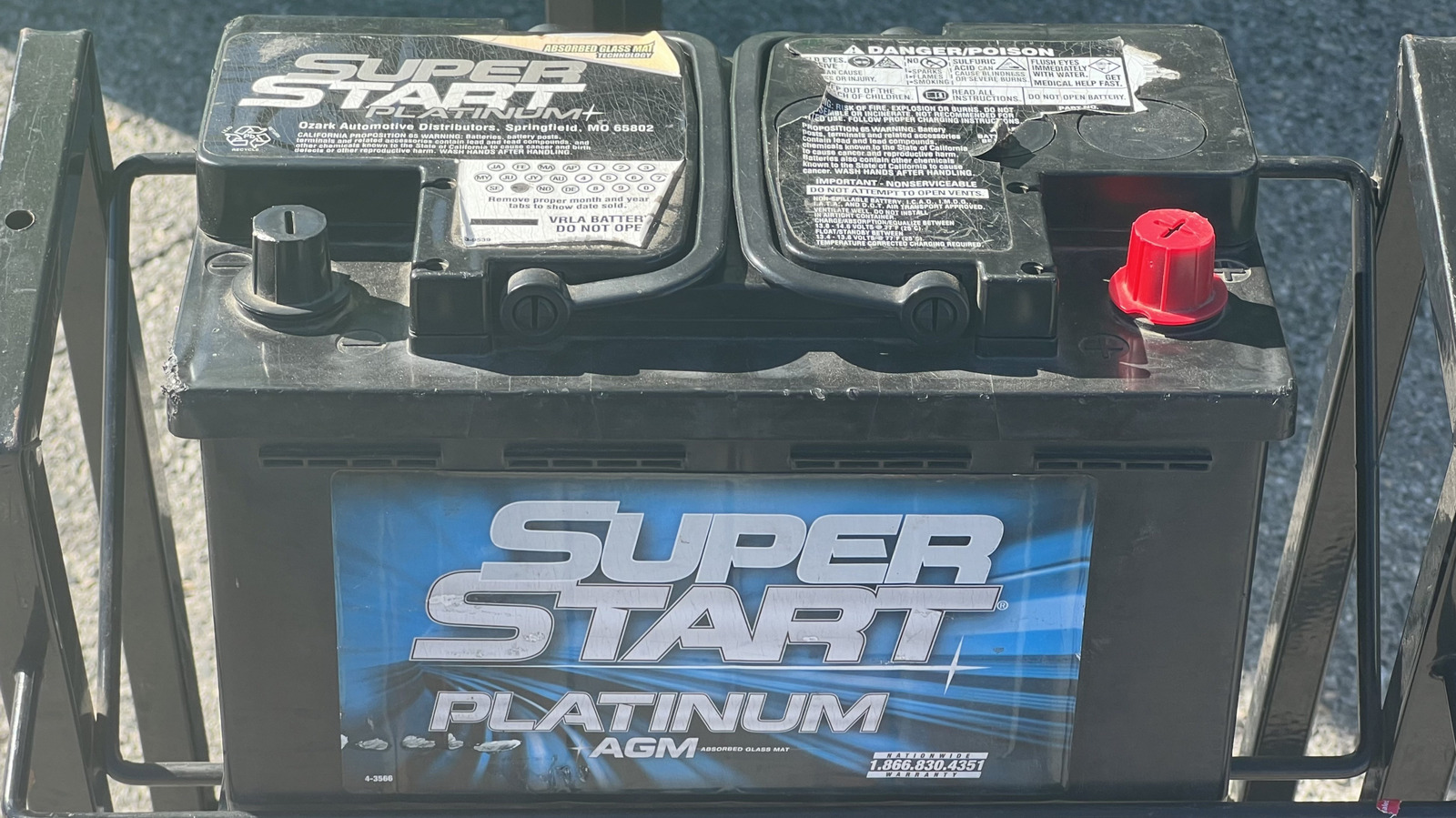
In the world of automotive engineering and maintenance, standardized color coding is the primary defense against electrical errors. For decades, the industry has adhered to a specific palette to ensure that both professional mechanics and DIY enthusiasts can safely navigate the engine bay. The negative terminal, which serves as the return path for the vehicle's electrical circuit, is designated as black.
This color-coding system is not merely a suggestion; it is a critical safety protocol. When you open the hood of a vehicle in 2026, you will find that the battery cables and the protective plastic caps covering the terminals follow this strict convention. The red cable or cap signifies the positive (hot) side of the battery, while the black cable or cap signifies the negative (ground) side.
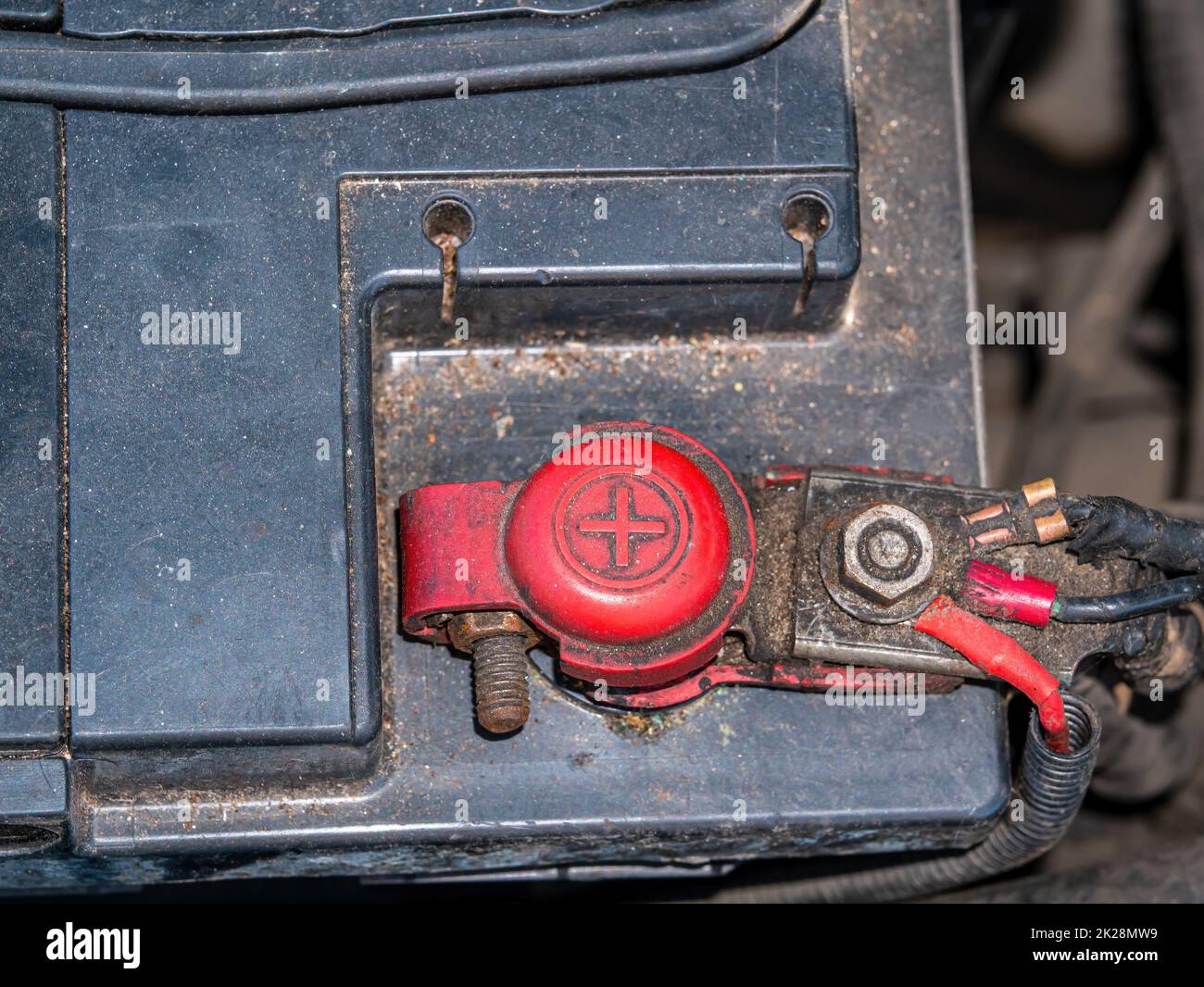
While the colors are the most visible indicator, they are technically secondary to the symbols stamped directly onto the battery's lead posts. Over time, engine heat, oil spray, and road grime can fade or discolor plastic covers and cable insulation. Therefore, technicians are trained to look for the embossed "-" symbol for negative and the "+" symbol for positive to confirm the orientation before attaching jumper cables or a diagnostic scanner.
Why the Negative Terminal is Black
The choice of black for the negative terminal is rooted in historical electrical standards that predate the modern automobile. In direct current (DC) electrical systems, black has traditionally been used to represent the "ground" or the "common" return path. In a negative-ground vehicle—which describes virtually every car manufactured since the mid-20th century—the negative terminal of the battery is bolted directly to the vehicle's chassis or engine block.
This grounding turns the entire metal frame of the car into a massive conductor, allowing electrical components (like headlights, radio, and ECU) to complete their circuits by simply connecting to the nearest metal part of the frame rather than running a dedicated wire all the way back to the battery. Because black is associated with the earth or "zero potential" in many engineering disciplines, it became the logical choice for the terminal that connects to the car's body.
Furthermore, the use of black provides a high-contrast visual distinction from red. In low-light situations or emergency roadside conditions, the ability to distinguish between the "live" side (red) and the "grounded" side (black) is essential for preventing catastrophic short circuits.
How to Identify the Negative Terminal Without Color
Relying solely on color can be risky, especially in older vehicles or those that have undergone aftermarket repairs. In some cases, a previous owner might have replaced a cable with whatever color was available at the parts store, or the red protective cap may have been lost. To ensure absolute accuracy, you should look for several other physical characteristics that distinguish the negative terminal from the positive one.
The Minus (-) and Plus (+) Symbols
The most reliable identifier is the symbol stamped into the battery casing itself. Look closely at the plastic housing near the base of the metal posts. A minus sign (-) indicates the negative terminal, while a plus sign (+) indicates the positive terminal. These markings are permanent and cannot be swapped or accidentally moved.
Post Diameter and Taper
To prevent accidental reverse polarity, battery manufacturers design the lead posts with slightly different diameters. The positive terminal is almost always slightly thicker than the negative terminal. While this difference is often measured in millimeters and may be hard to see at a glance, you will notice it if you try to put a positive terminal clamp on a negative post; the clamp will likely be too loose, even when fully tightened. Conversely, a negative clamp usually will not fit over a positive post without being forced.
Cable Routing and Grounding
If you follow the wires, the negative cable will lead to a bolt on the engine block or the vehicle's frame. This is a short, heavy-gauge wire that "grounds" the battery. The positive cable, on the other hand, typically leads to a fuse box, the starter motor, or an alternator. Observing where the cable goes is a foolproof way to verify its function.
Critical Comparison: Negative vs. Positive Terminals
| Feature | Negative Terminal (-) | Positive Terminal (+) |
|---|---|---|
| Standard Color | Black | Red |
| Common Symbol | Minus Sign (-) | Plus Sign (+) |
| Cable Destination | Vehicle Chassis / Engine Block | Starter Motor / Alternator / Fuse Box |
| Post Diameter | Smaller (approx. 15.9 mm) | Larger (approx. 17.5 mm) |
| Corrosion Type | Often "Dry" or White Crust | Often Blue or Greenish Tint |
| Risk Factor | Connecting to chassis is safe | Touching chassis causes sparks/shorts |
The Danger of Reverse Polarity
Understanding which color is the negative on a car battery is a fundamental safety requirement because of the risks associated with "reverse polarity." This occurs when the positive cable of a charger or jump-starter is connected to the negative terminal, or vice versa.
In 2026, modern vehicles are equipped with sophisticated Engine Control Units (ECUs), infotainment systems, and sensors that are extremely sensitive to voltage surges. If you cross the cables, you create a massive short circuit. This can result in:
- Blown Main Fuses: Most cars have a high-amperage "Main" or "ALT" fuse designed to blow if polarity is reversed, but this fuse is expensive and difficult to replace.
- Fried Electronics: If the fuse doesn't blow fast enough, the surge can destroy the vehicle’s computer, which can cost thousands of dollars to repair.
- Battery Explosion: A short circuit causes rapid heating within the battery. This can lead to the release of hydrogen gas, which can ignite, causing the battery casing to rupture or explode.
- Alternator Damage: The diodes inside an alternator are designed to allow current to flow in one direction. Reverse polarity can instantly "cook" these diodes, requiring a full alternator replacement.
Best Practices for Connecting and Disconnecting
When performing maintenance or jump-starting a vehicle, the order in which you touch the terminals is just as important as knowing their colors. Following a specific sequence minimizes the risk of accidental sparking.
Disconnecting a Battery
- Remove the Negative (Black) Cable First: By removing the ground connection first, you break the circuit. If your wrench accidentally touches the metal frame of the car while you are loosening the negative nut, nothing will happen because the frame is also negative.
- Remove the Positive (Red) Cable Second: Once the negative is disconnected, the car is no longer grounded, making it safe to remove the positive cable.
Connecting a Battery
- Attach the Positive (Red) Cable First: This establishes the "hot" connection while there is still no ground path.
- Attach the Negative (Black) Cable Second: This completes the circuit. You may see a small spark as the electronics in the car (like the clock or alarm) wake up; this is normal.
Troubleshooting Obscure or Damaged Battery Setups
Sometimes, identifying the negative terminal is not straightforward. In some European vehicles or specialized 2026 electric vehicle (EV) auxiliary systems, the battery might be hidden in the trunk, under a seat, or beneath a plastic shroud.
Corrosion Masking
If a battery has been neglected, a buildup of white, powdery corrosion (lead sulfate) may completely cover the terminals and the cables. This corrosion is acidic and can cause skin irritation. Before attempting to identify the color, you should clean the terminals using a mixture of baking soda and water and a wire brush. Once the "fuzz" is removed, the black or red markings should become visible.
Aftermarket Modifications
If you are working on a modified vehicle, be aware that enthusiasts sometimes use custom cabling. High-end audio systems, for example, often use clear, silver, or gold cables. In these instances, do not guess based on the wire color. Look for the heat-shrink tubing at the ends of the cables (which should still be red/black) or use a digital multimeter to test for polarity.
Frequently Asked Questions
What happens if I connect the black jumper cable to the positive terminal?
If you connect the black (negative) cable to the positive terminal while the other end is connected to the negative terminal of a donor car, you will create a short circuit. This results in immediate heavy sparking, heat buildup in the cables, and potential damage to the electrical systems of both vehicles. If this happens, disconnect the cables immediately using insulated gloves if possible, but be extremely cautious of the heat.
Can the negative terminal be red in some cars?
No, the negative terminal is never red in a standard factory setup. While an amateur mechanic might have used a red cable for a negative connection during a makeshift repair, this violates all automotive standards and is considered a high-risk error. Always follow the symbols (+/-) if the cable colors seem suspicious.
Does the negative terminal always have a black cover?
While black is the standard, some batteries do not come with covers at all. Others may have a black cover for negative and a red cover for positive. If the covers are missing, look for the black insulation on the wire itself or the minus sign on the battery casing.
Why is the negative cable connected to the car frame?
The car frame acts as a "common ground." By connecting the negative terminal to the chassis, the manufacturer saves miles of wiring. Every electrical component in the car can simply use a short wire to connect to the nearest part of the metal frame to complete its path back to the battery.
Is the negative terminal the same as the "ground"?
Yes, in automotive terms, the negative terminal and the ground are effectively the same thing. Because the negative post is bonded to the vehicle's chassis, the entire metal structure of the car serves as the "ground" for the DC electrical system.
Summary of Actionable Steps
When identifying battery terminals, always prioritize physical markings over cable colors. Ensure the engine is off and you are wearing eye protection, as batteries contain sulfuric acid and can emit flammable gases.
- Locate the symbols: Find the (-) and (+) marks on the battery casing.
- Confirm the color: Ensure the black cable is attached to the (-) post and the red cable is attached to the (+) post.
- Check for ground: Verify that the black cable leads to the vehicle's frame or engine block.
- Use the correct sequence: Always disconnect the negative (black) cable first and reconnect it last to prevent accidental short circuits.
By maintaining a "safety first" approach and double-checking the negative terminal's identity, you protect both your vehicle’s sensitive electronic infrastructure and your personal safety.
Image Gallery