Comprehensive Guide to the Different Types of Diets: A 2026 Perspective on Nutrition
Dietary patterns are broadly categorized into four main types: therapeutic diets for medical conditions, weight management diets for body composition, ethical or religious diets based on belief systems, and performance diets for athlet...
Dietary patterns are broadly categorized into four main types: therapeutic diets for medical conditions, weight management diets for body composition, ethical or religious diets based on belief systems, and performance diets for athletic optimization. Popular examples include the Mediterranean, Ketogenic, DASH, and plant-based diets, each serving distinct physiological or lifestyle goals.
Contents
Understanding the vast landscape of human nutrition requires moving beyond the narrow definition of a "diet" as a temporary weight-loss tool. In 2026, the scientific community views dietary patterns as long-term lifestyle frameworks that influence metabolic health, longevity, and environmental sustainability. While hundreds of named protocols exist, they generally fall into specific clusters based on their primary mechanism of action or the philosophical intent behind the food choices.
Therapeutic and Medical Diets
Therapeutic diets are formulated to manage specific health conditions or to reduce the risk of chronic diseases. These protocols are often evidence-based and frequently recommended by healthcare providers as a primary or adjunctive treatment.
The Mediterranean Diet
Widely considered the gold standard for cardiovascular health, the Mediterranean diet is less a strict set of rules and more a cultural eating pattern. It emphasizes high consumption of fruits, vegetables, legumes, and whole grains. The primary source of added fat is olive oil, which provides monounsaturated fatty acids that support heart health.
Research updated through 2025 and 2026 continues to reinforce its efficacy in reducing systemic inflammation. Unlike restrictive diets, it allows for moderate consumption of fish, poultry, and red wine, while limiting red meat and highly processed sugars. Its success is often attributed to its high fiber content and rich antioxidant profile.
The DASH Diet (Dietary Approaches to Stop Hypertension)
The DASH diet was specifically engineered by the National Institutes of Health (NIH) to combat high blood pressure without medication. Its primary mechanism is the balance of electrolytes—specifically increasing potassium, calcium, and magnesium intake while strictly limiting sodium.
A typical DASH plan focuses on whole foods and limits sodium to either 2,300 mg or 1,500 mg per day, depending on the individual's hypertensive stage. Clinical trials have consistently shown that the DASH diet can lower blood pressure in as little as two weeks, making it a cornerstone of preventative cardiology.
The Low-FODMAP Diet
This is a temporary, diagnostic elimination diet used to manage Irritable Bowel Syndrome (IBS) and other functional gastrointestinal disorders. FODMAPs (Fermentable Oligosaccharides, Disaccharides, Monosaccharides, and Polyols) are short-chain carbohydrates that are poorly absorbed in the small intestine.
The protocol involves three phases: elimination, reintroduction, and personalization. By identifying specific triggers, patients can return to a varied diet while avoiding only the specific sugars that cause distress. Because of its complexity, it is generally recommended to be conducted under the supervision of a registered dietitian.
Weight Management and Metabolic Diets
These diets are primarily designed to alter body composition, typically through the manipulation of macronutrients (carbohydrates, fats, and proteins) to influence insulin levels and fat oxidation.
The Ketogenic (Keto) Diet
The Ketogenic diet is a very high-fat, moderate-protein, and very low-carbohydrate regimen. By reducing carbohydrate intake to typically under 50 grams per day, the body enters a metabolic state called ketosis. In this state, the liver converts fats into ketones, which serve as the primary energy source for the brain and body instead of glucose.
While originally developed in the 1920s to treat pediatric epilepsy, the "Keto" movement in 2026 is largely focused on rapid weight loss and blood sugar management for Type 2 Diabetes. However, critics point to the difficulty of long-term adherence and potential increases in LDL cholesterol for some individuals.
The Paleo Diet
The Paleolithic diet, or "Caveman Diet," operates on the premise that modern humans should eat foods available to our hunter-gatherer ancestors. This includes lean meats, fish, fruits, vegetables, nuts, and seeds. It strictly excludes dairy, grains, and legumes—foods that emerged after the agricultural revolution.
The rationale is that the human genome has not evolved fast enough to process modern processed foods and agricultural staples. While it encourages whole-food consumption, nutritionists often debate the exclusion of fiber-rich legumes and whole grains, which are linked to various health benefits.
Low-Carb and Slow-Carb Diets
These are broader categories that include the Atkins Diet and the South Beach Diet. They focus on reducing high-glycemic carbohydrates (white bread, sugar, pasta) to stabilize blood sugar and lower insulin, the body's primary fat-storage hormone. "Slow-carb" variations allow for carbohydrates that have a low glycemic index, such as lentils and beans, which digest slowly and prevent energy crashes.
Ethical, Environmental, and Religious Diets
Many individuals choose their diet based on moral, spiritual, or ecological convictions rather than purely for health or weight loss.
Veganism and Vegetarianism
Vegetarian diets exclude meat, fish, and poultry. Variations include:
- Lacto-Ovo Vegetarian: Includes dairy and eggs.
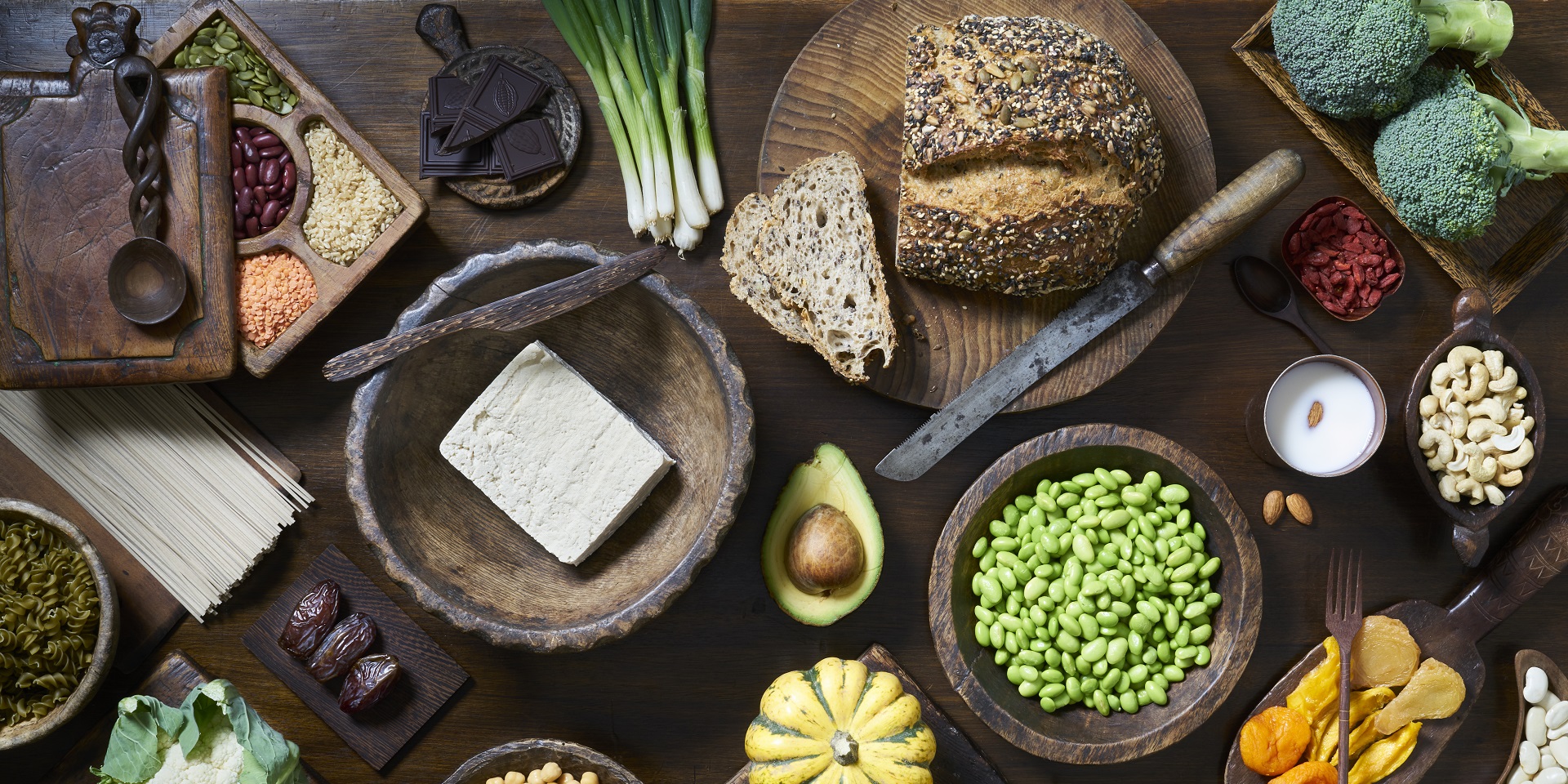
- Vegan: Excludes all animal-derived products, including honey, gelatin, and dairy.
In 2026, the shift toward "Plant-Based" eating has accelerated, driven by concerns over the environmental impact of industrial livestock farming. Well-planned vegan diets are associated with lower risks of obesity and heart disease, though they require careful attention to Vitamin B12, Iron, and Omega-3 fatty acid intake.
Flexitarianism
The flexitarian diet is an increasingly popular middle ground. It encourages plant-based meals the majority of the time but allows for the occasional consumption of meat or animal products. This "semi-vegetarian" approach provides the environmental and health benefits of plant-based eating without the strict social or culinary limitations of total veganism.
Religious Dietary Laws
Diets such as Halal (Islamic law) and Kosher (Jewish law) dictate not only what foods can be eaten but also how animals are slaughtered and how food is prepared. For example, Kosher laws prohibit the mixing of dairy and meat in the same meal. These diets are central to cultural identity and personal discipline.
Performance and Specialized Diets
Athletes and individuals with specific physiological goals often utilize highly structured dietary protocols to maximize performance or muscle hypertrophy.
The Vertical Diet
Developed specifically for strength athletes and those with high caloric requirements, the Vertical Diet focuses on easily digestible "base" foods (like white rice and red meat) to minimize gastrointestinal distress while providing massive amounts of micronutrients through limited, high-quality vegetable sources. The "vertical" name refers to increasing calories from a narrow selection of easily processed foods as energy demands rise.
High-Protein Diets
Common among bodybuilders and those pursuing "recomposition," these diets prioritize protein intake (often 1.6g to 2.2g per kilogram of body weight) to support muscle protein synthesis. By maintaining high protein levels, individuals can often lose body fat while preserving lean muscle mass during a caloric deficit.
Comparison of Major Dietary Patterns
The following table summarizes the primary characteristics and intended outcomes of the most common dietary types utilized in 2026.
| Diet Name | Primary Macronutrient Focus | Key Foods | Best For |
|---|---|---|---|
| Mediterranean | Balanced / High Healthy Fats | Olive oil, fish, legumes, greens | Long-term heart health |
| Ketogenic | Very High Fat / Very Low Carb | Meat, eggs, avocado, butter | Fast weight loss, blood sugar control |
| DASH | Low Sodium / High Mineral | Fruits, veggies, low-fat dairy | Hypertension (High Blood Pressure) |
| Vegan | Plant-Based | Beans, grains, nuts, soy | Ethics and environmental impact |
| Paleo | Whole Foods / No Grains | Lean meats, nuts, berries | Reducing processed food intake |
| Low-FODMAP | Low Fermentable Sugars | Specific fruits/veggies, rice | Managing IBS and bloating |
The Role of Nutritional Timing: Intermittent Fasting
While not a "diet" in the sense of what you eat, Intermittent Fasting (IF) is a dietary pattern focused on when you eat. It has become a dominant trend in 2026 due to its simplicity and metabolic benefits.
Common protocols include:
- 16/8 Method: Fasting for 16 hours and eating during an 8-hour window.
- 5:2 Diet: Eating normally for five days and restricted calories (500-600) for two non-consecutive days.
- OMAD (One Meal A Day): A 23:1 fasting-to-eating ratio.
The primary mechanism of IF is the reduction of the "feeding window," which naturally limits caloric intake and allows insulin levels to remain low for extended periods, facilitating fat burning and cellular repair processes known as autophagy.
Critical Factors for Choosing a Diet
When evaluating "what types of diets are there," the most important consideration is not the name of the diet, but its sustainability. A diet that produces rapid results but cannot be maintained for more than three months is ultimately a failure in the context of long-term health.
- Metabolic Individuality: Every person reacts differently to macronutrient ratios. Someone with insulin resistance may thrive on a low-carb diet, while an endurance athlete may require a high-carb approach to perform.
- Nutrient Density: Regardless of the label (Keto, Vegan, Paleo), the quality of the food matters. A "junk food vegan" diet is often less healthy than a balanced diet containing high-quality animal proteins.
- Sustainability and Social Fit: A diet must fit into your lifestyle. If a diet prevents you from eating with your family or traveling, it is unlikely to stick.
- Medical Guidance: It is essential to consult with a healthcare professional or a registered dietitian before starting a restrictive diet, especially those that eliminate entire food groups or involve prolonged fasting.
Frequently Asked Questions
Which diet is objectively the best for weight loss?
There is no single "best" diet for weight loss; the most effective diet is the one that allows an individual to maintain a consistent caloric deficit while meeting nutritional needs. Research suggests that whether you choose low-carb or low-fat, weight loss results are similar over 12 months, provided the individual adheres to the plan.
Can I combine different types of diets?
Yes, many people combine protocols. For example, a "Vegan Keto" diet involves eating high-fat plant foods while avoiding animal products. Similarly, many people follow a Mediterranean-style diet while also practicing Intermittent Fasting.
Are there any diets that are considered dangerous?
Diets that are extremely low in calories (fewer than 800-1,000 per day) without medical supervision or those that promote "detoxing" with unverified supplements can be dangerous. They often lead to nutrient deficiencies, electrolyte imbalances, and metabolic slowing.
How do I know if a diet is working?
Success should be measured by more than just the scale. Improved energy levels, better sleep quality, stabilized blood sugar, improved blood pressure, and better digestive health are all indicators that a dietary pattern is serving your body well.
Is the Paleo diet the same as the Keto diet?
No. While both may be lower in carbohydrates than a standard Western diet, Paleo allows for fruits and starchy vegetables (like sweet potatoes) that would kick someone out of ketosis. Paleo focuses on food quality and origin, whereas Keto focuses strictly on macronutrient ratios.
Next Steps for Improving Your Nutrition
If you are looking to change your eating habits, start by tracking your current intake for one week without making changes. This provides a baseline of your habits. From there, choose one of the frameworks mentioned above that aligns with your specific goals—whether that is the DASH diet for blood pressure, a plant-based diet for ethics, or Intermittent Fasting for weight management. Always introduce changes gradually to allow your digestive system and metabolism to adapt.
Image Gallery