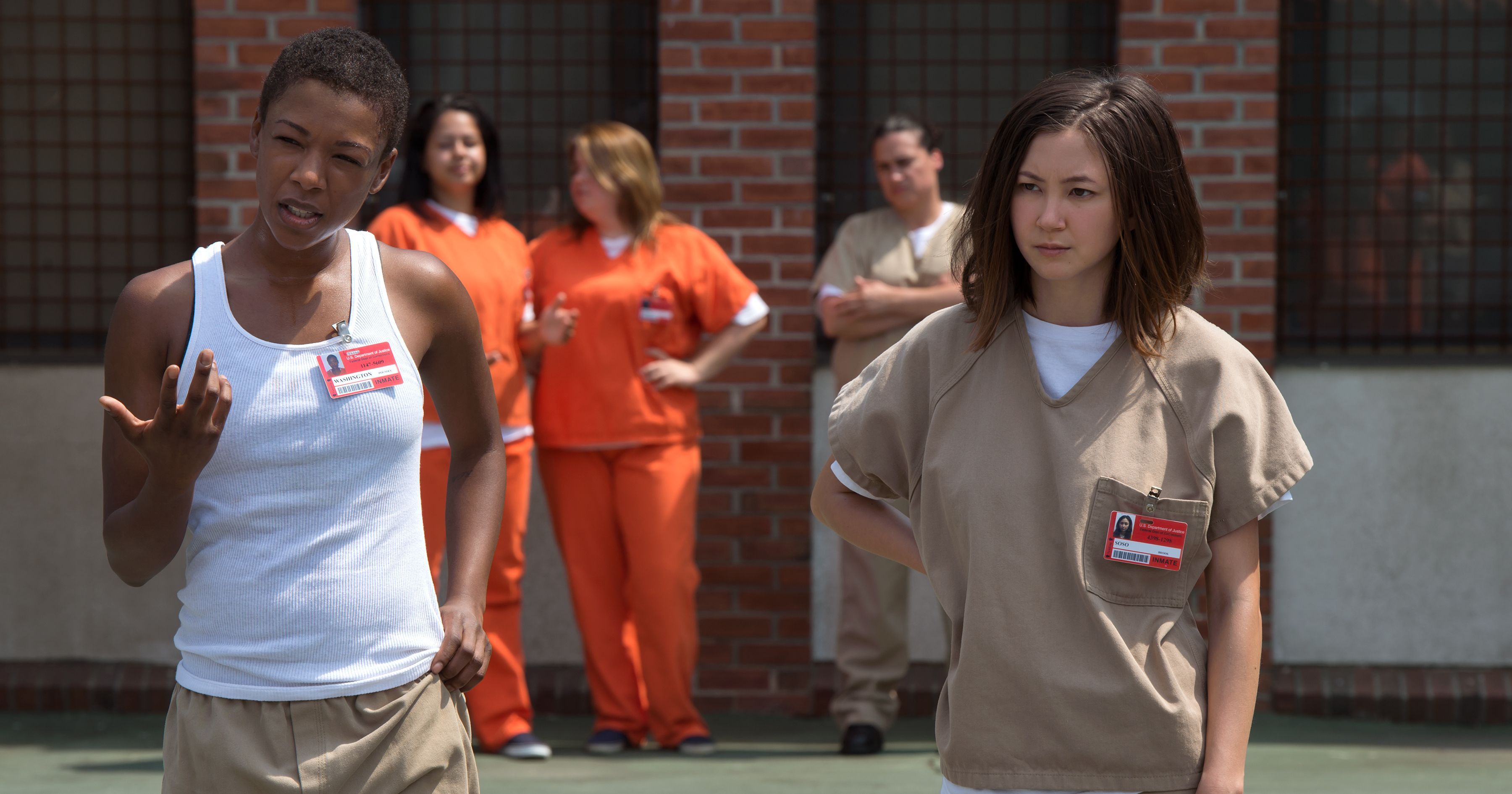
The Lasting Impact of Poussey Washington’s Death in Orange Is the New Black
The death of Poussey Washington in Orange Is the New Black remains one of the most significant moments in television history, marking a definitive shift in the series' narrative from a character-driven dramedy to a searing indictment o...
The death of Poussey Washington in Orange Is the New Black remains one of the most significant moments in television history, marking a definitive shift in the series' narrative from a character-driven dramedy to a searing indictment of the American carceral system. By intentionally mirroring real-world tragedies involving police brutality and systemic negligence, the event catalyzed global conversations regarding racial justice, the dehumanization of incarcerated individuals, and the accountability of the prison-industrial complex.
Contents
The Narrative Pivot: From Dramedy to Tragedy
Before Season 4, Episode 12, "The Animals," Orange Is the New Black (OITNB) often balanced the harsh realities of prison life with levity, wit, and interpersonal romance. Poussey Washington, portrayed with luminous warmth by Samira Wiley, served as the show's moral compass. She was literate, polyglot, joyful, and possessed a hopeful future. Her death did not just remove a fan-favorite character; it fundamentally broke the world of Litchfield Penitentiary.
The decision to kill Poussey was a calculated narrative choice designed to maximize emotional devastation. Unlike other characters who were embroiled in violence or criminal enterprise within the prison, Poussey was a victim of a chaotic, systemic failure during a peaceful protest. Her death by positional asphyxiation at the hands of a young, untrained, and overwhelmed guard named Baxter Bayley was a direct reference to the 2014 death of Eric Garner. By choosing the character with the most "light," the writers forced the audience to confront the reality that the system does not spare the "innocent" or the "kind."
In the seasons following her death, the show’s tone darkened significantly. The entirety of Season 5 took place over just three days during the ensuing riot, fueled almost entirely by the inmates' grief and the administration's refusal to even say Poussey’s name. This narrative shift transformed the show into a high-stakes political drama, a legacy that stayed with the series until its conclusion.
The Social and Cultural Mirror
The impact of Poussey’s death extended far beyond the screen, arriving at a time when the Black Lives Matter movement was gaining significant mainstream momentum. For many viewers, the scene was traumatic because of its visceral realism. The image of a small, defenseless Black woman being crushed under the weight of a state representative—while her "I can't breathe" subtext hung in the air—was an unavoidable mirror of contemporary American life.
Representation and the "Bury Your Gays" Trope
The death also ignited a fierce debate within the LGBTQ+ community. Poussey was one half of a beloved "slow-burn" romance with Soso, and her death occurred just as she was planning a future outside the prison walls. Critics and fans pointed to the "Bury Your Gays" trope—a recurring pattern in media where queer characters are killed off shortly after finding happiness. While the showrunners argued that the death was necessary to highlight racial injustice, the loss of one of the few positive, non-stereotypical depictions of a Black lesbian on television felt like a secondary blow to marginalized audiences.
Systemic Failure vs. Individual Malice
One of the most complex impacts of the storyline was the characterization of Baxter Bayley. The show chose not to make him a "mustache-twirling villain" like the sadistic C.O. Piscatella. Instead, Bayley was depicted as a "nice kid" who was woefully underprepared for the job. This nuance forced the audience to look at the systemic negligence of private prison corporations (represented by MCC in the show) rather than focusing solely on individual bigotry. The impact was a broader understanding of how corporate cost-cutting leads to the loss of human life.
The Poussey Washington Fund and Real-World Advocacy
Perhaps the most tangible impact of Poussey’s death is the creation of the Poussey Washington Fund. Recognizing the profound reaction from the audience, the creators of OITNB established a real-world initiative to support non-profit organizations focused on social justice, prison reform, and the support of formerly incarcerated women.
As of 2026, the fund continues to serve as a model for how fictional media can leverage narrative impact for social good. It supports a microloan program and advocacy groups such as:
- The Women's Prison Association: Working with women at all stages of criminal justice involvement.
- The Liberty Fund: Providing bail money for low-income individuals.
- JustLeadershipUSA: Empowering people most affected by incarceration to lead the movement for reform.
This legacy ensures that while the character’s life ended in a tragic fictional event, the name Poussey Washington remains synonymous with progress and the dismantling of the very systems that caused her fictional demise.
Comparing the Narrative and Social Impacts
The following table outlines the multifaceted consequences of Poussey’s death across different dimensions of the show and real-world culture.
| Impact Dimension | Immediate Narrative Effect | Long-term Cultural Legacy |
|---|---|---|
| Character Dynamics | The dissolution of the "Black Girls" clique as they spiraled into grief and rage. | Solidified Taystee (Danielle Brooks) as a powerhouse protagonist and activist. |
| Plot Structure | Triggered the Season 5 Litchfield Riot, the show's most ambitious arc. | Shifted the series from a dramedy to a socio-political tragedy. |
| Social Justice | Directly referenced Eric Garner and the Black Lives Matter movement. | Created a bridge between entertainment and real-world criminal justice reform. |
| Representation | Outraged the LGBTQ+ community due to the "Bury Your Gays" trope. | Highlighted the need for more diverse and "safe" queer narratives in media. |
| Institutional Critique | Exposed the dangers of privatized prison management and poor training. | Used as a case study in media literacy regarding systemic vs. individual blame. |
The Role of Samira Wiley’s Performance
The enduring impact of this death is inseparable from Samira Wiley’s performance. Wiley imbued Poussey with a vulnerability and intelligence that made her feel like a real person rather than a TV trope. Her ability to portray joy in a joyless environment made the final image of her lifeless body on the cafeteria floor particularly haunting.
Following her departure from the show, Wiley’s career trajectory—including her Emmy-winning role in The Handmaid’s Tale—continued to reflect the themes of resistance and resilience. For many fans, seeing Wiley succeed in other roles provided a form of "meta-catharsis," though the loss of Poussey within the OITNB universe remains an unhealed wound.
Addressing the Trauma of the Audience
It is important to acknowledge that the impact of Poussey’s death included significant psychological distress for many Black viewers. In 2026, media analysts often look back at the 2016-2018 era of television as a time of "trauma porn," where the suffering of Black bodies was used as a pedagogical tool for white audiences.
The debate remains: was Poussey’s death a necessary wake-up call, or was it an exploitative use of Black trauma? The consensus in 2026 leans toward a middle ground. While the storytelling was masterful and the real-world funding it generated is undeniable, the sheer brutality of the scene continues to be a point of contention for those who believe that Black characters deserve "black joy" more than they deserve to be "teachable moments."
Frequently Asked Questions
Why did the writers choose Poussey to die instead of a more "expendable" character?
The writers, including showrunner Jenji Kohan, stated that for the death to have a real impact on the audience and the other characters, it had to be someone who was universally loved. If a "villainous" or less sympathetic character had died, the audience might have felt the system was working or felt indifferent. By killing Poussey, the show forced viewers to feel the injustice of a life cut short.
Was Poussey’s death based on a true story?
Yes, the mechanics of her death—specifically the positional asphyxiation and the plea that she couldn't breathe—were a direct reference to the death of Eric Garner at the hands of the NYPD in 2014. The delay in the prison’s response and the way the body was left on the floor also mirrored real-world instances of state negligence.
How did the other inmates react to her death in the following seasons?
The reaction was the primary driver of the final three seasons. Taystee, Poussey’s best friend, became a revolutionary leader, sacrificing her own chance at freedom to seek justice for Poussey. The "Black Girls" group was fractured by grief, while other inmates used the vacuum of power during the riot to settle old scores or seek their own forms of liberation.
What is the Poussey Washington Fund?
The Poussey Washington Fund is a real-world initiative founded by the Orange Is the New Black creative team. It raises money for several non-profit organizations that focus on criminal justice reform and supporting women who are currently or formerly incarcerated. It remains active as of 2026.
Did Samira Wiley want to leave the show?
No, the decision was purely creative. Wiley has stated in interviews that while she was heartbroken to leave the cast and the character, she understood the importance of the story the writers were trying to tell regarding racial injustice and the flaws of the prison system.
Practical Recommendation for Viewers
For those revisiting Orange Is the New Black in 2026 or watching it for the first time, it is recommended to approach Season 4 with an awareness of its heavy themes. If the depiction of state-sanctioned violence is triggering, viewers should know that Episode 12 is extremely graphic and emotionally taxing. To truly honor the impact of the character, consider engaging with the themes of the show by supporting real-world organizations like those funded by the Poussey Washington Fund. Understanding the transition from fiction to advocacy is the best way to process the narrative loss of such a vital character.
Image Gallery