The DMA Fort Meade Media Hub: A Comprehensive Guide to Defense Media Operations
The Defense Media Activity (DMA) at Fort Meade serves as the Department of Defense’s central hub for multimedia production, broadcasting, and information distribution. It consolidates military media services like the American Forces Ne...
The Defense Media Activity (DMA) at Fort Meade serves as the Department of Defense’s central hub for multimedia production, broadcasting, and information distribution. It consolidates military media services like the American Forces Network (AFN) and DVIDS, providing a unified platform for global communication, training, and news delivery to service members and the public.
Contents
Located in Maryland, the DMA headquarters is more than just an office building; it is a high-tech production powerhouse that ensures the flow of information across the global defense enterprise. As of 2026, the facility continues to evolve, integrating advanced cloud-based distribution and artificial intelligence to manage the vast quantities of visual information generated by the United States Armed Forces.
The Evolution and Purpose of the DMA Fort Meade Facility
The establishment of the DMA at Fort George G. Meade was a strategic move driven by the 2005 Base Realignment and Closure (BRAC) commission. The goal was to consolidate several disparate military media organizations—including those from the Army, Navy, Air Force, and Marine Corps—into a single, streamlined entity. This consolidation was designed to eliminate redundancies, reduce operational costs, and foster a collaborative environment where cross-service communication could flourish.
The "media hub" at Fort Meade represents the physical manifestation of this integration. Completed in 2011, the 330,000-square-foot facility was built to meet rigorous technical standards, including specialized acoustic shielding for broadcast studios and massive data storage capabilities for the military’s visual archives. By 2026, the hub has solidified its role as the nerve center for DoD messaging, ensuring that whether a soldier is in a remote outpost or a family member is at home in the U.S., they have access to reliable, timely, and relevant information.
The primary mission of the DMA is to provide direct communication to the "Force"—the active duty, reserve, and guard components, as well as their families and DoD civilians. This mission is critical for maintaining morale, readiness, and situational awareness. In an era of rapid information cycles, the Fort Meade hub acts as a filter and a megaphone, ensuring that official information is accurate and reaches the intended audience before misinformation can take root.
Core Components and Services of the DMA
The DMA is not a monolithic entity but rather an umbrella organization that manages several high-profile media services. Each component operates out of the Fort Meade hub, sharing infrastructure and expertise.
Defense Visual Information Distribution Service (DVIDS)
DVIDS is perhaps the most well-known public-facing component of the DMA. It serves as the primary gateway for media outlets and the public to access high-resolution imagery, video, and news stories generated by military units worldwide. The Fort Meade hub houses the servers and technical support teams that manage the ingestion of thousands of files daily. DVIDS allows journalists to request interviews with subject matter experts and provides a platform for "hometown news" releases, connecting individual service members with their local media markets.
American Forces Network (AFN)
The American Forces Network is a cornerstone of life for overseas military personnel. AFN provides American radio and television programming to service members stationed in over 170 countries and on U.S. Navy ships at sea. The Fort Meade hub acts as the primary uplink and programming center. In 2026, AFN has moved significantly toward IP-based streaming services, such as the "AFN Now" app, which allows users to access content on mobile devices. However, the centralized control and satellite broadcast capabilities remain anchored at the Fort Meade facility to ensure coverage in areas with limited internet connectivity.
DOD News and Production
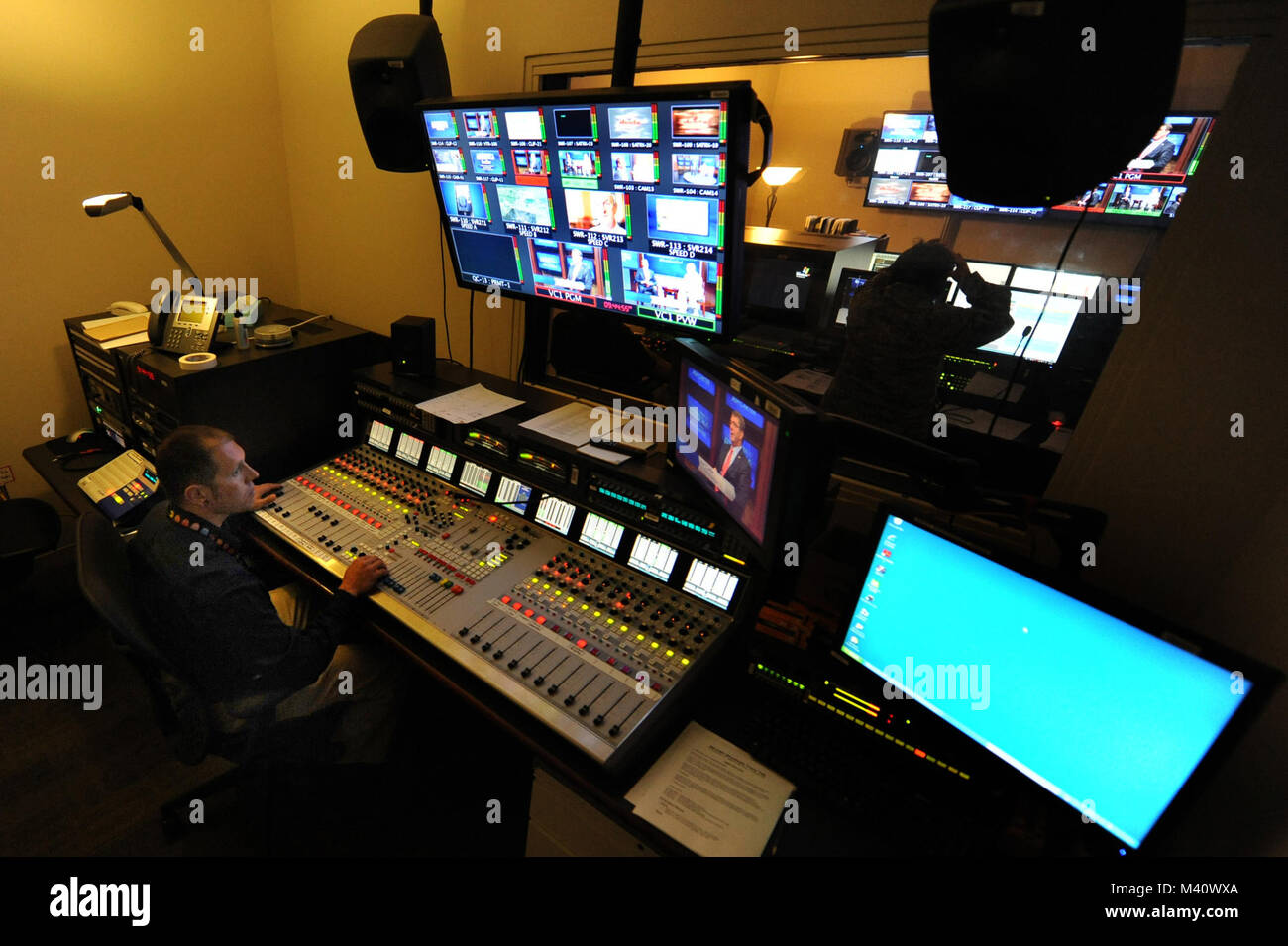
The DMA produces original news content, including "DOD News," which covers departmental policies, senior leadership announcements, and global operations. The facility features state-of-the-art television studios, voice-over booths, and editing suites. These resources allow the DMA to produce high-quality documentaries, training videos, and live-streamed town halls for the Secretary of Defense and other high-ranking officials.
Infrastructure and Technical Capabilities
The technical depth of the DMA Fort Meade media hub is staggering. It is designed to be a "five-nines" facility, meaning it aims for 99.999% uptime, which is essential for a mission-critical communication center.
The building includes:
- Massive Data Centers: To host the enormous library of the Defense Visual Information (DVI) archive, which contains historical and current footage essential for training, legal record-keeping, and public affairs.
- Satellite Uplinks and Downlinks: A field of satellite dishes (the "Antenna Farm") allows the hub to communicate directly with global satellites, bypassing commercial infrastructure when necessary for security or reach.
- Network Operations Center (NOC): A 24/7 monitoring station that ensures the health of the DVIDS and AFN networks. This center is vital for cybersecurity, protecting the military's media channels from spoofing or denial-of-service attacks.
- Resilient Power Systems: The facility is equipped with industrial-grade backup generators and uninterruptible power supplies (UPS) to ensure that even during a major power outage in the Maryland area, the "voice of the military" remains on the air.
In 2026, the technical focus has shifted toward edge computing and AI-driven metadata tagging. By using AI to automatically tag video footage as it is uploaded to DVIDS, the DMA makes it much easier for historians and journalists to find specific events, equipment, or units within the millions of hours of archived footage.
Accessing the Media Hub: Requirements and Eligibility
Accessing the services of the DMA Fort Meade media hub depends on who you are and what you need. The DMA serves three primary groups: the military workforce, the media, and the general public.
| User Category | Primary Service Utilized | Access Requirements | Purpose |
|---|---|---|---|
| Active Duty/DoD Personnel | DVIDS & AFN Now | Common Access Card (CAC) or .mil email | Uploading content; receiving news/entertainment. |
| Media Outlets | DVIDS | Registered Media Account | Downloading high-res assets; requesting interviews. |
| General Public | DVIDS Public Portal | No login required (for viewing) | Accessing military news and historical archives. |
| Military Units | DMA Production | Official Request through Chain of Command | Requesting specialized video production or training tools. |
For those looking to visit the physical facility at Fort Meade, requirements are strict. As a high-security military installation, Fort Meade requires all visitors to have a valid reason for entry, a government-issued ID, and often a sponsor from within the DMA. Unscheduled tours are generally not permitted due to the sensitive nature of the operations and the security protocols of the base, which also houses the National Security Agency (NSA) and U.S. Cyber Command.
The Role of the Defense Information School (DINFOS)
While not part of the DMA’s administrative structure, the Defense Information School (DINFOS) is located on the same campus at Fort Meade and is inextricably linked to the media hub. DINFOS is the premier training academy for military public affairs officers, journalists, broadcasters, and visual information specialists.
The proximity of DINFOS to the DMA creates a powerful synergy. Students at DINFOS learn their craft using the same types of equipment and software utilized by the DMA professionals next door. This ensures that when a graduate arrives at their first unit, they are already familiar with the workflows required to submit content to DVIDS or work with AFN. The DMA often hires DINFOS graduates, and the two organizations frequently collaborate on training exercises and standardizing communication doctrine across the Department of Defense.
Strategic Communication in the 2026 Landscape
In 2026, the DMA Fort Meade media hub has adapted to a "post-truth" digital environment where the speed of information is both an asset and a liability. The hub has implemented advanced verification protocols to ensure that all imagery and video uploaded to its platforms are authentic. This is a critical defense against "deepfakes" or manipulated media that could be used to confuse troops or the public during a conflict.
Furthermore, the DMA has embraced a "Digital First" strategy. While satellite broadcasts remain a lifeline for the Navy and remote Army outposts, the bulk of content consumption now occurs through secure, cloud-based apps. This shift has allowed the DMA to collect better analytics on what content is most effective, allowing for more targeted communication strategies that improve troop readiness and family resilience.
The hub also plays a vital role in Defense Support of Civil Authorities (DSCA). During natural disasters or national emergencies, the DMA becomes a primary source of information for the public, providing live feeds of National Guard operations and coordinating with FEMA to ensure consistent messaging.
Common Questions Regarding the DMA Fort Meade Hub
What is the difference between DMA and DINFOS?
The Defense Media Activity (DMA) is an operational agency that manages media distribution and production services like AFN and DVIDS. The Defense Information School (DINFOS) is an educational institution that trains military personnel in public affairs and visual information. While they are separate organizations, they are both located at Fort Meade and collaborate closely on media standards and training.
How do I get my unit’s photos on DVIDS?
Military photographers and public affairs specialists must have a DVIDS account and follow the ingestion protocols established by their specific branch of service. Content is typically uploaded via the DVIDS website or specialized hardware. Once uploaded, the content is reviewed for security and policy compliance before being made available to the public.
Can civilians access DMA media products?
Yes, the vast majority of content on DVIDS is in the public domain and available for civilian viewing and download. Civilians can browse photos, videos, and news stories at the DVIDS website. However, some AFN entertainment programming is restricted to authorized DoD viewers due to licensing agreements with content providers (like sports leagues and movie studios).
Is the DMA media hub open to the public for tours?
The DMA facility is located on a secure military installation (Fort George G. Meade) and is not generally open for public tours. Professional organizations, media partners, and military groups can sometimes arrange for official visits or briefings, but these must be coordinated well in advance and require security clearance or background checks for base access.
Does the DMA control Stars and Stripes?
The DMA provides administrative and logistical support for Stars and Stripes, but the publication maintains editorial independence. This "arms-length" relationship is protected by law to ensure that Stars and Stripes can provide independent news to the military community without interference from the DoD chain of command.
Practical Recommendation for Users
If you are a member of the media looking for authoritative military content, your first stop should always be the DVIDS portal. It is the most direct way to access the output of the DMA Fort Meade hub. For service members, downloading the AFN Now app is the most efficient way to stay connected to American news and entertainment while stationed abroad. For those interested in a career within this ecosystem, researching the prerequisites for the Defense Information School (DINFOS) is the essential first step toward joining the ranks of military communication professionals.
Image Gallery