Tarzan the Ape Man (1932): The Definitive History and Legacy of MGM’s Classic
Released on March 25, 1932, Tarzan the Ape Man is the foundational sound-era film adaptation of Edgar Rice Burroughs' legendary character. Directed by W.S. Van Dyke and starring Olympic swimmer Johnny Weissmuller, it redefined the jung...
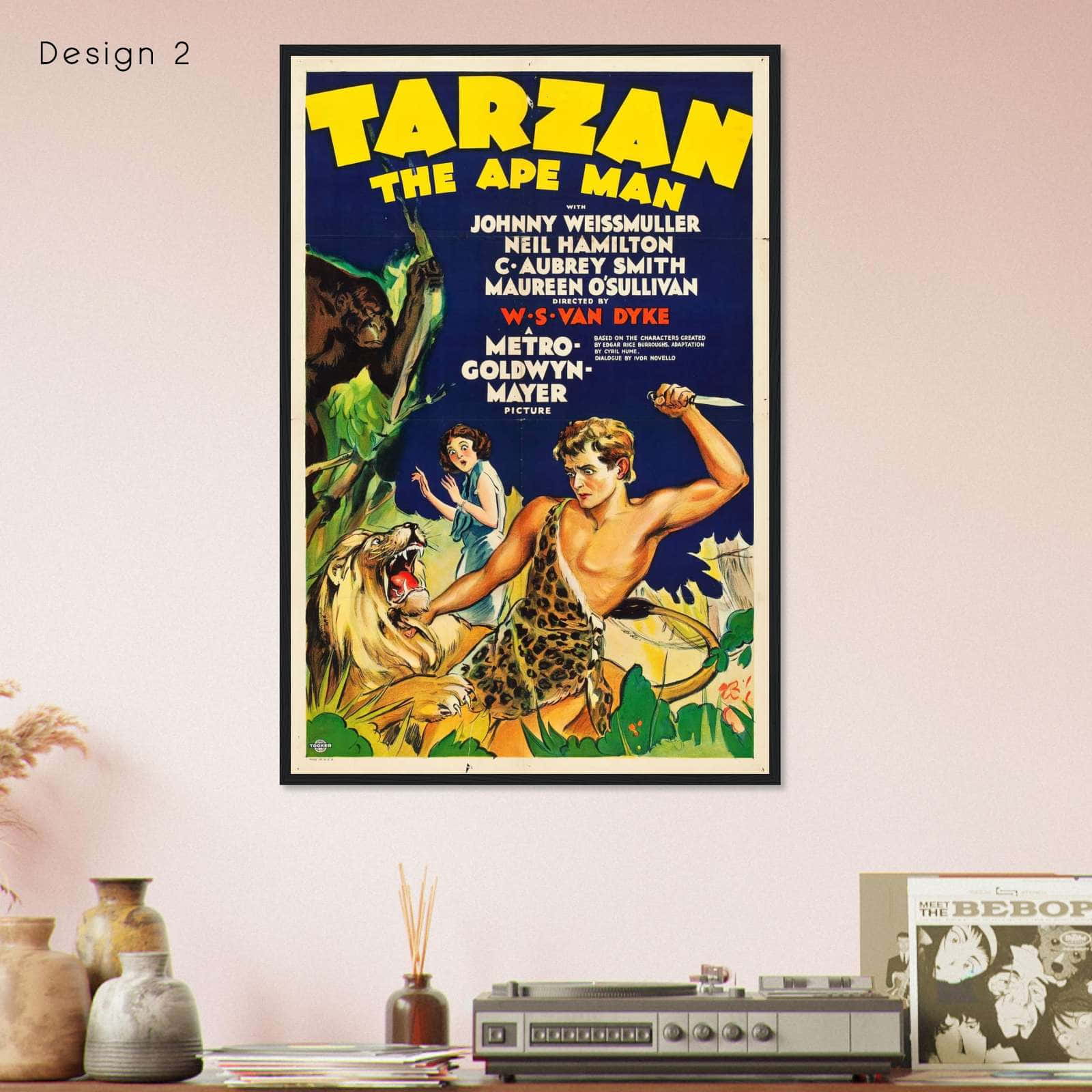
Released on March 25, 1932, Tarzan the Ape Man is the foundational sound-era film adaptation of Edgar Rice Burroughs' legendary character. Directed by W.S. Van Dyke and starring Olympic swimmer Johnny Weissmuller, it redefined the jungle adventure genre, introduced the iconic Tarzan yell, and established the definitive screen image of the character for decades.
Contents
The film serves as a pivotal moment in cinema history, marking the transition of the Tarzan franchise from the silent era to the "talkies." As of 2026, it remains a subject of intense study for film historians and enthusiasts of the Golden Age of Hollywood. It was not merely a commercial success in its time but a cultural phenomenon that launched a twelve-film series starring Weissmuller and cemented Metro-Goldwyn-Mayer (MGM) as a powerhouse in the adventure epic market.
The Genesis of the Project: Bringing the Jungle to Life
By the early 1930s, the film industry was fully immersed in the sound revolution. While Tarzan had appeared in numerous silent films starting with Tarzan of the Apes (1918), MGM saw an opportunity to utilize high-fidelity sound and sophisticated production values to create a more immersive experience. The project was conceived following the success of MGM’s Trader Horn (1931), which had also been directed by W.S. Van Dyke.
Van Dyke, nicknamed "One-Take Woody" for his efficiency, was the natural choice to helm the production. The studio sought to capitalize on the public’s fascination with "darkest Africa," a trope common in the literature and cinema of the era. However, rather than filming entirely on location, MGM utilized a combination of stock footage from Trader Horn, backlot sets in Culver City, and location shooting at Lake Sherwood and the Los Angeles County Arboretum and Botanic Garden. This hybrid approach allowed for a sense of scale while maintaining control over the technical demands of early sound recording equipment.
Johnny Weissmuller: The Casting of an Icon
The search for the lead role was exhaustive. MGM needed someone who possessed an extraordinary physique but could also project a sense of "noble savagery" and innocence. Johnny Weissmuller, a five-time Olympic gold medalist in swimming, was eventually selected. At the time, Weissmuller was a household name for his athletic prowess, but he had virtually no acting experience.
Weissmuller’s contract with MGM was unique. To ensure his image remained synonymous with the role, the studio carefully managed his public appearances. His portrayal of Tarzan differed significantly from the character in Burroughs' novels. While Burroughs’ Tarzan was an articulate, multilingual English lord who had taught himself to read, the 1932 film introduced the "pidgin English" version of the character. This choice was deliberate, emphasizing the primal, elemental nature of a man raised by apes, a decision that would influence almost every subsequent adaptation.
Maureen O'Sullivan and the Evolution of Jane Parker
Opposite Weissmuller was Maureen O'Sullivan, an Irish actress who played Jane Parker. In the 1932 film, Jane is not yet the refined "Jane Clayton" of the novels but a modern, adventurous woman accompanying her father on an expedition to find the fabled "Elephants' Graveyard."
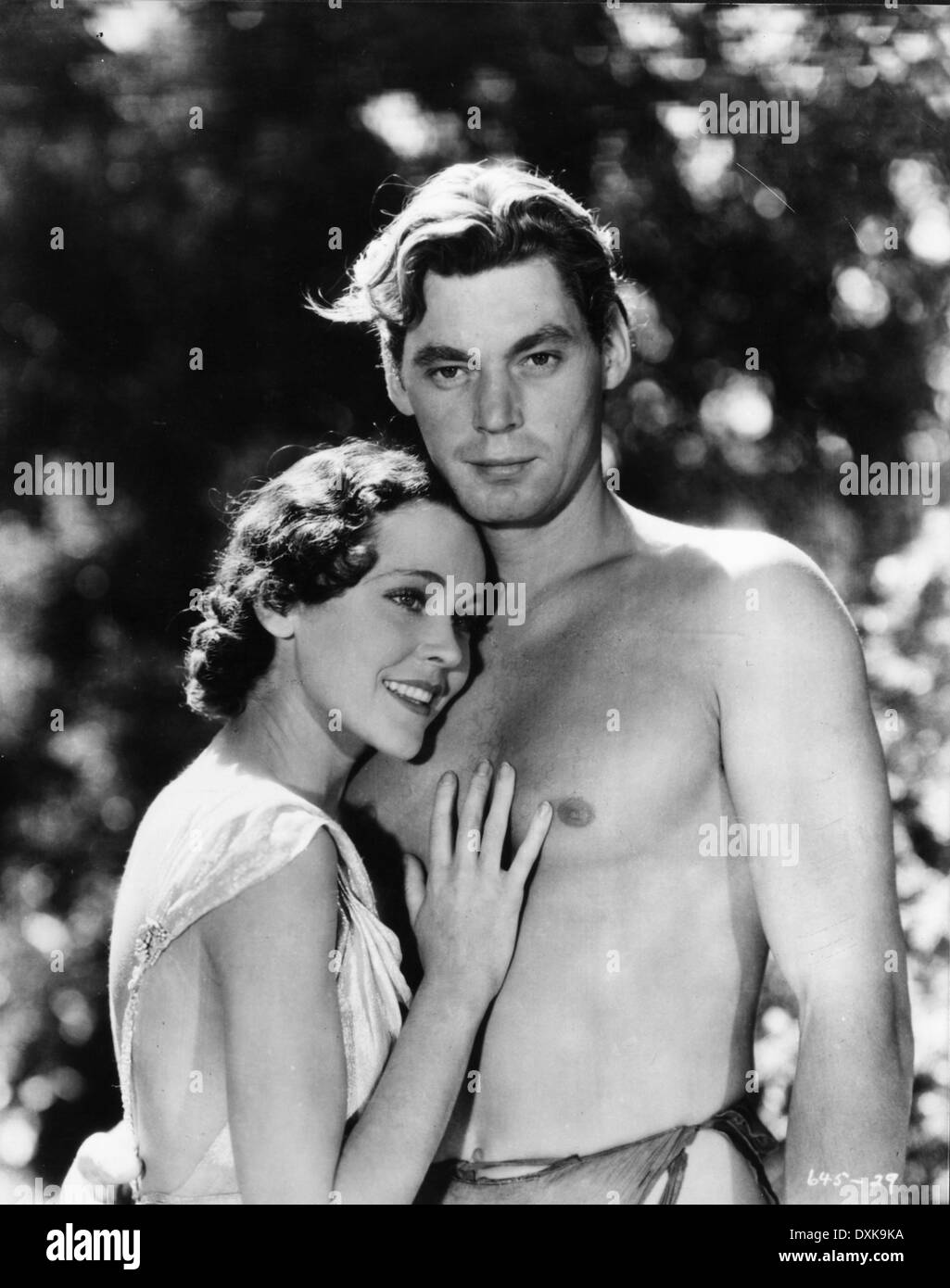
O'Sullivan’s performance was critical to the film’s success. She provided the emotional core of the story, serving as the bridge between the audience's civilized world and Tarzan’s wild domain. Her chemistry with Weissmuller was immediate and palpable, contributing to the film's reputation for having a surprisingly sensual undertone. In the era before the strict enforcement of the Motion Picture Production Code (Hays Code) in 1934, the relationship between Tarzan and Jane was depicted with a frankness that would later be censored in the film’s sequels and re-releases.
Production Specifications and Technical Innovations
The production of Tarzan the Ape Man was a masterclass in early 1930s studio craftsmanship. The film’s budget was substantial for the time, allowing for elaborate jungle sets that utilized thousands of live plants and exotic animals imported specifically for the production.
| Feature | Specification / Detail |
|---|---|
| Director | W. S. Van Dyke |
| Screenplay | Cyril Hume (Dialogue), Ivor Novello (Adaptation) |
| Cinematography | Harold Rosson, Clyde De Vinna |
| Running Time | Approx. 100 minutes (original release) |
| Studio | Metro-Goldwyn-Mayer (MGM) |
| Key Animal Star | Cheeta the Chimpanzee (introduced in this film) |
| The "Yell" Composition | Multi-track layering of Weissmuller’s voice with animal sounds |
One of the most enduring contributions of the film is the Tarzan Yell. While there is much debate over its technical origin, it is widely accepted that the sound was a composite created in the MGM sound department. It likely blended Weissmuller's own vocalization with a recording of a hyena played backward, a camel's bleat, and perhaps even a soprano's high note. This auditory trademark became so synonymous with the character that Weissmuller reportedly learned to mimic the artificial sound for live appearances.
Narrative Structure and Thematic Depth
The plot follows James Parker (C. Aubrey Smith) and Harry Holt (Neil Hamilton) as they trek into the deep jungle in search of the ivory-rich Elephants' Graveyard. Jane, Parker’s daughter, insists on joining them. Their journey is fraught with peril, including attacks by hostile tribes and treacherous terrain.
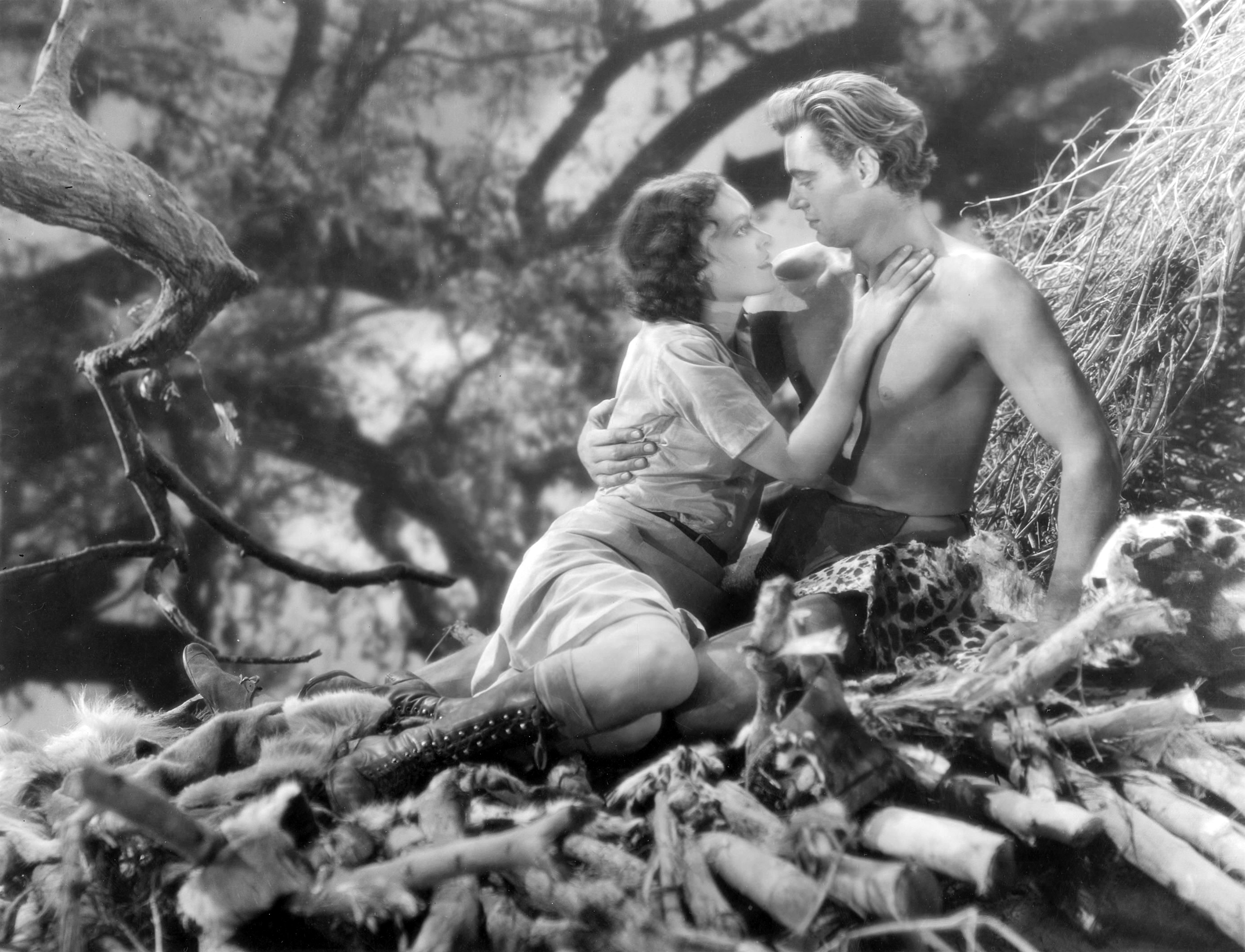
When Tarzan abducts Jane, the film shifts focus to their developing bond. This segment of the film is where the "Me Tarzan, You Jane" misquotation originated; in reality, the scene involves a rhythmic exchange of names as they attempt to communicate. The film explores themes of nature versus nurture, the corruption of civilization (represented by the ivory hunters), and the purity of the natural world.
The climax involves Tarzan rescuing the expedition from a tribe of "dwarf" warriors, leading to the discovery of the Elephants' Graveyard. The resolution, where Jane chooses to stay with Tarzan rather than return to London, was a bold narrative choice that resonated with audiences seeking escapism during the height of the Great Depression.
The Pre-Code Era and Censorship
It is important to view Tarzan the Ape Man through the lens of the Pre-Code era. In 1932, Hollywood films were not yet subject to the rigid moralistic oversight of the Hays Office. Consequently, the film contains scenes that would be considered daring for the time. Jane’s costume was quite revealing, and there is a notable scene where Tarzan watches Jane swim, emphasizing a primal, romantic attraction that was far more sophisticated than a simple "damsel in distress" dynamic.
When the film was re-issued in later years, several of these scenes were trimmed or removed to comply with the stricter censorship standards that took hold by 1934. Modern restorations in the 21st century and through 2026 have worked to preserve these original sequences, allowing today's viewers to see the film as it was originally intended.
Impact on the Franchise and Popular Culture
The success of the 1932 film led to an immediate sequel, Tarzan and His Mate (1934), which is often cited by critics as even better than the original. Weissmuller would go on to play the role in five more films for MGM and six more for RKO Pictures.
Beyond the sequels, Tarzan the Ape Man established tropes that would persist in adventure cinema for a century:
- The Noble Savage: The archetype of the man untouched by the "vices" of civilization.
- The Lost World: The concept of hidden, mythical locations within the real world.
- Animal Sidekicks: The introduction of Cheeta (who did not appear in the original books) established the standard for animal companions in family films.
In 2026, the film is recognized as a culturally significant work. The Library of Congress and various film preservation societies have highlighted its technical achievements in sound editing and its role in defining the "Summer Blockbuster" template long before the term existed.
Frequently Asked Questions
Does Tarzan actually say "Me Tarzan, You Jane" in the 1932 film?
No. This is one of the most famous misquotations in cinema history. In the actual scene, Tarzan and Jane point to themselves and each other, repeating "Tarzan" and "Jane" to establish their names. The specific line "Me Tarzan, You Jane" was never spoken in the 1932 movie or any of the Weissmuller sequels, though it became a staple of parodies and pop culture references.
Was the film actually shot in Africa?
While the film uses significant amounts of stock footage of African wildlife and landscapes (originally filmed for Trader Horn), the principal cast never left California. Most of the jungle scenes were filmed on MGM's Lot 1 in Culver City and on location at Lake Sherwood, California. The "African" river scenes were largely shot on the Truckee River in California and the Silver Springs in Florida.
How did they create the famous Tarzan yell?
The yell was a sophisticated audio creation. While Johnny Weissmuller claimed he could do it himself, the version heard in the 1932 film was a studio-engineered composite. It involved layering recordings of a human voice, a dog's growl, a hyena's howl, and a G-string note on a violin. This created a sound that was both human and otherworldly.
Is the 1932 film faithful to the original Edgar Rice Burroughs book?
Only loosely. Burroughs' Tarzan was a highly intelligent man who could speak several languages and eventually took his place in the British aristocracy as Lord Greystoke. The 1932 film transformed him into a more primitive character who struggled with language. Burroughs was reportedly unhappy with this "articulate-lite" version of his character, although the film’s massive success significantly increased the popularity of his books.
Why is the 1932 version considered better than later remakes?
Film historians generally prefer the 1932 version and its 1934 sequel because of their high production values, the genuine chemistry between Weissmuller and O'Sullivan, and the "Pre-Code" freedom that allowed for a more adult, adventurous tone. Later versions often became more focused on children's entertainment or suffered from lower budgets.
Recommendations for Viewers and Historians
For those looking to experience Tarzan the Ape Man in 2026, it is highly recommended to seek out the restored high-definition editions. These versions have corrected the graininess of the stock footage and restored the audio tracks to highlight the groundbreaking sound design of the early 1930s.
When watching the film, viewers should pay close attention to the cinematography of Harold Rosson. His use of light and shadow in the jungle sequences created a sense of depth that was revolutionary for the time. Furthermore, comparing this film to its 1934 sequel, Tarzan and His Mate, provides an excellent study of how quickly Hollywood's technical and narrative capabilities evolved during the first decade of sound cinema.
Image Gallery