Understanding 21st Century Life Funeral and Insurance: A Comprehensive Guide
21st Century Life funeral and insurance refers to final expense life insurance policies designed to cover the immediate costs associated with a person’s death, such as funeral services, burial, or cremation. These policies, often issue...
21st Century Life funeral and insurance refers to final expense life insurance policies designed to cover the immediate costs associated with a person’s death, such as funeral services, burial, or cremation. These policies, often issued as simplified or guaranteed whole life insurance, provide a tax-free lump sum to beneficiaries, ensuring that end-of-life financial burdens do not fall on surviving family members.
Contents
Funeral insurance, often marketed under the umbrella of "final expense" or "burial insurance," remains a critical component of financial planning in 2026. As the costs of funeral services continue to rise, many individuals seek specialized products from providers like 21st Century Life to lock in coverage that is both affordable and easy to qualify for. Unlike traditional term life insurance, which may expire before an individual passes away, 21st Century Life policies are typically permanent, meaning they remain in force as long as premiums are paid.
The Role of Final Expense Insurance in 2026
In 2026, the average cost of a traditional funeral, including a casket and vault, ranges between $10,000 and $13,000, depending on the region and specific services selected. When adding items such as cemetery plots, headstones, and administrative fees, the total can easily exceed $15,000. For families without immediate access to liquid cash, these expenses can create a significant financial crisis during an already difficult time.
21st Century Life funeral insurance is structured specifically to address these "final expenses." While the death benefit is technically a cash payment that beneficiaries can use for any purpose, the primary intent is to provide a safety net for:
- Mortuary and Funeral Home Fees: Including professional services, preparation of the body, and use of facilities.
- Casket or Urn Costs: Which vary widely based on material and design.
- Cemetery and Burial Expenses: Including the plot, opening and closing of the grave, and the grave liner.
- Outstanding Debts: Small medical bills or legal fees incurred just prior to death.
- Travel Expenses: Enabling distant family members to attend the service.
Core Features of 21st Century Life Policies
Understanding the technical structure of these policies is essential for choosing the right coverage. 21st Century Life products are generally categorized as Whole Life Insurance, which offers three primary guarantees: fixed premiums, a fixed death benefit, and the accumulation of cash value.
Fixed Premiums
Once a policy is issued, the premium rate is locked in for the life of the insured. In 2026, this is a vital feature for seniors on fixed incomes, as it protects them from the inflationary pressure seen in other sectors of the economy. Even if the insured individual's health declines later in life, the insurance provider cannot increase the monthly cost.
Cash Value Accumulation
Because these are permanent policies, a small portion of each premium payment is diverted into a cash value account. Over several years, this account grows tax-deferred. In some cases, the policyholder may be able to borrow against this cash value or use it to pay premiums if they face temporary financial hardship, though this may reduce the final death benefit.
Simplified Underwriting
One of the most attractive features of 21st Century Life funeral insurance is the simplified underwriting process. Most applicants are not required to undergo a physical medical examination. Instead, eligibility is determined through a series of health questions on the application and a review of prescription drug history.
Eligibility and Enrollment Prerequisites
The 2026 guidelines for 21st Century Life policies emphasize accessibility for older adults, typically ranging from ages 50 to 85. The enrollment process is designed to be streamlined, focusing on the individual's current health status rather than a lifetime of medical records.
Age Requirements
Most final expense products are tailored for the "senior" market. While some providers offer coverage starting at age 45, the bulk of the enrollment occurs between ages 60 and 80. The age at the time of application will significantly influence the premium rate, as younger applicants represent a lower immediate risk to the insurer.
Health Classifications
When applying for 21st Century Life funeral insurance, applicants generally fall into one of three categories:
- Level Benefit: For those in relatively good health. The full death benefit is available from the first day the policy is active.
- Graded Benefit: For those with moderate health issues (such as controlled diabetes or minor heart conditions). If death occurs within the first two or three years, the beneficiary may receive a percentage of the death benefit or a return of premiums plus interest.
- Modified or Guaranteed Issue: For those with serious health concerns. These policies almost always have a "waiting period" (usually two years) before the full death benefit is payable for natural causes.
Documentation Needed
To apply in 2026, individuals typically need to provide:
- Social Security Number or legal residency documentation.
- A list of current medications.
- Contact information for primary care physicians.
- Banking information for automated premium payments (often required for the lowest rates).
Comparing Coverage Options
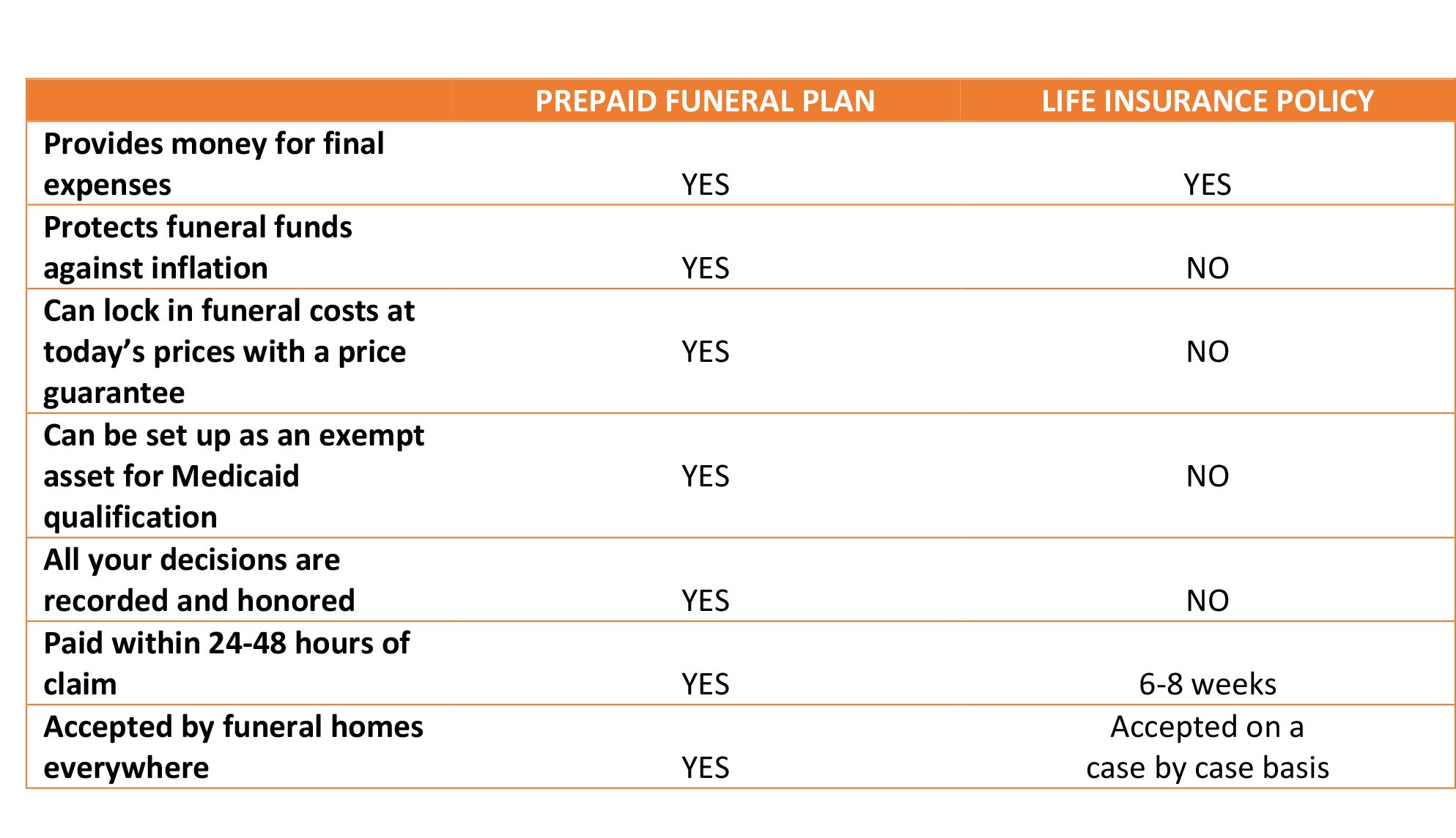
Choosing between 21st Century Life products and other forms of insurance requires a side-by-side analysis of how the benefits are paid and how the policies are maintained.
| Feature | 21st Century Life Funeral Insurance | Traditional Term Life | Pre-Paid Funeral Contract |
|---|---|---|---|
| Duration | Permanent (Whole Life) | Temporary (10-30 years) | Specific to one funeral home |
| Medical Exam | Not required (usually) | Often required | Not required |
| Benefit Amount | $2,000 – $25,000 | $100,000 – $1M+ | Services only |
| Cash Value | Yes, builds over time | No | No |
| Portability | Full (valid anywhere) | Full | Often non-transferable |
| Premium Status | Fixed for life | Increases after term | Usually paid upfront |
The Claims Process and Beneficiary Payouts
In 2026, the efficiency of the claims process is a primary metric for evaluating insurance providers. For 21st Century Life, the goal is to provide funds to the beneficiary within days of the insured’s passing, rather than the weeks or months often associated with larger estate settlements or standard life insurance claims.
Steps to Filing a Claim
- Notification: The beneficiary or funeral director contacts the insurance company to report the death.
- Submission of Death Certificate: A certified copy of the death certificate is required. In 2026, many jurisdictions allow for digital verification through the National Association of Insurance Commissioners (NAIC) or state-specific electronic registries.
- Claim Form Completion: The beneficiary completes a simple claim form indicating how they wish to receive the funds (e.g., direct deposit or check).
- Verification: The company verifies that the policy was in force and that the cause of death does not trigger any specific exclusions (such as suicide within the first two years of the policy).
- Disbursement: Once approved, the funds are released. Many funeral homes will accept an "assignment of benefits," where the insurance company pays the funeral home directly for the services rendered, with any remaining balance going to the beneficiary.
Managing Legacy Policies and 2026 Compliance
As the insurance landscape evolves, some policies originally branded under "21st Century" or associated entities may be managed by larger parent organizations like Farmers Insurance or specialized third-party administrators. Policyholders in 2026 should regularly verify the current administrative office for their coverage.
Policy Reviews
It is recommended that policyholders review their coverage every three years. Changes in funeral costs due to inflation or changes in personal family structures (such as the death of a named beneficiary) necessitate updates to the policy records.
Avoiding Common Pitfalls
One of the most common mistakes is allowing a policy to lapse due to a change in banking information. Because funeral insurance is often purchased later in life, ensuring that the "Automatic Premium Loan" feature is active can prevent a policy from cancelling if a single payment is missed. Another pitfall is failing to inform the beneficiary about the existence of the policy. In the United States, billions of dollars in life insurance benefits go unclaimed because heirs are unaware that coverage exists.
Professional Advice Limitation
This information is provided for educational purposes and does not constitute legal, financial, or tax advice. Insurance regulations vary significantly by jurisdiction. Individuals should consult with a licensed insurance agent or financial advisor to discuss their specific needs and the laws applicable in their state or country.
Frequently Asked Questions
Can I get 21st Century Life funeral insurance if I have a pre-existing condition?
Yes, most policies are designed specifically for individuals with health issues. Depending on the severity of the condition, you may qualify for a "Guaranteed Issue" policy, which asks no health questions but includes a graded death benefit for the first two years.
How much coverage do I actually need in 2026?
Most experts recommend a benefit between $10,000 and $15,000 for a standard burial. If you prefer cremation, $5,000 to $7,000 may be sufficient. It is important to account for current inflation rates when selecting your benefit amount.
Will the premiums increase as I get older?
No. 21st Century Life funeral insurance policies are typically "level premium" whole life products. Your rate is based on your age at the time of application and will stay the same for as long as you keep the policy.
What happens if I move to another state?
The policy is fully portable. Because it is a cash-benefit life insurance policy rather than a contract with a specific funeral home, the death benefit can be used at any funeral home in the country.
Is the death benefit taxable for my children?
Under current 2026 tax laws in most jurisdictions, life insurance death benefits are generally paid to beneficiaries tax-free. However, if the benefit is paid to your estate rather than a named individual, it may be subject to estate taxes depending on the total value of your assets.
Practical Recommendation
If you are considering 21st Century Life funeral and insurance, your first step should be to request a current rate quote based on your exact age. Once you have a quote, compare the total premiums you will likely pay over the next 15 years against the total death benefit. If you are in relatively good health, always opt for a "Simplified Issue" policy over a "Guaranteed Issue" policy, as the former will provide immediate full coverage and lower monthly costs. Finally, ensure your beneficiaries know where the policy documents are stored or provide them with the policy number and the insurance company’s claims department phone number.
Image Gallery