Understanding the LG Inverter Compressor: Technology, Efficiency, and Performance
The LG Inverter Compressor is a sophisticated cooling mechanism that uses variable-speed technology to adjust its motor output based on the refrigerator’s internal temperature. Unlike traditional compressors that only operate at full p...
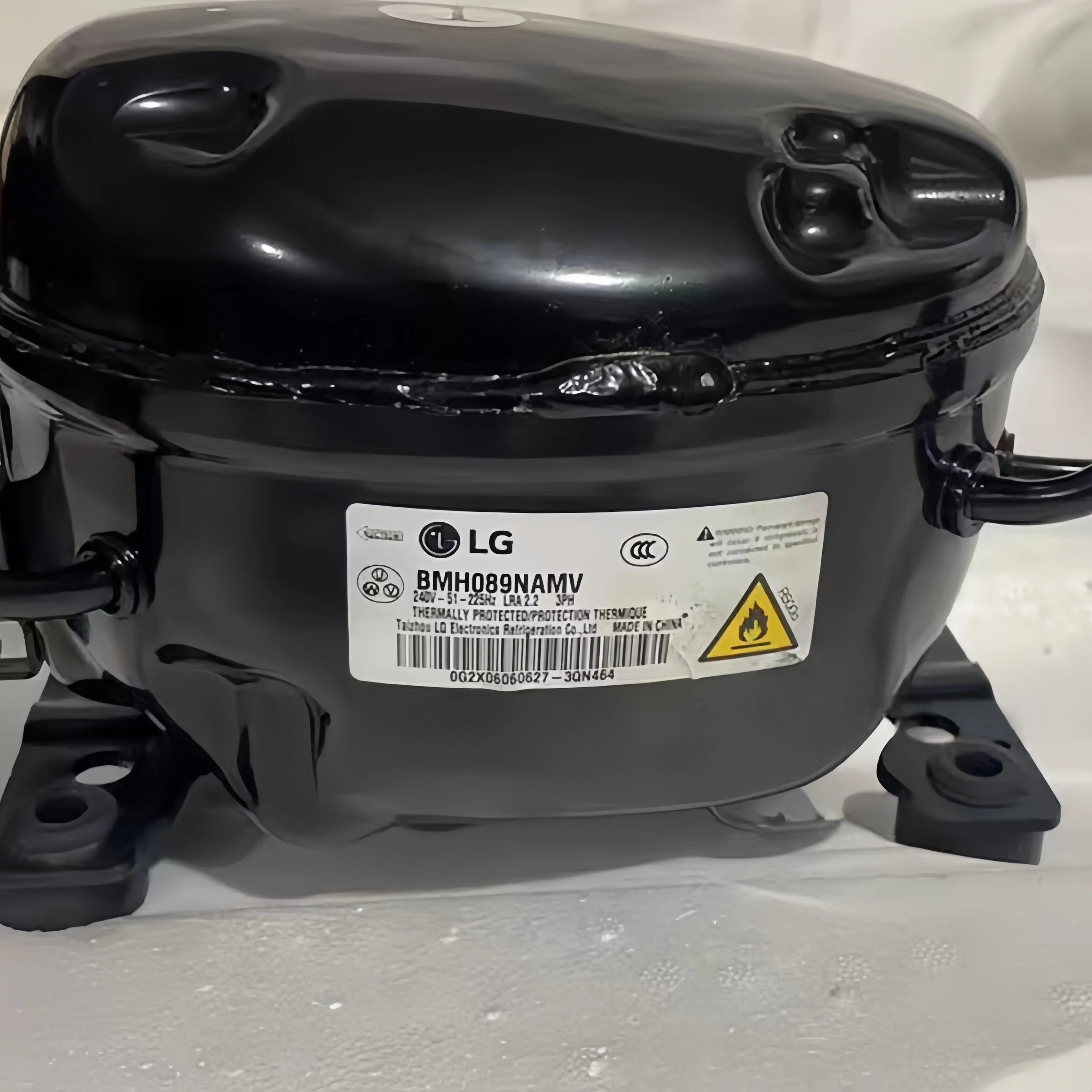
The LG Inverter Compressor is a sophisticated cooling mechanism that uses variable-speed technology to adjust its motor output based on the refrigerator’s internal temperature. Unlike traditional compressors that only operate at full power or remain off, the inverter system runs continuously at varying speeds to maintain precise thermal stability and maximize energy efficiency.
Contents
The refrigerator compressor has often been called the "heart" of the appliance. In the context of LG’s engineering, this heart has undergone a massive evolution. As of 2026, the technology has reached a point where it is no longer just about keeping food cold; it is about micro-adjustments, acoustic management, and long-term mechanical reliability. To truly understand the LG inverter compressor, one must look past the marketing stickers and examine the mechanical physics, the electronic control systems, and the practical benefits it brings to a modern kitchen.
The Evolution of Compressor Technology
To understand why the LG inverter compressor is significant, we must first look at what it replaced. For decades, the industry standard was the "Reciprocating Compressor." This device worked like a car engine's piston, moving back and forth to compress refrigerant gas. However, it had one major flaw: it was binary. It was either 100% on or 100% off.
When the temperature inside a traditional refrigerator rose, the compressor would kick on with a loud "thump" and run at maximum speed until the target temperature was reached, then shut down entirely. This cycle resulted in significant temperature fluctuations and high energy consumption during the startup phase.
LG’s transition to inverter technology—and specifically their proprietary Linear Inverter design—changed the mechanical motion itself. Instead of a circular motion rotating a crankshaft to move a piston, the Linear Compressor uses an electromagnetic drive to push the piston in a straight line. This fundamental change in physics is the cornerstone of LG’s modern refrigeration performance.
How the LG Inverter Linear Compressor Works
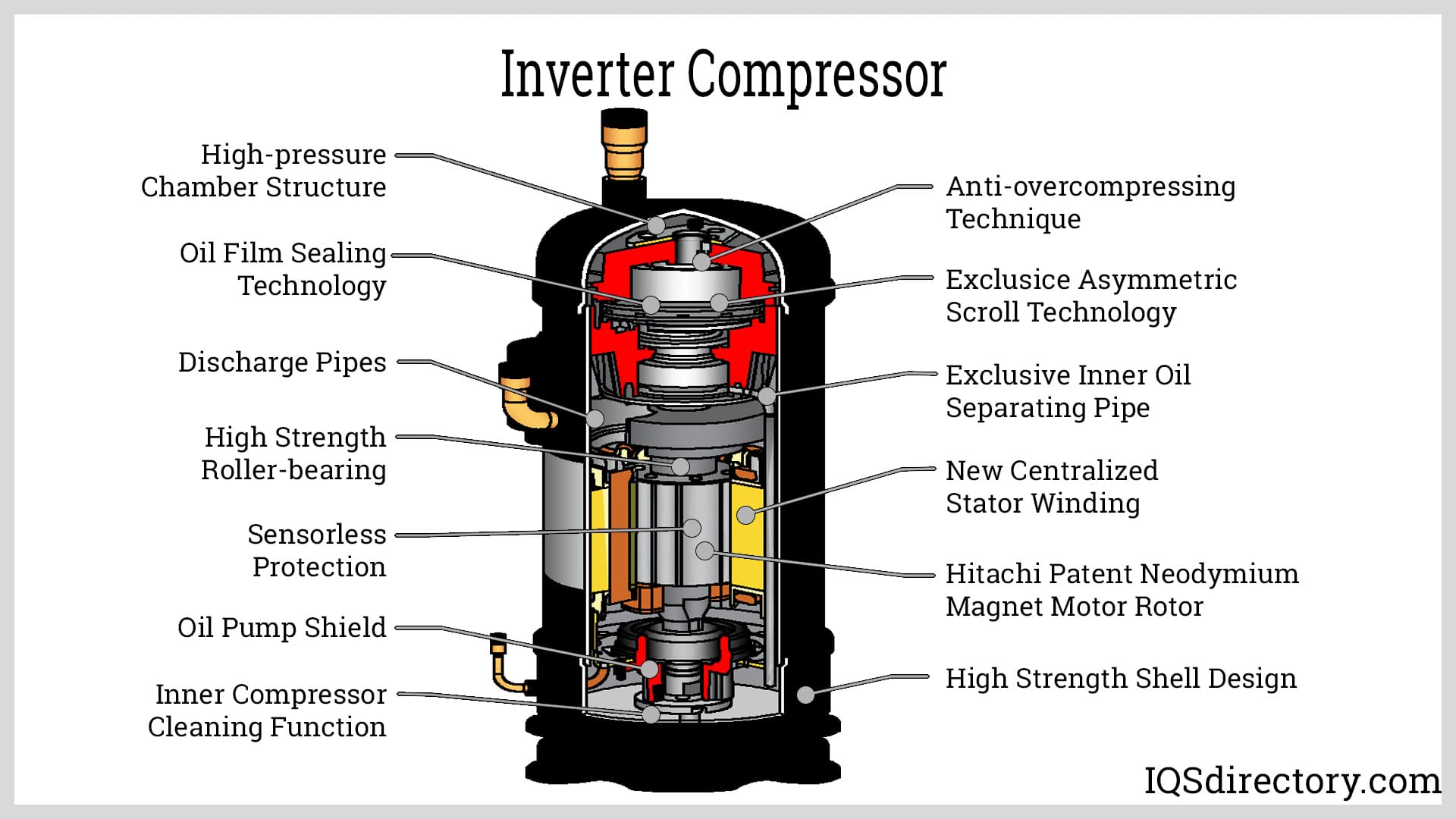
The magic of the LG Inverter Compressor lies in its ability to modulate its frequency. In technical terms, the "Inverter" refers to the electronic component that converts the incoming AC (alternating current) from your wall outlet into DC (direct current), and then back into AC at a variable frequency.
The Linear Drive Mechanism
While most inverter compressors use a brushless DC motor to rotate a crank, LG’s Inverter Linear Compressor utilizes a direct-drive piston. Because the piston is driven directly by an electromagnetic field, there are fewer mechanical connection points.
- Fewer Friction Points: A standard compressor typically has four friction points where parts rub together. The LG Linear design reduces this to a single friction point.
- Energy Conversion: By eliminating the rotary-to-linear conversion (the crankshaft), the motor loses less energy to heat and mechanical resistance.
- Variable Stroke: The control board can adjust the length of the piston's stroke. On a hot summer day, the stroke is long and fast; during a quiet night, the stroke is short and slow, using minimal power.
Software and Sensors
The compressor does not work in isolation. In 2026 models, LG integrates a suite of sensors that monitor ambient room temperature, humidity, and how often the doors are opened. This data is fed into a microprocessor that tells the inverter exactly what RPM (revolutions per minute) or stroke frequency is required. This "Smart" logic ensures that the compressor isn't working harder than it needs to, which is the primary driver behind LG’s high energy efficiency ratings.
Comparing Compressor Technologies
When shopping for or repairing an LG refrigerator, it is helpful to see how these technologies stack up against one another. The following table highlights the differences between traditional compressors, standard inverter compressors, and the LG Inverter Linear model.
| Feature | Standard Reciprocating | Standard Inverter | LG Inverter Linear |
|---|---|---|---|
| Operation Mode | On/Off (Fixed Speed) | Variable Speed (Rotary) | Variable Speed (Linear) |
| Friction Points | 4 or more | 4 | 1 |
| Energy Efficiency | Low | High | Very High |
| Noise Level | High (50+ dB) | Low (38-42 dB) | Ultra-Low (35-39 dB) |
| Temperature Stability | Poor (+/- 2.0°C) | Good (+/- 0.5°C) | Excellent (+/- 0.5°C) |
| Mechanical Wear | High | Medium | Low |
Key Benefits for the Homeowner
Understanding the technical specs is one thing, but how does this technology translate into daily use? The LG inverter compressor offers four primary advantages that impact both the wallet and the quality of food storage.
1. Superior Energy Efficiency
Because the compressor avoids the energy "spike" required to start a motor from a dead stop multiple times a day, it consumes significantly less power. In many jurisdictions, refrigerators equipped with these compressors are the only ones capable of meeting the strictest Energy Star or equivalent environmental standards in 2026. Over a 10-year period, the energy savings can often offset a portion of the refrigerator's initial purchase price.
2. Food Preservation and Freshness
Temperature swings are the enemy of fresh produce. When a compressor shuts off and allows the temperature to rise by two degrees before kicking back on, it accelerates the wilting of vegetables and the growth of bacteria. The LG Inverter Compressor maintains a nearly flat temperature line. By providing a constant, gentle flow of cold air, it keeps "Linear Cooling" active, extending the shelf life of perishables like strawberries, leafy greens, and meat.
3. Noise Reduction
In modern open-concept homes, a loud refrigerator is a major nuisance. Traditional compressors emit a high-pitched hum and a vibrating "clunk" when they stop. The LG Inverter Linear Compressor starts and stops gradually. Most of the time, it runs at a low-frequency hum that is lower than the ambient noise of a quiet library (approximately 38 decibels).
4. Durability and Warranty
Mechanically, fewer moving parts mean fewer things can break. LG is so confident in the Linear Inverter design that they have historically offered a 10-year warranty on the compressor part itself. Some high-end models in 2026 have even seen certifications for 20-year durability from independent testing bodies like VDE (Verband der Elektrotechnik).
Common Troubleshooting and Maintenance
While the LG Inverter Compressor is designed for longevity, it is not immune to issues. Understanding the signs of a struggling compressor can save homeowners from expensive food loss.
Identifying Compressor Issues
If the refrigerator is not cooling, the first instinct is to blame the compressor. However, because these are inverter-driven, the fault is often in the Inverter Linear Power Board rather than the mechanical pump itself.
- The "Clicking" Sound: If you hear a repeated clicking sound every few minutes, the compressor may be trying to start but failing due to a faulty start relay or a locked rotor.
- Constant High Speed: If the compressor runs at a high, loud pitch for hours without stopping, there may be a leak in the refrigerant gas or the condenser coils may be clogged.
- Vibration: Excessive vibration usually indicates that one of the internal springs or mounting bolts has loosened, though this is rare in the linear design.
Maintenance Tips for 2026
To ensure the compressor lasts its full 20-year rated lifespan, maintenance is essential.
- Clean the Condenser Coils: Dust and pet hair act as insulation on the coils, forcing the compressor to run hotter and faster to reject heat. Cleaning these every six months is the single best way to protect the inverter.
- Voltage Protection: Inverter boards are sensitive to power surges. Using a dedicated appliance surge protector can prevent the delicate electronics of the compressor controller from being fried during a lightning storm or grid fluctuation.
- Airflow Management: Ensure there is at least an inch of clearance around the sides and back of the unit so the compressor can breathe.
The Future of LG Cooling: AI Integration
In 2026, LG has further refined the inverter compressor through AI-driven energy management. The compressor now learns the household's "usage patterns." For example, if the system knows the family usually opens the fridge for dinner prep at 6:00 PM, it will pre-cool the cabinet slightly at 5:45 PM using an efficient low-speed run, rather than reacting with a high-power burst once the door is actually opened. This proactive cooling is only possible because the inverter compressor can be precisely controlled via software.
FAQs
Is an LG Inverter Compressor better than a standard one?
Yes, in terms of energy efficiency and noise. An inverter compressor can reduce energy consumption by up to 32% compared to a conventional compressor. It also maintains a more stable temperature, which keeps food fresh for longer periods.
Why is my LG Inverter Compressor making a high-pitched noise?
While these units are generally quiet, they operate at different frequencies. A high-pitched hum usually indicates the compressor is running at maximum speed to pull down the temperature after the door has been left open or after a large grocery load. If the noise persists for days, contact a technician to check the refrigerant levels.
How long does an LG Inverter Compressor last?
LG tests their Inverter Linear Compressors for a lifespan of approximately 20 years. Most units come with a 10-year parts warranty, though the actual lifespan depends heavily on whether the condenser coils are kept clean and the unit has proper ventilation.
Can I replace an LG Inverter Compressor myself?
No. Replacing a compressor involves "sweating" (brazing) copper lines and handling refrigerant gases like R600a, which is flammable. By law in most regions, this repair must be performed by a licensed technician with the proper recovery equipment and certifications.
Does the LG Inverter Compressor use a different type of gas?
Most modern LG units use R600a (Isobutane), which is an eco-friendly refrigerant with low global warming potential. The Inverter Compressor is specifically calibrated to the pressure requirements of this gas to maximize cooling efficiency.
Final Recommendation
When selecting a refrigerator or diagnosing a cooling issue, the LG Inverter Compressor represents the pinnacle of modern appliance engineering. Its move away from complex rotary parts to a simplified linear motion provides tangible benefits in electricity savings and food preservation. To maximize your investment, prioritize models with the "Linear Inverter" branding and commit to a twice-yearly cleaning of the condenser coils. If you encounter cooling issues, always have a technician verify the inverter control board before assuming the compressor itself has failed, as the electronics are often the culprit in an otherwise robust mechanical system.
Image Gallery