How Instructional Design Graduate Programs Work: A Comprehensive Guide
Instructional design graduate programs are structured academic paths that train students to develop effective, engaging, and data-driven learning experiences for various industries. These programs combine educational psychology, instru...
Instructional design graduate programs are structured academic paths that train students to develop effective, engaging, and data-driven learning experiences for various industries. These programs combine educational psychology, instructional technology, and design methodology to prepare professionals who can bridge the gap between complex information and learner mastery.
Contents
Instructional design (ID) has evolved from a niche specialty within education departments into a critical driver of corporate training, healthcare education, government onboarding, and higher education. As of 2026, the demand for these specialists remains high, as organizations prioritize digital transformation and personalized learning. Understanding how these graduate programs work requires looking at their curriculum, the specific degree types available, and the practical skills students are expected to master before entering the workforce.
The Core Framework of Graduate ID Education
At its foundation, a graduate program in instructional design is not merely about learning how to use software. Instead, it focuses on the science of how people learn. Programs are built around several pillars: theoretical frameworks, design processes, and technological application.
Theoretical Foundations
Students begin by examining cognitive load theory, behaviorism, cognitivism, and constructivism. Understanding these theories allows a designer to determine why a particular instructional strategy might fail or succeed. For example, a student might analyze how the Dual Coding Theory—which suggests that humans process verbal and visual information through different channels—can be applied to minimize cognitive overwhelm in an online course.
Design Models and Methodologies
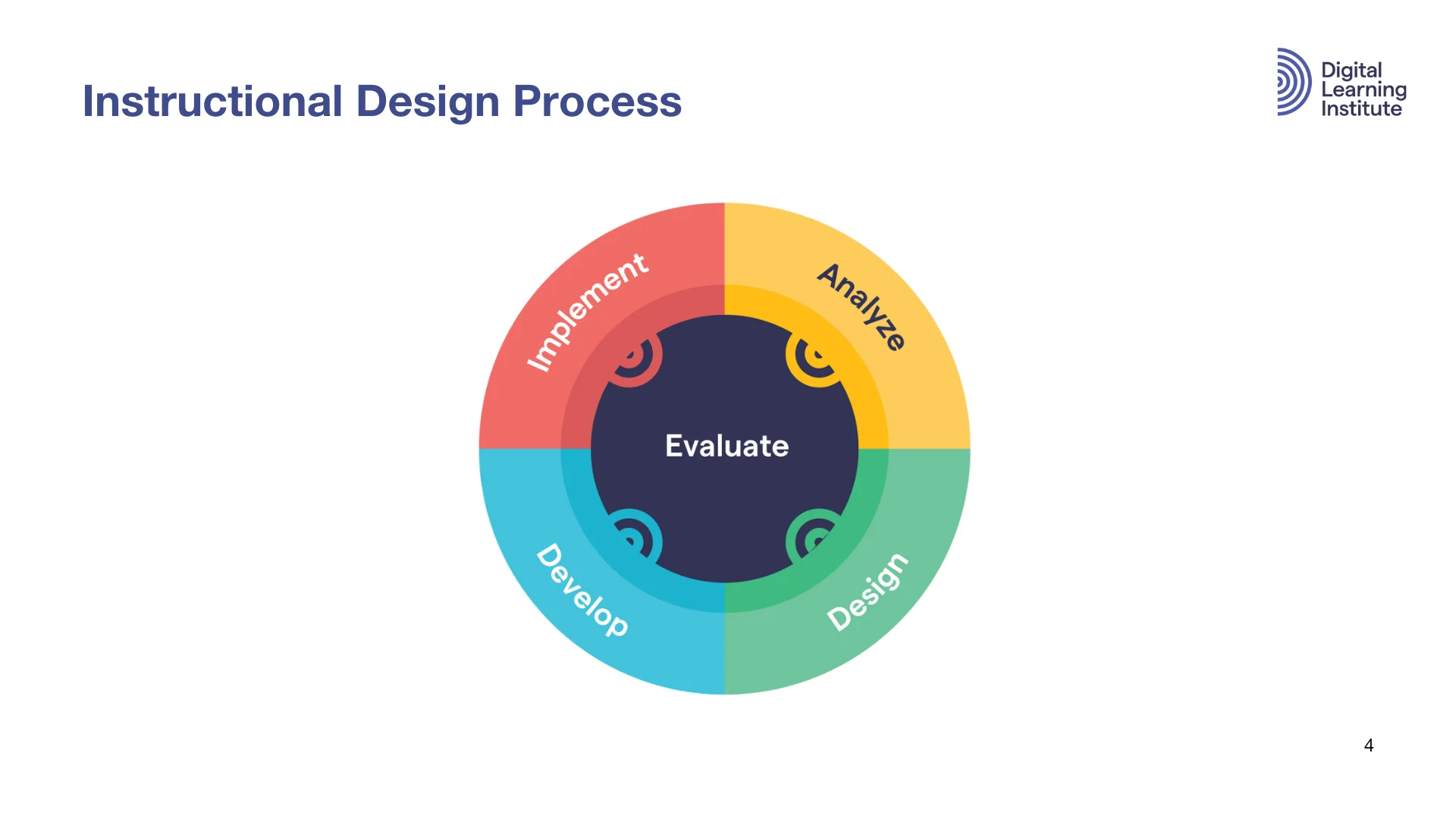
Instructional design programs emphasize systematic processes for creating content. The most common framework taught is the ADDIE model (Analysis, Design, Development, Implementation, and Evaluation). While ADDIE remains a staple, modern programs in 2026 also focus on "Agile" methodologies and the SAM (Successive Approximation Model), which favors rapid prototyping over linear development. Students learn to conduct thorough "Needs Analyses" to ensure that the instruction they build actually solves a specific performance problem.
Navigating Degree Types and Specializations
Prospective students often find themselves choosing between several different degree designations. While the core content overlaps, the "flavor" of the degree can dictate your future career path.
Master of Science (M.S.) vs. Master of Education (M.Ed.)
The Master of Science in Instructional Design often leans toward the technical and quantitative. These programs frequently emphasize research methods, data analytics, and the technical development of e-learning tools. They are highly sought after in corporate sectors and tech-heavy industries.
The Master of Education, conversely, is often housed within a university’s School of Education. These programs focus heavily on pedagogy, K-12 integration, and educational leadership. They are ideal for licensed teachers looking to transition into curriculum coordination or district-level technology roles.
Graduate Certificates and "Stackable" Credentials
For professionals who already hold a master’s degree in a related field, many institutions offer 12-to-18-credit graduate certificates. In 2026, many universities have adopted a "stackable" model, where a student can complete a certificate in E-Learning Development and later apply those credits toward a full Master of Arts (M.A.) or M.S. degree.
Doctoral Paths: Ed.D. vs. Ph.D.
Doctoral programs (Doctor of Education or Doctor of Philosophy) are designed for those aiming for high-level administration, policy-making, or academic research. An Ed.D. is typically a practitioner’s degree, focusing on solving complex problems in organizational settings. A Ph.D. is more research-intensive, requiring a dissertation that contributes new theoretical knowledge to the field of instructional technology.
The Graduate Curriculum: What You Will Study
A typical 30-to-36-credit master’s program is divided into core requirements, electives, and a final capstone or thesis.
Core Coursework
- Instructional Systems Design (ISD): The flagship course covering the end-to-end process of designing learning environments.
- Learning Technologies: Hands-on experience with Learning Management Systems (LMS) like Canvas or Moodle, and authoring tools such as Articulate Storyline and Adobe Captivate.
- Multimedia Design: Principles of visual design, video production, and audio editing tailored for educational settings.
- Project Management for ID: Training on how to manage budgets, stakeholders, and timelines in a design project.
The Role of Artificial Intelligence (AI)
By 2026, AI integration has become a standard component of the curriculum. Students are no longer just learning how to write scripts; they are learning how to use Generative AI to develop personas for learner analysis, automate the creation of formative assessments, and personalize learning paths at scale. Programs now emphasize the ethical implications of AI, focusing on data privacy and algorithmic bias in educational software.
Comparing Program Formats and Expectations
Choosing a program depends on your desired industry and learning preference. Most instructional design graduate programs are now offered online to accommodate working professionals.
| Feature | Online Programs | In-Person/Hybrid Programs |
|---|---|---|
| Flexibility | High; often asynchronous | Moderate; requires scheduled attendance |
| Networking | Digital forums and LinkedIn groups | Face-to-face faculty interaction |
| Technical Focus | Heavy emphasis on digital tools | Often includes physical lab access |
| Duration | 12 to 24 months | 18 to 30 months |
| Cost (Estimated) | $15,000 – $45,000 | $25,000 – $65,000 |
Admission Requirements and Prerequisites
Admission into an instructional design graduate program is generally accessible to those with a bachelor’s degree in any field, though some background in education, psychology, or communications is beneficial.
- Academic Transcripts: A minimum GPA of 3.0 is standard for most competitive programs.
- Statement of Purpose: Applicants must articulate why they want to enter the field. Programs look for a "problem-solver" mindset.
- Letters of Recommendation: Typically two or three letters from academic or professional supervisors.
- The GRE (Graduate Record Examination): As of 2026, a majority of ID programs have moved to "test-optional" or have eliminated the GRE requirement entirely, prioritizing professional experience and portfolios instead.
- Technical Proficiency: While you don’t need to be a programmer, basic digital literacy is expected. Some programs may require a "technical readiness" assessment.
Practical Experience: The Portfolio and Capstone
One of the most critical ways these programs work is through project-based learning. Unlike traditional academic programs that rely solely on essays, ID programs require students to build tangible products.
The Professional Portfolio
A portfolio is the most important asset a student develops during their graduate studies. It serves as a visual resume, showcasing e-learning modules, design documents, and video samples. Most programs include a specific course dedicated to portfolio development, ensuring students can explain their design choices to future employers using the language of learning science.
The Capstone Project
Instead of a traditional thesis, many students complete a capstone. This involves partnering with a real-world client—such as a non-profit or a local business—to identify a learning gap and develop a full instructional solution. This provides "client-facing" experience that is invaluable during the job search.
Career Outcomes and Industry Demand
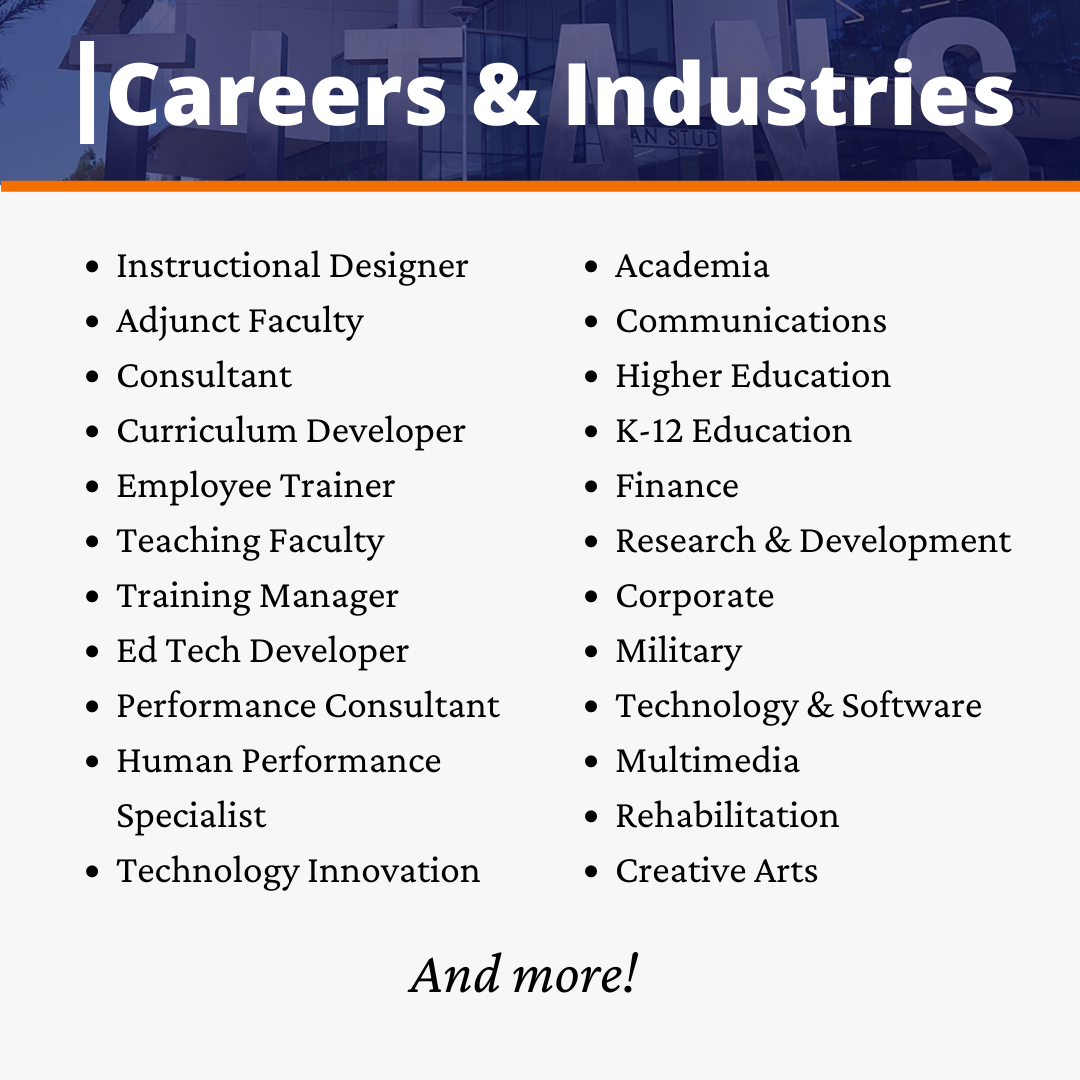
Graduating from an instructional design program opens doors to various sectors. The skills acquired are highly transferable.
- Corporate Sector: Instructional designers work in L&D (Learning and Development) departments, creating compliance training, sales enablement, and leadership development programs.
- Higher Education: "Instructional Technologists" help faculty transition courses to online formats and ensure accessibility standards (such as WCAG 2.1) are met.
- Healthcare: Designers create simulation-based training for medical staff and patient education materials.
- Freelance/Consulting: Many graduates operate as independent contractors, taking on project-based work for various organizations.
According to the Association for Educational Communications and Technology (AECT), the field continues to expand as "Learning Experience Design" (LXD) becomes the standard, focusing more on the user’s journey than just the delivery of content.
Frequently Asked Questions
Do I need to know how to code to succeed in an ID graduate program?
No, coding is generally not a requirement. While knowledge of HTML, CSS, or JavaScript can give you an edge in advanced e-learning customization, most graduate programs focus on "no-code" or "low-code" authoring tools. The focus is on the design and pedagogical effectiveness rather than the underlying programming.
Can I work full-time while completing my degree?
Yes. Most master’s programs in this field are specifically designed for working professionals. Many institutions offer asynchronous online formats, allowing you to complete coursework in the evenings or on weekends. A standard pace for working students is two courses per semester.
Is a Master’s degree required to get a job in instructional design?
While it is possible to enter the field with a certificate or through self-teaching, a Master’s degree is often a prerequisite for senior-level roles, leadership positions, and higher-paying corporate jobs. The degree provides the theoretical depth that self-taught designers sometimes lack, particularly in evaluation and learning analytics.
What is the difference between Instructional Design and Educational Technology?
The terms are often used interchangeably, but there is a subtle difference. Instructional Design focuses on the process of creating the instruction (the "how" and "why" of learning). Educational Technology focuses more on the tools and hardware used to deliver that instruction. Most graduate programs today integrate both.
How long does it usually take to finish the program?
A full-time student can typically complete a Master’s in Instructional Design in 18 months. Part-time students usually finish in 2 to 3 years. Accelerated programs are available that allow for completion in as little as 12 months, but these are intensive and usually require a prior background in the field.
Strategic Recommendation
If you are considering an instructional design graduate program in 2026, prioritize programs that offer a strong balance between theory and portfolio development. Look for curricula that have been updated to include AI-assisted design and data analytics. Before applying, review the faculty’s professional background to ensure they have experience in the specific sector you wish to enter (e.g., corporate vs. academic). Your final choice should be an institution that not only teaches you the current tools but also provides the theoretical foundation to adapt to whichever technologies emerge in the next decade.
Image Gallery