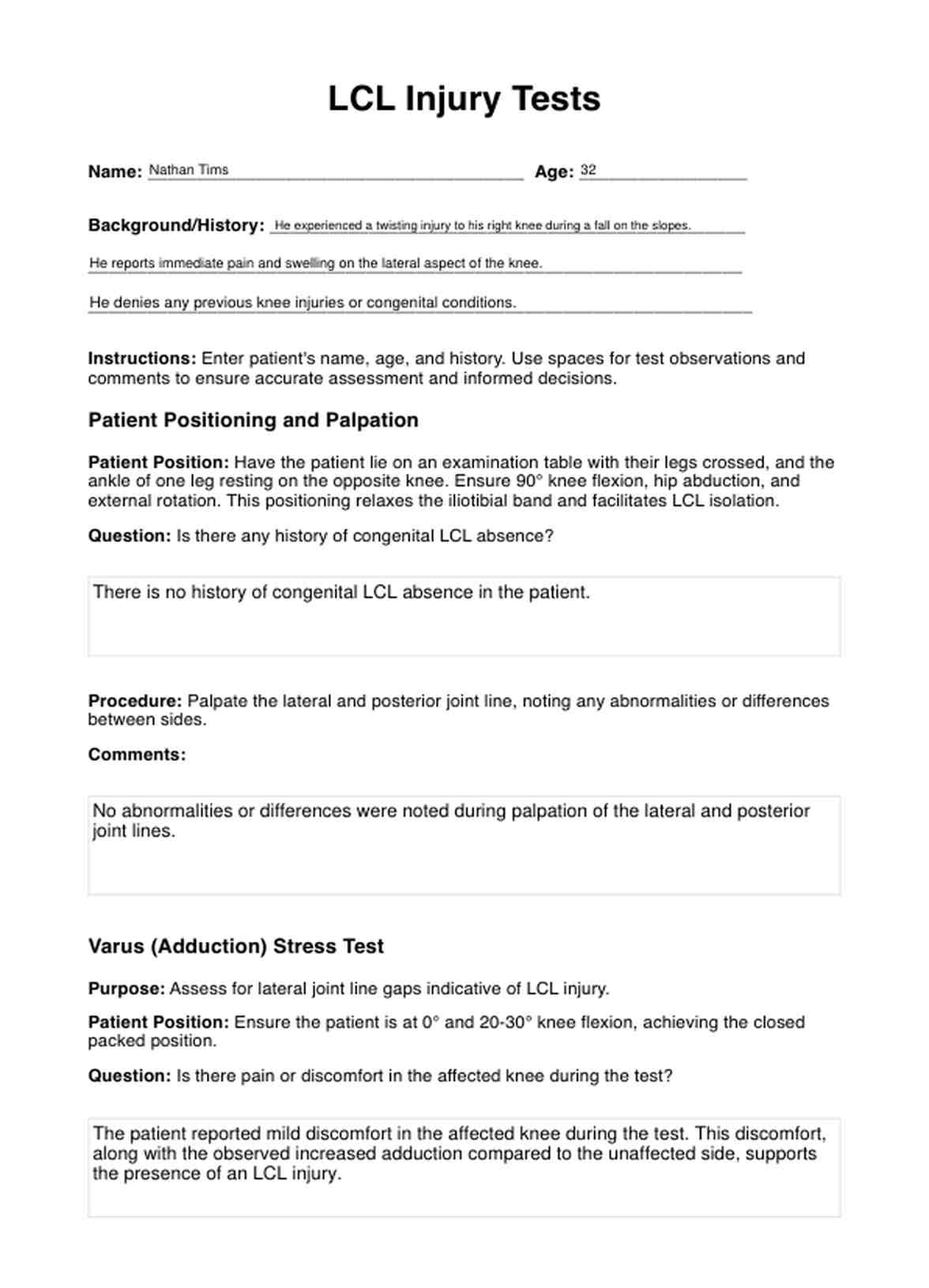
Understanding the Test LCL Injury in Travel Contexts: A Practical Guide for Travelers
An LCL (Lateral Collateral Ligament) injury involves damage to the ligament on the outer side of the knee, typically caused by a direct blow or sudden twisting. In travel contexts, managing this injury requires prioritizing immediate s...
An LCL (Lateral Collateral Ligament) injury involves damage to the ligament on the outer side of the knee, typically caused by a direct blow or sudden twisting. In travel contexts, managing this injury requires prioritizing immediate stabilization, understanding how your specific travel insurance policy covers orthopedic emergencies, and knowing how to navigate airport accessibility services while injured.
Contents
Traveling with a ligament injury adds a layer of complexity to even the most routine itineraries. Whether you are an athlete traveling for competition or a leisure traveler who sustained an injury mid-trip, the Lateral Collateral Ligament (LCL) injury—a critical stabilizer for the knee—requires specific protocols to prevent exacerbation during transit. Because the LCL provides stability against forces pushing the knee outward (varus stress), damage to this area significantly alters your mobility, comfort, and safety in environments designed for able-bodied transit.
Recognizing the Anatomy and Risks of LCL Injuries
The LCL is a thin, cord-like ligament that runs along the outside of the knee, connecting the femur (thigh bone) to the fibula (the smaller bone in the lower leg). Unlike the ACL or MCL, which are more frequently discussed, the LCL is often injured in conjunction with other knee structures. During travel, the primary risks involve accidental bumping of the injured limb in crowded train stations, excessive walking through sprawling international terminals, or the repetitive stress of boarding aircraft with narrow aisles.
If you suspect an LCL injury, the classic markers include pain along the outer knee, swelling, tenderness, and a sensation of the knee "giving way" when bearing weight. In a travel setting, you must resist the urge to "walk it off" to reach a flight or connection. Continued mechanical stress on an unstable knee can result in secondary damage to the meniscus or the peroneal nerve, which runs near the LCL, potentially leading to long-term mobility impairment.
Navigating Airport Accessibility with a Knee Injury
Modern airport infrastructure in 2026 offers standardized services for passengers with reduced mobility. If your LCL injury makes long walks to boarding gates impossible, you should not attempt to navigate the terminal unassisted.
- Request Mobility Assistance Early: Most international carriers require notification at least 48 hours before departure to guarantee wheelchair service from the check-in counter to the aircraft seat.
- The "Gate Check" Protocol: If you are using crutches or a knee brace, you are entitled to have these with you. While crutches are generally allowed, notify the gate agent upon arrival so they can coordinate proper stowage within the cabin.
- Priority Boarding: Always accept pre-boarding. It allows you to navigate the jet bridge and settle into your seat before the aisle becomes congested with other passengers, minimizing the risk of someone bumping your injured knee.
- Selecting the Right Seat: If your travel arrangements are still flexible, prioritize aisle seats or bulkheads. These provide the extra legroom necessary to keep the knee extended or braced without being restricted by the seat in front of you.
Managing Medical Documentation for Travel
When traveling with an acute orthopedic injury, your medical documentation acts as your "passport" for necessary accommodations and insurance processing. Before departing, ensure you possess a copy of your diagnostic summary, including any MRI or clinical assessment findings.
If you have sustained the injury while already abroad, seek a formal written report from a licensed healthcare provider in your current jurisdiction. This report must clearly state the diagnosis and the patient’s fitness to fly. Without this, airline staff may exercise their right to deny boarding if they believe your condition poses a risk to yourself or the safety of the flight.
Insurance Implications and Coverage Realities
LCL injuries often require specialized diagnostics, such as an MRI, and potential bracing or surgery. In a travel context, your financial protection depends on the specifics of your insurance policy.
| Insurance Type | Typical Coverage Scope | Key Requirement |
|---|---|---|
| Travel Medical | Urgent care, emergency stabilization, and imaging. | Pre-authorization for non-emergency scans. |
| Travel Accident | Lump sum or medical costs for specific accidental injury. | Proof of an "external and visible" accident. |
| Comprehensive Travel | Trip cancellation or interruption due to injury. | Formal medical certificate from a physician. |
| Standard Health | Often limited or excluded outside your home country. | Verification of domestic plan portability. |
Always verify your policy’s "Medical Necessity" clause. Insurance providers in 2026 are increasingly strict regarding what constitutes an "emergency." A minor sprain may not trigger a claim payout, whereas a Grade III tear—often involving complete rupture—will typically meet the threshold for coverage.
Actionable Steps for Transit and Recovery
If you are forced to travel while managing an LCL injury, follow these structured steps to maintain safety:
- RICE Method Adherence: The RICE protocol (Rest, Ice, Compression, Elevation) remains the gold standard. During flights, keep your leg elevated on a carry-on bag or pillows provided by the flight crew. Compression sleeves can help manage swelling caused by long-duration cabin pressure changes.
- Avoid Self-Medicating to Mask Pain: Over-the-counter anti-inflammatories may mask the pain, giving you a false sense of security. If your knee is unstable, you must protect it from sudden pivots or weight-bearing that could worsen the tear.
- Consulting Local Specialists: If the injury occurs abroad, use your travel insurance provider’s 24/7 emergency concierge line. They often have networks of English-speaking orthopedic specialists who can confirm if your LCL injury requires immediate surgical intervention or if it is safe to wait until you return home.
Frequently Asked Questions
Can I fly if I have a Grade 2 LCL sprain? Yes, provided you are mobile enough to reach your seat and your condition is stable. However, you should use a hinged knee brace to prevent lateral movement during turbulence or boarding. Always consult your doctor for a "fit-to-fly" assessment.
Will my travel insurance pay for a flight change if I can't walk? Most comprehensive travel insurance policies cover trip interruption or modification costs if a physician certifies that you are medically unfit to travel as originally planned. Ensure you get this certification in writing.
Is DVT a risk for someone with a knee injury? Yes. Any lower-limb injury, especially one that limits mobility, increases the risk of Deep Vein Thrombosis (DVT) during long-haul flights. Maintain hydration, perform ankle pumps regularly, and consult your doctor about the potential need for prophylactic blood thinners.
What happens if I get stuck in a foreign country for surgery? If you require surgery, ensure your insurer has pre-approved the facility. Most insurers will only cover surgery if it is deemed "medically necessary" and cannot be safely delayed until your return to your home country.
How do I get a wheelchair through customs? International airport customs and immigration are generally separate from the airline’s assistance program. When you book your arrival assistance, specify that you require a wheelchair for the full transit duration, including passing through border control.
Final Recommendation
If you suspect an LCL injury while traveling, transition from "tourist mode" to "patient mode" immediately. Do not prioritize your itinerary over the long-term integrity of your knee. Contact your insurance provider’s emergency assistance line before you seek non-emergency care to ensure the clinic or hospital is within their network. Once evaluated, focus on securing a travel-safe brace and arranging for professional mobility assistance until you are safely back home and under the care of your primary orthopedist.
Image Gallery