The Impact of Poor Communication in Healthcare
Poor communication in healthcare directly contributes to preventable medical errors, compromised patient safety, reduced treatment adherence, and escalating systemic costs. When medical professionals, administrative staff, and patients...
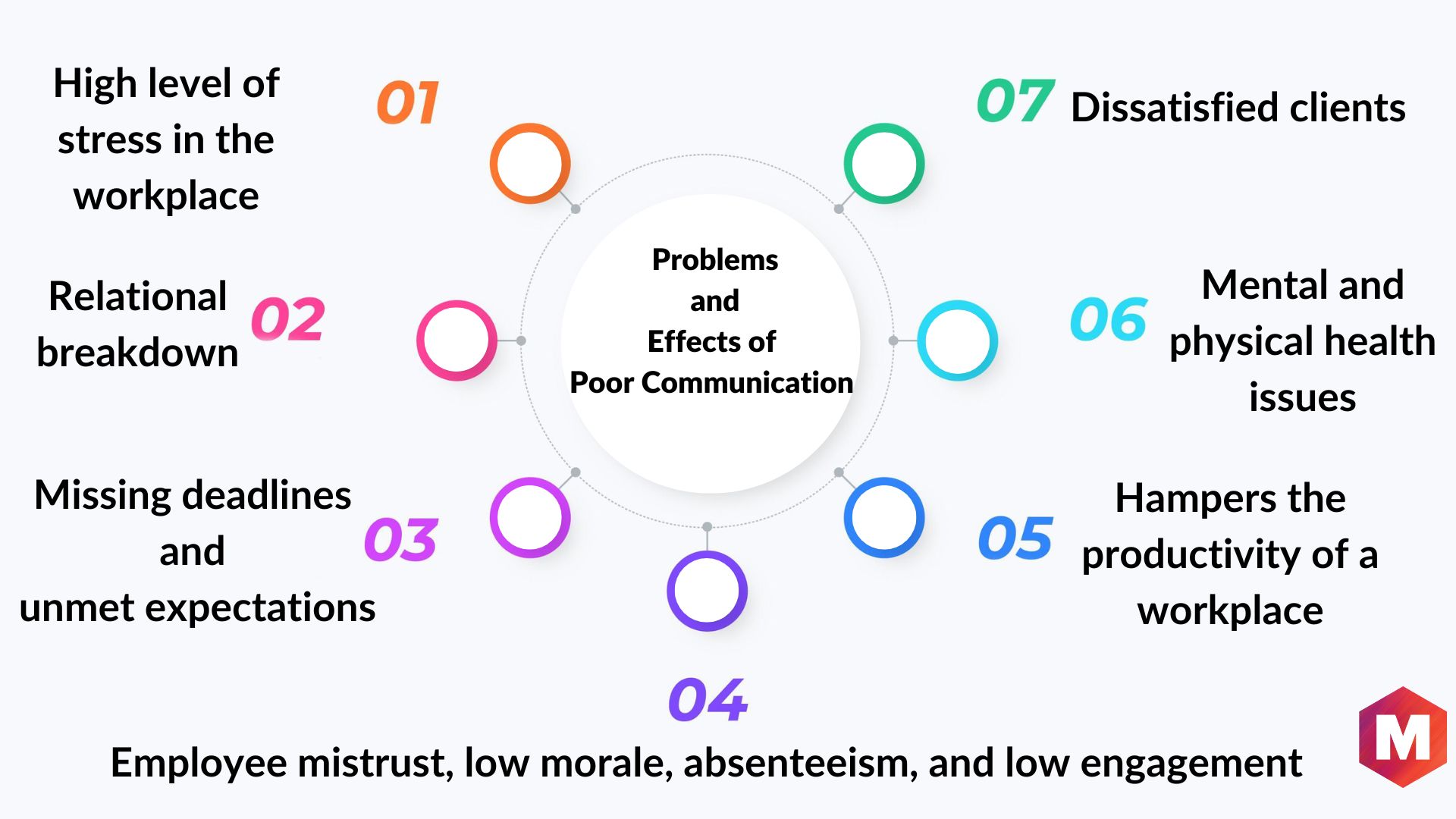
Poor communication in healthcare directly contributes to preventable medical errors, compromised patient safety, reduced treatment adherence, and escalating systemic costs. When medical professionals, administrative staff, and patients fail to exchange clear, accurate information, the resulting breakdowns undermine clinical outcomes and erode trust in the healthcare system.
Contents
Understanding Communication Breakdowns in Clinical Environments
Communication within the healthcare sector is extraordinarily complex. It involves multi-disciplinary teams, rapidly changing patient data, high-stress environments, and patients who may be experiencing acute distress or cognitive overload. When this intricate web of information exchange fails, the consequences ripple across every level of care delivery.
Communication breakdowns generally manifest in three primary vectors:
- Clinician-to-clinician handoffs
- Provider-to-patient explanations
- Interprofessional collaboration among multidisciplinary care teams
Clinician-to-Clinician Handoffs and Transitions of Care
Transitions of care—such as transferring a patient from the emergency department to an inpatient floor, shifting care during a shift change, or discharging an individual to a post-acute facility—represent high-risk windows for information loss. Critical details regarding medication adjustments, pending lab results, and known allergies frequently vanish during these handoffs if standardized protocols are absent.
Research consistently demonstrates that unstructured verbal communication during shift changes leads to omitted clinical data. Without a reliable framework like SBAR (Situation, Background, Assessment, Recommendation), incoming providers step into care scenarios partially blinded, increasing the likelihood of diagnostic delays and duplicated tests.
Provider-to-Patient Health Literacy Disconnects
A pervasive barrier to effective care is the gap between clinical terminology and patient health literacy. Medical professionals often default to complex clinical jargon when explaining diagnoses, treatment plans, or surgical risks. Patients, reluctant to appear uninformed, frequently nod in agreement without truly grasping the instructions.
This disconnect triggers severe downstream effects. When individuals do not understand why a medication must be taken at specific intervals, or what warning signs indicate a worsening condition, adherence plummets. The resulting misunderstandings often manifest as preventable readmissions, adverse drug events, and avoidable emergency room visits.
Quantifying the Impact on Patient Safety and Clinical Outcomes
The human and financial toll of communication failures is extensively documented in patient safety literature. According to analyses by organizations such as The Joint Commission, communication breakdowns are consistently cited as a leading root cause of sentinel events—unexpected occurrences involving death or serious physical or psychological injury.
Medical Errors and Adverse Drug Events
Medication administration errors serve as a primary indicator of communication dysfunction. A missing decimal point on a handwritten prescription, an unverified telephone order, or a poorly documented allergy in an electronic health record (EHR) can result in catastrophic adverse drug events (ADEs).
| Communication Breakdown Type | Common Clinical Manifestation | Associated Risk |
|---|---|---|
| Incomplete Handoffs | Omitted lab alerts or uncommunicated test results | Delayed diagnosis and untreated disease progression |
| Jargon-Heavy Instructions | Patient misunderstanding of discharge medication schedules | Medication non-adherence and readmission |
| Ambiguous Orders | Misinterpreted verbal or handwritten prescription dosages | Severe adverse drug events and toxicities |
| Siloed Care Teams | Specialists operating without primary care visibility | Conflicting treatment plans and redundant interventions |
As outlined in the comparison table above, the failure modes vary, but the underlying vulnerability remains the same: a fragile information chain. When one link breaks, patient safety is immediately compromised.
Operational and Financial Consequences for Healthcare Systems
Beyond the devastating impact on patient well-being, communication failures impose massive financial and operational burdens on healthcare institutions. Hospitals and health systems operate in tight economic margins, and the inefficiencies caused by poor information flow drain critical resources.
Increased Liability and Malpractice Litigation
Malpractice claims frequently trace back to communication failures rather than pure technical incompetence. Patients and their families are far more likely to pursue legal action when a medical error is compounded by a perceived lack of transparency, empathy, or clarity from the care team. Clear communication acts as a vital protective buffer, fostering trust even when clinical outcomes are less than optimal.
Workflow Inefficiencies and Burnout
Internal friction caused by poor communication directly contributes to clinical burnout. Physicians, nurses, and allied health professionals spend significant portions of their shifts tracking down missing information, clarifying ambiguous orders, or rectifying administrative errors. This administrative friction diverts valuable time away from direct patient care, lowers morale, and accelerates staff turnover within an already strained workforce.
Strategies for Mitigating Communication Failures
Mitigating the impact of poor communication requires systemic, cultural, and technological interventions rather than relying solely on individual vigilance. Healthcare organizations must implement structured frameworks that standardize information exchange.
Standardized Communication Frameworks
Implementing evidence-based communication tools transforms chaotic information transfers into predictable routines. The SBAR technique, read-back and write-back protocols for telephone orders, and structured bedside shift reports ensure that all team members—and the patient—remain aligned on the care plan.
Leveraging Technology and EHR Optimization
While electronic health records have occasionally introduced new communication challenges through alert fatigue and fragmented data entry, properly optimized systems enhance information sharing. Secure clinical messaging platforms, interoperable health data networks, and patient portals designed with accessible language help bridge the gap between disparate care teams and the individuals they serve.
Frequently Asked Questions
What is the primary cause of communication breakdowns in healthcare?
The primary causes include hierarchical workplace cultures that discourage questioning, high-stress environments with high cognitive loads, lack of standardized handoff protocols, and wide disparities in health literacy between providers and patients.
How do communication errors affect medication safety?
Communication errors often lead to unverified dosages, undocumented patient allergies, and conflicting medication schedules prescribed by different specialists. These failures directly cause adverse drug events and preventable hospitalizations.
What is the SBAR technique in healthcare communication?
SBAR stands for Situation, Background, Assessment, and Recommendation. It is a structured communication framework used by healthcare teams to ensure concise, accurate, and standardized information transfer during patient handoffs and critical events.
How does health literacy impact patient outcomes?
Low health literacy impedes a patient's ability to understand diagnoses, navigate complex medication regimens, and recognize early warning signs of complications. This frequently leads to poor treatment adherence and higher rates of preventable hospital readmissions.
Can electronic health records (EHRs) eliminate communication errors?
While EHRs improve data availability, they do not automatically eliminate communication errors. Poorly designed interfaces, alert fatigue, and fragmented documentation can sometimes worsen information silos if not paired with strong interpersonal communication practices.
Next Actions for Healthcare Leaders
To effectively combat the impact of poor communication, healthcare administrators, clinical directors, and frontline staff must audit their current information workflows. Leaders should prioritize the adoption of standardized handoff tools, invest in health literacy training for clinical teams, and actively cultivate an organizational culture of psychological safety where staff members at any level feel empowered to speak up regarding safety concerns.
Image Gallery