The Comprehensive Guide to "Shoot the Writer Behind the Lens": Concepts, Ethics, and Creative Direction
The phrase "shoot the writer behind the lens" refers to the complex intersection of photography, authorship, and the self-reflexive portraiture where the creator becomes the subject. This comprehensive guide explores the technical, art...
The phrase "shoot the writer behind the lens" refers to the complex intersection of photography, authorship, and the self-reflexive portraiture where the creator becomes the subject. This comprehensive guide explores the technical, artistic, and operational realities of photographing visual storytellers, balancing creative control with authentic representation.
Contents
Understanding the Concept of "Shoot the Writer Behind the Lens"
In visual media and journalism, the phrase "shoot the writer behind the lens" carries a dual weight. It can function literally as a directive to photograph a hybrid creator—someone who writes stories and captures imagery—or metaphorically as an exploration of the vulnerability inherent when a storyteller, usually hidden behind a camera or a text-based byline, is brought into the visual frame.
For decades, creators who operate both as writers and photographers have experienced a unique identity crisis. They control the narrative from behind the viewfinder or the keyboard, framing others while remaining largely invisible to their audiences. When the roles reverse and someone must "shoot" the writer, the dynamics of power, control, and authenticity shift dramatically. Understanding this transition requires examining the technical prerequisites, equipment choices, and psychological preparation needed to execute a successful portrait session for a creator.
Prerequisites and Technical Planning for Creator Portraits
Photographing a writer or photographer who is accustomed to being behind the lens demands a distinct approach compared to photographing a standard subject. Because these individuals understand lighting ratios, composition rules, and focal lengths, the margin for amateur mistakes narrows significantly.
Equipment and Gear Selection
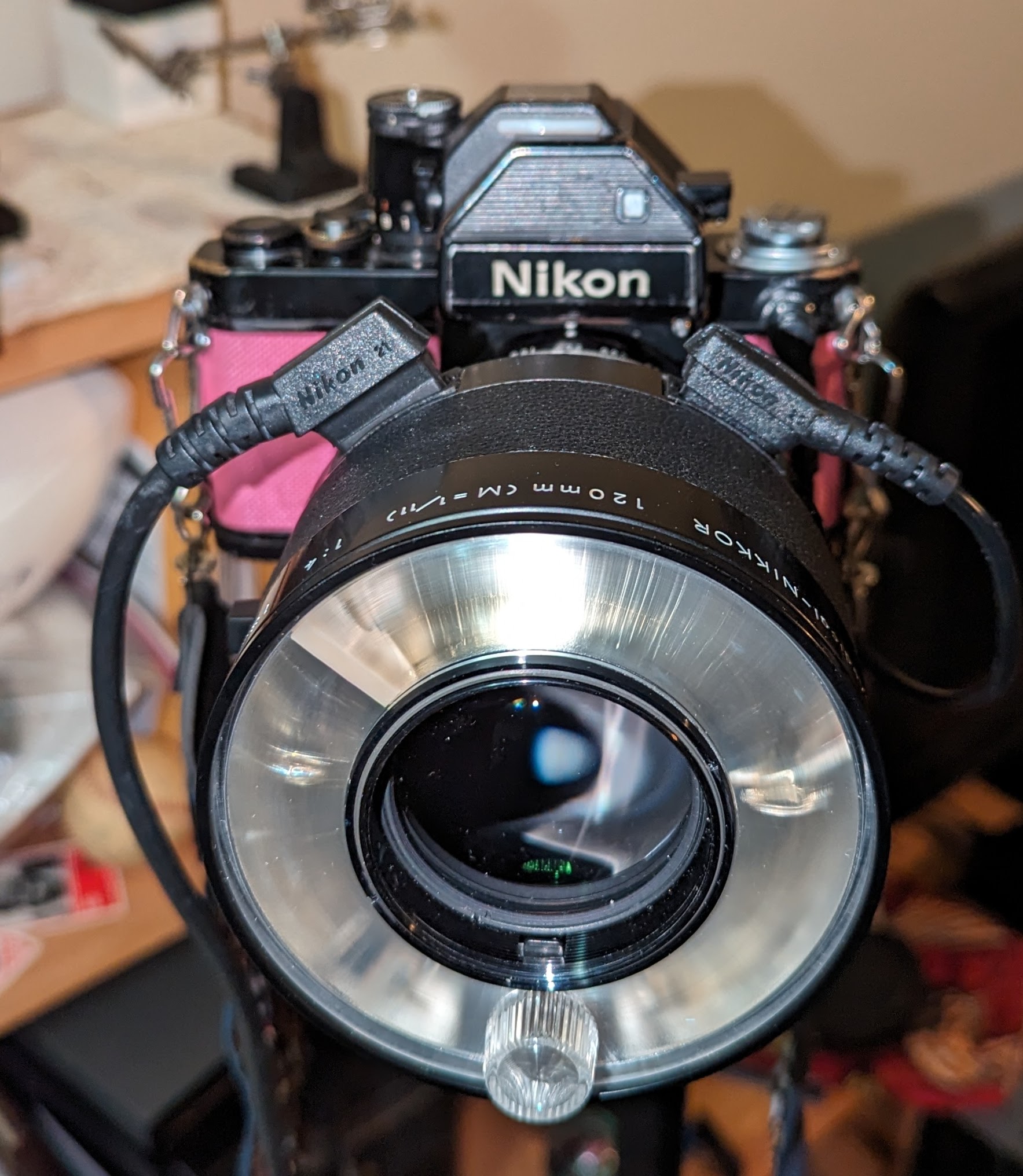
To establish credibility and achieve the desired artistic depth, selecting the correct photographic gear is paramount.
- Camera Bodies: Full-frame sensor cameras (such as the Sony A7IV, Canon EOS R5, or Nikon Z8) provide the dynamic range necessary to handle high-contrast lighting scenarios common in editorial environments.
- Lenses: Prime lenses with wide apertures—such as a 35mm f/1.4 for environmental context or an 85mm f/1.4 for compressed, intimate portraits—allow creators to isolate the subject while maintaining sharp focus on expressive details like the eyes and hands.
- Lighting Modifiers: Softboxes, beauty dishes, or bounce reflectors help manage skin tones and create flattering, dimensional light without feeling overly polished or commercial.
Environmental Considerations
The setting should reflect the dual nature of the subject. Rather than shooting against a sterile seamless paper backdrop, place the writer in an environment that tells a story: a cluttered study filled with notebooks, an editing suite with dual monitors, or an outdoor urban landscape that hints at their field reportage.
Step-by-Step Execution: Directing the Creator-Subject
When your subject is intimately familiar with the photographic process, they often try to direct their own shoot. Managing this dynamic requires clear communication, collaboration, and a structured workflow.
- Pre-Shoot Consultation: Discuss the concept openly. Acknowledge their expertise, but establish your role as the lead director. Agree on the narrative arc: Are we portraying them as a contemplative author, a gritty photojournalist, or a modern digital content creator?
- Breaking the Guard: Creators are hyper-aware of camera angles. To capture genuine expressions, start by having them hold their own camera or a notebook. This gives their hands a natural placement and shifts their focus away from the lens.
- Establishing Lighting and Angles: Set up your lighting before bringing the subject onto the set. Explain your choices briefly if asked, which builds professional trust. Avoid shooting exclusively from eye level; experiment with low angles to project authority or high, wide angles to emphasize introspection and scale.
- Capturing Candid Intermissions: The best editorial frames often happen between formal poses—when the writer adjusts their glasses, flips a page, or smiles at an off-camera comment. Keep the shutter firing during these transitions.
Comparative Analysis: Studio vs. Environmental Portraits
Choosing the right environment dictates the emotional tone of the final imagery. The table below outlines the primary differences, advantages, and operational challenges of studio versus environmental setups when photographing visual storytellers.
| Feature / Factor | Studio Portraiture | Environmental Portraiture |
|---|---|---|
| Control Over Light | Absolute control using strobes, modifiers, and flags. | Variable control; relies on balancing ambient light with portable flash. |
| Narrative Depth | Minimal; focuses purely on expression, lighting, and form. | High; incorporates tools, workspace, and context into the frame. |
| Subject Comfort | Can feel clinical or intimidating for non-models. | High; subjects feel grounded in their familiar workspaces. |
| Setup Time & Mobility | High setup time; immobile studio environment. | Fast deployment; requires portable speedlights or LED panels. |
| Best Suited For | Clean editorial covers, minimalist author bios, and corporate profiles. | Documentarians, travel writers, hybrid creator portfolios, and lifestyle features. |
Common Pitfalls and Troubleshooting
Even experienced photographers encounter specific challenges when photographing peers or media creators. Recognizing these issues early prevents wasted time and sub-par imagery.
Over-Direction and Micro-Management
Because the subject knows how lighting works, they may critique your choices mid-shoot ("Can we move the key light two inches to the left?").
- Solution: Establish boundaries early. Reassure them that you have the technical side covered so they can focus entirely on their performance and comfort.
The "Dead Eyes" Phenomenon
Subjects who spend hours looking at viewfinders or computer screens often develop a focused, unblinking, or strained gaze when a camera is pointed directly at them.
- Solution: Introduce movement. Ask them to look away, close their eyes, take a deep breath, and look back at the lens on a specific cue. This resets their facial muscles and brings life back into their expression.
Technical Mismatches in Tone
A common mistake is using hyper-slick, glossy corporate lighting for a gritty, rugged documentary writer, or vice versa.
- Solution: Match the post-processing color grading and lighting style to the subject’s literary or photographic genre. Use matte finishes, film simulations, or high-contrast black-and-white tones where appropriate.
Frequently Asked Questions
How do I make a photographer or writer feel comfortable in front of the camera?
Acknowledge their expertise openly, but take complete charge of the creative direction. Give them a prop, such as a pen, notebook, or camera body, to keep their hands occupied and shift their internal focus away from being scrutinized.
What is the best focal length for an editorial portrait of a writer?
A 50mm or 85mm prime lens is generally considered the gold standard for editorial portraits. A 50mm provides a natural, human-eye perspective, while an 85mm offers gentle background compression and flattering facial rendering without distortion.
Should the subject be holding their camera in the portrait?
It depends on the narrative goal. If they are primarily known as a photojournalist or hybrid shooter, having them interact with their gear grounds the portrait in reality. If they are primarily a novelist or essayist, holding a camera might feel forced; books, paper, or a simple workspace are more appropriate.
How do I handle lighting reflections in glasses if the writer wears them?
Polarizing filters on your lenses combined with cross-polarization on your studio lights can eliminate reflections entirely. Alternatively, simply adjusting the height of your main light source or tilting the subject's glasses slightly downward will clear the glare from the frame.
What post-processing style works best for creator portraits?
The editing style should align with the tone of their published work. Clean, natural color grading with balanced contrast works universally, while film-stock emulators (such as Kodak Portra or Tri-X black-and-white profiles) add a timeless, artistic credibility.
Final Recommendations for Your Next Shoot
When preparing to shoot the writer behind the lens, treat the session as a creative collaboration rather than a standard commercial assignment. Respect their visual intelligence, prepare your lighting and narrative framework in advance, and remain flexible during transitions. By focusing on authentic workspaces, natural interactions, and appropriate technical execution, you will capture a portrait that honors both their craft and their identity as a visual storyteller.
Image Gallery