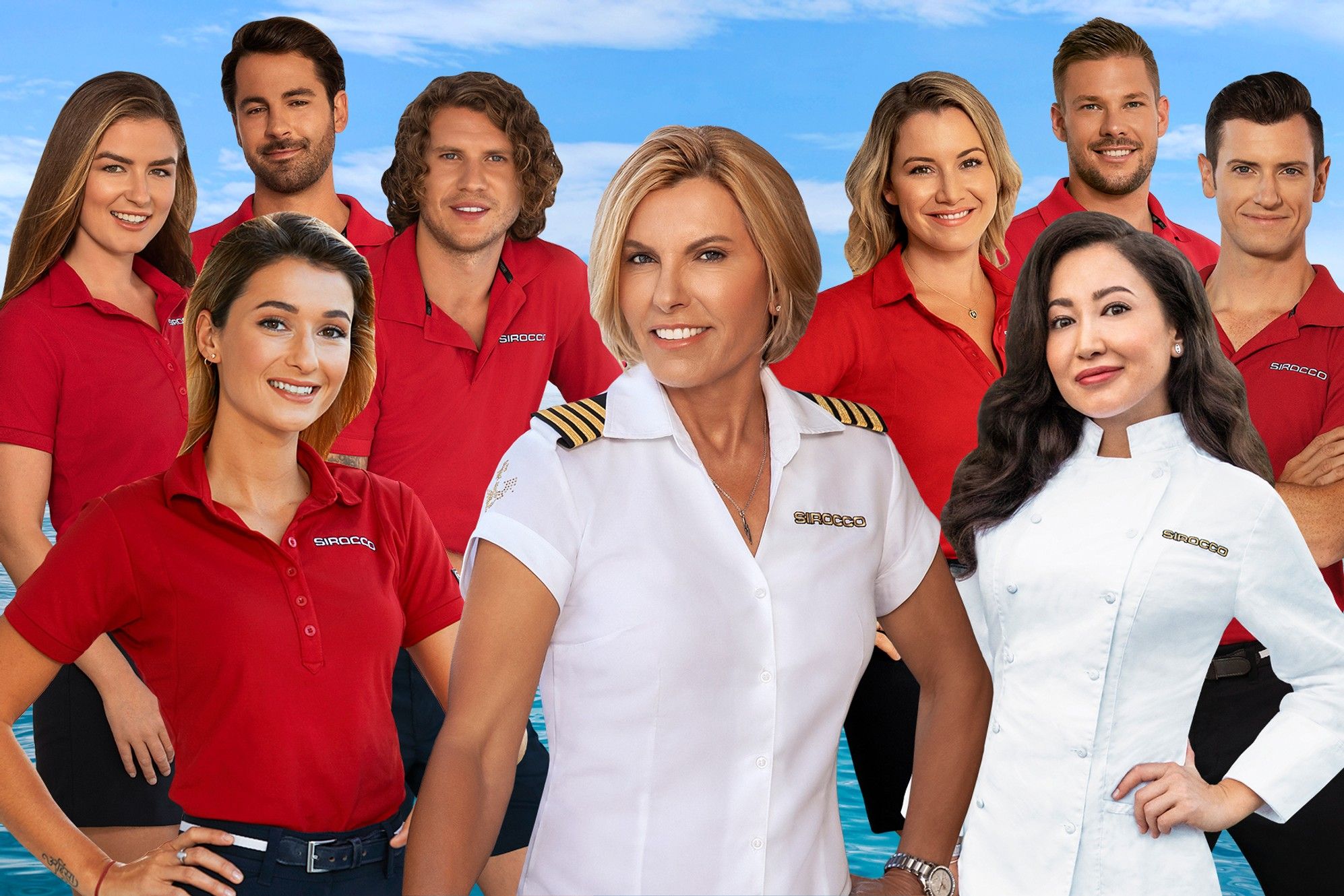
Inside the Galley: The Reality and Demands of Below Deck Mediterranean Chefs
Below Deck Mediterranean chefs operate under intense pressure, producing gourmet multi-course meals in cramped yacht galleys while managing provisioning, dietary restrictions, and dramatic interior-exterior crew dynamics for camera-wie...
Below Deck Mediterranean chefs operate under intense pressure, producing gourmet multi-course meals in cramped yacht galleys while managing provisioning, dietary restrictions, and dramatic interior-exterior crew dynamics for camera-wielding charter guests.
Contents
The role of the yacht chef in the reality television landscape is uniquely volatile. While land-based fine-dining chefs work in expansive, professional kitchens with dedicated line cooks, dishwashers, and structured supply chains, a Below Deck Mediterranean chef often stands entirely alone. They must act as the executive chef, prep cook, line cook, pastry chef, and dishwasher simultaneously, all while navigating the physical constraints of a moving vessel on the open water. Understanding what it takes to survive and thrive in this high-stakes maritime position requires looking past the edited drama to examine the grueling technical, logistical, and interpersonal demands placed on these culinary professionals.
The Unique Culinary Environment of Superyacht Galleys
Working as a chef aboard a luxury superyacht chartered for television is vastly different from working in a traditional restaurant. The physical workspace is one of the most defining and challenging aspects of the job. Yacht galleys are notoriously compact, often lacking standard restaurant amenities such as multiple commercial-grade ovens, expansive refrigeration units, or adequate counter space.
Furthermore, galleys are subject to the elements. When the Mediterranean sea gets rough, pots slide across burners, ingredients shift unpredictably, and the physical act of precise knife work becomes hazardous. Chefs must possess advanced spatial awareness and high-level organizational skills just to keep their workspace sanitary and functional.
Ventilation and ambient heat present another persistent hurdle. Because yacht galleys are often tucked away in the lower or main decks with limited natural airflow, heat from commercial appliances accumulates rapidly. Chefs frequently work in stifling temperatures while maintaining the high-pressure composure expected in Michelin-starred establishments. The psychological toll of these physical constraints cannot be overstated; fatigue sets in faster, and minor inconveniences can quickly cascade into critical service delays.
Provisioning and Logistics Under Pressure
Before a single guest steps foot onto the gangway, the yacht chef faces a massive logistical undertaking: provisioning. Unlike land-based restaurants that rely on reliable daily deliveries from broadline distributors, yacht chefs in the Mediterranean often have to source ingredients from local European markets, specialty fishmongers, and organic produce vendors under tight maritime schedules.
This process involves several distinct challenges:
- Time Constraints: Provisioning windows are notoriously narrow, often squeezed between back-to-back charters while the crew turns over the interior and exterior of the yacht.
- Language and Cultural Barriers: Sourcing specialty items in foreign ports requires navigating local supply chains, language barriers, and unfamiliar regulatory frameworks for food imports.
- Storage Limitations: Walk-in refrigerators on yachts are significantly smaller than land-based restaurant coolers. Chefs must calculate exact quantities to avoid spoilage while ensuring they do not run out of key ingredients mid-charter.
- Last-Minute Preference Sheets: High-paying charter guests frequently submit complex, highly specific preference sheets detailing allergies, aversions, and niche culinary requests at the eleventh hour, forcing chefs to pivot their entire menu plan overnight.
Managing Dietary Restrictions and Charter Guest Expectations
The primary metric of success for a Below Deck Mediterranean chef is guest satisfaction. Charter guests pay exorbitant fees for their vacations, and the culinary program is often the centerpiece of their onboard experience. This creates immense pressure to deliver flawless, visually stunning, and palate-pleasing dishes for every breakfast, lunch, and multi-course plated dinner.
Modern charter guests come with an array of complex dietary requirements. It is standard for a single preference sheet to feature overlapping restrictions, such as gluten-free, dairy-free, vegan, kosher-style, and specific dislikes ranging from truffles to cilantro. The chef must meticulously adapt dishes without compromising on flavor, texture, or presentation.
When a meal misses the mark—whether due to overcooked meat, delayed service, or a flavor profile that does not align with guest expectations—the fallout is immediate. On television, these culinary missteps are amplified, leading to direct confrontations with the chief stewardess, the captain, and occasionally the guests themselves.
| Culinary Challenge | Traditional Restaurant Environment | Below Deck Mediterranean Galley |
|---|---|---|
| Staff Support | Line cooks, prep cooks, dishwashers, and expediters | Solo chef (rarely aided by a sous chef) |
| Workspace | Expansive, climate-controlled commercial kitchens | Compact, motion-affected, heat-retaining ship galley |
| Supply Chain | Scheduled daily deliveries from established distributors | Local port sourcing, variable availability, tight turnarounds |
| Guest Interaction | Rare or mediated through front-of-house staff | Direct feedback, preference sheet management, visible on camera |
The Intersection of Culinary Artistry and Reality Television
The presence of production cameras transforms an already demanding maritime job into a high-visibility endurance test. Chefs must perform complex culinary feats while wearing audio packs, navigating camera operators in narrow corridors, and managing interpersonal friction with fellow crew members.
In a standard professional kitchen, tension between the kitchen and service staff is handled privately behind swinging doors. On a superyacht featured on television, every disagreement between the chef and the chief stewardess regarding timing, plating, or guest requests is recorded and broadcast. This dynamic often impacts the chef's mental focus, creating a feedback loop where stress affects performance, and poor performance fuels further crew conflict.
Despite the hurdles of reality television production, the platform has elevated the profile of yacht provisioning. Many chefs use the exposure to build personal brands, launch private-label culinary products, or transition into high-end private estate chef positions where compensation matches or exceeds the grueling demands of the charter season.
Common Mistakes Made by Yacht Chefs
Throughout various iterations of the show and real-world yachting experiences, certain recurring missteps tend to derail maritime culinary programs. Recognizing these pitfalls helps explain why some chefs excel while others face swift dismissal from the captain.
- Overcomplicating Menus: Attempting overly elaborate, multi-component dishes in a small galley often leads to bottlenecks during service. Successful yacht chefs understand that execution and quality of ingredients outweigh unnecessary complexity.
- Failing to Verify Provisions: Assuming an item will be available at a local Mediterranean port without confirming with local agents can ruin a planned menu. Flexibility and rapid substitution skills are vital.
- Ignoring Preference Sheets: Failing to review or account for subtle guest preferences, such as a severe allergy or a stated aversion to garlic, damages guest trust immediately and permanently impacts tip distribution.
- Poor Time Management: Misjudging the prep time required for baking bread, making stocks, and executing service simultaneously leaves chefs falling behind during back-to-back charters.
Frequently Asked Questions
Do Below Deck Mediterranean chefs actually cook all the food themselves?
Yes. Unlike traditional restaurants with large brigades, yacht chefs on the show generally work completely alone in the galley. They handle everything from baking breakfast pastries and prepping lunch buffets to executing complex, multi-course plated dinners for the evening service without professional line cooks or dedicated dishwashers.
How do yacht chefs handle strict dietary restrictions in a small galley?
Chefs rely on rigorous advance planning, meticulous labeling, and dedicated preparation zones to prevent cross-contamination. They often design modular menus where base ingredients can be easily adapted to accommodate gluten-free, dairy-free, or vegan diners without requiring an entirely separate cooking schedule.
What happens if a chef runs out of food during a charter?
Running out of food is a critical failure in yacht provisioning. If provisions run low, the captain or chief stew must coordinate emergency port stops, arrange for tender drop-offs with local suppliers, or utilize backup provisions stored in deep-freeze lockers to bridge the gap before the next scheduled port.
How are yacht chefs affected by rough seas while cooking?
Rough seas require chefs to secure all pots, pans, and ingredients using non-slip mats, gimbaled stoves, and secure storage latches. Knife work becomes hazardous, forcing chefs to modify cooking techniques and rely on pre-prepped items that minimize the need for dangerous cutting while the vessel is underway.
What qualifications do you need to be a superyacht chef?
Professional yacht chefs typically require accredited culinary degrees, STCW (Standards of Training, Certification and Watchkeeping for Seafarers) safety certification, valid ENG1 medical certificates, and extensive high-end restaurant or private estate experience. Maritime safety and hygiene certifications are non-negotiable requirements regardless of culinary skill level.
Summary and Next Actions
Succeeding as a Below Deck Mediterranean chef requires an extraordinary blend of technical culinary mastery, logistical foresight, and high-stress resilience. For those looking to enter the professional superyacht industry, the path begins with obtaining mandatory maritime safety certifications like STCW and building a robust portfolio in high-end hospitality. Aspiring maritime culinarians should focus on mastering adaptability, efficient knife skills, and inventory management to handle the unpredictable nature of provisioning across international ports.
Image Gallery