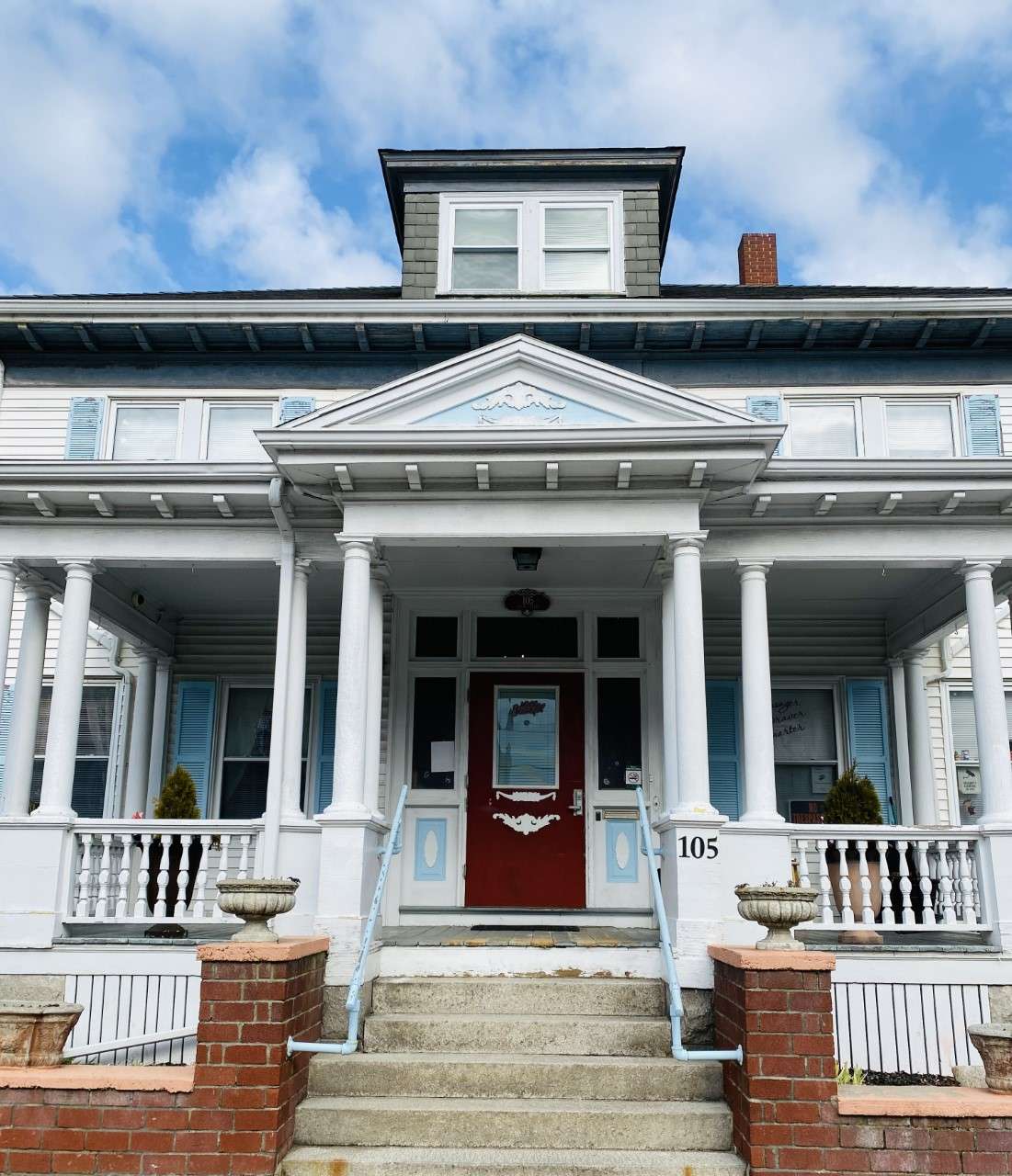
High Point Treatment Center Overview: Services, Programs, and Care Standards
High Point Treatment Center operates as a multifaceted behavioral health organization providing comprehensive addiction treatment, mental health services, and community-based support programs across Southeastern Massachusetts. Establis...
High Point Treatment Center operates as a multifaceted behavioral health organization providing comprehensive addiction treatment, mental health services, and community-based support programs across Southeastern Massachusetts. Established to address the critical need for accessible substance use disorder care, the facility integrates medical detoxification, residential stabilization, outpatient therapies, and specialized recovery housing into a continuous continuum of care.
Contents
Understanding the Scope of High Point Treatment Center
Navigating behavioral health options requires a clear understanding of what an organization offers, how its programs are structured, and the populations it serves. High Point Treatment Center functions as a regional healthcare provider that bridges the gap between acute medical intervention and long-term community recovery.
For individuals, families, and referring healthcare professionals, understanding this landscape involves examining the clinical philosophy, facility locations, and structural levels of care. The organization operates under the principle that substance use disorders and co-occurring mental health conditions require individualized, evidence-based treatment plans. Rather than relying on a single-modal approach, the center utilizes a phased care model. This model allows patients to transition smoothly from high-intensity medical supervision down to independent outpatient management as their stability improves.
Furthermore, High Point acknowledges the socioeconomic barriers often associated with behavioral healthcare. By accepting various forms of state insurance, Medicaid, and private policies, the organization strives to maintain accessibility for diverse populations. Comprehensive intake assessments ensure that each incoming patient is matched with the appropriate level of clinical intensity, mitigating the risk of premature discharge or mismatched placements.
Core Levels of Care and Clinical Services
The clinical architecture of High Point Treatment Center is built around a progressive continuum of care. Each level is designed to meet specific medical and psychological stabilization requirements.
Medical Detoxification and Stabilization
The initial phase for many individuals entering the system involves medical detoxification. Supervised by a multidisciplinary team of physicians, nurses, and clinical specialists, this stage manages the physical symptoms of withdrawal from alcohol, opioids, and other substances.
- Clinical Monitoring: 24-hour vital sign tracking and symptom management to ensure physical safety.
- Pharmacotherapy: Use of evidence-based medications to alleviate withdrawal severity and reduce cravings.
- Psychological Support: Initial counseling sessions to prepare patients for ongoing therapeutic engagement following physical stabilization.
Residential and Acute Treatment Services (ATS)
Following or bypassing detoxification depending on initial presentation, residential programs offer structured, 24-hour therapeutic environments. Acute Treatment Services (ATS) provide short-term stabilization, education, and case management.
- Clinical Stabilization Services (CSS): Extended residential care focusing on relapse prevention, psychoeducation, and emotional regulation.
- Individual and Group Therapy: Regular sessions utilizing cognitive behavioral therapy (CBT) and dialectical behavior therapy (DBT) principles.
- Discharge Planning: Proactive transition mapping to outpatient or lower-intensity residential settings.
Outpatient and Ambulatory Care
For individuals who do not require round-the-clock supervision or those stepping down from residential care, outpatient services offer flexible scheduling options.
- Partial Hospitalization Programs (PHP): High-intensity day treatment offering clinical therapy and medical oversight while allowing patients to return home or to supportive housing in the evening.
- Intensive Outpatient Programs (IOP): Mid-tier programs meeting multiple days per week for targeted group and individual therapy.
- Traditional Outpatient Counseling: Weekly or bi-weekly therapy sessions focusing on ongoing maintenance, coping strategies, and dual-diagnosis management.
Facility Locations and Community Integration
Geographic accessibility plays a vital role in the delivery of behavioral health services. High Point Treatment Center operates multiple facilities throughout Massachusetts, primarily concentrated in Plymouth, Bristol, and Norfolk counties. Key regional hubs include Plymouth, Brockton, and New Bedford.
Each facility is integrated into the local community safety net, collaborating closely with regional hospitals, courts, and social service agencies. This localized network ensures that patients can receive care close to their support systems, which research consistently shows improves long-term recovery outcomes. Community integration also extends to specialized outreach programs designed to engage vulnerable populations, including homeless individuals and those involved in the criminal justice system.
Specialized Populations and Supportive Housing
Substance use disorders frequently intersect with housing instability, legal involvement, and complex family dynamics. High Point Treatment Center addresses these challenges through dedicated programmatic tracks and supportive housing initiatives.
- Recovery Housing: Transitional living environments that provide safe, substance-free housing for individuals transitioning out of intensive residential care.
- Family-Focused Programs: Specialized support structures designed to accommodate parents seeking treatment while maintaining involvement with their children.
- Court-Ordered and Diversion Programs: Structured pathways that meet legal requirements while delivering mandatory clinical education and treatment.
| Program Type | Primary Focus | Typical Duration | Care Intensity |
|---|---|---|---|
| Medical Detoxification | Safe physical withdrawal management | 3 to 7 days | High (24/7 Medical Supervision) |
| Acute Treatment Services (ATS) | Short-term stabilization and assessment | 7 to 14 days | High (24/7 Residential) |
| Clinical Stabilization (CSS) | Relapse prevention and skill-building | 14 to 30+ days | Moderate-High (Residential) |
| Partial Hospitalization (PHP) | Comprehensive structured day treatment | 2 to 6 weeks | Moderate (Day Program) |
| Intensive Outpatient (IOP) | Flexible clinical therapy and support | 6 to 12 weeks | Low-Moderate (Part-Time) |
Admissions Process, Eligibility, and Financial Considerations
Accessing services at High Point Treatment Center begins with an initial screening and clinical assessment. This evaluation determines the appropriate level of care based on American Society of Addiction Medicine (ASAM) criteria.
The Intake and Assessment Procedure
Potential clients or referring entities can initiate contact via telephone or through regional intake offices. The assessment process examines substance use history, medical background, psychiatric history, and previous treatment episodes. This diagnostic rigor ensures that clinical recommendations match the patient's acute needs.
Insurance and Payment Options
Financial logistics are a critical component of healthcare access. High Point accepts a wide range of payment mechanisms, striving to minimize out-of-pocket barriers where possible.
- MassHealth (Medicaid): Accepted across many core programs, providing coverage for eligible Massachusetts residents.
- Commercial Insurance: Major private health insurance plans are accepted, though coverage limits and pre-authorization requirements vary by policy.
- State-Funded Slots: Limited availability of state-subsidized care for individuals who meet specific financial and clinical criteria.
Frequently Asked Questions
What types of substances does High Point Treatment Center treat?
High Point provides medical detoxification and clinical stabilization for individuals dependent on alcohol, opioids, benzodiazepines, stimulants, and other illicit or prescription substances. Comprehensive dual-diagnosis care is also available for co-occurring mental health disorders such as depression, anxiety, and post-traumatic stress disorder.
Do I need a referral to access admission?
While many patients are referred by hospitals, primary care physicians, or courts, self-referrals are welcome. Individuals can contact the intake department directly to schedule an initial clinical assessment and determine eligibility.
What should a patient bring to a residential program?
Patients entering residential or detox facilities should bring a photo ID, insurance cards, a limited supply of comfortable clothing without drawstrings, prescribed medications in their original pharmacy packaging, and essential personal hygiene items (alcohol-free). Detailed packing guidelines are provided during the pre-admission screening.
Are family members allowed to participate in the treatment process?
Yes. Family involvement is encouraged through designated family education nights, visitation schedules (depending on the level of care), and family therapy sessions designed to address relational dynamics and establish supportive home environments.
How does discharge planning work?
Discharge planning begins upon admission. Clinicians work with the patient to develop a continuing care plan, which may include stepping down to an outpatient program, connecting with local support groups, securing housing, and scheduling follow-up appointments with community providers.
Next Steps and Professional Guidance
Individuals seeking support for substance use or mental health concerns should begin by gathering relevant medical history, insurance details, and identification documents. Contacting High Point Treatment Center's admissions department directly allows intake specialists to conduct an immediate clinical screening and verify insurance benefits. For those experiencing an acute medical emergency or severe overdose symptoms, call 911 or visit the nearest emergency department before pursuing elective treatment placement.
Image Gallery