Are All Vegetables Gluten-Free? A Comprehensive Guide to Safe Produce in 2026
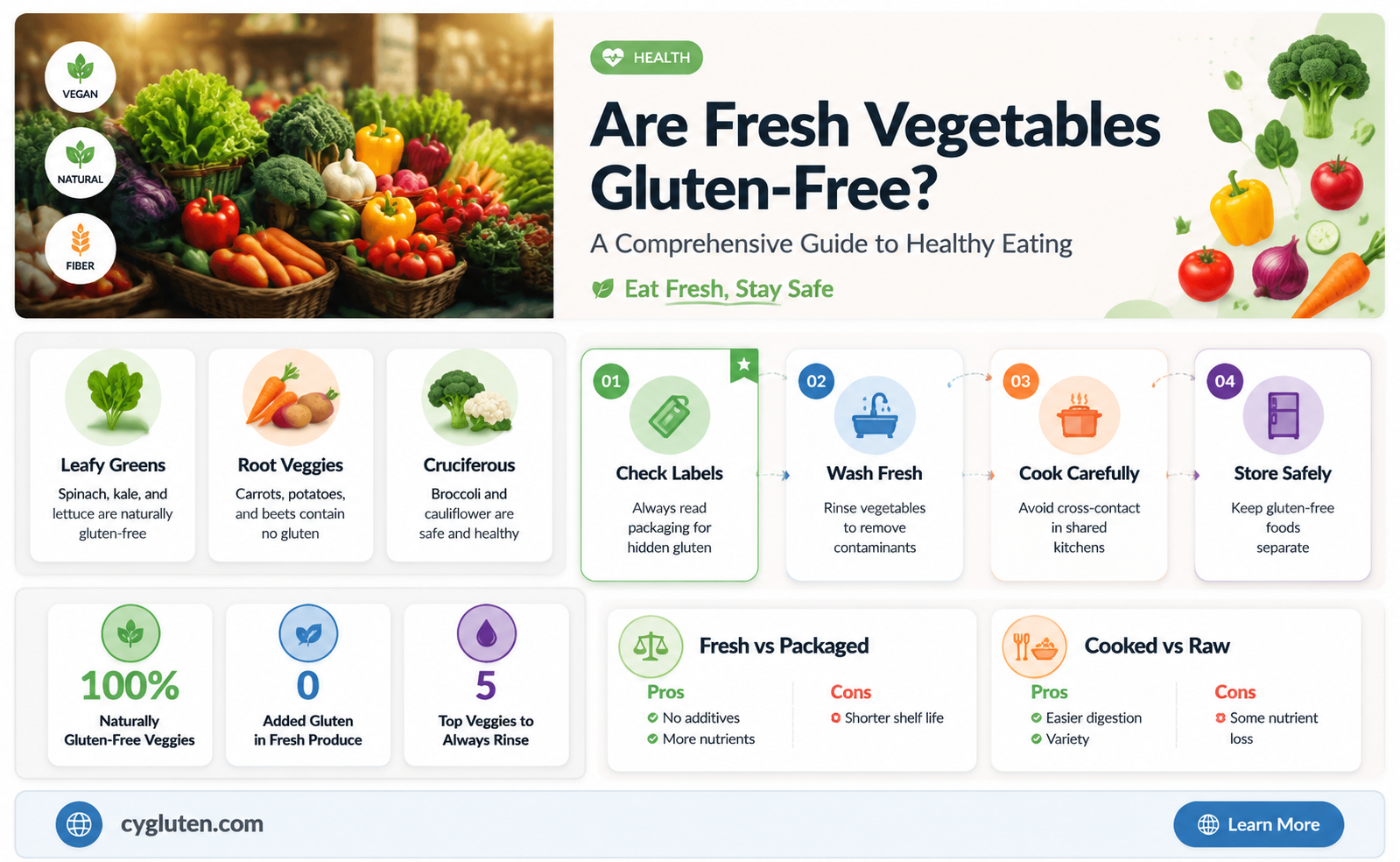
In their natural, unprocessed state, all fresh vegetables are inherently gluten-free. Gluten is a structural protein found exclusively in cereal grains like wheat, barley, rye, and their derivatives. Because vegetables belong to entire...
In their natural, unprocessed state, all fresh vegetables are inherently gluten-free. Gluten is a structural protein found exclusively in cereal grains like wheat, barley, rye, and their derivatives. Because vegetables belong to entirely different botanical families, they do not produce these proteins; however, gluten can be introduced through cross-contamination or additives during processing.
Contents
The Biological Foundation: Why Vegetables Are Naturally Gluten-Free
To understand why vegetables are safe for those with Celiac disease or non-celiac gluten sensitivity (NCGS), we must look at the biological definition of gluten. Gluten is a composite of two storage proteins, gliadin and glutenin, which are stored together with starch in the endosperm of various cereal grains. These proteins provide elasticity to dough and help bread maintain its shape.
Vegetables, by definition, are the edible parts of plants, including roots, stems, leaves, and sometimes the reproductive structures (like broccoli florets). From a botanical perspective, none of the plants classified as "vegetables"—such as nightshades (tomatoes, peppers), cruciferous plants (kale, cauliflower), or root tubers (potatoes, carrots)—possess the genetic blueprints to produce the specific prolamins found in the Triticeae tribe of the grass family (Poaceae).
As of 2026, the scientific consensus remains absolute: if you pick a vegetable directly from the soil or a vine, it contains zero gluten. The complexity arises not from the plant itself, but from what happens to that plant between the farm and your plate.
The Spectrum of Risk: Fresh, Frozen, Canned, and Dried
While the raw vegetable is safe, modern food logistics and processing introduce variables. For individuals requiring a strict gluten-free diet, it is essential to categorize vegetables by their level of processing.
Fresh Produce
Fresh, whole vegetables found in the produce aisle are the safest option. Whether you are buying organic or conventional, these items are typically handled in environments where the risk of grain contamination is nearly non-existent.
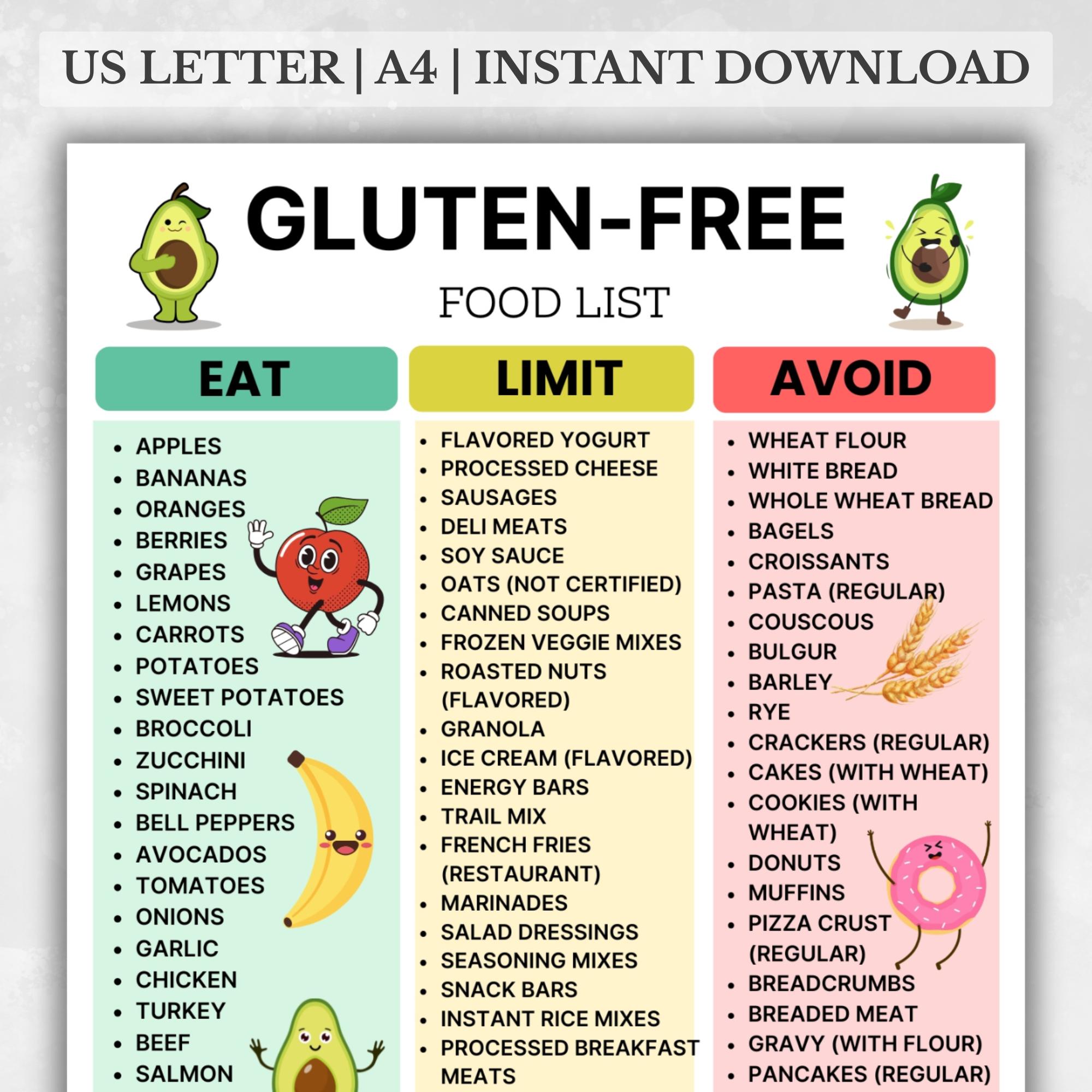
- Safe Picks: Spinach, lettuce, carrots, onions, potatoes, bell peppers, and zucchini.
- Caveat: Some grocery stores may use "pre-cut" vegetable platters. While usually safe, if the store uses the same knives or cutting boards previously used for prepared sandwiches or flour-dusted items, cross-contact is possible.
Frozen Vegetables
Frozen vegetables are often blanched and flash-frozen shortly after harvest. In most cases, plain frozen vegetables (e.g., a bag of frozen peas or corn) are gluten-free.
- The Risk: Many frozen vegetable blends include "sauces" or "seasoning packets." These often use wheat flour or modified food starch as thickeners.
- Verification: Always check for a "Gluten-Free" label. Under 2026 labeling standards, if a product contains less than 20 parts per million (ppm) of gluten, it is considered safe for most Celiacs.
Canned Vegetables
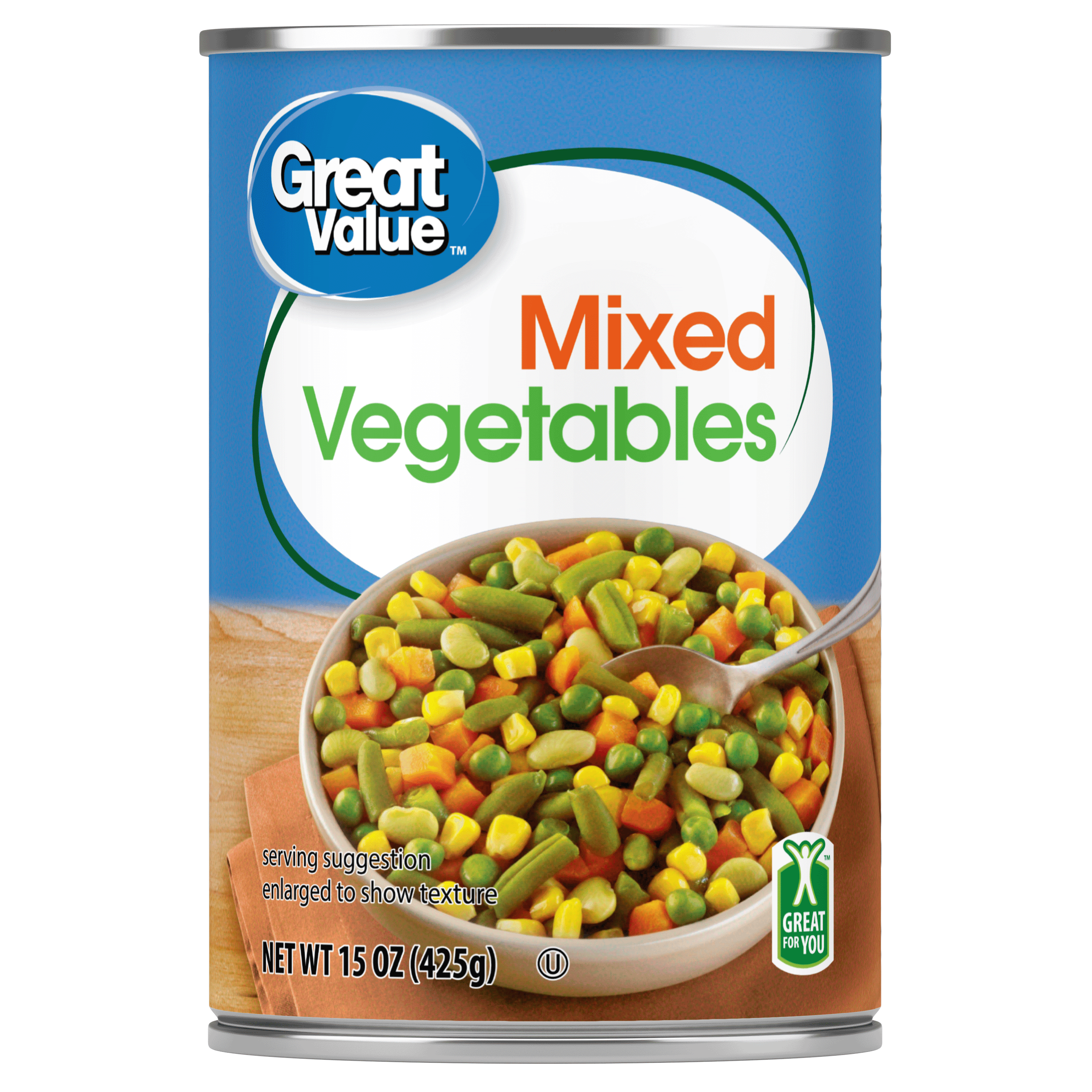
Canned vegetables are processed at high heat to ensure shelf stability. Most canned green beans, corn, and tomatoes are packed in water and salt, making them safe.
- The Risk: The primary concern with canned goods is the liquid medium. For example, "cream-style" corn or canned beans in sauce (like baked beans) may use barley malt or wheat-based thickeners.
- Specific Entity: Look for brands like Del Monte or Libby’s, which frequently provide updated gluten-free lists for their seasonal harvests.
Dried and Dehydrated Vegetables
Dried mushrooms, sun-dried tomatoes, and vegetable powders are increasingly popular in 2026.
- The Risk: Dehydration facilities sometimes process grains. Flour is occasionally used as an anti-caking agent in powdered vegetables to prevent clumping.
Identifying Gluten-Containing Additives in Vegetable Products
When vegetables are no longer in their whole form, they often become components of complex food systems. This is where gluten "hides." If you are looking at a nutrition label for a vegetable-based product, keep an eye out for these specific ingredients:
- Maltodextrin: While usually derived from corn, rice, or potato in the U.S., it can occasionally be derived from wheat. In 2026, labeling laws require wheat-derived maltodextrin to be declared, but it is a red flag for the cautious.
- Malt Vinegar: Often found in pickled vegetables or marinated artichokes. Malt vinegar is derived from barley and is not gluten-free. Distilled white vinegar, apple cider vinegar, and wine vinegar are safe alternatives.
- Modified Food Starch: If the source isn't specified (e.g., "modified corn starch"), there is a possibility it is derived from wheat.
- Hydrolyzed Vegetable Protein (HVP): This is a flavor enhancer. Unless it specifies it is from soy or corn, it may contain wheat gluten.
- Yeast Extract: Often derived from spent brewer's yeast (a byproduct of beer making), which contains barley.
Comparison of Gluten Risks by Vegetable Category
| Vegetable Category | Typical Gluten Status | Common Sources of Contamination | Recommendation |
|---|---|---|---|
| Fresh Whole | Inherently GF | Shared cutting surfaces in-store | Wash thoroughly; cut at home. |
| Frozen (Plain) | Usually GF | Shared equipment with pasta blends | Buy single-ingredient bags. |
| Canned (Water/Salt) | Usually GF | Additives in the canning liquid | Rinse beans/veggies before use. |
| Veggie Burgers | High Risk | Vital wheat gluten used as a binder | Only buy certified GF brands. |
| Battered/Breaded | Contains Gluten | Wheat-based breading or tempura | Avoid unless explicitly GF-labeled. |
| Restaurant Salads | Variable | Croutons, dressings, or "crispy" bits | Ask about shared prep areas. |
The "Vegetable" Impostors: When Plants Are Not What They Seem
In 2026, the rise of plant-based meat alternatives has blurred the lines for many consumers. It is vital to distinguish between a "vegetable" and a "vegetable-based product."
Seitan, often marketed as a "wheat meat" or vegetarian protein, is made entirely from vital wheat gluten. It is frequently found in stir-fries or "veggie" tacos. For someone with a gluten intolerance, seitan is the most dangerous "vegetable-adjacent" food available.
Similarly, many veggie burgers use wheat as a primary structural ingredient to mimic the texture of beef. Even "black bean burgers" often use breadcrumbs or flour as a binder to prevent the patty from falling apart on the grill.
Corn and Potatoes are another area of confusion. Botanically, corn is a grain and a potato is a tuber, but both are culinary vegetables. Both are naturally gluten-free. However, processed potato products like French fries are a major source of accidental exposure. Many restaurants dust fries in flour to achieve a crispier texture, or they use a shared fryer where breaded chicken or onion rings are cooked.
Cross-Contamination: The Invisible Factor
For those with Celiac disease, even a "crumb" of gluten (roughly 10mg) can trigger an autoimmune response. Therefore, even if the vegetable is 100% gluten-free, the environment matters.
At the Grocery Store
Bulk bins are a significant risk. If the scoop used for wheat flour or barley is used for dried peas or sun-dried tomatoes, the vegetables are no longer safe. Stick to pre-packaged goods or whole produce that can be thoroughly washed.
In the Kitchen
If you share a kitchen with gluten-eaters, cross-contact can occur through:
- Wooden Cutting Boards: These are porous and can trap gluten particles from bread or pasta.
- Colanders: The small holes in a colander used for draining wheat pasta are notorious for holding onto gluten, which then transfers to your steamed vegetables.
- Toasters: Never put "vegetable toasts" (like sweet potato slices) in a toaster used for regular bread.
Frequently Asked Questions
Is corn gluten-free?
Yes, corn is naturally gluten-free. While it contains a protein called "corn gluten" (zein), this is biologically different from the gluten found in wheat, barley, and rye. It does not trigger the same autoimmune response in people with Celiac disease. However, corn-based products like cornmeal or corn grits must be checked for cross-contamination during milling.
Are frozen French fries gluten-free?
Not always. While potatoes are gluten-free, many commercial frozen fries are coated in a wheat-based batter to help them stay crispy when baked or fried. Always check the ingredients list for "wheat flour" or "wheat starch." In 2026, many brands have switched to rice flour or potato starch, but verification is still required.
Does cooking vegetables destroy gluten?
No. Gluten is a highly heat-stable protein. Cooking, boiling, or even charring vegetables that have been contaminated with gluten will not make them safe for someone with Celiac disease. The only way to remove gluten is through physical cleaning (if it's on the surface) or total avoidance.
Are canned beans safe?
Plain canned beans (kidney, black, pinto) packed in water and salt are almost always gluten-free. However, beans are often grown in rotation with wheat or processed in facilities that handle grains. Rinsing canned beans under cold water can help remove residual dust or starches, but looking for a gluten-free label is the safest practice.
What about restaurant vegetable soups?
Vegetable soups are a high-risk item. Chefs frequently use a "roux" (a mixture of flour and fat) to thicken soups. Additionally, many vegetable broths use "yeast extract" or "barley malt" for flavor. Always ask if the soup is thickened with flour or if the base is certified gluten-free.
Practical Recommendations for 2026
To ensure your vegetable intake remains 100% gluten-free, follow these steps:
- Prioritize the Perimeter: Shop the outer edges of the grocery store where fresh, whole produce is kept. The fewer steps between the farm and your kitchen, the lower the risk.
- Wash Whole Produce: Even though fresh vegetables are GF, they can pick up dust or residue during transport. A thorough rinse under running water is standard best practice.
- Read Labels Diligently: In 2026, manufacturers are better at labeling, but ingredients can change. Look for the "Certified Gluten-Free" seal on any packaged or processed vegetable product.
- Inquire at Restaurants: Do not assume a "steamed vegetable" side dish is safe. Ask if they use shared water (where pasta was boiled) or shared butter/oil.
- Use Dedicated Tools: If you live in a multi-diet household, use a separate colander and cutting board for your vegetable preparation to eliminate cross-contact.
By focusing on whole, unprocessed plants and maintaining a high level of scrutiny regarding additives, you can safely enjoy the full nutritional spectrum that vegetables offer without the risk of gluten exposure.
Image Gallery