Finding a Reliable Solar Panels Company Near Me: A Professional Guide to Selection
Selecting a qualified solar energy provider involves balancing technical capability, financial transparency, and local regulatory expertise. Finding the right solar panels company near you requires a systematic approach to verifying cr...
Selecting a qualified solar energy provider involves balancing technical capability, financial transparency, and local regulatory expertise. Finding the right solar panels company near you requires a systematic approach to verifying credentials, assessing equipment quality, and understanding the specific installation requirements for your property, ensuring you achieve both long-term energy savings and system durability.
Contents
Defining the Search for Local Solar Expertise
When searching for a "solar panels company near me," you are primarily looking for a licensed contractor capable of managing the end-to-end lifecycle of a residential or commercial photovoltaic (PV) system. The search intent is twofold: first, finding a firm with a physical presence or significant service history in your immediate geographic region to ensure prompt maintenance and permit filing; and second, identifying a partner who understands local utility interconnection standards and regional climate impacts on panel efficiency.
Choosing a local firm is generally superior to national chains for long-term service. Local contractors often rely on community reputation and possess a deeper understanding of local building codes and municipal zoning ordinances. A company operating within your county is more likely to have established relationships with local electrical inspectors, which can expedite the permit approval and final interconnection process.
Verification of Credentials and Licensing
Before engaging in a consultation, you must verify the legal standing of the solar company. In most jurisdictions, installing solar panels is a specialized electrical task that requires specific licensing.
- State Electrical/Contractor License: Verify that the company holds a current, active license issued by your state’s contractor licensing board. Cross-reference the license number provided by the company against the official state registry.
- NABCEP Certification: Look for installers certified by the North American Board of Certified Energy Practitioners (NABCEP). While not always mandatory by law, this professional credential signifies that the installer has undergone rigorous training and adheres to industry-standard safety and technical guidelines.
- Insurance Coverage: A professional solar company must carry general liability and workers' compensation insurance. Ask for a Certificate of Insurance (COI) to confirm that they are adequately covered against property damage or injury during the installation phase.
- Permit History: Ask the company how many projects they have completed in your specific municipality. A high volume of local installs suggests they have successfully navigated the local permitting office and understand regional utility requirements.
Assessing Equipment and Technological Specifications
Not all solar panels are equal. The performance of your system over its 25-to-30-year lifespan depends on the quality of the components. When evaluating quotes, pay attention to the manufacturer, the efficiency rating, and the degradation rate.
- Tier 1 Modules: Most reputable installers use "Tier 1" panels. These are manufactured by companies that are vertically integrated and have been producing panels for at least five years. These panels typically feature higher efficiency (conversion rates of 20% or higher) and lower degradation rates.
- Inverter Technology: You will need to choose between string inverters, power optimizers, or microinverters. Microinverters are generally preferred if your roof has significant shading issues, as they allow each panel to operate independently, preventing a single shaded panel from dragging down the performance of the entire system.
- Warranty Structure: A robust solar proposal should include a dual-warranty structure: a 25-year product warranty (covering defects) and a 25-year performance warranty (guaranteeing a specific output percentage over time). Ensure that the company also provides a workmanship warranty covering the installation quality.
Comparative Evaluation of Solar Proposals
To make an informed decision, obtain at least three written quotes. Use the following framework to compare the proposals side-by-side to ensure you are comparing equivalent services.
| Feature | Proposal A | Proposal B | Proposal C |
|---|---|---|---|
| System Size (kW) | Total capacity | Total capacity | Total capacity |
| Hardware Brand | Manufacturer name | Manufacturer name | Manufacturer name |
| Cash Price | Total before incentives | Total before incentives | Total before incentives |
| Warranty Terms | Years and coverage | Years and coverage | Years and coverage |
| Monitoring | App-based dashboard | App-based dashboard | App-based dashboard |
Financial Considerations and Incentives
As of 2026, the economic feasibility of solar panels is bolstered by various federal and state incentives. The primary driver is the federal Residential Clean Energy Credit, which allows homeowners to deduct a percentage of their installation costs from their federal income taxes.
When discussing costs with a solar company, clarify whether the quote includes:
- Permit and Interconnection Fees: Ensure these are baked into the contract price so there are no surprises during the application phase.
- Roof Inspection: A reputable company should inspect your roof condition before providing a quote. If your roof is nearing the end of its life, the solar company should advise you to replace it before installation.
- Financing Options: Evaluate whether you are opting for a cash purchase, a solar loan, or a lease/Power Purchase Agreement (PPA). Buying the system outright typically provides the highest long-term return on investment, while loans allow for immediate energy bill savings with little to no upfront capital.
Operational and Installation Requirements
The installation process generally follows a standardized timeline. Understanding this flow helps you set expectations for your project:
- Site Assessment: A technician measures your roof, evaluates tilt, azimuth (direction), and identifies potential obstacles like chimneys or large trees.
- System Design: The engineering team creates a CAD design for the system, which must comply with local fire safety codes regarding roof setbacks and access paths for emergency personnel.
- Permitting: The company submits designs to the local municipality. This is often the stage where delays occur, so verify that the company has a dedicated administrative team to handle these filings.
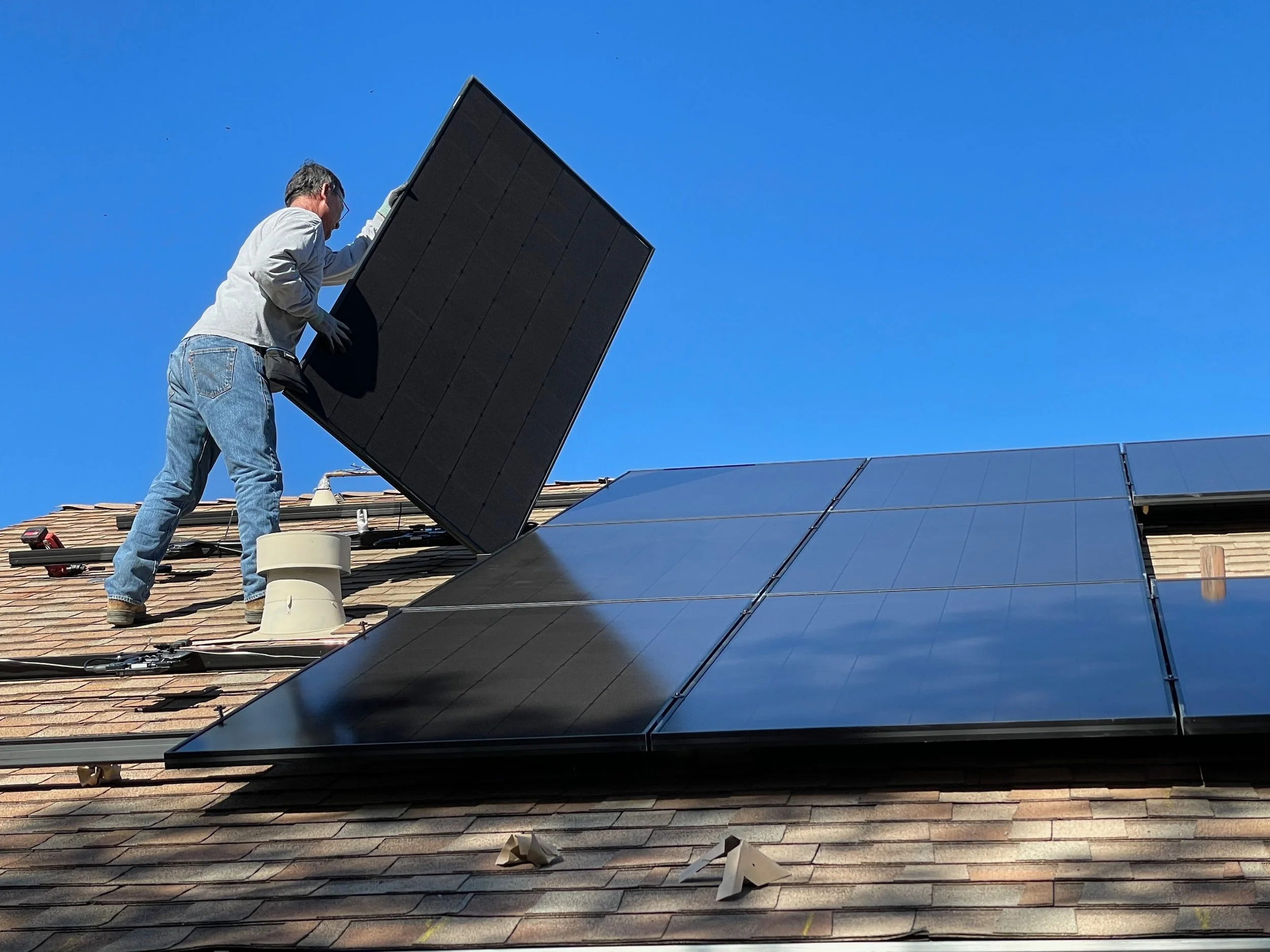
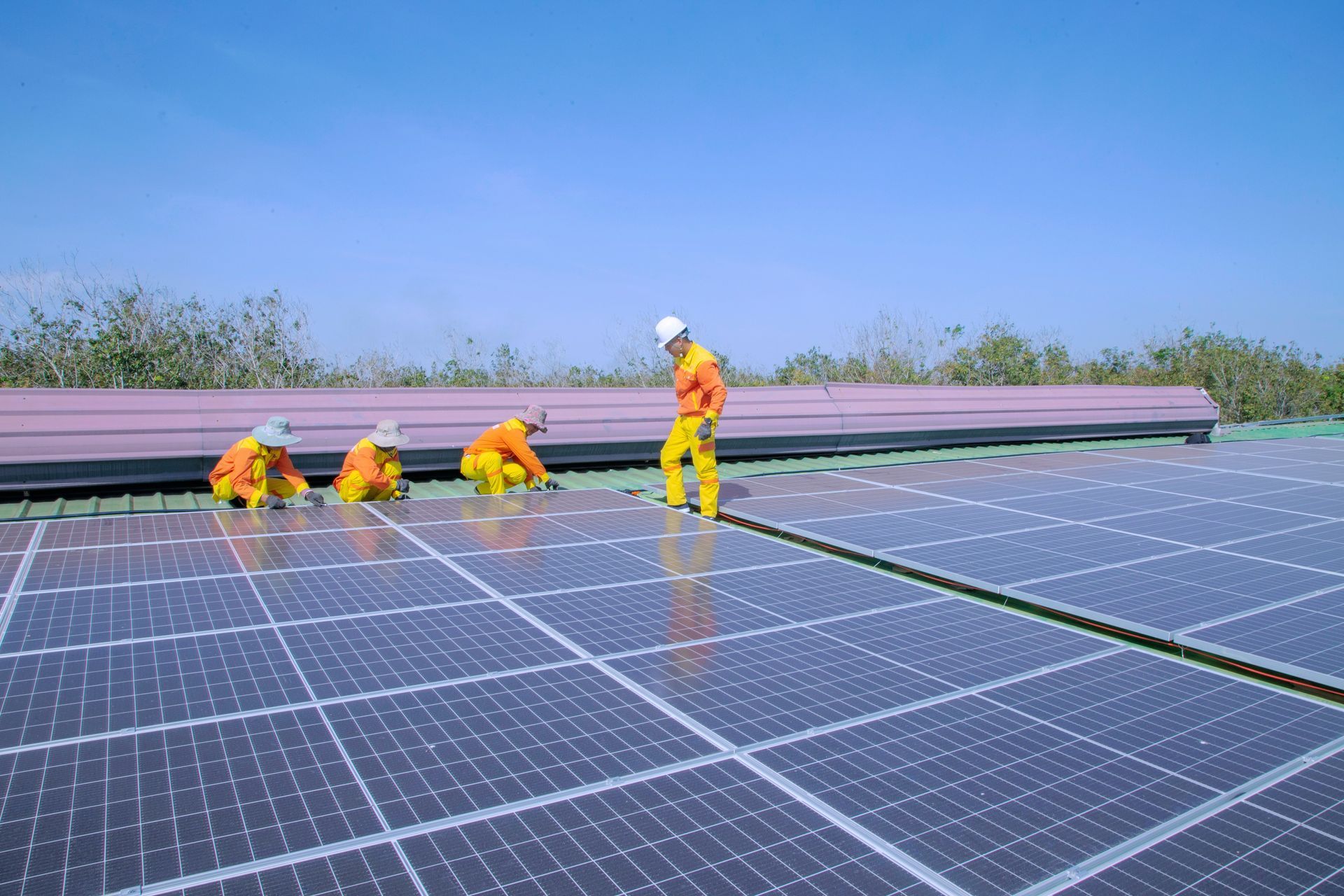
- Installation Day: Actual roof work typically takes one to three days, depending on system size. The electrical connection follows, requiring a final inspection by the city or county.
- Interconnection: Your local utility provider grants "permission to operate" (PTO). Do not turn on your system until you have received formal PTO notification to avoid issues with your utility account.
Troubleshooting Common Installation Issues
Even with a high-quality installation, minor issues can occur. If your system shows low production on the monitoring app, check for the following:
- Physical Obstruction: Debris, excessive bird waste, or new tree growth may be casting shade.
- Wi-Fi Connectivity: Your inverter’s communication gateway may have lost connection to your home network, preventing data from uploading to the monitoring portal.
- Grid Outages: If the grid goes down, most grid-tied systems will automatically shut off for safety reasons. This is standard behavior and does not indicate a system fault.
Frequently Asked Questions
How can I verify if a solar company is legitimate? Check their license status on your state’s Secretary of State website or Department of Labor and Industry. Furthermore, search for their name on the Better Business Bureau and review recent project filings with your local building department.
What happens if the company goes out of business after my installation? This is why equipment choice matters. If you use major-brand panels and inverters, you can often contact the manufacturer directly for warranty claims. Always keep a copy of your installation contract and equipment serial numbers in a secure location.
Does a solar company need to perform a roof inspection? Yes. Installing solar on an aging roof is a significant error. A professional company must assess whether the roof structure can support the weight of the panels and whether the roof surface will last as long as the solar system.
How do I handle maintenance on my solar panels? Most systems are "set it and forget it." In dry climates, an occasional hosing down to remove dust is sufficient. In most other areas, rainfall keeps the glass sufficiently clean to maintain optimal output. Never use abrasive cleaners or power washers on your panels.
Next Steps for Your Solar Project
To begin, compile a copy of your last 12 months of electricity bills. This allows companies to accurately size your system to match your consumption patterns. Contact three local, licensed installers and request a site survey. Prioritize companies that demonstrate transparency regarding the permitting process and provide clear, itemized quotes. Once you receive your proposals, verify the specific hardware included and ensure the warranty coverage is backed by reputable manufacturers. By selecting a company that respects local building requirements and offers a comprehensive service agreement, you ensure your transition to solar energy is both productive and secure.
Image Gallery