Comprehensive Guide to Posture Correction Tools: Types, Mechanisms, and Safe Usage
Posture correction tools encompass a broad category of wearable devices, ergonomic accessories, and therapeutic aids designed to assist individuals in maintaining proper spinal alignment and mitigating musculoskeletal discomfort. These...
Posture correction tools encompass a broad category of wearable devices, ergonomic accessories, and therapeutic aids designed to assist individuals in maintaining proper spinal alignment and mitigating musculoskeletal discomfort. These aids range from passive lumbar supports and ergonomic cushions to active wearable braces and sensor-driven biofeedback devices, each functioning through distinct mechanical or behavioral principles to support long-term postural health.
Contents
Understanding Posture and the Mechanics of Correction
Human posture refers to the position in which someone holds their body while standing, sitting, or lying down. Maintaining optimal posture involves a delicate balance of muscular engagement and skeletal alignment, particularly across the cervical, thoracic, and lumbar regions of the spine. When this balance is disrupted—frequently due to prolonged sedentary behavior, desk work, or improper ergonomics—stress accumulates on supportive ligaments, intervertebral discs, and skeletal structures, potentially leading to chronic strain and fatigue.
Posture correction tools do not actively rebuild muscle or permanently realign bones on their own. Instead, they serve as external mechanical interventions or sensory reminders. Passive tools, such as ergonomic cushions and lumbar rolls, physically alter the seating environment to encourage a natural lumbar curve. Active tools, including posture braces and clavicle straps, provide tactile feedback or mechanical resistance, gently drawing the shoulders back and discouraging slouching. Understanding this distinction is vital for setting realistic expectations: these tools are supportive scaffolding rather than permanent fixes for underlying muscular imbalances.
Major Categories of Posture Correction Tools
The market offers a diverse array of interventions tailored to specific postural challenges, environments, and user preferences. Selecting the appropriate device requires evaluating whether the primary issue stems from workstation ergonomics, upper-back slouching, or lower-back fatigue.
| Category | Primary Mechanism | Best Suited For |
|---|---|---|
| Posture Braces & Clavicle Straps | Mechanical tension pulling shoulders back | Short-term postural awareness and habit formation |
| Ergonomic Cushions & Lumbar Rolls | Structural pelvic support and spinal curvature | Office workers, drivers, and prolonged sitting |
| Electronic Biofeedback Sensors | Real-time vibration or app alerts on slouching | Desk workers seeking continuous behavioral training |
| Posture-Correcting Shirts | Targeted tension panels woven into fabric | Active wearers requiring subtle, daily muscle cues |
Posture Braces and Clavicle Straps
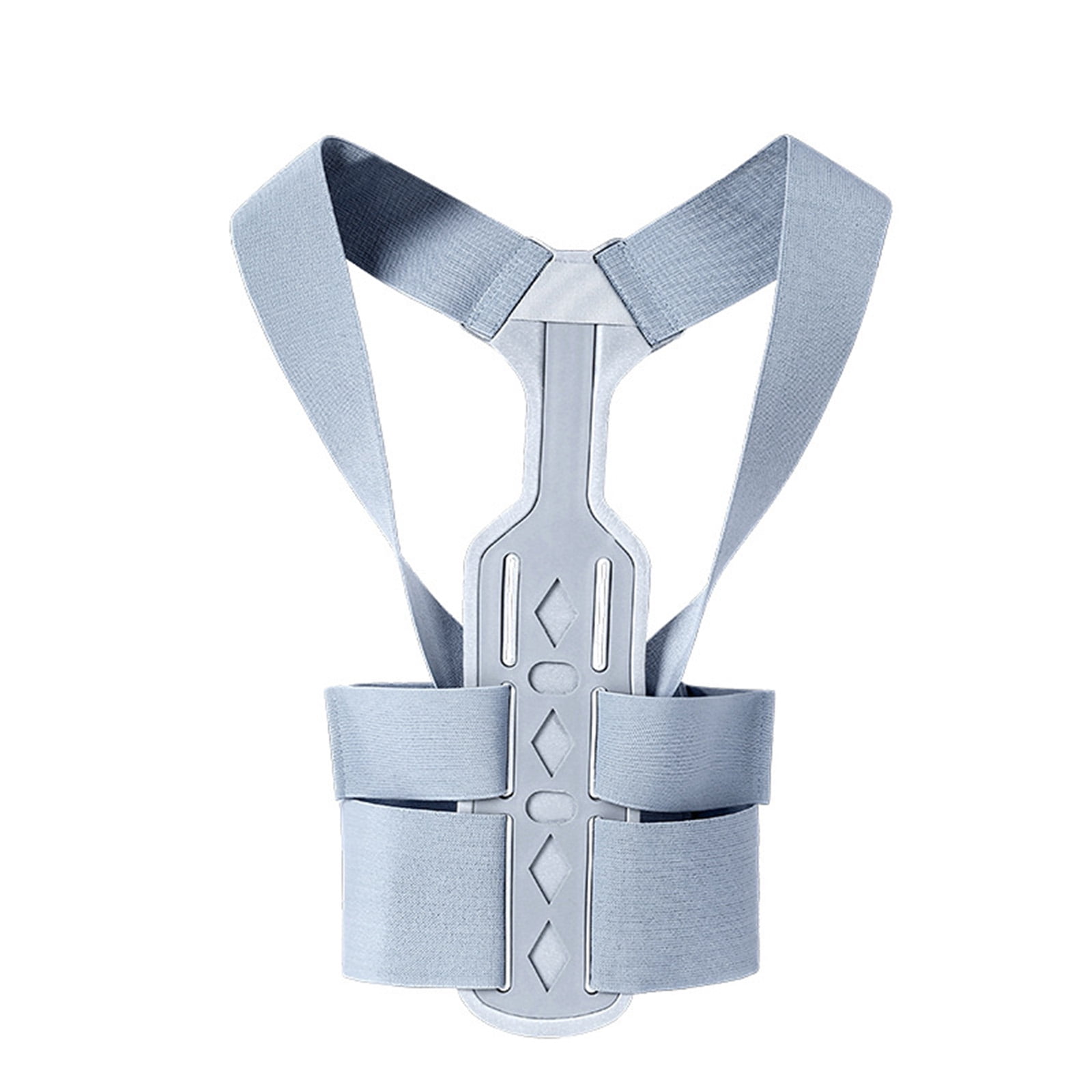
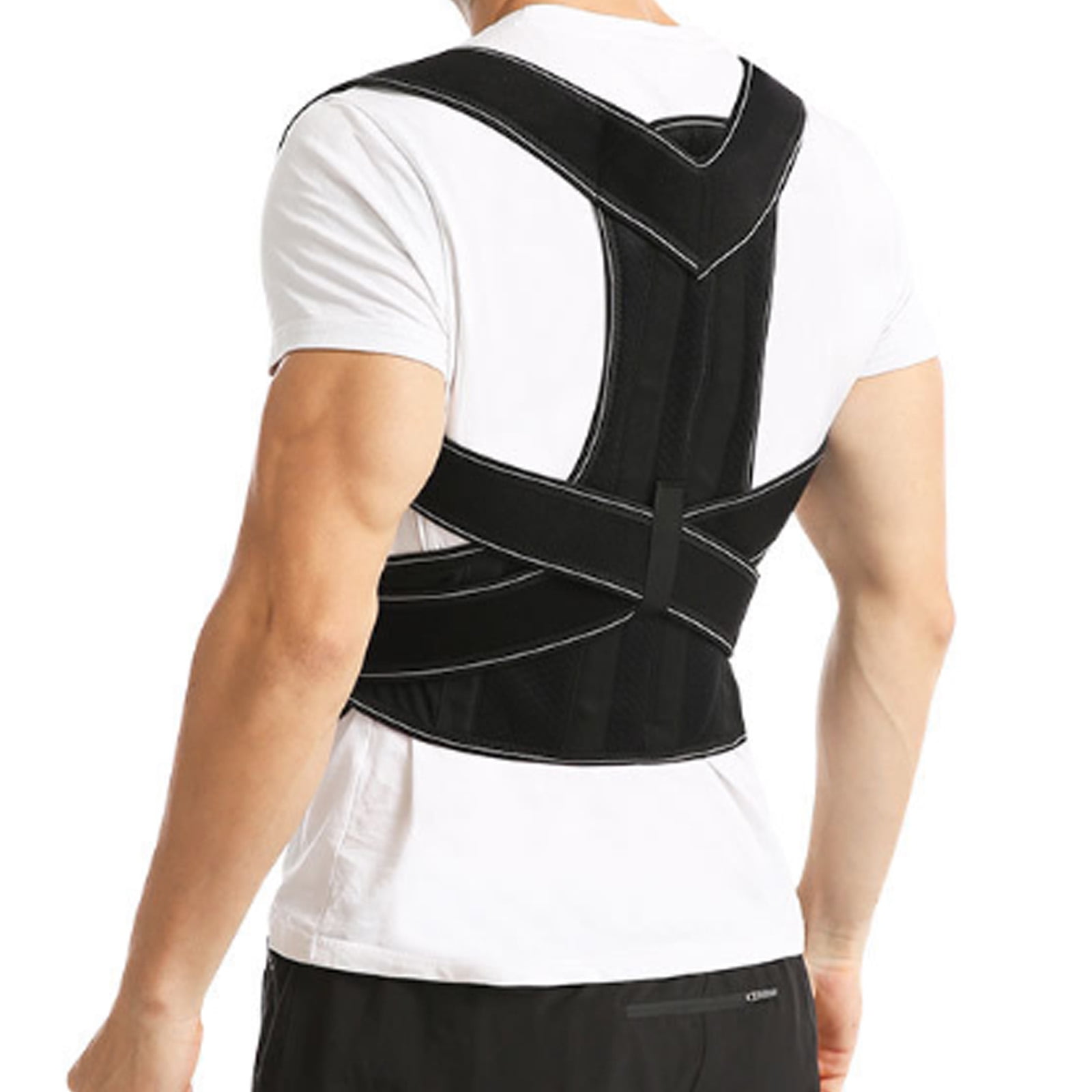
Posture braces typically wrap around the shoulders and torso, utilizing adjustable straps to apply gentle pressure that pulls the shoulders backward. Clavicle straps focus more narrowly on the upper collarbone area. These devices are effective for increasing immediate awareness of rounded shoulders. However, reliance on them for extended periods without complementary strengthening exercises can potentially lead to muscle dependency, where supporting postural muscles weaken because the brace assumes their workload.
Ergonomic Seating Accessories
For individuals whose postural challenges arise from desk-bound occupations, seating accessories often yield more sustainable benefits than wearable braces. Lumbar rolls fill the natural inward curve of the lower back, preventing slouching and posterior pelvic tilt. Wedge cushions tilt the pelvis slightly forward, encouraging a neutral spine and distributing body weight more evenly. Because these tools modify the environment rather than constraining the body, they do not induce muscle atrophy and can be used throughout the workday without strict time limits.
Electronic Posture Trainers and Biofeedback Devices
Modern technology has introduced small, adhesive or clip-on electronic sensors that monitor spinal alignment in real-time. When the user slouches beyond a preset threshold, the device emits a subtle vibration or sends a notification to a mobile application. This approach relies on operant conditioning and neuromuscular re-education, prompting the user to actively engage their core and back muscles rather than relying on external mechanical support.
Benefits, Limitations, and Safety Considerations
While posture correction tools offer tangible advantages for managing discomfort and building body awareness, they must be integrated thoughtfully into a daily routine.
Potential Benefits
- Immediate Feedback: Devices highlight unconscious slouching habits, helping users recognize when they drift into poor alignment.
- Ergonomic Adaptation: Lumbar supports and cushions reduce mechanical stress on the lower back during long periods of sitting.
- Complementary Support: Used alongside physical therapy or targeted strengthening routines, tools can aid in recovery from minor postural fatigue.
Limitations and Risks
- Muscle Atrophy Risk: Wearing rigid braces for hours daily without engaging in core and back strengthening can cause postural muscles to weaken from disuse.
- Temporary Relief vs. Root Cause: Tools rarely address the underlying causes of poor posture, such as weak core stabilizers, tight hip flexors, or poorly configured workstation ergonomics.
- Skin Irritation and Chafing: Wearable straps and synthetic fabrics can cause friction, particularly in warmer environments or during physical exertion.
Medical Disclaimer: Posture correction tools are not medical devices designed to treat diagnosed spinal pathologies such as severe scoliosis, herniated discs, or structural spinal deformities. Individuals experiencing chronic pain, numbness, radiating discomfort, or neurological symptoms should consult a qualified physician or physical therapist before initiating the use of posture-correcting aids.
Integrating Tools into an Effective Postural Routine
Maximizing the effectiveness of posture correction tools requires combining them with active lifestyle modifications and proper workspace ergonomics. Relying on a single accessory is rarely sufficient for achieving lasting improvement.
- Optimize Your Workstation: Ensure your monitor is at eye level, your chair supports your lumbar curve, and your feet rest flat on the floor or a footrest. Environmental design eliminates the physical triggers of slouching.
- Implement Timed Wear Schedules: If using a wearable posture brace, limit sessions to 30 to 60 minutes per day. This prevents muscle dependency while reinforcing proper alignment habits.
- Incorporate Strengthening Exercises: Focus on building endurance in the rhomboids, trapezius, and deep cervical flexors, alongside core stabilization movements like planks and bird-dogs.
- Take Movement Breaks: Set regular intervals to stand, stretch, and reset your posture, counteracting the static loading of prolonged sitting.
Frequently Asked Questions
Can posture correctors permanently fix bad posture?
No. Posture correctors are supportive aids designed to build awareness and temporarily relieve strain. Permanent improvement requires active strengthening of core and back muscles, alongside consistent ergonomic habits.
How long should I wear a posture brace each day?
Most experts recommend wearing a posture brace for no more than 30 to 60 minutes at a time. Wearing a brace continuously throughout the day can cause the supporting muscles to weaken due to lack of use.
Are electronic posture sensors better than traditional braces?
Electronic sensors promote active muscle engagement through biofeedback and vibration reminders, whereas traditional braces provide passive mechanical support. Sensors are generally preferred for long-term habit formation, while braces offer immediate postural alignment.
Do ergonomic lumbar supports fit any chair?
Most portable lumbar rolls and cushions feature adjustable elastic straps designed to fit standard office chairs, car seats, and airplanes. However, highly contoured or specialized ergonomic chairs may have built-in lumbar support that renders additional cushions unnecessary.
When should I see a doctor about my posture?
You should consult a healthcare professional if poor posture is accompanied by chronic pain, numbness, tingling in the extremities, muscle weakness, or pain that radiates down your arms or legs.
To begin improving your postural health today, audit your primary seating environment and introduce targeted ergonomic adjustments, such as a lumbar roll, before considering wearable bracing devices.
Image Gallery