Rodsmith: Navigating the Quiet Marketplace for Custom Fishing Rods
Rodsmith is a specialized digital marketplace that connects discerning anglers with professional custom fishing rod builders. By providing a streamlined platform for bespoke rod configuration and direct communication, it allows users t...
Rodsmith is a specialized digital marketplace that connects discerning anglers with professional custom fishing rod builders. By providing a streamlined platform for bespoke rod configuration and direct communication, it allows users to acquire high-performance, handcrafted fishing gear tailored to specific species, techniques, and aesthetic preferences without the noise of mass-market retail.
Contents
Understanding the Rodsmith Ecosystem in 2026
The fishing industry has seen a significant shift toward personalization, and by 2026, Rodsmith has solidified its position as the premier "quiet marketplace." Unlike massive e-commerce platforms that prioritize volume and generic stock, Rodsmith focuses on the relationship between the angler and the craftsman. The term "quiet marketplace" refers to the platform’s curated environment, which minimizes distracting advertisements and aggressive upselling in favor of technical specifications and direct builder-to-consumer consultations.
For many anglers, the transition from a mass-produced "off-the-shelf" rod to a custom build is a milestone. The Rodsmith marketplace facilitates this by hosting a directory of vetted builders, often referred to as "Rodsmiths," who specialize in various niches—from ultra-light fly rods for alpine streams to heavy-duty conventional rods for offshore pelagic species. The platform acts as a neutral ground where technical requirements meet artisanal skill.
The core value proposition of Rodsmith lies in its ability to bridge the gap between high-end components and expert assembly. In an era where carbon fiber technology and resin systems have reached new heights of sensitivity and durability, the way these materials are utilized becomes the differentiating factor. Rodsmith provides the interface where these nuances are discussed, decided, and executed.
Why Anglers Choose Custom Over Production Rods
While high-end production rods from major brands are better than ever, they are still built for the "average" user. A custom rod through the Rodsmith marketplace is engineered for a specific individual's ergonomics and fishing style. This distinction is critical for anglers who spend hundreds of hours on the water and require equipment that minimizes fatigue while maximizing performance.
Ergonomics and Balance
One of the primary technical advantages of using a Rodsmith-sourced builder is the ability to customize the rear grip length and foregrip material. A rod's balance point is significantly affected by the weight of the reel used. On Rodsmith, builders often ask for the specific reel model the angler intends to use. They then balance the rod by adjusting the guide placement or adding small amounts of weight to the butt section, ensuring the tip doesn't feel "heavy" during a long day of casting.
Component Optimization
In the quiet marketplace, builders have access to a wider array of components than mass producers. This includes specialized guides like Torzite or Silicon Carbide (SiC), which offer superior heat dissipation and reduced friction. By choosing a custom build, an angler can ensure that every guide is precisely aligned with the spine of the rod blank—a step often skipped or automated in mass production—resulting in more accurate casts and better power distribution during a fight.
Material Selection
By 2026, the variety of rod blanks available on the marketplace has expanded to include advanced nano-resins and high-modulus carbon blends. Rodsmith allows users to filter builders based on their expertise with specific materials, such as fiberglass for crankbait fishing or high-modulus graphite for sensitive jigging applications. This level of granularity ensures the tool matches the technique perfectly.
Navigating the Rodsmith Marketplace: A Step-by-Step Process
Entering a custom marketplace can be intimidating for those used to "add to cart" simplicity. However, the Rodsmith platform is designed to guide users through a logical progression that ensures the final product meets expectations.
Phase 1: Identifying the Technique
The first step on Rodsmith is defining the primary use case. The platform’s interface allows users to select their target species (e.g., Largemouth Bass, Tarpon, Steelhead) and the specific technique (e.g., vertical jigging, dry fly, bottom bouncing). This filtering process narrows the list of available builders to those who have a proven track record in that specific discipline.
Phase 2: Builder Selection and Consultation
Once a shortlist of builders is established, the "quiet" nature of the marketplace becomes apparent. Instead of a checkout button, the primary call to action is often a consultation request. This is where the angler and the builder discuss the specifics:
- Action and Taper: How the rod bends under load.
- Power: The rod's resistance to bending.
- Length: Tailored to the angler's height and casting environment.
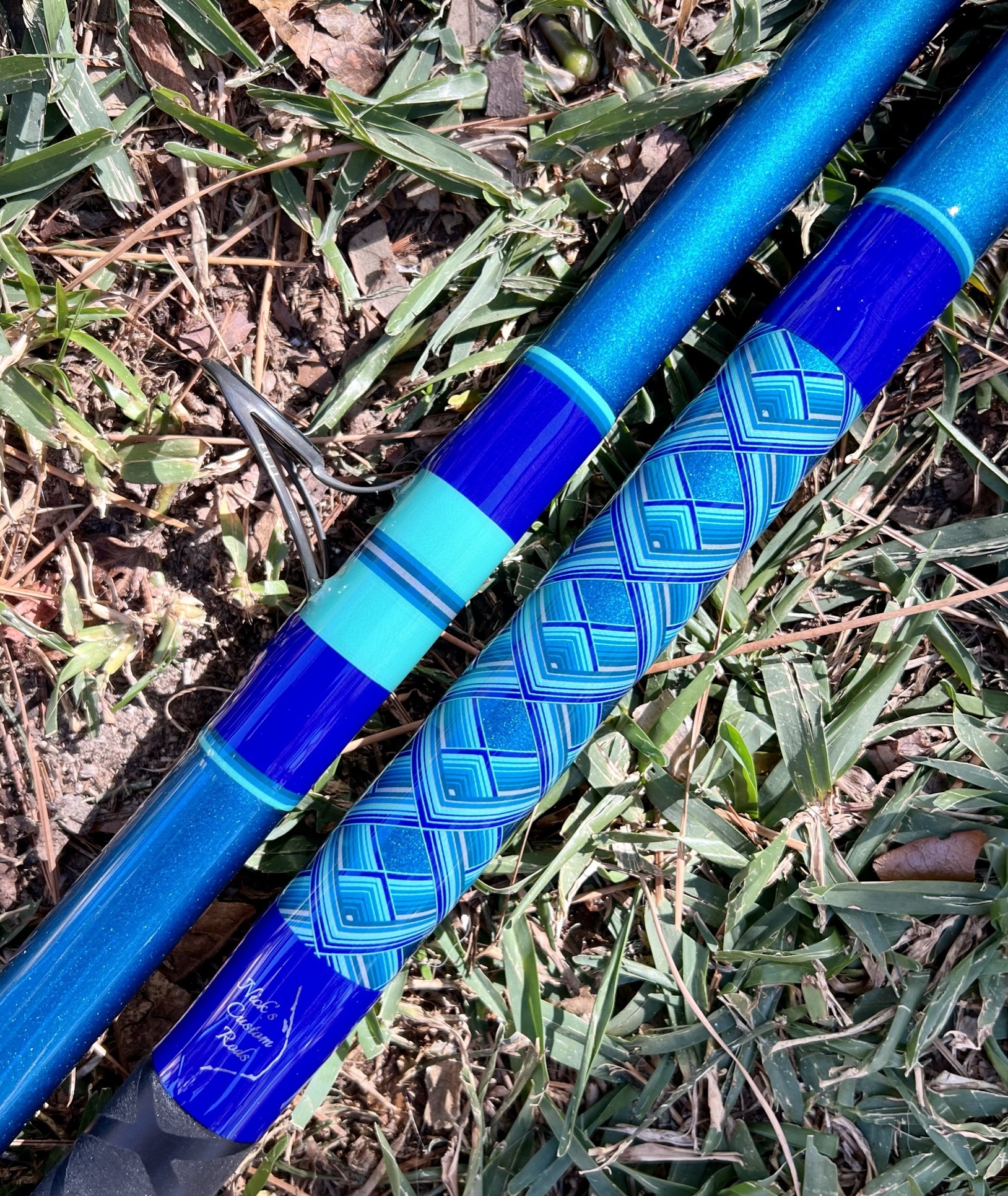
- Aesthetics: Thread wrap colors, reel seat materials (like stabilized wood or machined aluminum), and personalized inscriptions.
Phase 3: The Build and Quality Assurance
After the specifications are finalized and a deposit is made, the builder begins the assembly. On Rodsmith, many builders provide periodic updates, including photos of the "spine" alignment or the epoxy finish on the guides. This transparency is a hallmark of the marketplace and builds a level of trust that is impossible to achieve with a retail purchase.
The Technical Specifications of a Custom Build
To fully appreciate the Rodsmith marketplace, one must understand the technical variables that builders manipulate. These are not merely cosmetic choices; they are functional decisions that impact the rod's life span and performance.
| Feature | Production Rod Standard | Rodsmith Custom Build |
|---|---|---|
| Spine Alignment | Often ignored or approximate | Precision aligned for maximum power |
| Guide Spacing | Static, based on generic templates | Dynamic, based on individual blank flex |
| Handle Material | Grade B or C cork / EVA foam | Grade AAA cork, burl, or custom carbon |
| Reel Seat | Standard plastic/nylon | Machined aluminum or stabilized exotic woods |
| Weight | Optimized for shipping/durability | Minimized for sensitivity and ergonomics |
| Warranty | Manufacturer limited | Often lifetime builder-direct support |
The Importance of Guide Spacing and "Static Testing"
In the Rodsmith marketplace, "static testing" is a common term used by builders. This involves temporary-taping guides to the rod blank, putting it under a load, and ensuring the fishing line follows the curve of the blank without touching it or creating sharp angles. Production rods use a "one size fits all" spacing, but since no two carbon blanks are identical, custom spacing ensures the stress is distributed evenly, preventing rod breakage under extreme pressure.
Cost Considerations and Value Proposition
A common question regarding the Rodsmith marketplace is the price disparity between custom and retail rods. As of 2026, custom rods on the platform typically range from $350 to over $1,200, depending on materials and the builder's reputation.
The value, however, is found in the total cost of ownership. A high-quality custom rod is built to last decades, not seasons. Because the components are of higher quality and the assembly is performed with more care, these rods are less prone to guide failure, reel seat loosening, or "dead spots" in the blank. Furthermore, Rodsmith facilitates repairs; if a guide is stepped on or a tip is broken, the original builder is usually available to restore the rod to its original specifications, which is rarely an option with mass-produced gear.
The Role of the "Rodsmith" Builder
The individuals on the platform are more than just assemblers; they are engineers and artists. The term "Rodsmith" implies a mastery of materials. By 2026, many of these craftsmen have integrated modern technologies like 3D-printed handle components and laser-etched reel seats into their builds.
These builders often act as consultants, steering anglers away from common mistakes, such as choosing a blank that is too stiff for the intended line weight or selecting guides that are too heavy for a finesse rod. This expert guidance is the "quiet" advantage of the marketplace—it prevents the buyer’s remorse that often follows an uneducated retail purchase.
Common Mistakes to Avoid on the Marketplace
Even with expert guidance, new users can make errors when navigating Rodsmith. Awareness of these pitfalls ensures a smoother experience:
- Over-Customization: It is tempting to add every possible aesthetic flourish. However, excessive thread wraps and heavy epoxy can dampen the rod's sensitivity. Trust the builder when they suggest a "cleaner" build.
- Vague Requirements: Telling a builder you want a "good bass rod" is insufficient. Be prepared to discuss specific lure weights, line types (braid vs. fluorocarbon), and the typical cover you fish in.
- Ignoring Lead Times: Quality takes time. High-demand builders on Rodsmith may have lead times ranging from four weeks to six months. Planning your purchase in the off-season is a strategic move.
Frequently Asked Questions
What makes Rodsmith different from other fishing marketplaces?
Rodsmith is specifically designed for the custom rod building industry, focusing on technical consultation rather than high-volume sales. It prioritizes the craftsmanship of the "Rodsmith" and provides tools for detailed configuration that are not found on general sporting goods websites. The platform emphasizes a "quiet" user experience, free from the aggressive marketing common in the broader fishing industry.
Can I choose my own components on Rodsmith?
Yes, the platform is built to allow high levels of customization. While most builders have preferred brands (such as Fuji, SeaGuide, or North Fork Composites), you can generally request specific blanks, guides, and handle configurations. The builder will then verify if those components are compatible with the intended use of the rod.
Is there a warranty on rods purchased through the marketplace?
Warranties on Rodsmith are typically handled directly by the individual builder rather than the platform itself. Most professional builders offer a lifetime warranty against defects in workmanship. The rod blanks themselves often carry their own manufacturer warranties, which the builder can help you navigate if a breakage occurs.
How do I know if a builder on Rodsmith is reputable?
The marketplace uses a vetting and review system. You can view a builder’s portfolio of past work, read verified reviews from other anglers, and see their specialized certifications. Because it is a "quiet" marketplace, reputation is the primary currency, and builders are incentivized to maintain high standards of quality and communication.
Does Rodsmith ship internationally?
Most builders on the platform are capable of international shipping, though the costs and customs duties vary. Because custom rods are often one-piece and require specialized PVC or heavy-duty cardboard tubes for transport, shipping is a significant part of the consultation process. You should discuss shipping logistics with your chosen builder early in the conversation.
Final Recommendation
For the angler who has moved beyond entry-level gear and seeks a tool that is an extension of their own skill, Rodsmith offers an unparalleled gateway to the world of custom rod building. To get the most out of the marketplace, start by documenting your most frequent fishing scenarios and identifying the specific limitations of your current equipment. Engaging with a builder on the platform isn't just a transaction; it is an educational process that results in a superior fishing experience. Whether you are chasing mountain trout or bluewater giants, the precision of a custom-built rod is a worthy investment in your passion.
Image Gallery