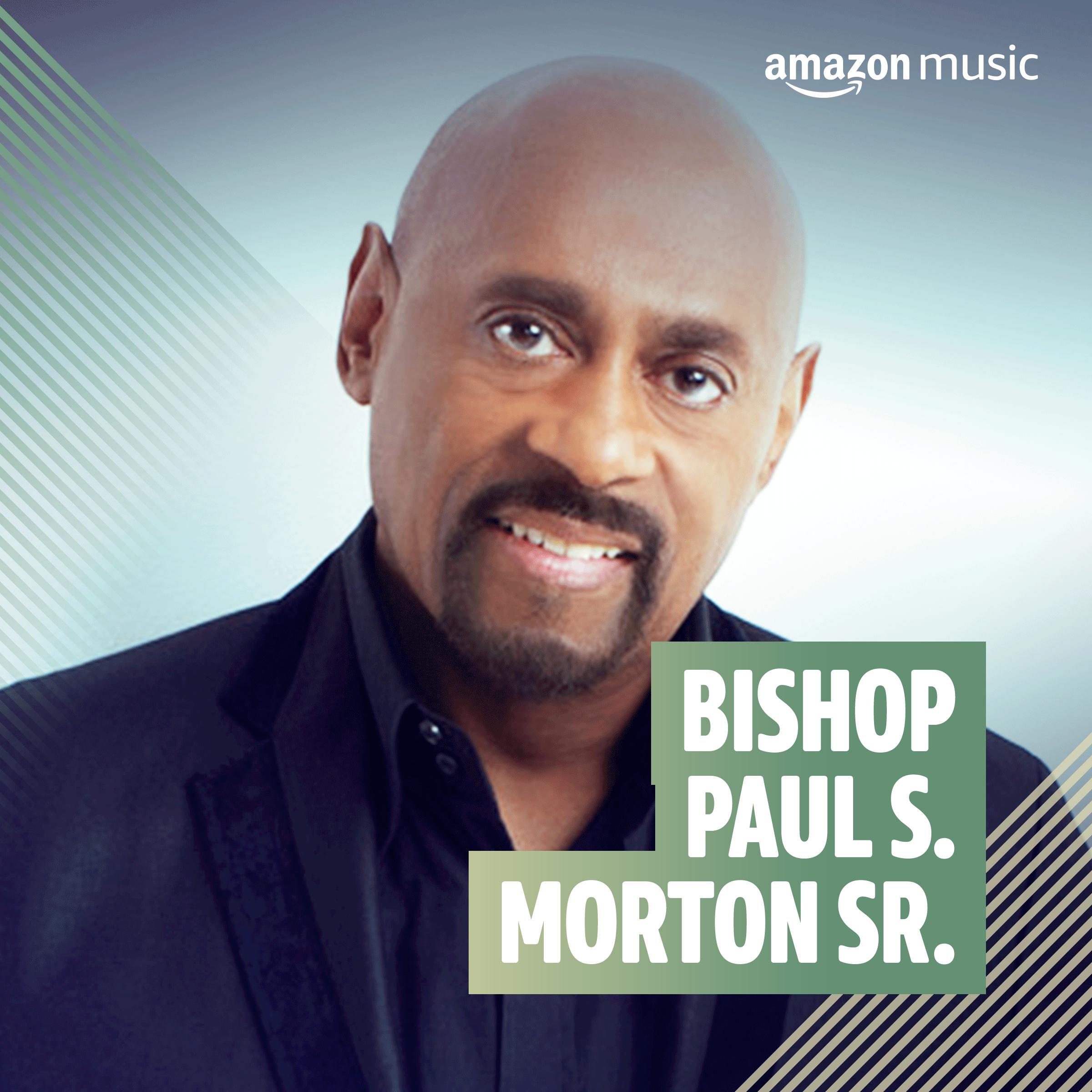
Bishop Paul S. Morton Net Worth in Context: Ministry, Music, and Media Influence
As of 2026, Bishop Paul S. Morton’s estimated net worth is approximately $10 million. This valuation is derived from his multi-decade career as a pioneering religious leader, an award-winning gospel recording artist, a prolific author,...
As of 2026, Bishop Paul S. Morton’s estimated net worth is approximately $10 million. This valuation is derived from his multi-decade career as a pioneering religious leader, an award-winning gospel recording artist, a prolific author, and the founder of the Full Gospel Baptist Church Fellowship International. His financial standing reflects a diverse portfolio of intellectual property, media ventures, and organizational leadership rather than a single pastoral salary.
Contents
Understanding the Financial Profile of Bishop Paul S. Morton
To evaluate the net worth of a figure like Bishop Paul S. Morton, one must look beyond the pulpit. Unlike traditional corporate executives, a high-profile cleric’s wealth is often a composite of personal business ventures, book royalties, music sales, and honorariums from global speaking engagements. In the case of Bishop Morton, his influence spans the transition from traditional denominationalism to the "Full Gospel" movement, which emphasized both spiritual and economic empowerment.
By 2026, Bishop Morton has transitioned into an elder statesman role within the global church community. While he has retired from active senior pastorship of Changing a Generation Full Gospel Baptist Church and passed the mantle of the Full Gospel Baptist Church Fellowship (FGBCFI) to Bishop Joseph Walker III, his financial legacy remains tied to the vast infrastructure he built over forty years.
The Pillars of Bishop Morton's Wealth
The "context" of Paul S. Morton’s net worth is built upon four primary pillars. Each of these contributed to his financial stability and allowed him to maintain a lifestyle consistent with the "Prosperity Gospel" or "Abundant Life" theology he frequently preached.
1. The Gospel Music Industry and Tehillah Music Group
One of the most significant contributors to Bishop Morton’s net worth is his success in the gospel music industry. He is not merely a singer but a label founder. Through the Tehillah Music Group, Morton exerted control over the production and distribution of his music and that of other artists.
- Discography: Morton has released numerous albums, including Let It Rain, Embracing the Next Dimension, and Best of Paul S. Morton. Hit singles like "Let It Rain" became staples in churches worldwide, generating consistent performance royalties.
- Awards and Recognition: His multiple Stellar Awards and Grammy nominations increased his marketability, allowing him to command significant appearance fees for concerts and festivals.
- Publishing Rights: As a songwriter and producer, the backend royalties from radio airplay, streaming services, and digital sales provide a recurring revenue stream that persists long after the initial release of a project.
2. Literary Contributions and Publishing
Bishop Morton has authored several books that address spiritual growth, leadership, and mental health. In the religious sector, book sales are often bolstered by direct-to-congregation sales and distribution through specialized Christian bookstores.
His titles, such as Changing Your Mind, It’s Time for the Rain, and Why Forgive?, have served as both ministry tools and commercial products. In the context of 2026, these works continue to sell through digital platforms like Kindle and Audible, contributing to his passive income.
3. Founding and Leading the FGBCFI
In 1992, Bishop Morton founded the Full Gospel Baptist Church Fellowship International. This was a seismic shift in the Black Church landscape, merging Baptist traditions with Pentecostal "fullness." At its peak, the fellowship included thousands of churches and millions of constituents.
While the fellowship is a non-profit organization, the founder of such a massive entity often receives compensation packages, travel stipends, and honorariums. More importantly, the platform of the FGBCFI expanded Morton’s personal brand, making him one of the most sought-after speakers in the world, where speaking fees can range from $10,000 to over $50,000 per engagement.
4. Real Estate and Pastoral Compensation
Before his retirement, Bishop Morton served as the senior pastor of two massive congregations: Greater St. Stephen Full Gospel Baptist Church in New Orleans and Changing a Generation in Atlanta.
Megachurch pastoral compensation often includes housing allowances and performance bonuses based on the growth of the ministry. Furthermore, Morton’s personal real estate holdings in Louisiana and Georgia represent a tangible portion of his net worth. The appreciation of property values in the Atlanta metropolitan area over the last decade has significantly bolstered the asset side of his balance sheet.
Comparative Analysis of Ministry Wealth
To put Bishop Morton’s $10 million net worth into perspective, it is helpful to compare the financial structures of similar religious figures. This table illustrates the various revenue models utilized by modern ecclesiastical leaders.
| Revenue Source | Bishop Paul S. Morton | Typical Megachurch Pastor | Gospel Artist / Producer |
|---|---|---|---|
| Primary Income | Music & Media Royalties | Church Salary | Touring & Streaming |
| Asset Base | Real Estate & Intellectual Property | Parsonage & Retirement Fund | Catalog Ownership |
| Growth Driver | Fellowship Founding | Membership Growth | Billboard Charting |
| Longevity | High (due to royalties) | Medium (linked to tenure) | Variable (trend-dependent) |
The Socioeconomic Context: New Orleans and Atlanta
The context of Bishop Morton’s wealth cannot be separated from the geography of his ministry. Following Hurricane Katrina in 2005, Morton faced the monumental task of rebuilding Greater St. Stephen in New Orleans while simultaneously expanding in Atlanta.
This period demonstrated his financial resilience. While many leaders would have folded under the pressure of losing a primary base, Morton leveraged his media presence and national fellowship to fund the "Changing a Generation" vision. This strategic expansion into Atlanta—a hub for Black wealth and gospel music—was a pivotal moment that secured his financial future.
Ministry Assets vs. Personal Wealth: A Critical Distinction
A common point of confusion in "net worth" discussions regarding religious figures is the distinction between the church’s assets and the individual’s wealth.
- Church Assets: The multi-million dollar campuses in Atlanta and New Orleans, the fleet of vehicles, and the administrative offices belong to the respective 501(c)(3) organizations.
- Personal Wealth: Bishop Morton’s net worth consists of his private investments, his home, the Tehillah Music Group, and his personal bank accounts.
In the 2026 landscape, transparency in ministry finances has become a standard expectation. Bishop Morton has generally maintained a reputation for stewardship, balancing a visible display of success (often associated with the "Full Gospel" message) with philanthropic efforts.
The Role of Stewardship and Philanthropy
Bishop Morton has often argued that financial success is a tool for ministry. His net worth has allowed him to fund scholarships, provide disaster relief (particularly post-Katrina), and mentor younger pastors in financial literacy. In 2026, his legacy is defined not just by the accumulation of wealth, but by the distribution of influence.
His "Stewardship of the Vision" philosophy suggests that a leader’s net worth is a byproduct of the value they provide to their community. By modernizing the Baptist experience, Morton created a "market" for his music, books, and teachings that did not previously exist in that specific format.
Frequently Asked Questions
Is Bishop Paul S. Morton still active in ministry in 2026?
While Bishop Morton is retired from the day-to-day operations of the Full Gospel Baptist Church Fellowship and the senior pastorship of his churches, he remains an active "Bishop Emeritus." He continues to appear at major conferences, records music sporadically, and serves as a consultant to global religious leaders.
How did Hurricane Katrina affect his net worth?
Initially, the hurricane was a significant financial blow, as it displaced his largest congregation and damaged extensive church property. However, the subsequent expansion into the Atlanta market and the national fundraising efforts to rebuild actually expanded his brand and reach, leading to long-term financial growth.
What is the main source of his wealth today?
In 2026, the primary source of his wealth is intellectual property. This includes royalties from his extensive gospel music catalog and his published books. These assets provide a steady stream of income that is independent of active pastoral service.
How does his wealth compare to other "Prosperity Gospel" preachers?
Compared to figures like Kenneth Copeland or Creflo Dollar, whose net worths are often estimated in the high tens or hundreds of millions, Bishop Morton’s $10 million is relatively modest. His financial profile is more closely aligned with "Mainline-Pentecostal" crossover artists and leaders who balance traditional ministry with commercial media success.
Who inherited his leadership roles?
Bishop Joseph Walker III succeeded him as the Presiding Bishop of the Full Gospel Baptist Church Fellowship. His son, Paul Morton Jr. (popularly known as PJ Morton), has also carved out a significant financial and cultural legacy as a Grammy-winning mainstream and gospel artist, though his finances are separate from his father’s.
Final Recommendation: Assessing Religious Leadership Value
When analyzing the net worth of Bishop Paul S. Morton in 2026, it is essential to view the figure through the lens of entrepreneurial ministry. His wealth is a testament to the "Full Gospel" model—one that encourages believers to seek excellence in both spiritual and secular spheres.
For those studying the economics of the modern church, Morton serves as a case study in how to diversify a ministry brand. The lesson for current and aspiring leaders is clear: long-term financial stability in the ministry is best achieved through the creation of tangible intellectual property (music, books, media) and the building of sustainable organizations that can thrive beyond the tenure of the founder.
Image Gallery