The Life of a Research Scientist: Career Paths, Daily Realities, and Global Impact
The life of a research scientist is a rigorous pursuit of new knowledge, characterized by systematic experimentation, data-driven analysis, and the persistent challenge of securing funding. In 2026, this role bridges the gap between th...
The life of a research scientist is a rigorous pursuit of new knowledge, characterized by systematic experimentation, data-driven analysis, and the persistent challenge of securing funding. In 2026, this role bridges the gap between theoretical inquiry and practical application across sectors like biotechnology, environmental science, and artificial intelligence.
Contents
To understand the life of a research scientist, one must look beyond the stereotype of the lone figure in a lab coat. Modern science is an intensely collaborative, multidisciplinary, and often bureaucratic endeavor. Whether working in an academic setting, a private corporation, or a government agency, the core mission remains the same: to identify unanswered questions about the physical or natural world and develop the methodologies required to answer them.
The Educational Foundation and Entry Requirements
The path to becoming a lead research scientist is one of the most demanding academic journeys in existence. While some entry-level roles—often titled Research Assistant or Laboratory Technician—are available to those with a Bachelor of Science (B.S.) or Master of Science (M.S.), the role of a Principal Investigator (PI) or Senior Scientist almost universally requires a Doctor of Philosophy (PhD).
The Doctoral Phase
A PhD in a STEM field typically spans five to seven years. During this time, the candidate transitions from a student who consumes knowledge to a researcher who produces it. This phase involves intensive coursework, qualifying examinations, and, most importantly, the dissertation—a significant piece of original research that contributes new findings to the field.
The Postdoctoral Fellowship
In many disciplines, particularly the life sciences and physics, a PhD is not the final step. Most researchers must complete one or more postdoctoral fellowships ("postdocs"). These are temporary, 2- to 3-year positions where the scientist works under the mentorship of an established researcher to gain specialized skills, publish high-impact papers, and build a professional network. By 2026, the "postdoc phase" has become a critical bottleneck in the career path, as competition for permanent faculty or senior industry positions remains high.
A Typical Day in the Life of a Research Scientist
The daily routine of a research scientist varies significantly depending on the field—a field biologist’s day looks nothing like a theoretical physicist’s—but several core activities define the profession.
Experimental Design and Execution
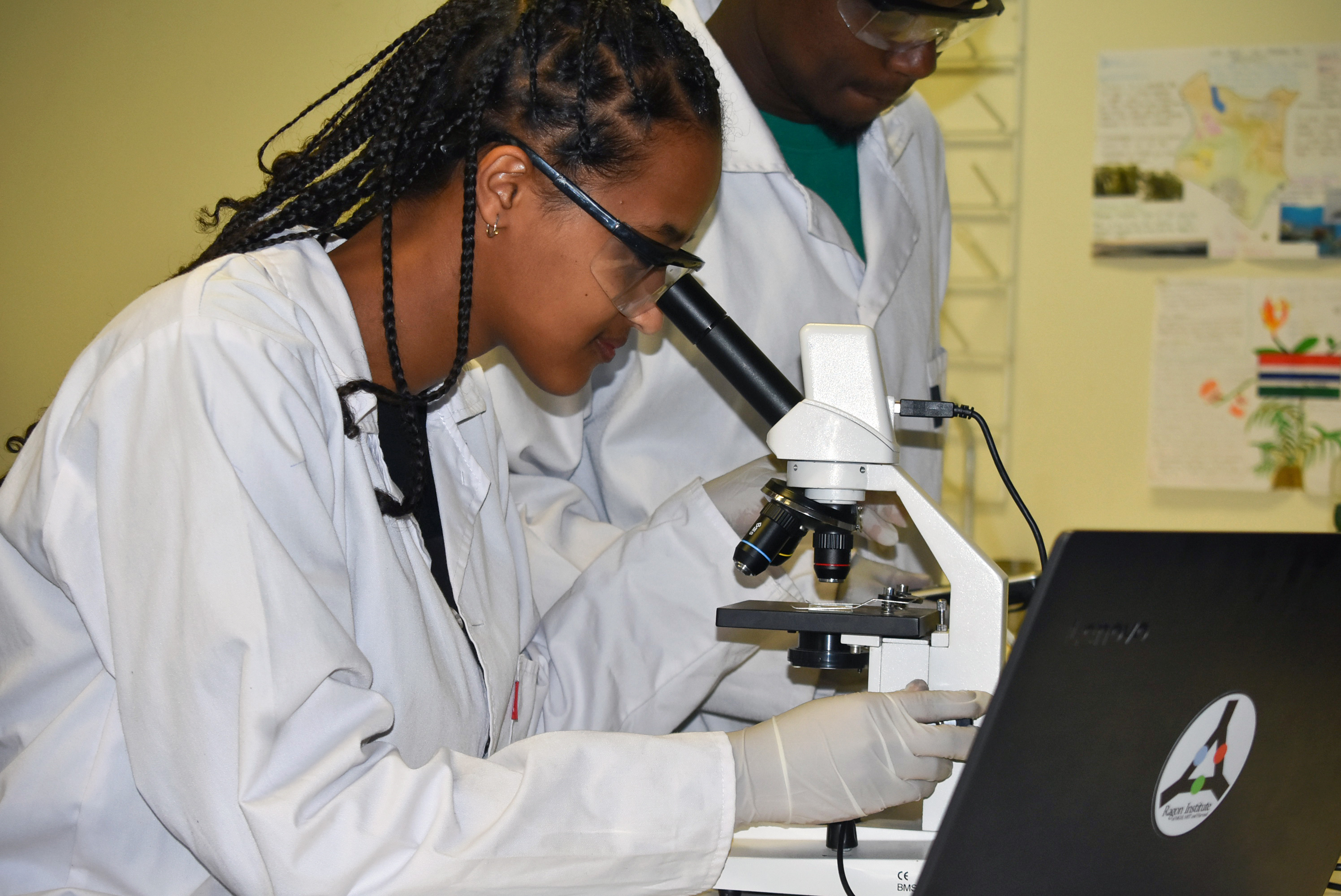
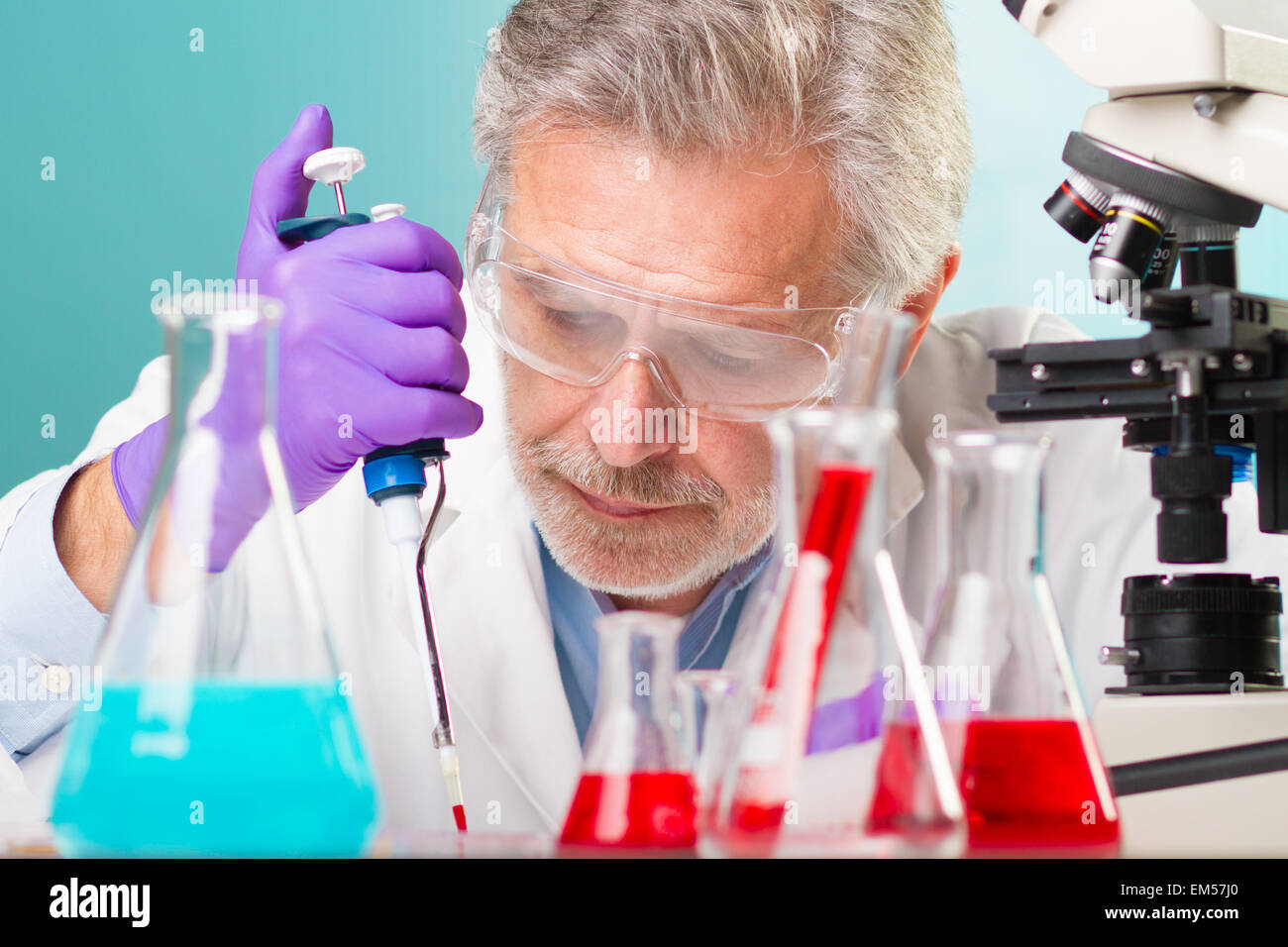
The "bench work" or field work is the heart of the job. Scientists spend hours calibrating instruments, preparing samples, and running assays. In 2026, this often involves managing automated laboratory systems and high-throughput screening technologies. The goal is to produce reproducible data that can withstand the scrutiny of the peer-review process.
Data Analysis and Computational Modeling
Modern science is increasingly digital. A research scientist may spend half their day in front of a computer, using languages like Python or R to analyze massive datasets. With the maturation of AI-driven predictive modeling, scientists now spend considerable time "cleaning" data and training algorithms to identify patterns that human observation might miss.
Scientific Communication and Writing
A significant portion of a scientist's life is dedicated to writing. This includes:
- Grant Proposals: In academia, scientists must constantly "hunt" for funding from organizations like the National Institutes of Health (NIH) or the National Science Foundation (NSF).
- Peer-Reviewed Manuscripts: Publishing findings in journals such as Nature, Science, or Cell is the primary currency of the scientific world.
- Conference Presentations: Scientists travel globally to present their findings at symposiums, which serves as a vital platform for feedback and collaboration.
Workplace Sectors: Academia vs. Industry vs. Government
Where a scientist works fundamentally dictates their lifestyle, salary, and research freedom.
| Feature | Academic Research | Private Industry (Biotech/Tech) | Government/Non-Profit |
|---|---|---|---|
| Primary Goal | Knowledge for the sake of science | Product development and profit | Public policy and safety |
| Autonomy | High (choose your own projects) | Low to Medium (project-led) | Medium (mission-driven) |
| Salary Range | $65,000 – $160,000 | $110,000 – $250,000+ | $85,000 – $180,000 |
| Job Security | Tenure track is highly secure | Subject to market fluctuations | Highly stable (Civil Service) |
| Funding Source | Competitive grants | Corporate R&D budgets | Taxpayer/Federal budget |
The Academic Track
In academia, the "Life" is often defined by the quest for tenure. Tenure-track professors balance research with teaching and administrative duties. While they enjoy the highest degree of intellectual freedom, they also face the highest pressure to publish frequently and secure external funding to keep their labs operational.
The Industry Shift
As of 2026, a growing percentage of PhD holders are moving into industry. In companies ranging from pharmaceutical giants to climate-tech startups, scientists work in "Research and Development" (R&D). Here, the pace is faster, and the resources are often more robust, but the research direction is dictated by the company’s commercial goals rather than the scientist’s personal curiosity.
The Challenges: Why It’s Not Just "Doing Science"
The profession is not without its hardships. Prospective scientists should be aware of several systemic challenges that persist in the 2026 landscape.
- Funding Scarcity: Even with groundbreaking ideas, the success rate for federal grants often hovers between 10% and 20%. This leads to a "hyper-competitive" environment where scientists spend up to 40% of their time writing grants instead of doing research.
- The "Publish or Perish" Culture: Career advancement is heavily tied to publication metrics. This pressure can sometimes lead to mental health struggles or, in extreme cases, issues with research reproducibility.
- Work-Life Balance: Experiments do not always adhere to a 9-to-5 schedule. Living cells need feeding on weekends, and data simulations can run through the night. Many scientists report working 50–60 hours per week, particularly in the early stages of their careers.
- The Leaky Pipeline: There is a well-documented attrition rate for women and underrepresented groups in science, often due to a lack of mentorship or inflexible structural requirements during the demanding postdoc years.
The Rewards: Intellectual Freedom and Global Impact
Despite the hurdles, the life of a research scientist is deeply rewarding for those with a passion for discovery.
- Intellectual Fulfillment: Scientists are at the forefront of human knowledge. There is a unique thrill in being the first person in history to observe a specific phenomenon or solve a complex puzzle.
- Tangible Impact: Whether it is developing a new mRNA vaccine, improving the efficiency of solar cells, or understanding the neurological basis of memory, research has the power to save lives and protect the planet.
- Global Community: Science is a universal language. Research scientists collaborate with peers across every continent, fostering a global perspective and a community built on the shared values of logic and evidence.
Future Outlook: Science in 2026 and Beyond
By 2026, the role of the research scientist has been transformed by several key trends. Open Science initiatives have made data sharing more transparent, reducing redundant work. Automated "Cloud Labs" allow researchers to design experiments digitally and have them executed by robotic systems in centralized facilities, potentially improving work-life balance and accessibility.
Furthermore, the integration of Generative AI into the research workflow has streamlined the literature review process, allowing scientists to synthesize thousands of papers in seconds. However, this has also placed a premium on the scientist’s ability to provide critical oversight and ethical judgment—skills that machines cannot replicate.
Frequently Asked Questions
What is the difference between a research scientist and a lab technician?
A lab technician primarily focuses on the execution of established protocols and the maintenance of equipment. A research scientist is responsible for the higher-level intellectual work: forming hypotheses, designing the experimental framework, interpreting the results, and securing funding. A research scientist usually requires an advanced degree (Master's or PhD), while a technician position may only require a Bachelor's.
How much do research scientists make in 2026?
Salaries vary widely by sector and geography. In the United States, an entry-level postdoctoral researcher might earn between $60,000 and $75,000. In contrast, a Senior Research Scientist in the biotech industry or a Tenured Professor at a major research university can earn between $150,000 and $250,000. High-demand fields like AI and genomic medicine often command even higher compensation.
Can you be a research scientist without a PhD?
Yes, but your career ceiling may be lower. Many scientists with a Master’s degree lead successful careers in industry and government, particularly in roles focused on application and development. However, to be a "Principal Investigator"—the person who leads a lab, sets the research agenda, and applies for major grants—a PhD is almost always mandatory.
Is the job market for scientists stable?
The market is generally stable because society’s reliance on technology and medicine is only increasing. However, it is "cyclical." Academic jobs are rare and highly competitive, while industry jobs fluctuate with the venture capital market and corporate earnings. Diversifying your skill set to include data science and management can increase long-term stability.
What soft skills are most important for scientists?
Beyond technical proficiency, scientists need excellent written communication (for grants and papers), public speaking (for conferences), and resilience. Because most experiments fail before they succeed, the ability to handle rejection and troubleshooting is essential for long-term success in the field.
Final Recommendation for Aspiring Scientists
If you are considering this career path in 2026, focus on building a "T-shaped" skill set: deep expertise in one specific scientific niche, combined with a broad understanding of data science, ethics, and communication. Before committing to a PhD, seek out undergraduate research opportunities or internships to experience the "bench life" firsthand. The life of a research scientist is a marathon, not a sprint, and success belongs to those who find as much joy in the process of questioning as they do in the triumph of discovery.
Image Gallery