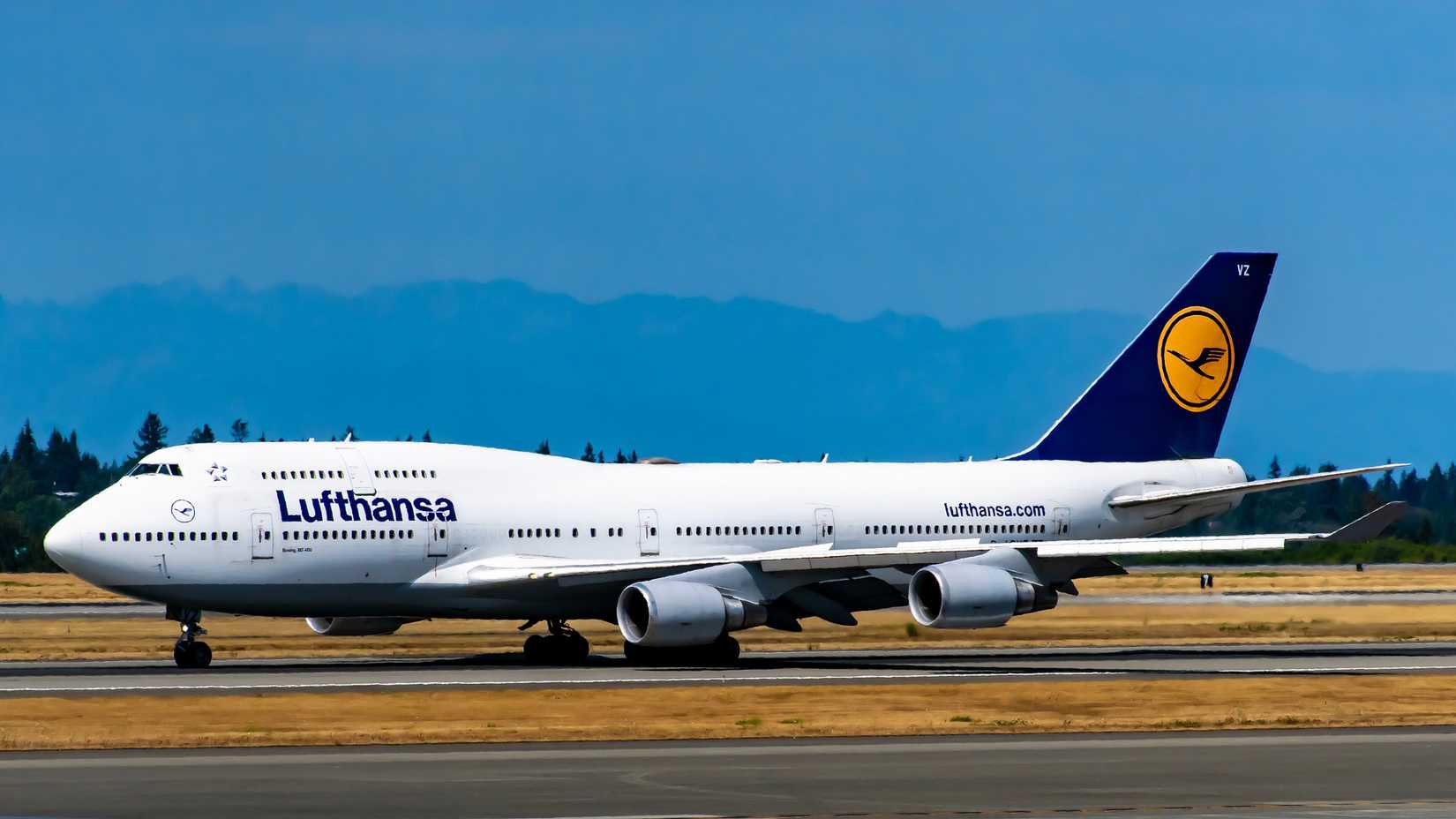
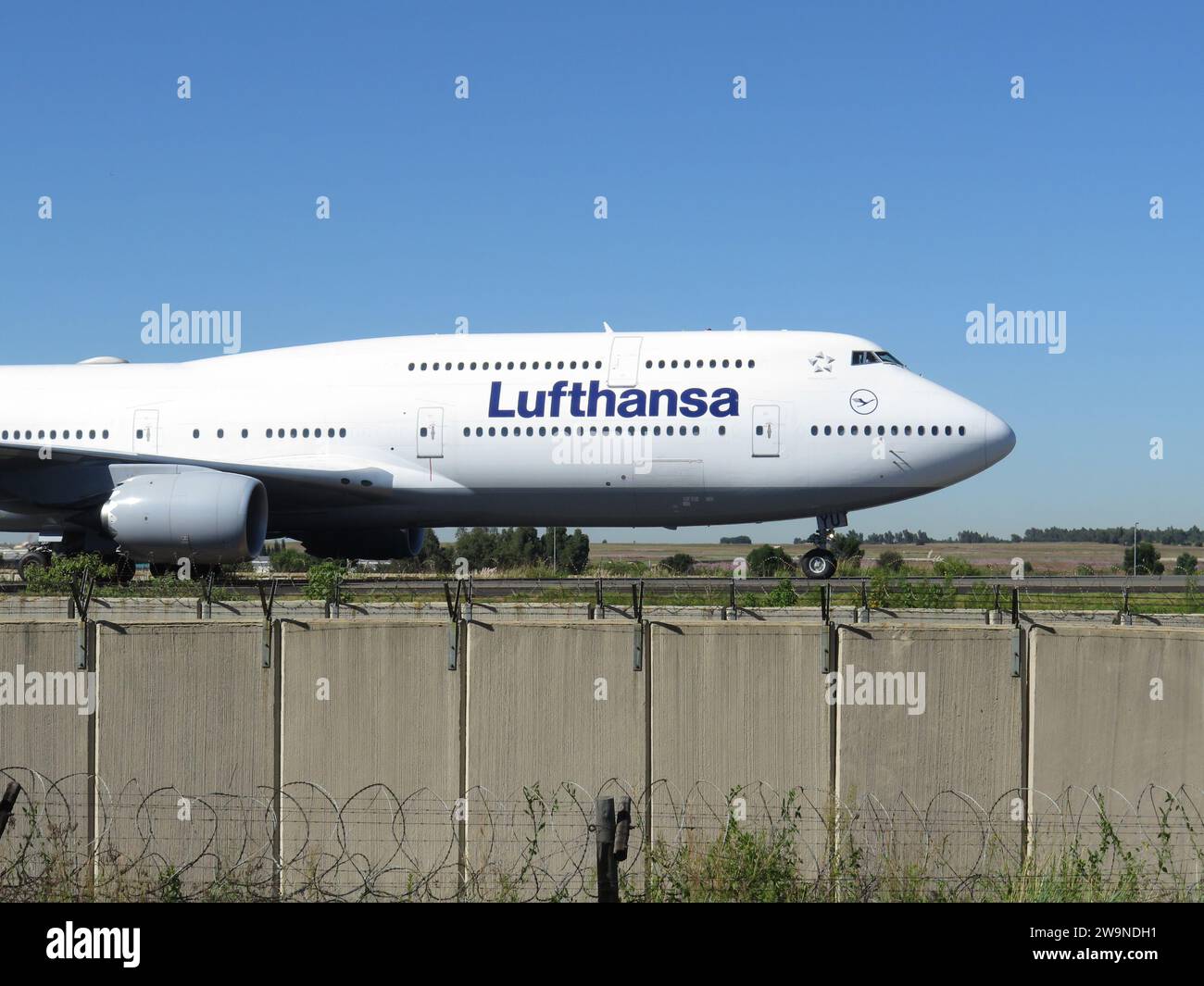
The Legacy of the 30 Lufthansa Boeing 747-200s Ordered and Retired
Lufthansa operated a total of approximately 30 Boeing 747-200 series aircraft between 1971 and 2005, including passenger, Combi, and dedicated freighter variants. Identified by the Boeing customer code "30" (e.g., 747-230), these aircr...
Lufthansa operated a total of approximately 30 Boeing 747-200 series aircraft between 1971 and 2005, including passenger, Combi, and dedicated freighter variants. Identified by the Boeing customer code "30" (e.g., 747-230), these aircraft facilitated the airline’s global expansion before being retired in favor of the 747-400 and more modern twin-engine jets.
Contents
The Strategic Importance of the Boeing 747-230 for Lufthansa
The Boeing 747-200 was more than just a larger version of the original "Jumbo Jet." For Lufthansa, it represented the technological maturity required to connect Frankfurt and Munich with distant global hubs non-stop. While the earlier 747-100 provided the initial capacity breakthrough, the -200 series offered the payload-range capabilities that the German flag carrier needed to dominate the North Atlantic and Asian markets.
Lufthansa’s relationship with the 747 is unique because of the Boeing customer code system. Every Boeing aircraft ordered by the airline carries the suffix "30." Consequently, the Lufthansa 747-200 is officially designated as the Boeing 747-230. This nomenclature often leads to a natural association between the "30" code and the fleet size, which hovered around 30 airframes across all -200 sub-variants throughout the late 20th century.
Ordering these aircraft was a massive capital investment during the 1970s. At the time, Lufthansa was transitioning into a truly global powerhouse. The 747-230 allowed for a significant increase in Maximum Takeoff Weight (MTOW) compared to the -100 series, which meant more fuel, more passengers, and—crucially for Lufthansa—more cargo.
Technical Evolution: From the -100 to the -200 Series
The primary driver behind the order of the 747-200 fleet was the improvement in engine technology and structural reinforcement. Lufthansa opted for the General Electric CF6-50E2 engines for much of its -200 fleet, a departure from the Pratt & Whitney JT9D engines found on many early 747s. These GE engines provided better reliability and thrust, which were essential for the long-haul routes Lufthansa was pioneering.
Performance Specifications of the Lufthansa 747-230
| Feature | Specification (747-230B) |
|---|---|
| Seating Capacity | Typical 3-class: 360 - 430 |
| Maximum Range | ~6,700 nautical miles (12,400 km) |
| Cruise Speed | Mach 0.84 (approx. 900 km/h) |
| Wingspan | 59.6 meters (195 ft 8 in) |
| Length | 70.6 meters (231 ft 10 in) |
| Engines | 4x GE CF6-50E2 (or P&W JT9D-70A) |
| Max Takeoff Weight | 833,000 lbs (377,842 kg) |
The increased range of the -200 series enabled Lufthansa to reduce technical stops on routes to South America and Southeast Asia. This improved the passenger experience and significantly lowered the operational costs associated with landing fees and extra ground handling at intermediate airports.
Diversification of the Fleet: Passenger, Combi, and Freighters
Lufthansa’s order of approximately 30 airframes was not limited to a single configuration. The airline was a pioneer in using the 747's massive internal volume for varied purposes. The fleet was roughly divided into three main categories:
- The 747-230B (Passenger): These were the standard long-haul workhorses. They featured the iconic spiral staircase leading to the upper deck, which Lufthansa initially used as a luxury lounge for first-class passengers before converting it into additional seating.
- The 747-230BM (Combi): Lufthansa was a major proponent of the "Combi" configuration. These aircraft featured a large cargo door on the main deck behind the wing, allowing the airline to carry both passengers and several large pallets of freight simultaneously. This was ideal for routes with high cargo demand but fluctuating passenger numbers.
- The 747-230F (Freighter): Lufthansa was the launch customer for the 747-200F. This variant featured a nose-loading door that swung upward, allowing for the transport of exceptionally long or bulky items that could not fit through side doors. This established Lufthansa Cargo as a world leader in air freight.
Operational Life and Global Impact
During the 1980s, the Lufthansa 747-200 fleet was the face of German civil aviation. Aircraft like the D-ABYF (named "Sachsen") and D-ABYJ (named "Pfalz") became familiar sights at New York JFK, Tokyo Narita, and Johannesburg.
The interior of these aircraft reflected the era's focus on "The Golden Age of Flight." In the early years of the -200 service, the upper deck was often configured as the "Senator Service" lounge, where passengers could enjoy a bar and dining area separate from their seats. As the industry moved toward high-density seating in the late 80s, these lounges were replaced with business class seats, but the 747-200 always maintained a sense of spaciousness that modern twin-jets struggle to replicate.
The 747-230 also played a vital role in the logistics of German industry. By utilizing the 747-200F and the Combi models, Lufthansa could transport high-value machinery, automotive parts, and pharmaceutical products across the globe with unprecedented speed. This integration of passenger and cargo services was a cornerstone of Lufthansa’s business model for decades.
The Retirement Process: Transition to the 747-400
The retirement of the Lufthansa 747-200 fleet was a phased process that began in the early 1990s and concluded in the early 2000s. Several factors necessitated the phase-out:
- Crew Requirements: The 747-200 required a three-person flight crew: two pilots and a flight engineer. The flight engineer was responsible for monitoring the complex mechanical, fuel, and electrical systems from a dedicated panel. The arrival of the 747-400 introduced a digital glass cockpit that eliminated the need for a flight engineer, significantly reducing labor costs.
- Fuel Efficiency: The GE CF6-50 engines, while reliable, were significantly less fuel-efficient than the newer engines developed for the 747-400 and the Airbus A340. With rising oil prices, the "Classic" 747s became increasingly expensive to operate on a per-seat basis.
- Maintenance Intensity: As the airframes approached 20 to 25 years of service, the maintenance requirements for the aging aluminum skins and analog systems became prohibitive. Lufthansa's strict safety standards meant that retiring the airframes was more economical than undergoing the extensive "D-Checks" required to keep them airworthy.
The last passenger flight of a Lufthansa 747-200 occurred in 2001, while the freighter versions continued to serve Lufthansa Cargo for a short period thereafter. Many of the retired airframes were sold to second-tier operators or cargo start-ups, while others were sent to "boneyards" in the California desert for parts reclamation.
Preservation and the Speyer Giant
While most of the 30-strong fleet met the recycler's torch, one notable exception remains. The 747-230M "Sachsen" (Registration D-ABYF) was donated to the Technik Museum Speyer in Germany.
This aircraft is unique because it is displayed in a "take-off" position on massive steel struts, allowing visitors to walk on the wing and explore the entire interior, including the cargo hold, the passenger decks, and the cockpit. It serves as a permanent monument to the era of the 747-200 and provides a tangible link to the technical history of Lufthansa's long-haul operations.
Frequently Asked Questions
Why did Lufthansa use the number 30 for its 747-200s?
The "30" in the designation 747-230 is the Boeing customer code for Lufthansa. Every Boeing aircraft ordered directly by Lufthansa receives this code, such as the 737-230 or 747-430. It does not refer to the number of aircraft ordered, although Lufthansa did operate approximately 30 of the -200 variant over time.
What happened to the flight engineers after the 747-200 was retired?
As Lufthansa transitioned to the two-crew 747-400 and Airbus A340 fleets, many flight engineers were offered retraining to become pilots, while others moved into ground-based technical and maintenance roles within Lufthansa Technik.
Was the 747-200 safer than modern planes?
The 747-200 had an excellent safety record for its era. However, modern aircraft like the 747-8 or the A350 are statistically safer due to advanced fly-by-wire systems, redundant digital avionics, and more reliable engine manufacturing processes that have evolved since the 1970s.
How many Lufthansa 747-200s are still flying today?
As of 2026, none of the original Lufthansa 747-200 fleet are in active service with the airline. Most have been scrapped or are in long-term storage. A few may still exist as converted freighters with minor global operators, but the vast majority have reached the end of their structural fatigue life.
What was the difference between the 747-200 and the 747-300 for Lufthansa?
Lufthansa actually skipped the 747-300 for the most part, moving directly from the 747-200 to the 747-400. The 747-300 featured a "Stretched Upper Deck" (SUD) but lacked the advanced cockpit and winglet technology of the -400. Lufthansa found it more efficient to continue operating the -200 until the -400 was ready for delivery.
Final Recommendation for Aviation Historians
For those looking to research the specific tail numbers and individual histories of the Lufthansa 747-200 fleet, the Lufthansa Aviation Heritage archives and databases like Planespotters.net provide comprehensive tracking of each airframe's life cycle. Visiting the Technik Museum Speyer remains the best way to experience the physical scale and engineering of the 747-230 firsthand. The legacy of these 30-plus aircraft lives on in the current operational philosophy of Lufthansa’s long-haul fleet, which continues to prioritize the "hub and spoke" efficiency first established by the Queen of the Skies.
Image Gallery