Why Cheap Electric Companies in Dallas TX Still Matter for Your Household Budget
In the deregulated electricity market of Dallas, Texas, selecting an affordable provider remains a vital strategy for managing essential monthly household expenses. By actively choosing competitive plans, residents can hedge against fl...
In the deregulated electricity market of Dallas, Texas, selecting an affordable provider remains a vital strategy for managing essential monthly household expenses. By actively choosing competitive plans, residents can hedge against fluctuating energy costs, minimize unnecessary service fees, and optimize their billing cycles to align with actual consumption patterns, ultimately providing significant long-term financial relief.
Contents
The Foundation of Deregulation in Dallas
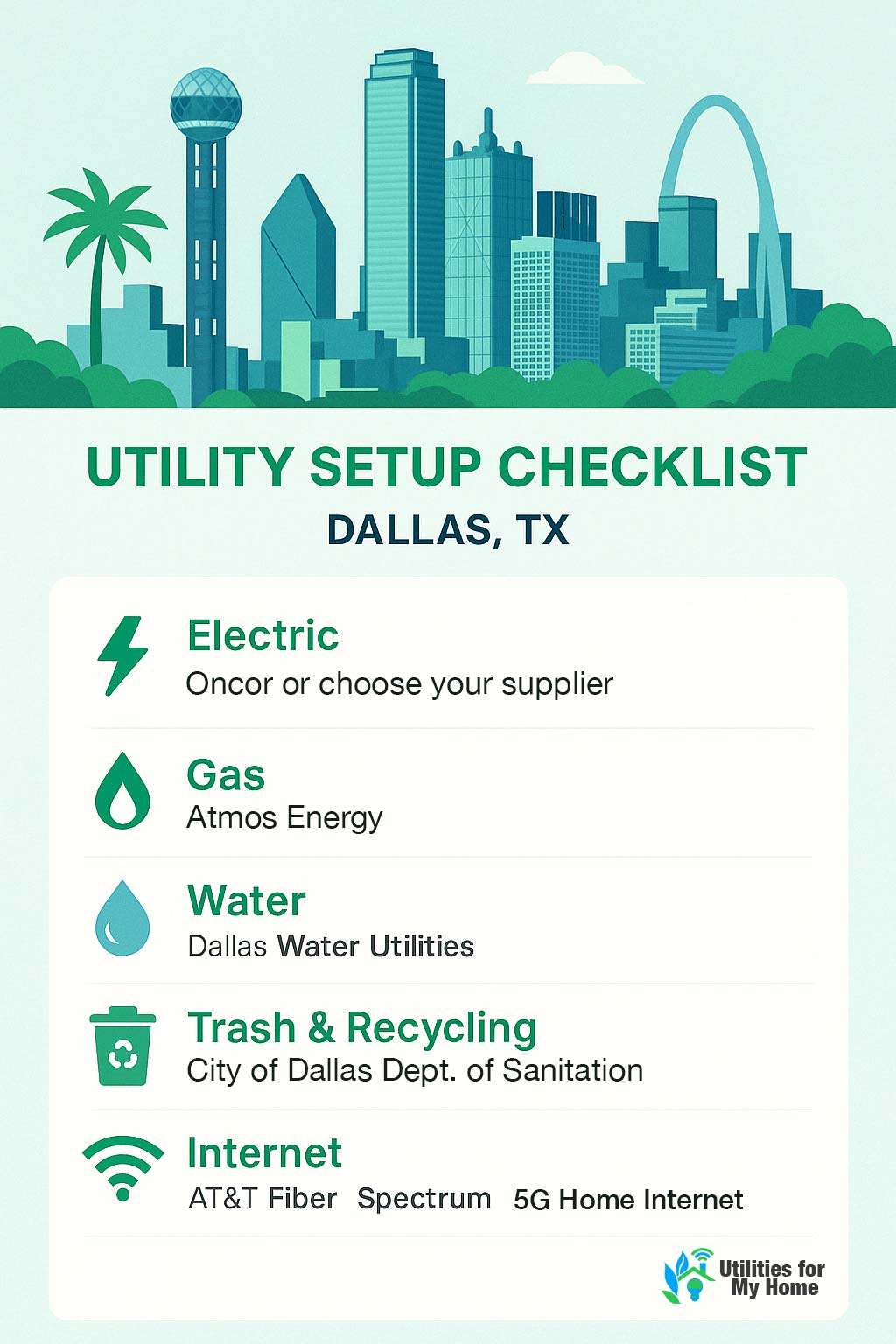
To understand why cheap electric companies in Dallas matter, one must first recognize the structure of the Texas energy market. Unlike many other states where a single utility provider holds a monopoly, Texas utilizes a "choose your provider" system regulated by the Public Utility Commission of Texas (PUCT). Under this framework, the actual wires and poles are maintained by a Transmission and Distribution Service Provider (TDSP)—in Dallas, this is primarily Oncor—but the retail electric provider (REP) is the entity that sells the electricity and manages the billing.
Because REPs compete for your business, they are incentivized to offer various pricing structures, contract lengths, and green energy initiatives. Cheap electric companies are not necessarily offering a lower quality of electrons; rather, they are operating with different overhead structures, risk-hedging strategies, or target market segments that allow them to pass savings on to the consumer. For the average Dallas household, ignoring these market dynamics is equivalent to paying a premium for a commodity that could be secured for less.
Why Price Points Dictate Household Stability
Electricity is a non-discretionary expense. Regardless of economic conditions, heating and cooling systems must run, and lighting must stay on. In a city like Dallas, where extreme temperatures place a massive demand on HVAC systems during the summer months, the difference between a high-cost plan and a budget-friendly plan can be hundreds of dollars per year.
Cheap electric companies matter because they provide the flexibility to lock in rates when market conditions are favorable. If you sign a long-term fixed-rate contract during a period of market stabilization, you insulate your household budget from the "summer surge"—the common phenomenon where energy demand drives spot market prices up, forcing variable-rate customers to face significantly higher bills. For families operating on tight margins, a cheap, fixed-rate electricity plan acts as a financial shock absorber.
Distinguishing Between "Cheap" and "Hidden Fees"
A common mistake residents make is evaluating providers solely on the "cents per kilowatt-hour" (kWh) rate displayed on a flyer or search engine. In the Dallas market, the true cost of electricity is often obscured by base charges, minimum usage fees, and delivery charges.
"Cheap" in this context refers to the total effective rate. A plan might advertise an incredibly low rate but impose a $20 monthly fee if you use less than 1,000 kWh, or a penalty if you use exactly 999 kWh. Navigating these requires a critical eye. When you look for affordable electricity, you are looking for price transparency. Providers that offer "flat-rate" plans or those with simplified pricing structures often represent the best value because they eliminate the guesswork and "bill shock" associated with complex usage thresholds.
Comparative Factors in the Dallas Energy Market
When selecting a provider in 2026, it is helpful to weigh your options across several core categories. The table below outlines the primary factors that distinguish a truly cheap electric company from those that rely on promotional gimmicks.
| Feature | Low-Cost/Budget Provider | High-Cost/Premium Provider |
|---|---|---|
| Pricing Structure | Simple, clear per-kWh rates | Complex tiered or usage-based fees |
| Contract Types | Month-to-month or fixed long-term | Often bundled with unnecessary services |
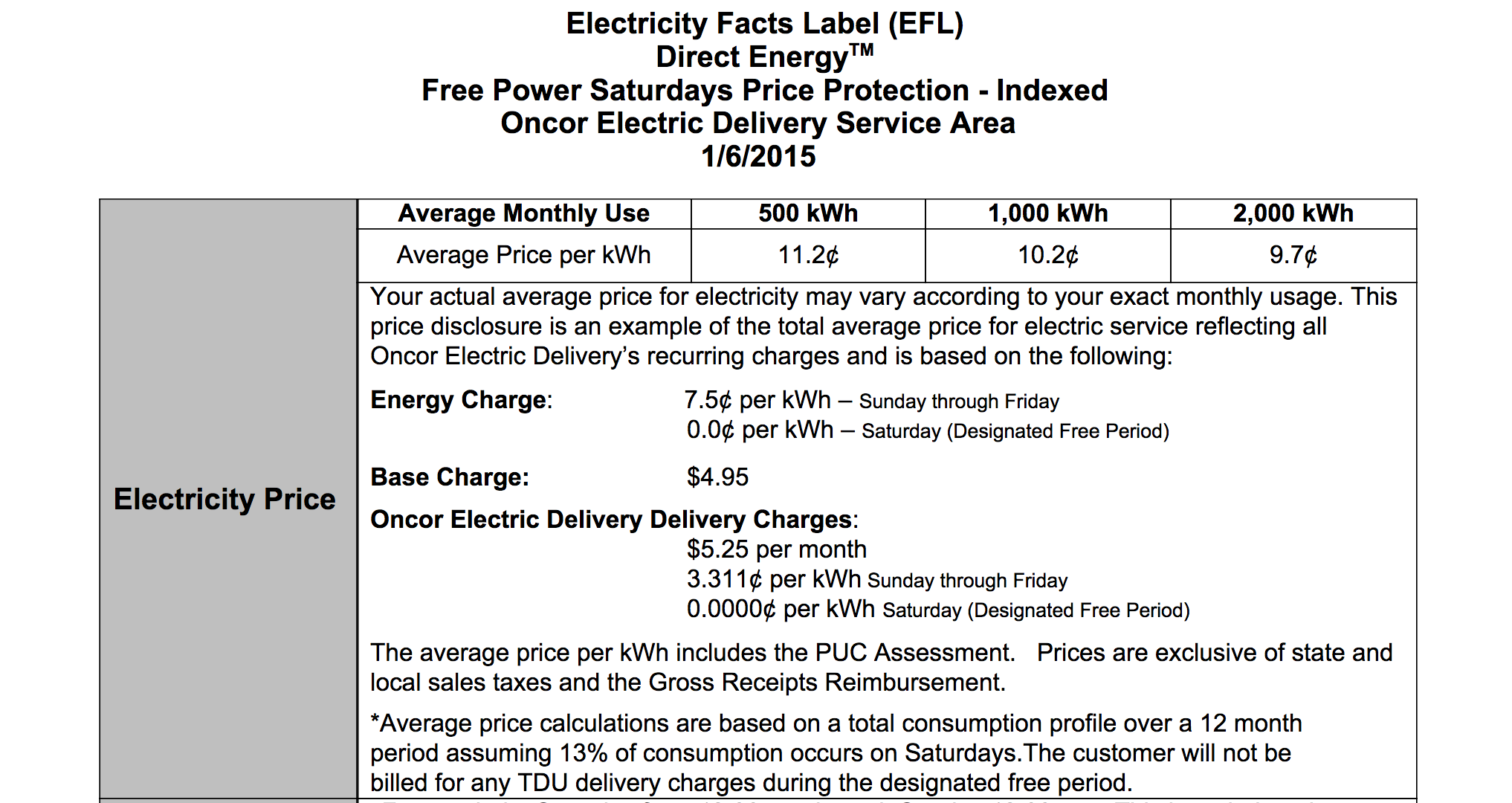
| Transparency | Clear Electricity Facts Label (EFL) | Obscured by promotional marketing |
| Customer Support | Digital-first, automated, efficient | High overhead, personalized but costly |
| Initial Incentives | Minimal; focuses on base savings | High sign-up bonuses that expire |
How to Evaluate Your Current Plan
If you have not switched providers in the last year, you are likely overpaying. To verify if your current company still ranks among the "cheap" options in Dallas, follow this verification process:
- Locate Your Electricity Facts Label (EFL): Every provider is legally required to provide this document. It outlines the precise rate you pay at different usage levels (e.g., 500 kWh, 1000 kWh, and 2000 kWh).
- Review Your Usage History: Log into your account or look at your previous twelve months of bills. Determine your average monthly usage. If you use 800 kWh on average, a plan designed for high-usage homes (2000 kWh+) will be expensive, regardless of how "cheap" the headline rate seems.
- Check for "Early Termination Fees" (ETF): Before switching, ensure that the savings from a new, cheaper provider will not be immediately offset by an ETF from your current provider.
- Use the Power to Choose Website: The official website managed by the PUCT (powertochoose.org) remains the most reliable, non-biased tool for comparing current rates in the Dallas zip code.
The Role of Technology in Managing Energy Costs
In 2026, many of the cheapest electric providers in Dallas have integrated smart-home technology into their offerings. Some companies offer "free nights" or "free weekends" to users who possess smart meters. If you can shift your major energy-consuming activities—such as running the dishwasher, doing laundry, or charging an electric vehicle—to these off-peak hours, you can effectively lower your total monthly bill without changing your lifestyle significantly. Cheap electric companies that emphasize these programs enable consumers to participate in demand-response management, which is beneficial for both the grid and the individual’s wallet.
Limitations and Regulatory Considerations
While seeking cheap electricity is a sound financial strategy, there are limits to the "race to the bottom." A provider that is extremely cheap may be cutting costs in areas that affect you, such as customer support responsiveness, website stability, or billing accuracy.
It is also important to note that you cannot control the TDSP (Oncor) delivery charges. These are state-regulated and non-negotiable. When you see a low advertised rate, ensure you understand whether it includes these delivery charges or if they are added as a separate line item. Always read the "Terms of Service" to ensure that the rate you are seeing is not a teaser rate that balloons after the first billing cycle.
Frequently Asked Questions
Does a cheaper electricity company provide less reliable power? No. In Dallas, the electricity delivery is managed by the TDSP (Oncor), not your retail electric provider. Whether you choose a budget provider or a premium one, the physical infrastructure delivering power to your home is identical. Reliability is determined by the grid maintenance, not your billing company.
Why do electricity rates change so frequently? Rates fluctuate based on the cost of generation, which is heavily influenced by the price of natural gas and renewable energy output. Because Texas has a competitive wholesale market, REPs adjust their retail prices to reflect these shifts in the cost of securing energy.
Are "Free Nights" plans actually cheaper? They can be, but only if your lifestyle aligns with the promotion. If you use the majority of your power during the day, these plans will likely result in higher overall costs. They are only "cheap" if you are disciplined about shifting your high-usage activities to the free time blocks.
How often should I switch my electric provider? It is advisable to check your rates at least once a year, ideally one month before your current contract expires. This gives you time to research and sign up for a new plan without being automatically rolled into a high-priced month-to-month plan by your current provider.
What is the Electricity Facts Label (EFL)? The EFL is a standardized document mandated by the PUCT. It provides a clear breakdown of the price per kWh, the length of the contract, the source of the energy, and any fees associated with the plan. Always compare the EFLs of different providers rather than their marketing advertisements.
Next Actions for Your Household
To start saving, visit the official Power to Choose portal and enter your Dallas zip code. Aggregate your last three months of energy usage to determine your average consumption. Filter the results by "fixed-rate" plans to avoid the volatility of variable pricing. Finally, select a plan with a term length of 12 or 24 months to lock in your savings, and set a calendar reminder for 30 days before that contract expires to evaluate the market again.
Image Gallery