Understanding How a Co-Borrower Personal Loan Works
A co-borrower personal loan is a financial arrangement where two individuals apply for and sign a loan agreement together, with both parties sharing equal legal responsibility for the debt. Unlike a cosigner who acts primarily as a gua...
A co-borrower personal loan is a financial arrangement where two individuals apply for and sign a loan agreement together, with both parties sharing equal legal responsibility for the debt. Unlike a cosigner who acts primarily as a guarantor, a co-borrower has a direct claim to the loan proceeds and is equally liable for repayment, directly impacting both individuals' credit profiles.
Contents
Defining the Co-Borrower Relationship
To understand how these loans function, it is necessary to distinguish between a co-borrower and a cosigner. A co-borrower is an equal partner in the debt obligation. In most institutional lending environments, the funds are deposited into a joint account or a single account accessible to both parties, and the loan appears on both individuals' credit reports immediately upon origination.
Because both parties are equally liable, the lender evaluates the combined financial strength of both applicants. This is often the primary motivation for seeking a co-borrower: if one individual has a lower credit score or an insufficient debt-to-income (DTI) ratio, adding a co-borrower with a stronger financial profile can increase the likelihood of approval or secure a more favorable interest rate.
The Application and Underwriting Process
When you apply for a personal loan with a co-borrower, the lender performs a "joint underwriting" process. This differs from a standard application in several technical ways:
- Credit Evaluation: The lender pulls credit reports for both applicants. In many cases, the lender will use the lower of the two credit scores to determine the loan's interest rate, though some lenders may calculate an average or use the higher score depending on their specific internal risk models.
- DTI Aggregation: The lender adds the monthly debt obligations of both applicants together and compares that sum to their combined gross monthly income. This creates a broader safety margin for the lender, as two income streams are legally obligated to service the debt.
- Documentation: Both applicants must submit proof of identity, income verification (such as tax returns or pay stubs), and residence history. The lender must verify the intent of both parties, ensuring that neither is being coerced into the arrangement.
Financial and Legal Obligations
The most critical aspect of a co-borrower loan is "joint and several liability." This legal term means that the lender has the right to pursue either, or both, of the co-borrowers for the full balance of the debt if payments are missed.
- Impact on Credit Scores: If the loan is managed successfully with on-time payments, it can help build or maintain credit for both parties. Conversely, a single late payment or default will negatively impact the credit scores of both borrowers, potentially hindering their ability to secure future credit.
- Asset Accessibility: By definition, both co-borrowers are expected to benefit from the funds. In the eyes of the lender, the money belongs to the collective, which often simplifies the process of receiving the loan proceeds but creates complexity if the relationship between the co-borrowers changes.
Comparing Co-Borrower Arrangements
| Feature | Co-Borrower | Cosigner |
|---|---|---|
| Legal Liability | Fully liable for the entire debt | Liable if the primary borrower defaults |
| Access to Funds | Shared rights to loan proceeds | No rights to loan proceeds |
| Credit Reporting | Reported on both credit profiles | Reported on both credit profiles |
| Application Role | Joint applicant (equal status) | Guarantor (secondary status) |
Strategic Advantages and Risks
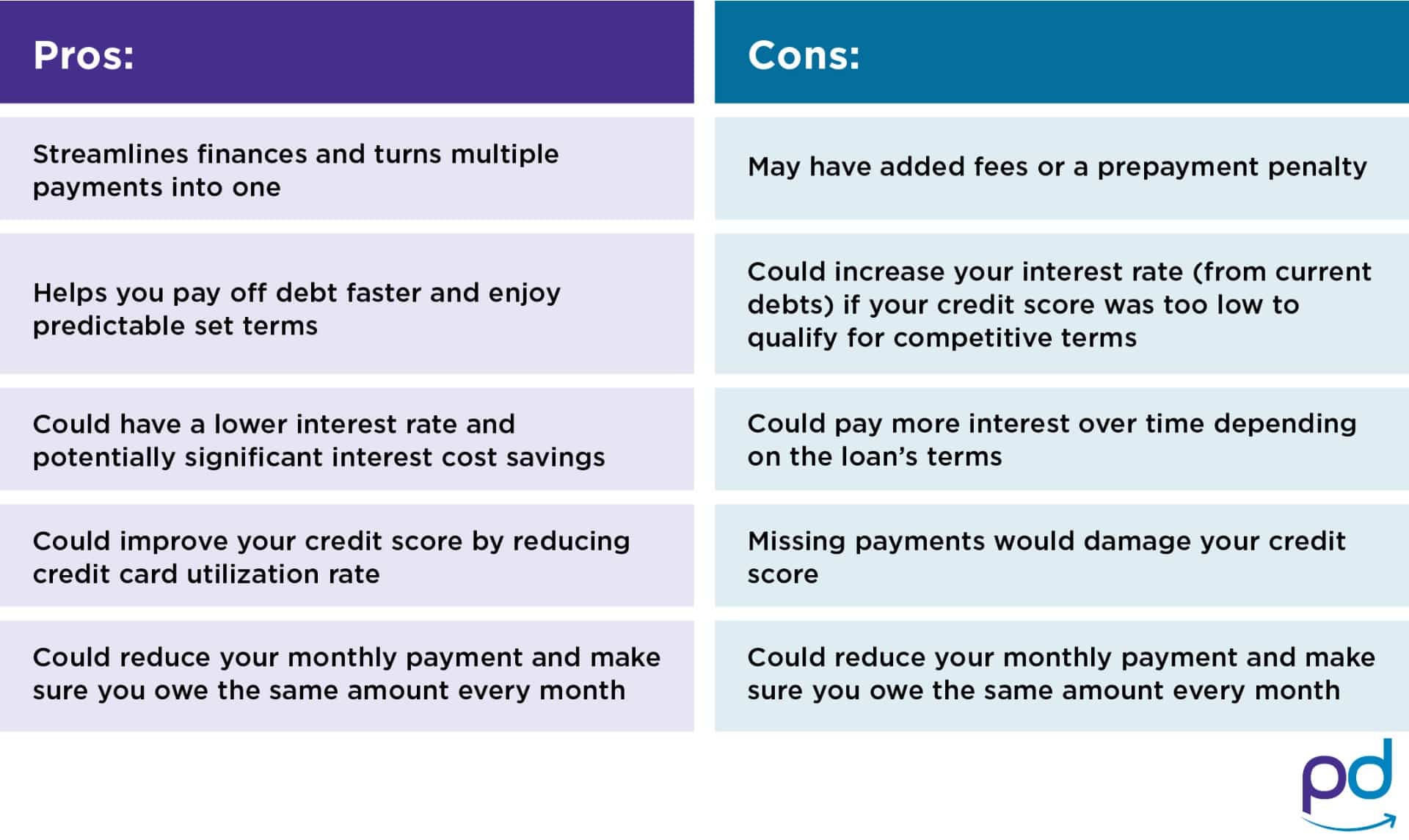
Opting for a co-borrower loan can be a strategic financial move, but it requires transparency and planning. The primary advantage is increased borrowing capacity. If you need a larger loan amount than you would qualify for individually, a co-borrower provides the necessary cushion to meet lender requirements. Furthermore, if the co-borrower has an excellent credit history, the partnership may lead to a lower Annual Percentage Rate (APR), which reduces the total interest paid over the life of the loan.
However, the risks are equally significant. If your relationship with your co-borrower deteriorates—for example, in the event of a divorce, a falling out among friends, or a disagreement over expenditures—the debt remains. The lender will not care about the internal dynamic between the two parties; they will hold both legally accountable until the debt is satisfied in full.
Common Questions Regarding Co-Borrower Loans
Can I remove a co-borrower from a loan after it has been approved? Generally, no. Most lenders do not allow for the removal of a co-borrower without refinancing the loan entirely. To remove a name, you would typically need to apply for a new, individual loan in your own name, provided your personal financial profile meets the lender’s current requirements for the remaining balance.
Who is the best candidate to be a co-borrower? The ideal co-borrower is someone with whom you have a high degree of trust and shared financial transparency. Spouses, long-term partners, or family members are most common. Because the debt affects your credit score, you must be confident that the other person is as committed to timely repayment as you are.
What happens if the co-borrower dies? In most jurisdictions, the death of a co-borrower does not automatically discharge the loan. The surviving borrower typically remains responsible for the entire remaining balance of the debt, according to the original loan agreement. You should check the specific terms of the loan contract regarding "death of a party" clauses.
Does a co-borrower loan make it harder to get a mortgage later? It can. Because you are legally liable for the co-borrower loan, that monthly payment is factored into your DTI ratio when you apply for other credit, such as a mortgage. If your DTI becomes too high, it could restrict your ability to borrow for a home, even if the co-borrower is the one primarily making the payments.
What should we do if we cannot afford the monthly payment? If a financial emergency occurs, contact the lender immediately. Some lenders offer hardship programs or temporary deferment options. Do not stop payments without communication, as this will trigger negative credit reporting for both individuals and potentially lead to collections activity against both parties.
Next Steps and Recommendations
Before proceeding with a co-borrower application, sit down with the potential co-borrower and establish a written internal agreement. Discuss how payments will be made, who will be responsible for initiating the transfer, and what happens if one person loses their job. While this agreement is not binding on the lender, it provides a crucial framework for managing the relationship.
Review the loan documentation carefully to ensure you understand the specific interest rate, repayment term, and any prepayment penalties. Once you are satisfied, ensure that both parties have access to the loan portal to monitor payments independently. Transparency is the most effective safeguard when sharing the legal and financial burden of a loan.
Image Gallery