How to Find Wasp and Hornet Removal Near Me: A Professional Hiring Guide
To find reliable wasp and hornet removal near you, utilize local search directories like Google Business Profiles, Angi, or HomeAdvisor to identify certified pest control specialists. Prioritize companies offering emergency response, v...
To find reliable wasp and hornet removal near you, utilize local search directories like Google Business Profiles, Angi, or HomeAdvisor to identify certified pest control specialists. Prioritize companies offering emergency response, verified licensing, and satisfaction guarantees. Always request a detailed inspection to determine the species and nest location before finalizing a service contract.
Contents
Identifying a stinging insect nest on your property is a stressful discovery that requires immediate attention. Whether you are dealing with a small paper wasp nest under the eaves or a massive hornet’s nest in a tree, the safety risks involved—including painful stings and potential anaphylactic shock—make professional intervention the standard recommendation. In 2026, the pest control industry has become more specialized, with many companies offering specific "stinging insect" removal protocols that prioritize both homeowner safety and environmental responsibility.
Finding the right professional involves more than just clicking the first result on a search engine. It requires a systematic approach to vetting, cost comparison, and understanding the methodology used by local exterminators.
Where to Begin Your Search for Local Removal Services
The most efficient way to locate "wasp and hornet removal near me" is through localized digital platforms. However, the quality of results can vary based on the platform used.
Local Search Engines and Business Profiles
Searching via Google or Bing provides a map-based view of nearby businesses. Look specifically for the "Google Guaranteed" badge, which indicates that the business has passed a background check and its license and insurance have been verified by the search engine. Pay close attention to recent reviews from 2025 and 2026, as pest control staffing and service quality can fluctuate annually.
Specialized Pest Control Directories
National organizations like the National Pest Management Association (NPMA) offer "Find a Pro" tools that filter for companies meeting high industry standards. These directories are often more reliable than general labor sites because they cater specifically to the pest management industry.
Community Referrals and Social Proof
Local community groups (such as Nextdoor or neighborhood-specific Facebook groups) provide unfiltered feedback on local contractors. When using these resources, look for recurring mentions of technicians who were punctual, wore proper protective gear, and successfully removed the nest without causing property damage.
Essential Vetting: Verifying Credentials and Safety
Stinging insect removal is high-risk work. Hiring an uncertified or uninsured individual can lead to liability issues if they are injured on your property or if the insects swarm and harm neighbors.
Licensing and Certifications
Every state requires pest control companies to hold a specific license, often referred to as a Structural Pest Control License. In 2026, digital licensing databases allow you to verify a company’s status in seconds. Ensure the technician is certified in "Category 7A" (General Pest Control) or your state’s equivalent for stinging insects.
Insurance Coverage
Before allowing a technician to climb a ladder or apply treatments, confirm they carry:
- General Liability Insurance: Protects your home if the treatment causes damage (e.g., staining on siding or chemical runoff).
- Workers’ Compensation: Essential for protecting you from lawsuits if a technician falls or is severely stung while on your property.
Integrated Pest Management (IPM) Protocols
The best modern removal services follow Integrated Pest Management principles. This means they don't just "spray and pray." Instead, they identify the specific species, evaluate the threat level, and use the most targeted, least-toxic method possible to eliminate the colony and prevent future nesting.
Understanding the Differences: Wasp, Hornet, or Bee?
Identification is the first step a professional will take. The removal strategy for a solitary mud dauber is vastly different from that of a subterranean yellow jacket colony.
| Insect Type | Nest Appearance | Typical Location | Risk Level |
|---|---|---|---|
| Paper Wasp | Open-faced, umbrella-shaped comb. | Eaves, door frames, railings. | Moderate (Defensive) |
| Yellow Jacket | Multi-layered combs enclosed in a paper envelope (or underground). | Ground holes, wall voids, attics. | Very High (Aggressive) |
| Bald-Faced Hornet | Large, grey, teardrop-shaped football. | Tree branches, high eaves. | High (Extremely Territorial) |
| Mud Dauber | Hardened mud tubes. | Walls, ceilings, sheltered corners. | Low (Rarely Sting) |
| Honey Bee | Wax combs (not paper). | Tree hollows, wall cavities. | Protected/Valuable (Requires Live Relocation) |
Note on Bees: If you suspect you have honey bees, look for a "live bee removal" specialist rather than an exterminator. Many regions have regulations protecting pollinators, and local beekeepers may even remove the colony for a lower fee to preserve the hive.
Factors Influencing the Cost of Removal in 2026
Pricing for wasp and hornet removal is rarely a flat rate. Local companies will typically provide a quote based on several variables that dictate the complexity of the job.
1. Accessibility and Height
A nest located on a first-story eave is significantly cheaper to remove than one located 30 feet high in a tree or tucked inside a second-story chimney. If the technician requires specialized ladders or a boom lift, expect the price to increase by $100 to $300.
2. Nest Location (Interior vs. Exterior)
Exterior nests are straightforward. However, if wasps have entered a wall void or an attic, the technician may need to use thermal imaging to locate the heart of the colony. Removal from wall voids often involves drilling small holes to inject dust-based insecticides, which naturally increases the labor cost.
3. Species Aggression
Removing a bald-faced hornet's nest requires more intensive protective gear and more potent (yet targeted) knockdown agents than removing a small paper wasp nest. The level of risk to the technician is factored into the service fee.
4. Emergency vs. Scheduled Service
If a nest is located near a primary entrance or if a family member has a known allergy, you may require emergency same-day service. Most local firms charge an "emergency dispatch fee" ranging from $50 to $150 on top of the standard removal cost.
The Professional Removal Process: Step-by-Step
When you hire a top-tier service, the process generally follows a standardized safety sequence designed to minimize the chance of a "secondary swarm" where displaced insects attack anyone in the vicinity.
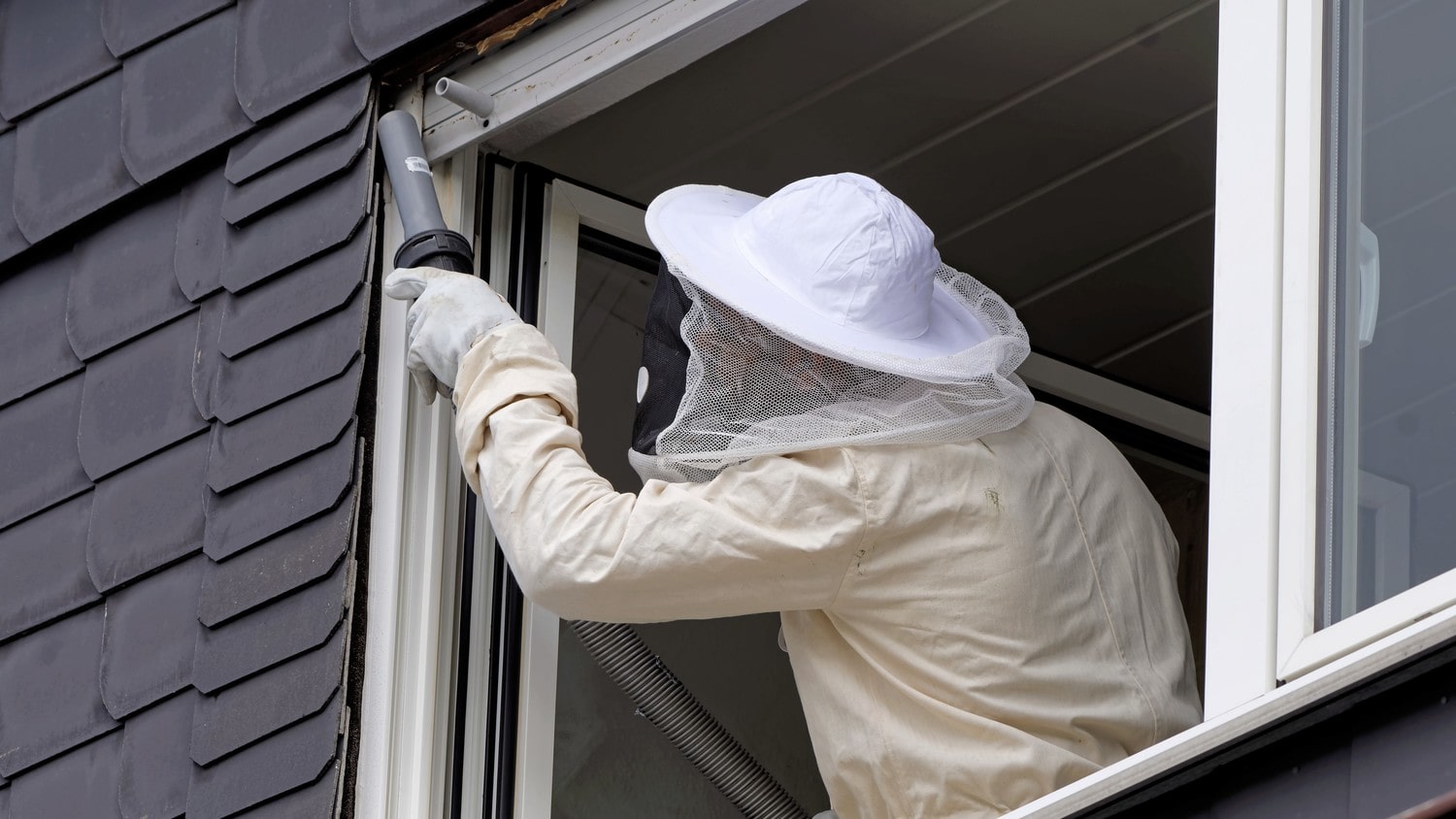
- Site Inspection: The technician identifies the species and searches for secondary nests. They will also identify "entry points" if the insects are getting inside the home.
- Safety Perimeter: The technician will ask you to stay indoors and keep pets away. They may also advise neighbors to close their windows if the nest is near a property line.
- Treatment Application: Using specialized tools (like a "puffer" for dust or a long-range aerosol for high nests), the technician applies a knockdown agent. Modern 2026 formulations often use pyrethrins or essential oil-based neurotoxins that work rapidly.
- Nest Physical Removal: Once the colony is neutralized, the professional should physically remove the nest structure. This is vital because old nests can attract other pests, such as carpet beetles or scavenger ants.
- Residual Barrier: A residual insecticide is often applied to the site to discourage "straggler" wasps (those out foraging during the treatment) from rebuilding in the exact same spot.
The Dangers of DIY Wasp and Hornet Removal
While big-box stores sell "wasp freeze" sprays, professionals strongly discourage DIY attempts for several reasons. According to data from the CDC, stinging insects send thousands of people to the emergency room every year.
- Incomplete Elimination: Most consumer sprays only kill the insects on the surface. If the queen survives or the interior of the nest isn't reached, the colony will recover and potentially become more aggressive.
- Ladder Safety: A common cause of injury is not the sting itself, but the fall from a ladder when a homeowner is startled by a swarm.
- Incorrect Chemical Use: Using the wrong pesticide in a wall void can drive the insects deeper into the home rather than killing them, leading to wasps emerging inside bedrooms or living areas.
Frequently Asked Questions
Does homeowners insurance cover wasp or hornet removal?
Standard homeowners insurance policies typically do not cover pest removal, as it is considered a maintenance issue. However, if the wasps have caused significant structural damage to the interior of a wall (which is rare), you should consult your policy’s "other structures" or "dwelling" coverage sections for specific exclusions.
How much does professional wasp removal cost in 2026?
On average, a standard exterior nest removal costs between $150 and $450. Factors such as height, species (hornets are usually more expensive), and the need for interior wall treatment can push the price toward the $600 to $900 range for complex infestations.
Will the wasps return to the same spot after the nest is removed?
Wasps do not typically reuse old nests. However, the pheromones left behind can signal to future queens that the location is a safe and viable nesting site. Professional removal includes cleaning the area and applying a residual repellent to break this cycle.
Is it better to remove a nest at night?
Yes, most professionals prefer to treat nests in the late evening or very early morning. During these times, the majority of the colony is inside the nest and the insects are less active due to cooler temperatures, ensuring a higher "kill rate" for the entire population.
What should I do if a nest is inside my walls?
Do not plug the hole. If you seal the entrance wasps are using to get into your wall, they will not simply die; they will chew through the drywall to find a new exit, which often leads them directly into your living space. Call a professional immediately for a "void treatment."
Final Recommendation
If you find a nest, do not disturb it. The safest next action is to take a photo of the nest from a distance (if possible) and contact a licensed pest control professional. Ask specifically for a technician who specializes in stinging insects and inquire about their "satisfaction guarantee"—most reputable companies in 2026 will offer a 30-day warranty, meaning they will return for free if the colony is not fully eradicated on the first visit.
Image Gallery