Natural Gas Price Trend: Market Dynamics, Drivers, and Long-Term Outlook
Natural gas price trends are governed by a complex interplay of domestic production volumes, global liquefied natural gas trade, underground storage inventories, regional weather patterns, and macroeconomic industrial demand. Understan...
Natural gas price trends are governed by a complex interplay of domestic production volumes, global liquefied natural gas trade, underground storage inventories, regional weather patterns, and macroeconomic industrial demand. Understanding these movements requires looking beyond daily market ticks to analyze structural supply shifts and shifting seasonal consumption cycles.
Contents
Macroeconomic Overview and Current Market Context
The pricing of natural gas does not occur in a vacuum; it represents a delicate, shifting equilibrium between instantaneous supply and immediate consumption. When analyzing the trajectory of natural gas prices, energy market analysts examine a broad spectrum of variables that dictate whether a given market is oversupplied or facing a deficit. These variables include extraction technologies, pipeline infrastructure capacities, international export terminals, and the financial positioning of institutional speculators in futures markets.
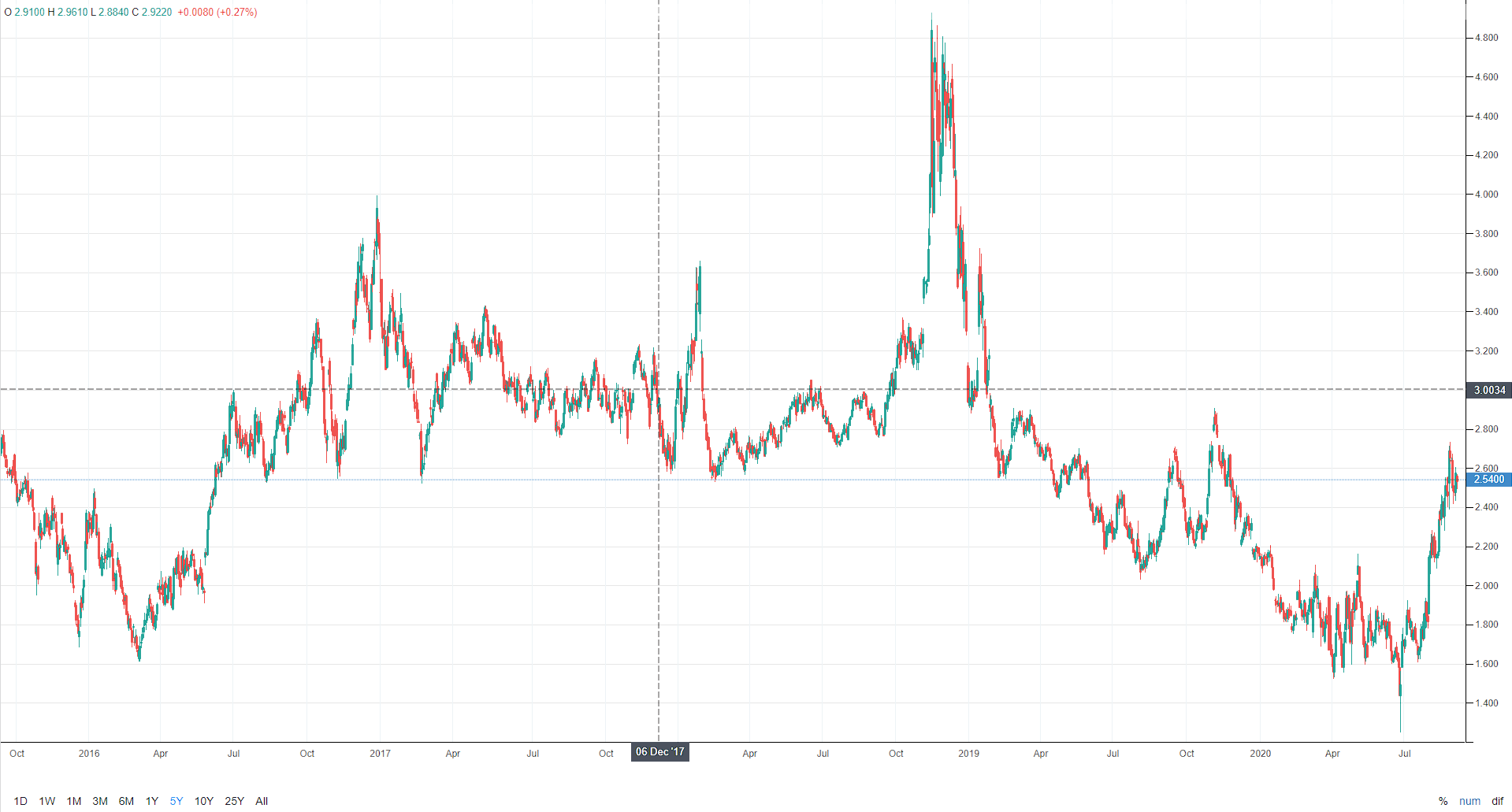
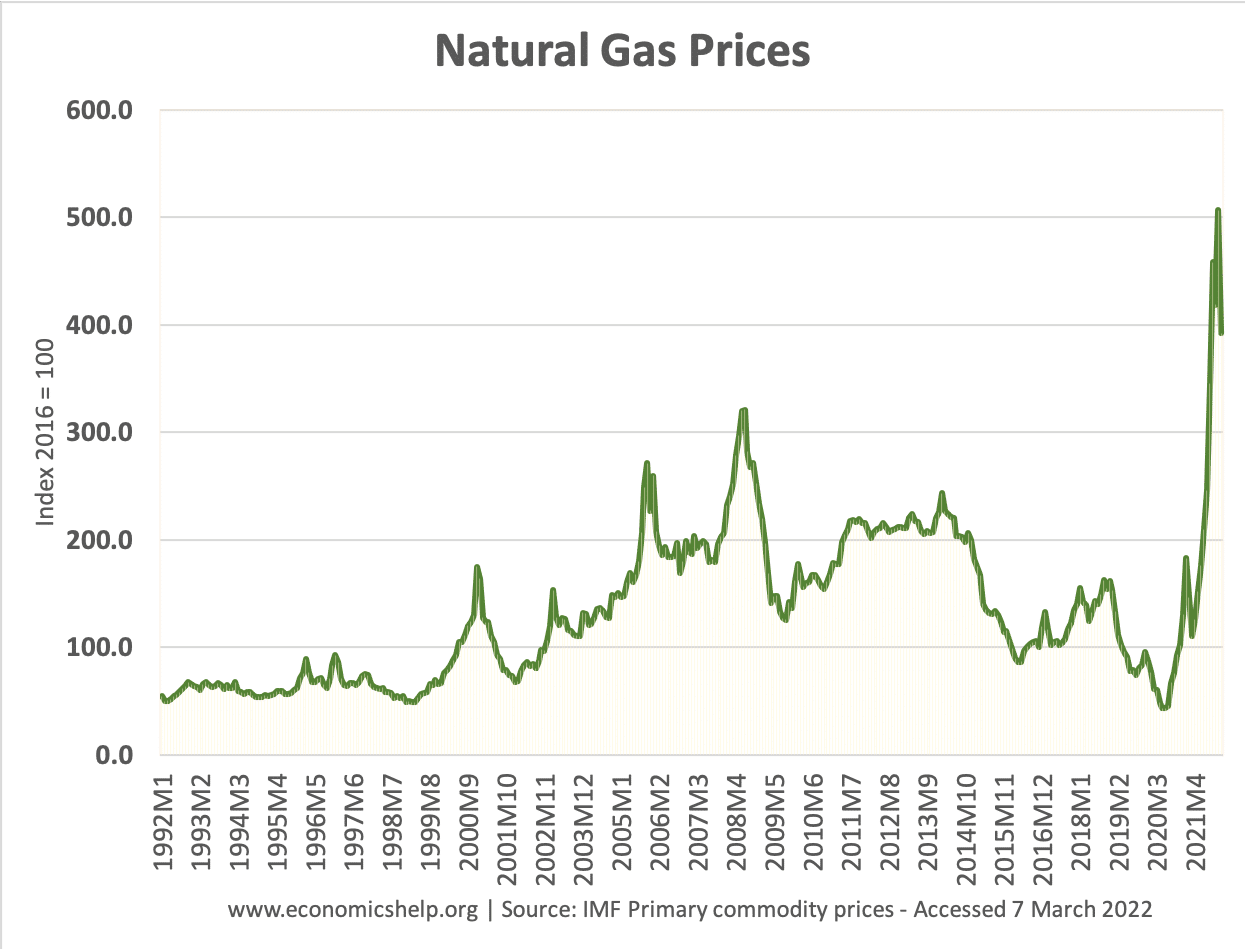
In recent years, the global energy landscape has experienced heightened volatility. Geopolitical disruptions, shifts in European energy sourcing, and rapid expansions in domestic liquefaction capacity have structurally altered how regional prices interact with global benchmarks. Domestic production, heavily anchored by prolific shale basins, has continually challenged efficiency boundaries, frequently outstripping pipeline takeaway capacity and driving localized pricing down during shoulder months. Conversely, periods of extreme weather—whether deep winter polar vortexes or prolonged summer heatwaves—can rapidly deplete inventories, triggering sharp, upward pricing spikes.
| Market Factor | Primary Impact on Natural Gas Prices |
|---|---|
| Storage Inventories | Surplus depresses prices; deficits drive aggressive hedging and price spikes. |
| LNG Export Demand | Pulls domestic supply toward global markets, narrowing regional price spreads. |
| Weather Anomalies | Extreme winter cold or summer heat drives immediate spot-market demand surges. |
| Pipeline Infrastructure | Bottlenecks trap gas locally, causing regional discounts or severe shortages. |
Key Drivers Influencing Price Fluctuations
Navigating the natural gas market requires a granular understanding of the structural pillars that push prices upward or pull them downward. Unlike commodities that can be easily stored indefinitely or transported cheaply across oceans in any form, natural gas requires specialized infrastructure—pipelines, compression stations, and liquefaction-regasification facilities—which heavily influences its economic footprint.
1. Underground Storage Dynamics
The weekly storage reports published by energy authorities serve as a primary barometer for market health. Throughout the injection season (typically April through October), producers pump excess gas into subterranean reservoirs, depleted salt caverns, and aquifers to prepare for winter withdrawal.
- Surplus Inventories: When end-of-season storage significantly outpaces the five-year historical average, spot and futures prices generally experience downward pressure, as the market feels secure in its buffer against cold weather.
- Storage Deficits: If injection rates lag due to high summer power-burn demand (often driven by natural gas-fired electricity generation feeding air conditioning loads), the market reacts with bullish positioning, anticipating vulnerability in the upcoming heating season.
2. The Internationalization of US Markets via LNG
Historically, North American natural gas markets operated largely in isolation from European and Asian pricing hubs due to the logistical barriers of ocean transport. The proliferation of Liquefied Natural Gas (LNG) export facilities has fundamentally changed this dynamic.
- By supercooling natural gas into a liquid state, domestic producers can export vast quantities overseas.
- This global integration means domestic price trends are increasingly sensitive to international supply disruptions, foreign storage levels, and overseas demand shocks (such as Asian economic growth or European pipeline interruptions). Consequently, periods of high global demand create a strong domestic price floor as US gas is pulled toward lucrative export markets.
3. Weather Patterns and Degree Days
Weather remains the most immediate and volatile short-term catalyst for price movement. Energy traders measure weather impact using Heating Degree Days (HDDs) during the winter and Cooling Degree Days (CDDs) during the summer. A mild winter reduces residential and commercial heating demand, leaving storage inventories bloated and crashing spot prices. Conversely, a prolonged summer heatwave spikes electricity demand, forcing power plants to consume massive volumes of gas for cooling, which can rapidly erode storage surpluses.
Production Economics and Supply Fundamentals
On the supply side, natural gas is often co-produced alongside crude oil in major shale plays, meaning that pricing trends cannot be fully decoupled from broader petroleum market dynamics. When global oil prices are robust, exploration and production companies increase drilling activity to capture crude revenues, inadvertently flooding the market with associated natural gas. This dynamic can cause natural gas prices to plummet even if standalone dry-gas drilling economics are marginal.
Furthermore, technological efficiencies in horizontal drilling and hydraulic fracturing have lowered break-even costs for producers. Even in low-price environments, continuous efficiency gains allow top-tier operators to maintain or grow production volumes. However, sustained periods of depressed pricing eventually force capital expenditure cutbacks, rig count reductions, and producer bankruptcies or consolidations, eventually setting the stage for a subsequent supply crunch and cyclical price recovery.
Common Misconceptions in Price Forecasting
Forecasting natural gas prices is notoriously difficult, and market participants frequently fall victim to predictable analytical errors. Recognizing these pitfalls is essential for risk management and strategic planning.
- Assuming Direct Correlation with Oil: While associated gas links oil and gas drilling activity, their end-use markets differ significantly. Natural gas is constrained by local and regional pipeline grids and storage bottlenecks, whereas oil is a globally fungible liquid. Treating natural gas as a simple derivative of crude oil often leads to severe valuation errors.
- Ignoring Localized Basis Risk: National benchmark prices do not reflect what industrial consumers or utilities actually pay at specific regional delivery hubs. Pipeline constraints can cause massive basis blowouts, where gas in a producing basin trades at a steep discount while gas in a constrained consuming region trades at a massive premium.
- Overweighting Short-Term Weather Forecasts: While a single cold week can cause intraday price spikes, traders who build long-term positions based solely on short-range meteorological models frequently suffer severe losses when weather patterns shift unexpectedly.
Frequently Asked Questions
What factors cause natural gas prices to spike suddenly?
Natural gas prices spike when unexpected demand surges—such as a severe winter storm or an intense summer heatwave—coincide with low storage inventories or supply interruptions. Additionally, sudden pipeline outages, processing plant maintenance issues, or spikes in international LNG demand can rapidly tighten regional balances and trigger aggressive buying in futures markets.
How do LNG exports affect domestic natural gas prices?
LNG exports connect the North American market to global energy pricing dynamics. By allowing domestic gas to be shipped overseas to regions with higher structural energy costs, exports increase total demand for domestic production. This generally raises the domestic price floor over time and increases price sensitivity to international events, such as foreign supply shortages or geopolitical conflicts.
Why do natural gas prices often drop during the shoulder months?
Shoulder months—typically spanning spring and autumn—experience minimal weather-driven demand. Households require neither heavy heating nor intensive air conditioning, leading to a temporary slump in overall consumption. During this window, producers continue extracting gas to refill storage facilities, often resulting in temporary oversupply that depresses spot prices.
What is basis risk in natural gas trading?
Basis risk refers to the financial exposure created by the difference between the price of a commodity at a national benchmark delivery point (such as Henry Hub) and the localized price at a specific regional delivery point. Pipeline bottlenecks or excess regional production can cause local prices to diverge significantly from the benchmark, impacting hedging strategies and physical supply costs.
How does oil drilling activity impact natural gas prices?
A substantial portion of natural gas is produced as a byproduct of oil drilling, particularly in plays like the Permian Basin. When crude oil prices are high, energy companies increase oil-focused drilling rigs, which simultaneously increases associated natural gas production. This added supply can weigh on natural gas prices independent of dry-gas market fundamentals.
Practical Next Actions for Market Participants
For industrial consumers, utilities, and financial market participants monitoring natural gas price trends, passive observation is rarely sufficient. Developing a proactive risk management strategy involves several concrete steps:
- Analyze Consumption Profiles: Map historical energy usage against seasonal price volatility to identify periods of peak vulnerability.
- Implement Hedging Structures: Utilize fixed-price contracts, collars, or options strategies to lock in budget certainty when forward curves reach historically favorable levels.
- Monitor Infrastructure Developments: Track regional pipeline expansion announcements and LNG export terminal commissioning schedules to anticipate localized basis shifts before they impact operational costs.
- Diversify Energy Portfolios: Where technically and economically feasible, maintain dual-fuel capabilities to switch between natural gas and alternative energy sources during severe market dislocations.
Image Gallery