George Fisher: The Legacy and Technique of the Cannibal Corpse Lead Singer
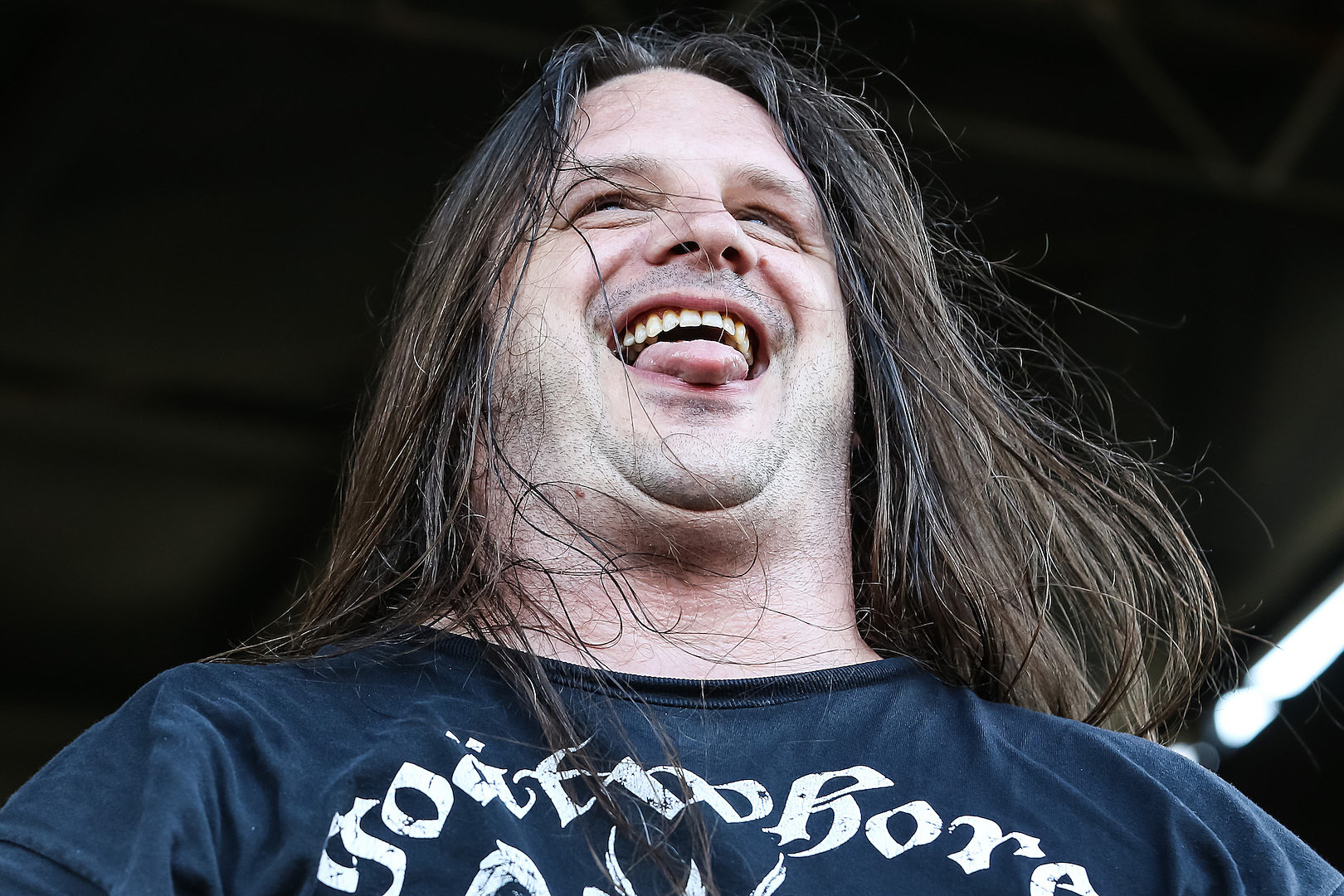
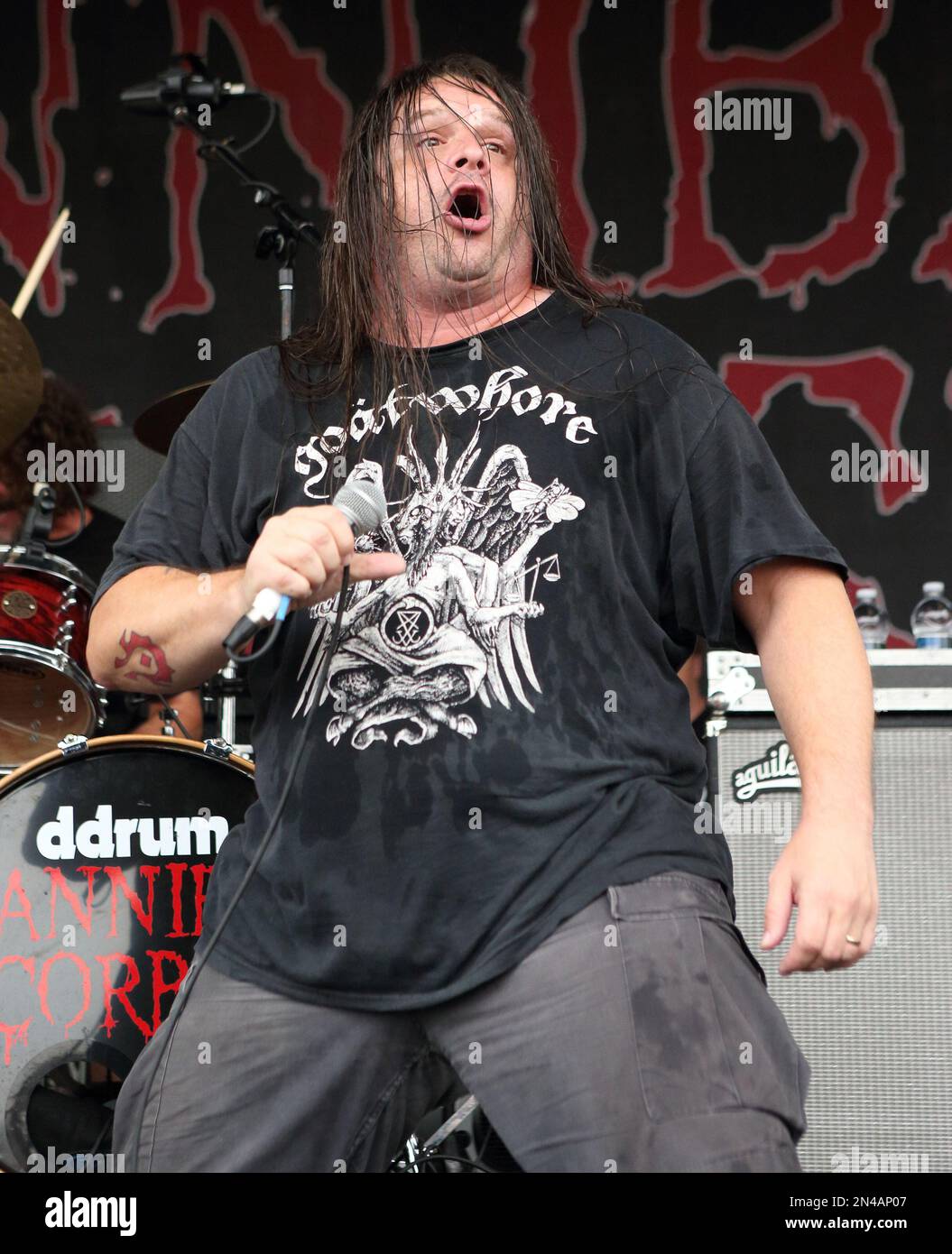
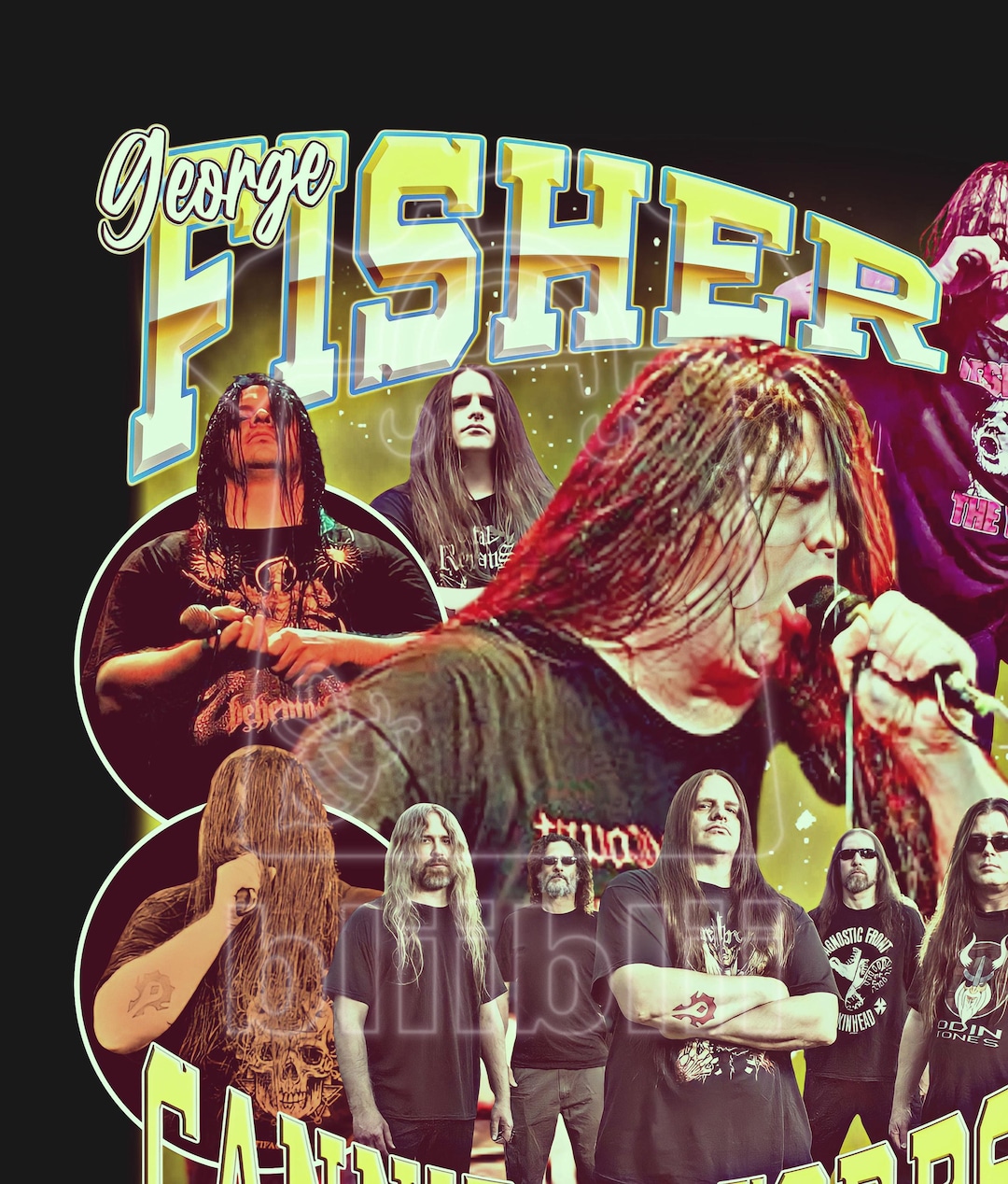
George "Corpsegrinder" Fisher stands as one of the most recognizable and influential figures in death metal history, serving as the lead singer for Cannibal Corpse since 1995. Known for his immense vocal power, signature headbanging st...
George "Corpsegrinder" Fisher stands as one of the most recognizable and influential figures in death metal history, serving as the lead singer for Cannibal Corpse since 1995. Known for his immense vocal power, signature headbanging stamina, and a distinct stage persona that bridges the gap between extreme music and gaming culture, Fisher has defined the sound of the genre for three decades. His tenure with the band has spanned numerous studio albums, world tours, and a transition into legacy status, solidifying his reputation as a pillar of contemporary heavy metal.
Contents
Evolution of the Cannibal Corpse Vocal Identity
George Fisher joined Cannibal Corpse during a pivotal moment in the band's history, stepping in to replace original vocalist Chris Barnes following the release of The Bleeding. His debut with the band on the 1996 album Vile marked a significant shift in the group’s trajectory. While the band maintained their hallmark focus on gruesome imagery and technical proficiency, Fisher introduced a deeper, more sustained guttural range that allowed the music to take on a more aggressive, cinematic quality.
Throughout his career, Fisher has developed a reputation for extreme vocal endurance. Unlike many vocalists who rely heavily on studio production to achieve their signature sound, Fisher is noted for his ability to replicate his layered, thunderous growls live without loss of intensity. His technique—a hybrid of diaphragm-driven gutturals and high-pitched, piercing shrieks—has become the gold standard for death metal vocalists seeking to achieve both clarity of articulation and sheer sonic volume.
Technical Vocal Proficiency and Methodology
The primary technical challenge of death metal singing is the sustained use of the false cords to create a gravelly, resonant tone without causing permanent damage to the vocal folds. Fisher’s approach is rooted in consistent breath support. By utilizing his core muscles to project air, he prevents the strain that often results from "throaty" screaming.
Key Elements of the Corpsegrinder Vocal Style
- Diaphragmatic Projection: By engaging the diaphragm rather than the throat, Fisher achieves a "wall of sound" effect that maintains consistency across rapid-fire lyric delivery.
- Articulated Enunciation: Despite the aggressive nature of his delivery, Fisher is often praised for his ability to maintain a level of rhythmic precision that allows the listener to distinguish lyrics, a rarity in extreme metal subgenres.
- Dynamic Variation: On albums such as Gallery of Suicide and Bloodthirst, listeners can hear the evolution of his range, moving between low, rumbling pits and higher, more strained vocal peaks that mirror the speed of the guitar riffs.
Contributions to the Cannibal Corpse Discography
Since 1995, Fisher has appeared on every Cannibal Corpse studio album, acting as the face of the band during their rise to mainstream heavy metal prominence. His presence has been a constant in an industry often defined by fleeting trends and lineup changes.
| Album Era | Notable Characteristics |
|---|---|
| The Vile Years (1996–1998) | Marked the transition into a more technical, faster-paced death metal sound. |
| The Classic Era (1999–2006) | Solidified the "Corpsegrinder" sound; peak vocal endurance and band chemistry. |
| The Modern Era (2009–2026) | Refined production quality; emphasis on high-speed rhythmic complexity. |
His longevity with the band is a result of mutual creative alignment. While the band’s guitarists—such as Rob Barrett and Erik Rutan—evolved the technicality of the riffs, Fisher provided the vocal stability required to anchor those shifts, ensuring the band never drifted too far from the guttural, horror-inspired themes that define their identity.
Cultural Impact and Public Persona
Beyond the stage, George Fisher has achieved a unique status in pop culture. In the mid-2010s, his public passion for high-score gaming, particularly the "claw machine" arcade phenomenon, earned him a new generation of fans who may not have been traditional death metal listeners. This "gentle giant" persona—a sharp contrast to the violent, visceral imagery of the songs he performs—has helped humanize the genre.
His influence on younger metal vocalists cannot be overstated. By demonstrating that a professional death metal career can span decades without the need for gimmickry or stylistic dilution, he has set a benchmark for professionalism. He remains a primary point of reference for bands in the brutal death metal subgenre, where his influence is audible in the vocal patterns and endurance-based approaches of dozens of newer acts.
Frequent Inquiries Regarding George Fisher
What is the meaning of his nickname "Corpsegrinder"? The moniker originates from his previous band, Monstrosity, and was adopted to reflect the intense, aggressive nature of the death metal aesthetic. It has since become synonymous with his own brand identity within the metal community.
Does George Fisher write the lyrics for Cannibal Corpse? While the band’s songwriting is often a collaborative effort involving various members, the primary lyricists have historically included bassist Alex Webster and guitarist Rob Barrett. Fisher contributes to the delivery, phrasing, and the specific cadence of the vocal lines, which are integral to the final sound.
How does he maintain his voice during long tours? Fisher emphasizes physical conditioning and strict warm-up routines. Because the vocal style is physically taxing, he focuses on hydration, sleep, and proper breathing exercises to ensure his vocal cords remain resilient through international tour cycles that can last months at a time.
Is George Fisher still the lead singer for Cannibal Corpse as of 2026? Yes, George Fisher remains the lead vocalist for Cannibal Corpse. There have been no announcements regarding his departure or retirement from the band as of 2026.
What is his vocal range in scientific terms? While metal vocalists are rarely categorized by traditional operatic standards, Fisher’s range is classified as a sub-harmonic bass, capable of descending into extremely low registers while utilizing vocal fry and false cord distortion to maintain high-frequency output.
Professional Recommendations for Aspiring Vocalists
For those looking to replicate the techniques pioneered by Fisher, the focus should not be on "sound," but on physical health. Beginners often attempt to mimic the gravelly tone by forcing air through a constricted throat, which leads to injury. Instead, practitioners should:
- Develop Breath Control: Practice long, sustained exhales with a steady diaphragm, ensuring the abdominal muscles remain tight.
- Prioritize Hydration: Extreme vocalization dries out the vocal tract rapidly; consistent water intake is a biological requirement.
- Monitor for Pain: If at any point a sharp pain or "scratchiness" is felt in the throat, stop immediately. The goal is "vocal fatigue," not "vocal injury."
George Fisher’s career serves as a masterclass in staying power. By evolving his technique to meet the demands of an ever-shifting heavy metal landscape while maintaining the core intensity that made him famous, he has ensured that Cannibal Corpse remains a dominant, relevant force in 2026.
Image Gallery