The Hidden Risk of Flesh-Eating Disease from the Ocean
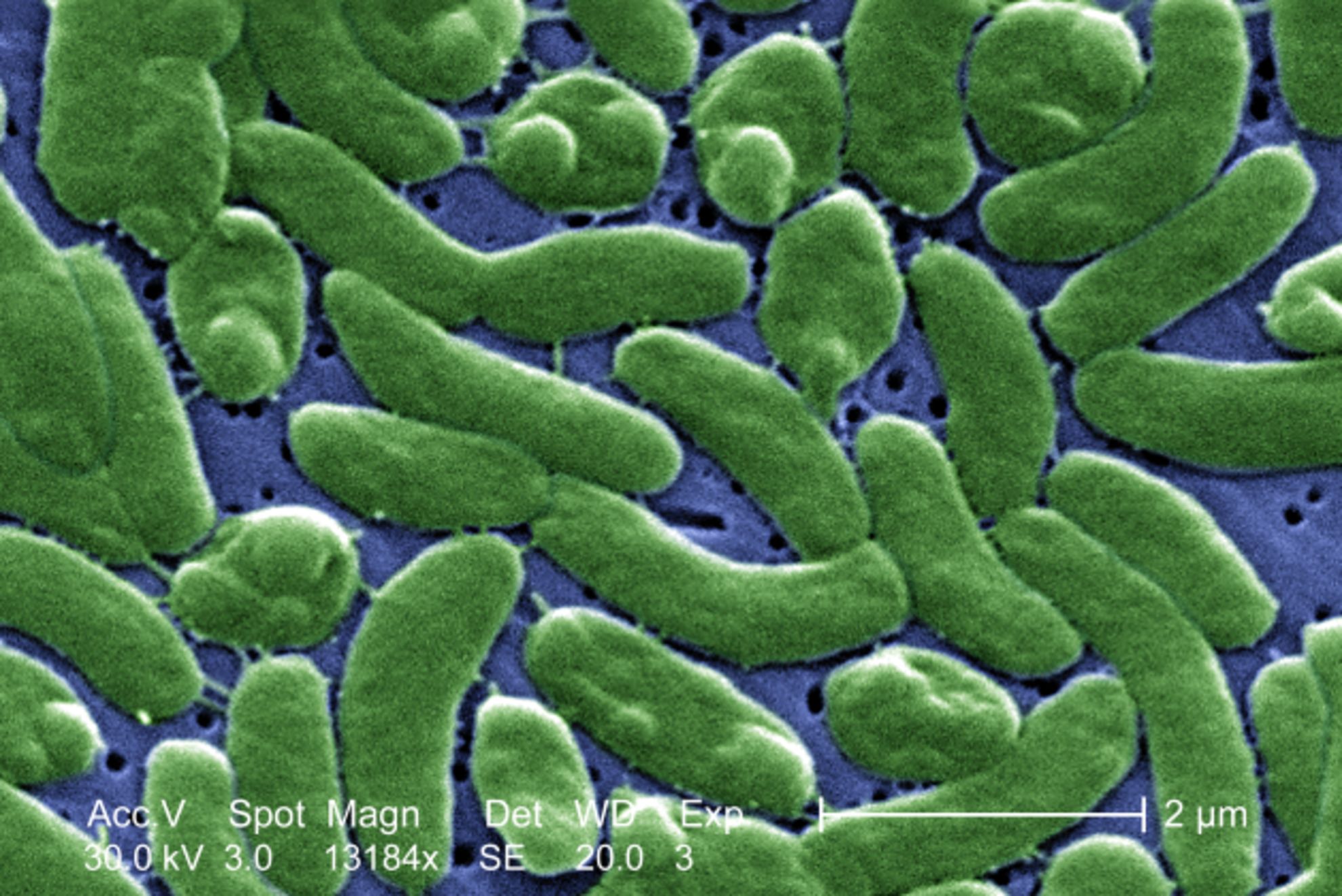
Vibrio vulnificus is a naturally occurring bacterium found in warm coastal waters that can cause necrotizing fasciitis—a severe, rapidly progressing tissue-destroying infection—through open wounds or the ingestion of raw seafood, posin...
Vibrio vulnificus is a naturally occurring bacterium found in warm coastal waters that can cause necrotizing fasciitis—a severe, rapidly progressing tissue-destroying infection—through open wounds or the ingestion of raw seafood, posing significant health risks particularly to immunocompromised individuals.
Contents
When summer arrives and coastal temperatures rise, millions of people flock to beaches worldwide to swim, fish, and enjoy marine recreation. Beneath the surface of these inviting waters, however, lurks a microscopic hazard that has earned a fearsome reputation in medical literature: the hidden risk of flesh-eating disease from the ocean. While media reports often sensationalize these occurrences, understanding the actual mechanisms, risk factors, and preventative measures is critical for anyone engaging in coastal activities.
Medical professionals and public health agencies emphasize that while severe infections are rare, their progression can be extraordinarily rapid and life-threatening. Recognizing how these pathogens enter the body, identifying early warning symptoms, and knowing who is most vulnerable can mean the difference between a minor inconvenience and a catastrophic medical emergency.
Understanding the Marine Pathogen: Vibrio vulnificus
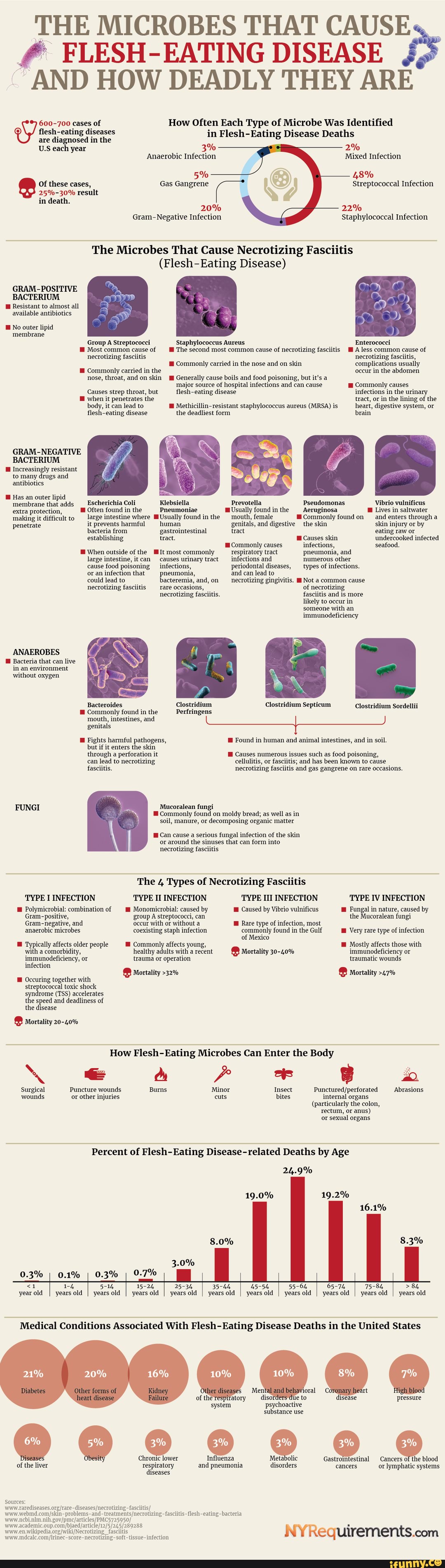
The primary culprit behind ocean-derived necrotizing fasciitis is Vibrio vulnificus, a bacterium belonging to the same family as the organism that causes cholera. These microorganisms thrive in warm, saline environments, making estuaries, shallow coastal bays, and the Gulf of Mexico prime habitats, particularly during the warm months between May and October when water temperatures rise above 68°F (20°C).
Unlike common surface bacteria that cause mild skin irritations, Vibrio vulnificus is an aggressive opportunistic pathogen. It does not require a person to be submerged in deep water; standing in coastal shallows, wading through tidal pools, or handling freshly caught seafood can expose an individual to the organism. Once the bacterium breaches the skin barrier or the gastrointestinal lining, it can multiply rapidly, releasing toxins that destroy soft tissues and enter the bloodstream.
It is important to distinguish Vibrio vulnificus from other waterborne pathogens. While Pseudomonas aeruginosa can cause swimmer's ear or mild folliculitis, and various non-cholera Vibrio species can cause gastroenteritis, Vibrio vulnificus is uniquely capable of causing primary septicemia and severe necrotizing skin and soft tissue infections with a high mortality rate if treatment is delayed.
How the Infection Occurs and Disease Progression
Infection typically occurs through two main routes: wound exposure and ingestion. Understanding the distinct pathways of transmission helps clarify why certain ocean-goers face vastly different levels of risk.
Wound Exposure
The most common route for flesh-eating bacterial infections from the ocean is the direct contact of an open wound with seawater or estuarine water. This can happen through:
- Swimming or wading with a pre-existing cut, scrape, or surgical incision.
- Sustaining a new injury while in the water, such as stepping on a sharp shell, scraping against a coral reef, or getting poked by the spine of a fish or crustacean.
- Puncture wounds from fishing hooks or cleaning raw marine life.
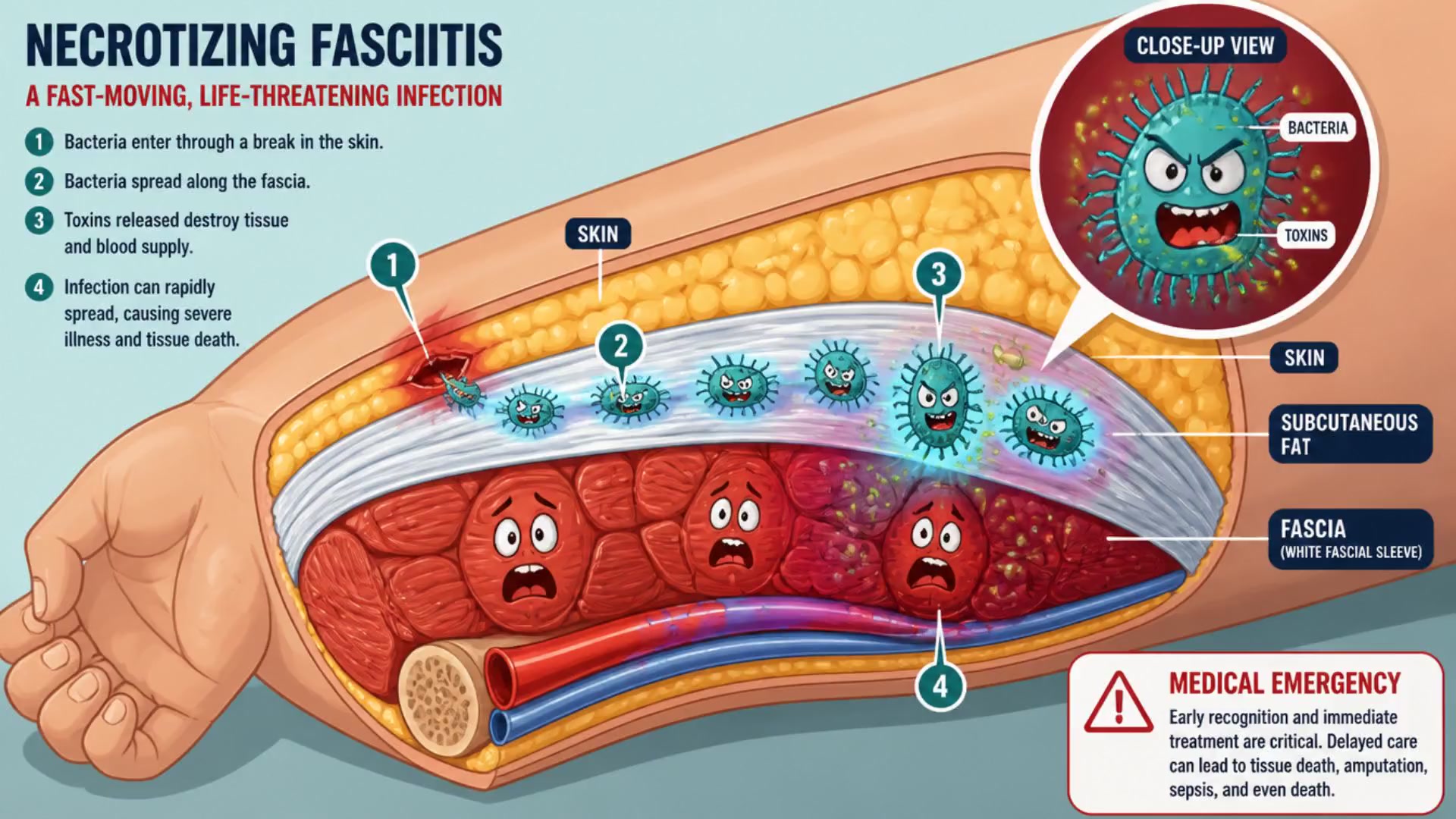
Once inside the tissue, the bacteria encounter a nutrient-rich environment. They produce enzymes and toxins that break down cell membranes, block blood flow to the area, and cause rapid tissue death. This condition is clinically known as necrotizing fasciitis. Without immediate intervention, the infection can spread along the fascial planes—the connective tissue sheets covering muscles—at a rate of several centimeters per hour.
Ingestion of Raw Seafood
The second route involves eating raw or undercooked shellfish, particularly oysters harvested from warm coastal waters. While this typically results in severe gastrointestinal illness, vomiting, and diarrhea in healthy individuals, it can lead to primary septicemia in susceptible populations. In these cases, the bacteria cross the intestinal wall, enter the bloodstream, and cause widespread systemic inflammation, septic shock, and secondary skin lesions characterized by fluid-filled blisters (bullae).
High-Risk Populations and Pre-Existing Conditions
While anyone exposed to contaminated seawater or raw shellfish can theoretically contract a Vibrio infection, the severity of the outcome is heavily influenced by the host's underlying health status. Healthy individuals with intact immune systems often experience mild localized irritation or no symptoms at all, but certain pre-existing conditions dramatically increase the risk of developing severe necrotizing fasciitis or fatal septicemia:
| Underlying Condition / Factor | Impact on Infection Risk | Clinical Significance |
|---|---|---|
| Chronic Liver Disease | Extremely High | Cirrhosis, hepatitis, and hemochromatosis elevate serum iron levels, which Vibrio vulnificus requires for rapid replication. |
| Immunocompromising States | High | Conditions such as HIV/AIDS, cancer treatments, or long-term corticosteroid use impair the body's ability to fight bacterial invasion. |
| End-Stage Renal Disease | High | Compromised kidney function and associated systemic stress reduce immune clearance efficiency. |
| Diabetes Mellitus | Moderate to High | Elevated blood glucose levels and impaired peripheral circulation hinder localized healing and immune response. |
| Age (Over 65 Years) | Moderate | Natural declines in immune function (immunosenescence) increase susceptibility to severe systemic complications. |
Individuals falling into these high-risk categories are strongly advised by health authorities to avoid swimming in ocean or estuarine waters if they have any open wounds and to strictly abstain from consuming raw or undercooked shellfish.
Recognizing Symptoms and Seeking Immediate Medical Care
Time is the single most critical factor in treating ocean-borne flesh-eating disease. The early signs of a Vibrio vulnificus infection can mimic less severe conditions, leading individuals to delay seeking care. However, symptoms escalate with alarming speed.
Patients typically notice symptoms within 24 to 72 hours of exposure, though the incubation period can be shorter. Key warning signs include:
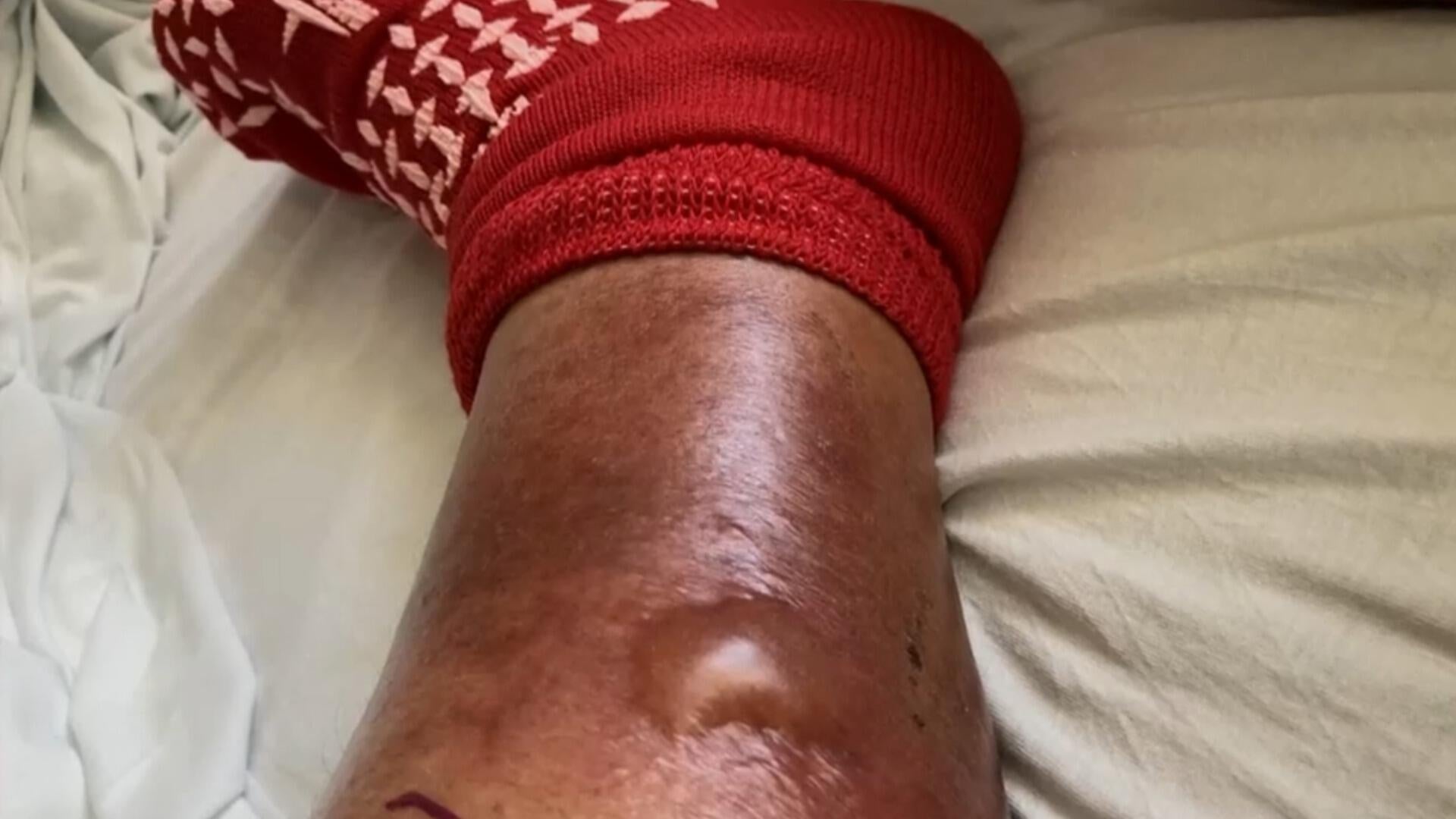
- Severe, disproportionate pain at the site of a minor wound or scratch.
- Rapidly spreading swelling, redness, and warmth around the affected area.
- Blisters or bullae forming on the skin, often filled with dark fluid or blood.
- Systemic symptoms such as sudden fever, chills, dizziness, low blood pressure, and confusion.
If these symptoms appear after ocean exposure or eating raw seafood, emergency medical evaluation is mandatory. Physicians must be informed immediately about the marine contact so they can administer broad-spectrum antibiotics and evaluate the patient for surgical debridement—the removal of dead and infected tissue—which is frequently necessary to halt the spread of necrotizing fasciitis.
Prevention Strategies for Ocean-Goers
Protecting oneself from the hidden risks of marine pathogens does not require avoiding the ocean entirely. Instead, it relies on practical, common-sense precautions designed to minimize exposure routes.
- Inspect and Protect Wounds: Check your body for cuts, scrapes, or new tattoos and piercings before entering natural bodies of water. Cover any minor skin breaks with waterproof bandages designed to create a tight seal.
- Avoid Swimming with Open Sores: If you have a significant surgical incision, open ulcer, or fresh injury, stay out of salt or brackish water entirely until the skin is fully healed.
- Wear Protective Gear: When handling raw fish, crabs, or oysters, or when engaging in activities like shucking or fishing, wear heavy-duty protective gloves to prevent punctures and lacerations.
- Wash Thoroughly After Exposure: If you sustain a cut while in the water or handle marine life, wash the affected area immediately and thoroughly with soap and clean water. Apply an antiseptic ointment.
- Cook Seafood Properly: Ensure that shellfish, particularly oysters, are thoroughly cooked before consumption. Boiling, frying, or baking destroys the bacteria and eliminates the risk of foodborne transmission.
Frequently Asked Questions
Is flesh-eating disease from the ocean contagious from person to person?
No, Vibrio vulnificus and the associated necrotizing fasciitis contracted from seawater are not transmitted through casual contact from person to person. The infection requires direct inoculation of the bacteria into an open wound or ingestion of contaminated food.
Can healthy people die from Vibrio vulnificus infections?
While the vast majority of fatal cases occur in individuals with chronic liver disease, weakened immune systems, or other severe underlying health conditions, rare cases of aggressive localized wound infections have impacted otherwise healthy individuals who delayed medical treatment.
Are these bacteria found in all oceans and beaches?
Vibrio bacteria prefer warm, brackish, and salt waters. They are most commonly reported in tropical and subtropical regions, such as the U.S. Gulf Coast and Atlantic coast, but rising global ocean temperatures have expanded their geographic range and prolonged the seasonal window of activity.
How do doctors diagnose a marine flesh-eating infection?
Diagnosis is typically made through clinical evaluation of the wound and systemic symptoms, supported by laboratory tests such as blood cultures, wound cultures, and tissue biopsies to identify the specific bacterial organism responsible for the rapid tissue breakdown.
Can pool water or ocean water pose the same risk?
Chlorinated swimming pools, water parks, and treated hot tubs are generally safe from marine Vibrio species, as disinfectants neutralize these bacteria. The risk is specifically concentrated in natural marine, estuarine, and brackish environments where the bacteria naturally proliferate.
Conclusion and Next Actions
The ocean remains a source of recreation, livelihood, and wonder for millions, but it is also a dynamic natural ecosystem teeming with microbial life. While the threat of Vibrio vulnificus and associated flesh-eating disease is real, it is largely manageable through informed caution. By respecting personal health vulnerabilities, covering wounds before swimming, and seeking immediate medical attention for rapidly worsening skin infections after ocean exposure, you can enjoy coastal environments safely and responsibly. If you or a loved one belong to a high-risk group, consult with a primary care physician for personalized guidance on safe marine and dietary practices.
Image Gallery