Comprehensive Guide to Oil Well Investments in 2026: Risks, Rewards, and Tax Strategies
Direct investment in oil and gas wells allows qualified investors to participate in the exploration, drilling, and production of domestic energy resources. These investments typically function through partnerships where individuals pro...
Direct investment in oil and gas wells allows qualified investors to participate in the exploration, drilling, and production of domestic energy resources. These investments typically function through partnerships where individuals provide capital in exchange for a percentage of the well's revenue, supplemented by aggressive tax incentives designed to encourage domestic energy independence and infrastructure development.
Contents
Oil well investments represent a sophisticated corner of the alternative asset market. Unlike purchasing shares in a major integrated energy company like ExxonMobil or Chevron, direct participation in oil wells involves owning a fractional interest in the actual mineral rights or the operating lease of a specific project. In 2026, the landscape for these investments remains shaped by a combination of global energy demand, technological advancements in horizontal drilling, and specific provisions within the U.S. Tax Code that favor independent producers and their partners.
Understanding the Mechanics of Oil Well Investments
To navigate this sector, an investor must first distinguish between the two primary types of ownership interests: Working Interests and Royalty Interests. These structures dictate the investor’s liability, cost responsibility, and share of the revenue.
Working Interests
A working interest is an investment in the operational aspect of the well. As a working interest owner, you are responsible for a portion of the costs associated with drilling, completing, and operating the well. In exchange for taking on this financial burden, you receive a percentage of the production revenue. However, because you are an "operator" in a legal sense, you are also liable for any cost overruns or environmental liabilities that may arise.
Royalty Interests
A royalty interest is a claim to a portion of the resources produced or the revenue generated from that production. Unlike working interest owners, royalty owners do not pay for any of the drilling or monthly operating costs. Their "check" is cut from the gross revenue before many other expenses are deducted. While this is lower risk, the potential for massive tax write-offs is significantly reduced compared to working interests.
Limited Partnerships (LPs) and Joint Ventures (JVs)
Most individual investors access these opportunities through Limited Partnerships or Joint Ventures. In these structures, a lead operator (the General Partner) manages the technical and physical aspects of the well, while the investors (Limited Partners) provide the capital. This structure is designed to shield investors from personal liability beyond their initial investment, though tax benefits remain focused on the direct participation nature of the deal.
Tax Advantages: The Primary Driver for High-Income Earners
One of the most compelling reasons for investing in oil wells is the unique tax treatment afforded by the U.S. government. Under current 2026 regulations, which maintain the framework of long-standing energy policies, there are three primary tax benefits:
- Intangible Drilling Costs (IDCs): These are expenses for items that have no salvage value, such as labor, chemicals, grease, and haulage. In a typical drilling project, IDCs account for 60% to 80% of the total cost of the well. Investors can often deduct 100% of these costs against their active income (like a salary or business profit) in the year the costs are incurred. This is a rare exception in the tax code, as most investment losses are treated as "passive."
- Tangible Drilling Costs (TDCs): These relate to the actual equipment used, such as casing, tubing, and wellheads. These costs are not 100% deductible in the first year but are instead depreciated over a seven-year period.
- The Depletion Allowance: This is a form of depreciation for natural resources. Under Section 613A of the tax code, small producers and investors can exclude 15% of the gross income from an oil or gas well from their taxable income. This effectively makes 15% of the investment’s cash flow tax-free.
Prerequisites for Investment: The Accredited Investor Standard
Due to the inherent risks and complexity of oil and gas exploration, these investments are generally not available to the public. They are typically sold as private placements under SEC Regulation D. To participate, an individual must generally meet the criteria of an Accredited Investor.
As of 2026, the primary requirements (which have remained consistent with SEC Rule 501) include:
- Income: An annual income exceeding $200,000 (or $300,000 together with a spouse or spousal equivalent) in each of the two preceding years, with a reasonable expectation of reaching the same level in the current year.
- Net Worth: A net worth exceeding $1 million, either alone or with a spouse, excluding the value of the primary residence.
- Professional Credentials: Certain individuals with specific financial licenses (such as Series 7, 65, or 82) may also qualify regardless of income or net worth.
These thresholds ensure that participants have the "financial sophistication" and capital reserves to withstand the total loss of their investment, which is a statistically significant possibility in wildcatting (exploratory drilling).
Operational Phases of an Oil Well Project
Understanding the lifecycle of an oil well is crucial for timing cash flows and assessing risk. A typical project moves through four distinct stages:
1. Leasing and Permitting
The operator identifies a prospect through geological surveys and seismic data. They must then negotiate leases with mineral rights owners and obtain permits from state or federal agencies, such as the Texas Railroad Commission or the Bureau of Land Management.
2. The Drilling Phase
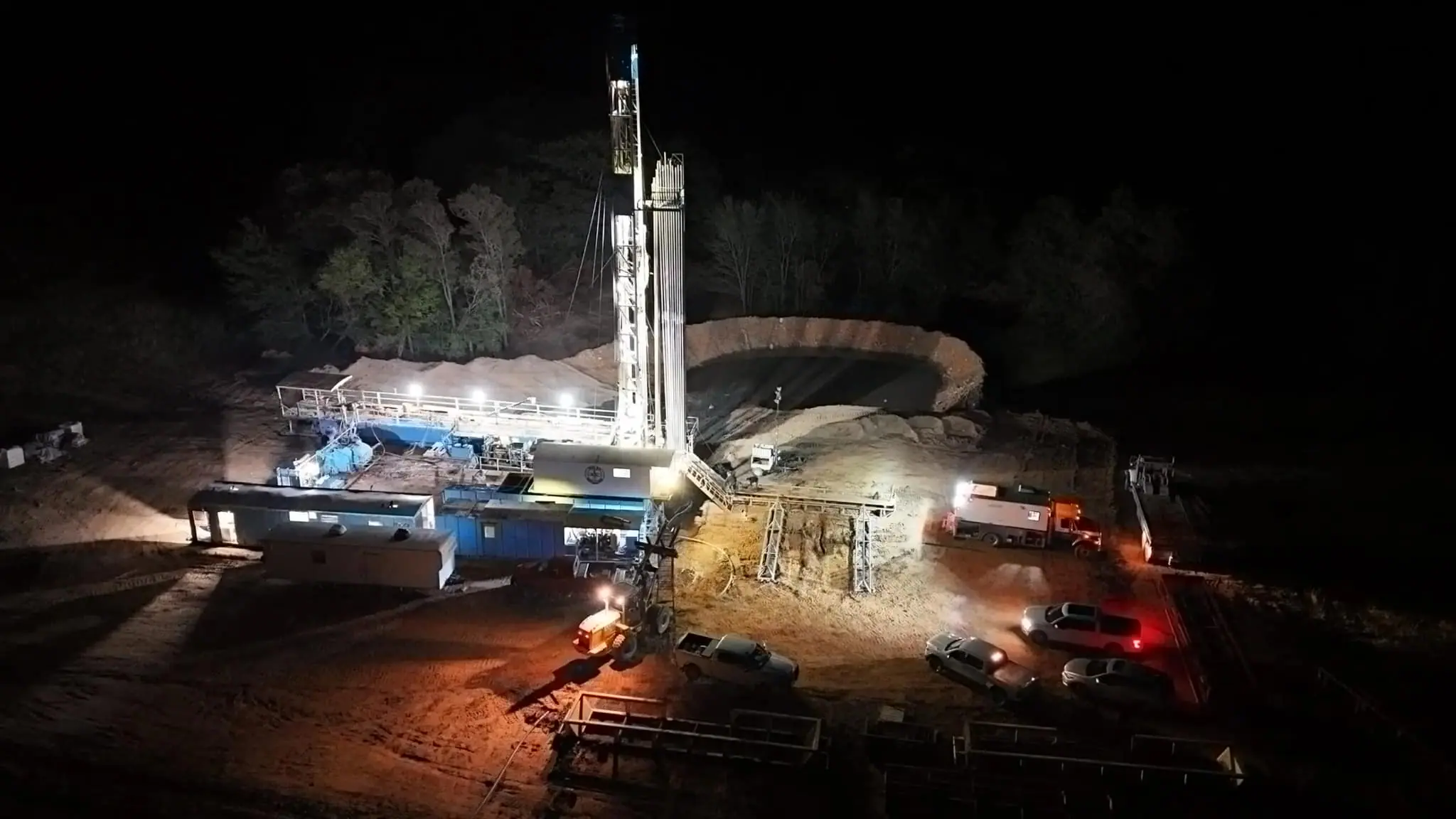
Once the rig is on-site, drilling begins. This is the period of highest capital expenditure. Investors are usually called upon to fund their portion of the "AFE" (Authority for Expenditure) during this time. In 2026, modern "smart rigs" and automated drilling systems have reduced the time spent on-site, but costs remain sensitive to steel prices and labor availability.
3. Completion and Fracking
If the well shows evidence of hydrocarbons (a "log"), the operator moves to the completion phase. In unconventional shale plays, this involves hydraulic fracturing (fracking). If the well is a "dry hole," it is plugged and abandoned, and the investor’s participation shifts toward claiming the maximum tax loss.
4. Production and Distribution
Once a well is "turned to sales," it begins producing oil and gas. The raw product is sold to a midstream company. Revenue checks are typically distributed to investors monthly or quarterly. In 2026, many operators use blockchain-based ledgers to provide real-time transparency into production volumes and pricing.
| Investment Feature | Working Interest | Royalty Interest | Oil Stocks/ETFs |
|---|---|---|---|
| Upfront Costs | High (Drilling + Operations) | Initial Purchase Only | Market Price per Share |
| Liability | Full Operational Liability | Limited to Investment | None (Limited Liability) |
| Tax Benefits | IDC/TDC + Depletion | Depletion Only | Capital Gains/Dividends |
| Income Source | Percentage of Net Revenue | Percentage of Gross Revenue | Dividends/Share Appreciation |
| Risk Profile | High (Dry Hole + Liability) | Moderate (Geological Risk) | Moderate (Market Volatility) |
| Liquidity | Very Low | Low | Very High |
Identifying and Mitigating Risks
Oil well investments are high-risk, high-reward ventures. Prospective investors must evaluate several categories of risk before committing capital:
- Geological Risk: Even with advanced 3D and 4D seismic imaging, there is no guarantee that a well will produce commercial quantities of oil. "Dry holes" result in a total loss of the capital used for drilling.
- Commodity Price Volatility: The profitability of a well is tied directly to the spot price of West Texas Intermediate (WTI) or Brent crude. While producers often use hedging strategies to lock in prices, an investor’s long-term return is subject to global supply-demand shifts and geopolitical events.
- Regulatory and Environmental Risk: Changes in environmental laws can lead to increased compliance costs or the forced shutdown of wells. In 2026, stricter methane emission standards and water disposal regulations have increased the "LOE" (Lease Operating Expenses) for many older fields.
- Operator Risk: The success of the investment depends heavily on the competence and honesty of the operator. Investors must perform due diligence on the operator’s track record, looking for "P5" filings (in Texas) or similar regulatory histories in other states.
Due Diligence Checklist for 2026
Before signing a Private Placement Memorandum (PPM), an investor should verify the following:
- The AFE (Authority for Expenditure): Is the cost estimate realistic for the region and depth?
- Geological Reports: Has an independent geologist reviewed the prospects?
- Operator's History: What is the "success ratio" of the operator's previous 10 wells?
- Lease Terms: What is the "Net Revenue Interest" (NRI)? If the operator and royalty owners take too large a cut, the investor’s "breakeven" oil price may be too high.
FAQ
What is the typical minimum investment for an oil well? Direct participation typically requires a minimum of $25,000 to $100,000 per "unit." However, some multi-well programs allow smaller entries to help investors diversify across several different prospects to reduce "single-well" risk.
Are oil well investments considered passive or active for tax purposes? Unique to the tax code, a working interest in an oil and gas property is not considered a passive activity, even if the investor does not materially participate in the operations. This allows the losses (IDCs) to offset active income like salaries, provided the investor's liability is not limited (i.e., they are a general partner or a direct working interest owner).
How long does it take to see a return on investment? The drilling and completion phase usually takes 3 to 6 months. If successful, the first revenue checks typically arrive 60 to 90 days after the well is turned to sales. Most wells experience a "flush production" period in the first 12–18 months where output is highest, followed by a long, slow decline.
What happens if the well is a "dry hole"? If a well is determined to be non-productive, it is capped. The investment is lost, but the investor can generally write off 100% of the capital invested as a loss in that tax year, which can provide a significant "tax cushion" for those in high tax brackets.
How does 2026 technology affect these investments? Advancements in Enhanced Oil Recovery (EOR) and real-time downhole sensors have increased the "Estimated Ultimate Recovery" (EUR) of many wells. While this doesn't eliminate risk, it has made the production profiles of shale wells more predictable than they were a decade ago.
Practical Recommendation
For those considering oil well investments in 2026, the most prudent approach is diversification. Rather than placing a large sum into a single exploratory well, look for "multi-well drilling programs" or "developmental drilling" in proven fields. Developmental drilling occurs in areas where oil has already been discovered, reducing geological risk compared to "wildcat" exploration. Always consult with a tax professional who specializes in the Internal Revenue Code Section 263(c) to ensure the structure of the investment aligns with your specific tax mitigation goals.
Image Gallery