Why Kathleen Zellner Remains in the Spotlight: A Profile of Legal Persistence
Kathleen Zellner is an American attorney who has gained international recognition for her unparalleled success in overturning wrongful convictions. As of 2026, she remains in the spotlight due to her high-profile defense of Steven Aver...
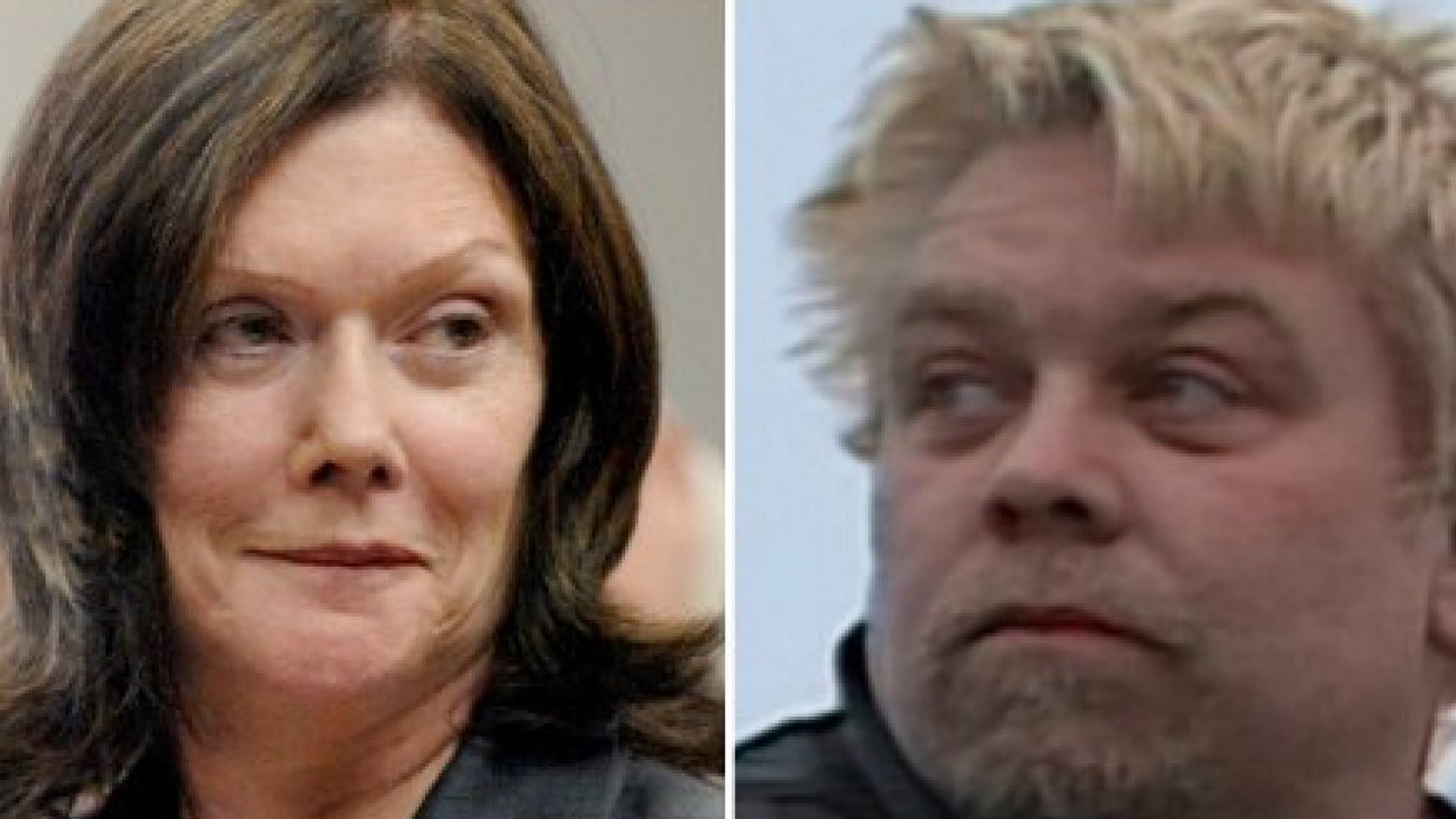
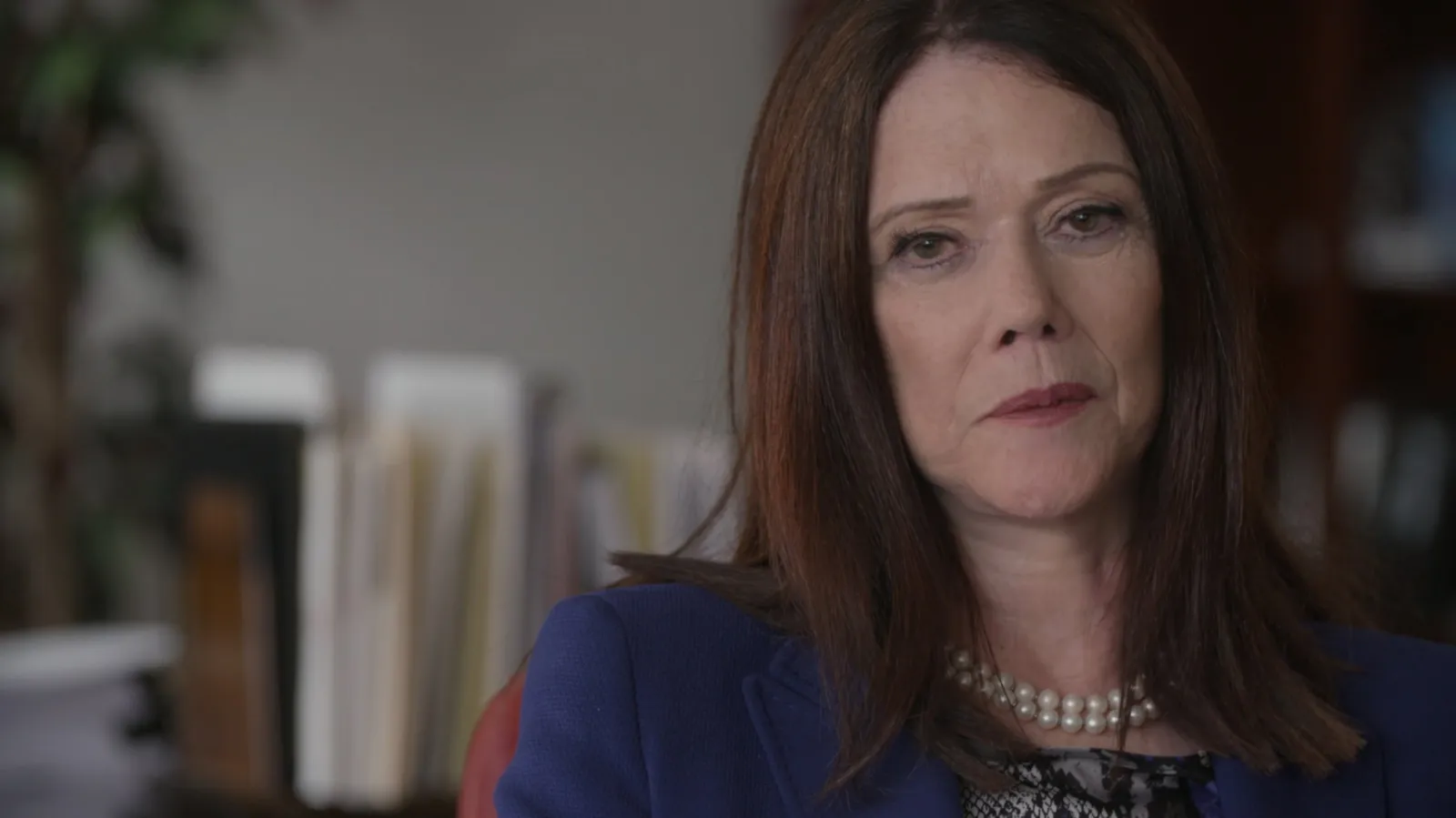
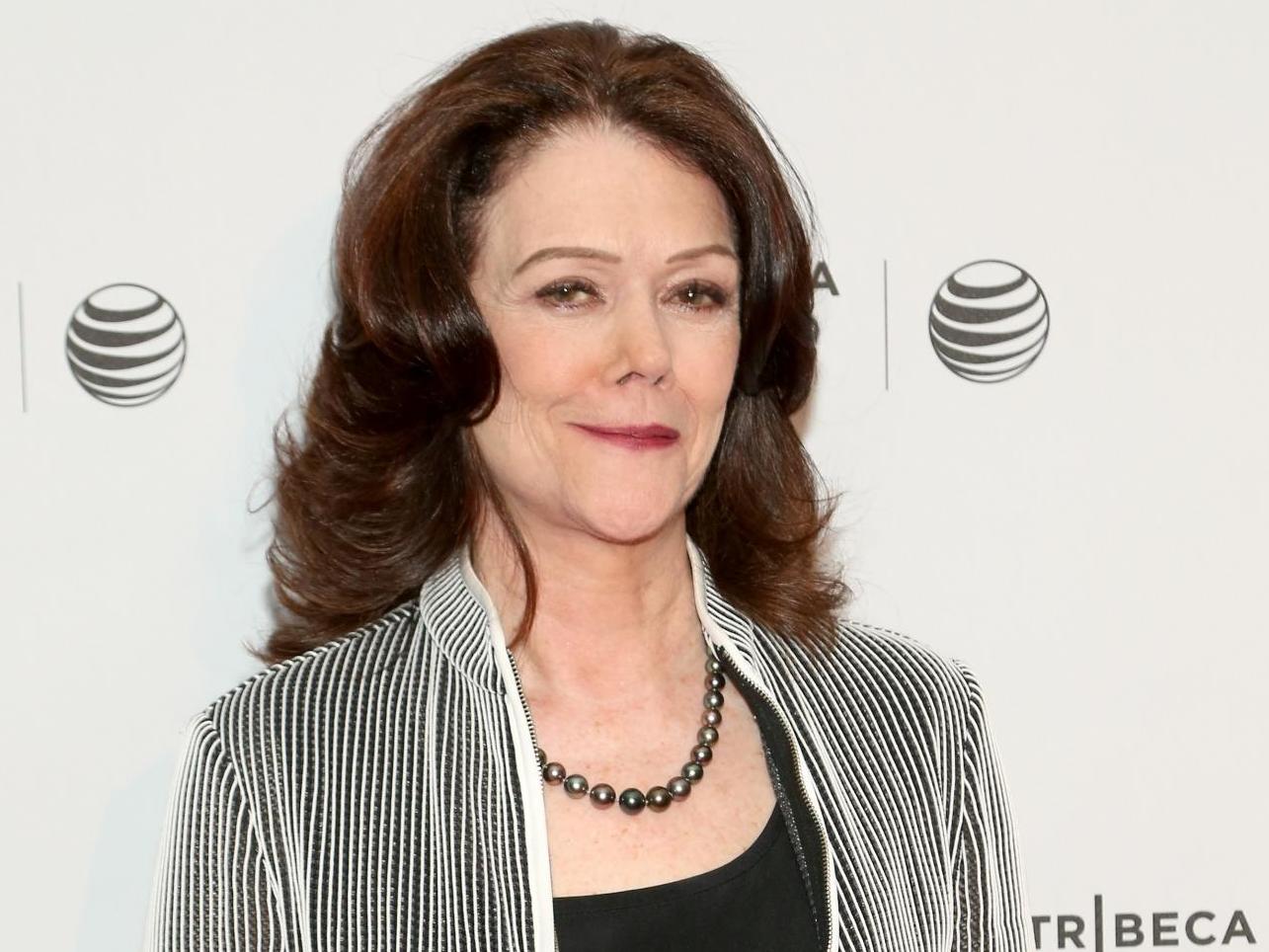
Kathleen Zellner is an American attorney who has gained international recognition for her unparalleled success in overturning wrongful convictions. As of 2026, she remains in the spotlight due to her high-profile defense of Steven Avery and her consistent ability to utilize advanced forensic science to expose judicial errors and official misconduct.
Contents
Kathleen Zellner is not merely a defense attorney; she is a specialist in the rigorous and often uphill battle of post-conviction litigation. Her career is defined by a relentless pursuit of "the truth" through scientific validation rather than mere procedural technicalities. While many lawyers focus on trial-level defense, Zellner has carved out a niche in rescuing those whom the system has already discarded. Her presence in the media, particularly following the documentary series Making a Murderer, has made her a household name, but her professional reputation was built decades earlier in the courtrooms of the Midwest.
The Evolution of the "Queen of Exonerations"
Zellner’s rise to prominence did not happen overnight. Her firm, Kathleen T. Zellner & Associates, based in Downers Grove, Illinois, has secured the exoneration of over 20 individuals and won millions of dollars in civil rights damages. Her early career was marked by a pivot from defending hospitals and insurance companies to representing the "wrongfully accused." This background in medical malpractice and civil litigation gave her a unique edge: an intimate understanding of complex scientific data and the financial resources to hire the world’s leading experts.
One of her most significant early cases was that of Kevin Fox, who was falsely accused of murdering his daughter. Zellner used DNA testing to prove his innocence and subsequently won a record-breaking $15.5 million settlement for the family. This case highlighted her dual-threat capability: she could free the innocent and then hold the state financially accountable for their errors.
The Steven Avery Case: A Decade in the Global Spotlight
As we move through 2026, the case of Steven Avery remains one of the most discussed legal battles in modern history. Avery, the subject of the Netflix docuseries Making a Murderer, was convicted of the 2005 murder of Teresa Halbach. Zellner took over his representation in 2016, and her involvement transformed the narrative from a simple appeal into a massive forensic investigation.
Scientific Testing and "The Zellner Method"
In the Avery case, Zellner has employed what many call "The Zellner Method"—a multi-pronged strategy that involves:
- Microtrace Analysis: Examining microscopic particles to determine if evidence was planted.
- Blood Spatter Re-enactment: Using specialized experts to recreate the crime scene and prove that the prosecution’s theory was physically impossible.
- Radiocarbon Dating: Attempting to prove that blood found in the victim's car was from an old vial rather than fresh from the defendant.
Her approach in the Avery case has been to present a "tsunami" of evidence. In 2026, the legal community continues to analyze her filings, which often exceed 1,000 pages, as masterclasses in post-conviction strategy. Even when facing a resistant appellate court in Wisconsin, her ability to keep the case alive through new motions and "newly discovered evidence" demonstrates a level of persistence rarely seen in the legal field.
Key Exonerations and Case Outcomes
The sheer volume of Zellner’s successes is what keeps her in the spotlight. Unlike many advocates who focus on policy change, Zellner focuses on individual outcomes. Below is a summary of some of her most impactful cases that have shaped her career and public persona.
| Client Name | Year of Exoneration | Primary Legal/Forensic Factor | Outcome |
|---|---|---|---|
| Ryan Ferguson | 2013 | Witness recantation and Brady violations | Conviction vacated; $11M settlement |
| Kevin Fox | 2005 | DNA Evidence | Exonerated; $15.5M civil award |
| Mario Casciaro | 2015 | Lack of physical evidence/Intimidation | Conviction overturned by appellate court |
| Larry Eyler | 1994 | Ethical Disclosure (Post-humous) | Confession used to solve 21 murders |
| Joseph Burrows | 1994 | True killer's confession on the stand | Released from death row |
The "Denny Rule" and Third-Party Liability
A significant reason why Zellner remains a technical powerhouse in the spotlight is her mastery of the Denny Rule. In jurisdictions like Wisconsin, the Denny Rule prevents a defendant from suggesting a third party committed the crime unless they can prove three things: motive, opportunity, and a direct connection to the crime.
Zellner’s filings in the Avery case have focused heavily on overcoming this hurdle. By identifying alternative suspects—such as Bobby Dassey or other individuals close to the scene—she seeks to satisfy the Denny requirements through "newly discovered" digital evidence, such as deleted computer searches and cell tower data. This high-level chess match with the prosecution serves as an educational tool for other post-conviction attorneys across the United States.
The Intersection of Law and Media Advocacy
Zellner is often criticized and praised in equal measure for her use of social media. In 2026, her presence on platforms like X (formerly Twitter) remains a vital part of her strategy. She understands that public pressure can be as influential as a legal brief in high-stakes cases.
- Transparency: By tweeting about case updates, she ensures that the "court of public opinion" remains informed, preventing the state from burying the case in bureaucratic delays.
- Witness Encouragement: Often, her public posts encourage witnesses who were previously too intimidated to come forward.
- Pressure on the Judiciary: While judges are supposed to be impartial, a high-profile lawyer who commands millions of followers ensures that every ruling is scrutinized by the global legal community.
This media savvy is a hallmark of why she is "in the spotlight." She does not wait for the news to cover her; she generates the news herself by releasing findings in real-time.
Professional Advice and Access to Justice
For individuals seeking post-conviction relief or for young lawyers aspiring to follow in her footsteps, the "Zellner model" offers several actionable insights. It is important to note that post-conviction law is highly specialized and varies significantly by jurisdiction.
- Forensic Verification: Never rely solely on the trial record. Independent testing is often the only way to expose "junk science" used in original convictions.
- Financial Reality: High-level post-conviction work is expensive. Zellner often funds the experts herself, highlighting the need for specialized firms that can handle the upfront costs of litigation.
- Persistence: The legal system is designed for finality, not necessarily for truth. Succeeding requires a willingness to lose several rounds of appeals before reaching a breakthrough.
Disclaimer: Legal procedures regarding appeals and post-conviction motions are subject to strict statutes of limitations. This information is for educational purposes and does not constitute legal advice. Individuals seeking legal assistance should consult with a licensed attorney in their specific jurisdiction.
Frequently Asked Questions
Does Kathleen Zellner only take cases where she believes the client is innocent?
Yes, Zellner has famously stated that she "only takes cases for the innocent." She performs an extensive vetting process, often requiring a polygraph test and private forensic analysis, before agreeing to represent a client. If she determines a client is guilty, she will not proceed with the case.
What is the current status of the Steven Avery case in 2026?
As of early 2026, the case remains in the appellate process. Zellner continues to file motions based on newly discovered witnesses and updated forensic techniques, such as refined DNA analysis of bone fragments. The case is a long-term battle against the Wisconsin Department of Justice.
How can someone hire Kathleen Zellner for a case?
Potential clients can contact Kathleen T. Zellner & Associates through their official website. However, due to her high volume of requests, the firm is extremely selective, focusing primarily on cases with significant forensic evidence or clear instances of wrongful conviction.
How many exonerations has she secured?
To date, Kathleen Zellner has secured the exonerations of over 20 men in both criminal and civil courts. Her success rate in post-conviction work is among the highest in the United States, particularly for an attorney in private practice rather than a non-profit organization.
Why is she so focused on DNA evidence?
DNA is considered the "gold standard" of forensic evidence because it provides a high degree of certainty that other types of evidence, like eyewitness testimony, cannot. Zellner uses it not only to free her clients but to identify the actual perpetrators, which is a key component of her legal strategy.
Next Actions for Legal Advocates
For those following Kathleen Zellner's work or involved in the justice system, the next steps involve a focus on legislative reform. Supporting the "Innocence Protection Act" and advocating for mandatory DNA preservation are critical actions that complement the work done by attorneys in the spotlight. By staying informed on her current filings and the forensic experts she employs, the legal community can continue to improve the standards of evidence required to uphold a conviction.
Image Gallery