Navigating Pediatric Surgery Care at the University of Michigan Health
The pediatric surgery program at the University of Michigan, based primarily within C.S. Mott Children’s Hospital, offers specialized surgical care for infants, children, and adolescents. Providing a comprehensive range of diagnostic,...
The pediatric surgery program at the University of Michigan, based primarily within C.S. Mott Children’s Hospital, offers specialized surgical care for infants, children, and adolescents. Providing a comprehensive range of diagnostic, preoperative, and postoperative services, the department leverages multidisciplinary teams to treat complex congenital conditions, trauma, and routine pediatric ailments in a highly specialized, family-centered environment.
Contents
Understanding the Scope of Pediatric Surgery
Pediatric surgery at the University of Michigan is not merely an extension of adult surgical practice; it is a specialized discipline tailored to the physiological and psychological needs of growing patients. The program is centered at C.S. Mott Children’s Hospital, which is nationally ranked and equipped to handle the most complex medical cases. Surgeons here focus on the development of children from the neonatal period through adolescence, accounting for the unique anatomical challenges that come with treating developing bodies.
The department’s scope spans several subspecialties, including neonatal surgery, oncology surgery, thoracic surgery, and minimally invasive procedures. By integrating advanced imaging, robotics, and fetal surgery techniques, the University of Michigan provides care for conditions ranging from common hernias and appendicitis to rare congenital malformations that require sophisticated, multi-stage reconstruction.
Key Pediatric Surgical Subspecialties
The University of Michigan provides specialized surgical intervention across a vast spectrum of pediatric needs. The surgeons here work in concert with pediatric anesthesiologists, neonatologists, and child life specialists to ensure that every aspect of the child’s hospital stay is addressed.
Neonatal and Fetal Surgery
One of the most defining aspects of the University of Michigan’s pediatric surgical program is its expertise in neonatal and fetal surgery. The Michigan Fetal Diagnosis and Treatment Center serves as a high-volume hub for families expecting babies with complex conditions. Surgeons perform prenatal interventions to improve outcomes for fetuses with conditions like congenital diaphragmatic hernia, sacrococcygeal teratoma, or twin-twin transfusion syndrome. Following birth, these infants are often transitioned directly to the neonatal intensive care unit (NICU), where surgical teams continue their care.
Minimally Invasive and Robotic Surgery
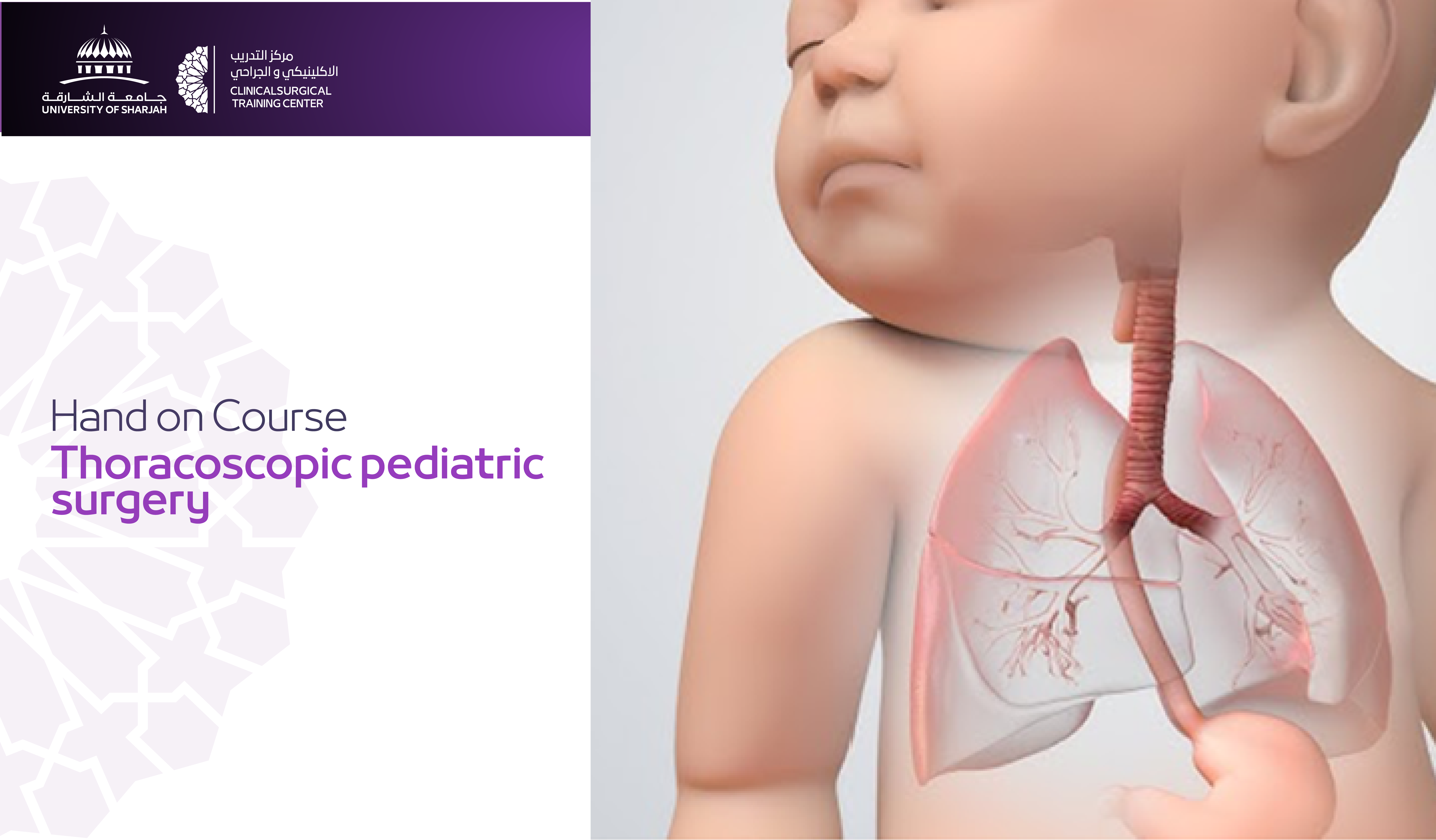
The trend in modern pediatric surgery is toward less invasive approaches to reduce recovery times and scarring. The University of Michigan utilizes advanced laparoscopic and robotic-assisted platforms to perform complex procedures through small incisions. This technology is applied to thoracic and abdominal surgeries, allowing for precise dissection in the tight anatomical confines of a pediatric patient.
Trauma and Emergency Services
As a Level 1 Pediatric Trauma Center, the University of Michigan is equipped to provide 24/7 surgical coverage for pediatric trauma. This includes immediate response to severe injuries involving the chest, abdomen, and limbs. The surgical team works closely with emergency medicine physicians to stabilize patients and perform life-saving interventions in a high-acuity setting.
Comparison of Surgical Approaches
Understanding how surgical methods differ can help families and referring physicians better grasp the nature of the interventions offered at the University of Michigan.
| Approach | Typical Applications | Primary Benefit |
|---|---|---|
| Open Surgery | Complex organ reconstruction | Unrestricted surgical access |
| Laparoscopy | Appendectomy, Nissen fundoplication | Smaller incisions, faster recovery |
| Robotic-Assisted | Urologic or pelvic reconstruction | High-definition visualization, precision |
| Fetal Intervention | Congenital malformations in utero | Early treatment of developmental issues |
Preparing for Pediatric Surgical Care
For families seeking surgical intervention at the University of Michigan, the process generally follows a standardized clinical pathway. Initial consultations involve a review of previous medical records, imaging, and lab work. In many cases, families are offered a "pre-op" visit where they can tour the facility, meet the surgical team, and speak with child life specialists who help children cope with the anxiety of a hospital environment.
The Role of Child Life Specialists
A critical differentiator at the University of Michigan is the emphasis on child life services. Surgeons understand that the psychological trauma of a procedure is as important to manage as the physical injury. Child life specialists provide age-appropriate education to the child, using medical play to demystify equipment and procedures. This preparation reduces the need for sedation in some instances and helps children feel more in control of their healthcare experience.
Coordination of Care
Because pediatric surgery rarely happens in isolation, the university employs a multidisciplinary team model. Patients undergoing surgery for complex conditions such as cancer or chronic inflammatory bowel disease will typically see a team that includes oncologists, gastroenterologists, dietitians, and social workers. This ensures that the surgical procedure is fully integrated into the child’s broader, long-term health management plan.
Logistics: Appointments and Financial Considerations
Navigating a large academic medical center requires understanding the administrative components of care. Families are encouraged to verify insurance coverage prior to scheduling elective surgeries. The University of Michigan Health system works with most major insurance providers, but families should always confirm that specific pediatric surgical specialists are in-network for their particular policy.
- Referral: Many specialty surgical cases require a referral from a pediatrician or a primary care physician.
- Consultation: During the initial visit, the surgeon will discuss the necessity of the procedure, associated risks, and expected outcomes.
- Scheduling: The surgery scheduling team will coordinate the operating room time, anesthesiology needs, and required pre-surgical testing.
- Post-Operative Planning: Before discharge, parents receive detailed instructions regarding wound care, pain management, and activity restrictions.
Financial counselors are available to assist with questions regarding estimated costs, billing, and financial assistance programs for families meeting specific eligibility criteria. It is recommended to initiate these conversations during the preoperative planning phase to avoid administrative delays.
Frequently Asked Questions
What should I expect during my child's pre-operative consultation? Expect a thorough assessment of your child’s health history, a physical examination, and a detailed discussion about the proposed procedure. The surgeon will explain the risks and benefits, and you will have ample opportunity to ask questions. Child life specialists are often available at this time to help your child prepare.
How do I prepare a child for surgery? The most effective way to prepare a child is through honest, age-appropriate communication. Explain that the doctors will help them feel better and that they will be asleep during the procedure. Utilizing the resources provided by the hospital’s child life team can significantly help in easing anxiety for both the child and the parents.
Are parents allowed to stay with their children before and after surgery? Yes, the University of Michigan strongly supports family-centered care. Parents are typically encouraged to stay with their child as they go into the induction room for anesthesia and are reunited with them in the post-anesthesia care unit (PACU) as soon as it is medically safe.
How does the University of Michigan manage pain for pediatric patients? The hospital utilizes a multimodal approach to pain management, which may include nerve blocks, intravenous medications, and non-pharmacological interventions like distraction techniques provided by child life staff. The goal is to keep the child as comfortable as possible while minimizing the use of narcotics when alternatives are effective.
How do I handle a surgical emergency? If your child has an acute surgical emergency, you should go to the nearest emergency department or call 911. If the child is already a patient of a surgeon at the University of Michigan, contact the surgeon’s office or the hospital’s pediatric surgical triage line for specific instructions regarding after-hours care.
Next Steps for Families
If you have been referred to the University of Michigan for pediatric surgery, the most effective next step is to prepare a comprehensive binder containing all recent imaging (CDs or digital files), clinical notes, and a list of current medications and allergies. Contact the department’s scheduling office to confirm that they have received these records from your referring physician. Taking an active role in compiling this information allows the surgical team to focus their initial consultation on your child’s specific needs rather than administrative data collection.
Image Gallery