Comprehensive Guide to Foundation Repair in Killeen, Texas
Foundation repair in Killeen, Texas, is a critical necessity for many homeowners due to the region's highly expansive clay soils and the volatile Central Texas climate. As of 2026, addressable structural issues typically require profes...
Foundation repair in Killeen, Texas, is a critical necessity for many homeowners due to the region's highly expansive clay soils and the volatile Central Texas climate. As of 2026, addressable structural issues typically require professional intervention using pressed piers, steel piers, or polyurethane injection to stabilize the home against the natural shrink-swell cycles of the local earth.
Contents
The Geological Reality: Why Killeen Homes Face Foundation Issues
The primary driver of structural instability in Killeen and the surrounding Bell County area is the presence of high-plasticity clay, often referred to as "Texas Blackland Prairie" soil. This soil type, which includes series like Houston Black and Heiden, is notorious for its ability to absorb massive amounts of water during the wet seasons and shrink significantly during the blistering Texas summers.
When the soil absorbs moisture, it expands with enough force to lift concrete slabs and heavy masonry. Conversely, during periods of drought—which have become increasingly common and severe by 2026—the soil loses volume, creating voids beneath the foundation. This phenomenon, known as differential settlement, occurs when one part of the house sinks faster or further than another, leading to structural stress, cracked walls, and misaligned frames.
In Killeen, the proximity to the Lampasas River and the undulating topography near Fort Cavazos (formerly Fort Hood) adds another layer of complexity. Areas with higher slopes may experience soil creep or erosion, further compromising the integrity of the perimeter footings. Understanding these geological factors is the first step for any homeowner in determining the long-term viability of their property’s structural health.
Identifying the Warning Signs of Foundation Distress
Homeowners in the Killeen-Temple-Belton area should be vigilant in monitoring their properties for specific indicators of foundation movement. Early detection often allows for minor preventative measures or localized repairs rather than a total structural overhaul.
Interior Indicators
- Drywall Cracks: Look for diagonal cracks extending from the corners of door frames or window headers. These are often the first signs that the frame is no longer square.
- Sticking Doors and Windows: If a door that previously operated smoothly now rubs against the jamb or refuses to latch, the foundation has likely shifted, twisting the home’s superstructure.
- Uneven or Sloping Floors: While a slight slope might seem like a cosmetic issue, it often indicates a significant failure in the center or perimeter supports of a slab-on-grade foundation.
- Gaps in Trim: Separation between the baseboards and the floor, or between the crown molding and the ceiling, suggests the house is pulling apart due to settlement.
Exterior Indicators
- Stair-Step Cracks in Brickwork: This is a classic sign of foundation failure. Cracks that follow the mortar lines in a zigzag pattern indicate that the soil beneath that specific section of the wall has subsided.
- Separation Around Garage Doors: Because garage openings are large spans, they are particularly susceptible to movement. Gaps between the brick veneer and the garage door frame are major red flags.
- Fascia Board Gaps: If the roofline appears "wavy" or if the boards at the edge of the roof are pulling away from each other, the foundation is likely sinking at the corners.
- Chimney Separation: A chimney is a heavy, concentrated load. If it begins to lean away from the rest of the house, the underlying footings have failed.
Proven Foundation Repair Methods in Central Texas
By 2026, several standardized methods have emerged as the most effective solutions for Killeen’s specific soil conditions. Choosing the right method depends on the severity of the damage, the depth of the bedrock, and the homeowner's budget.
1. Pressed Concrete Piers
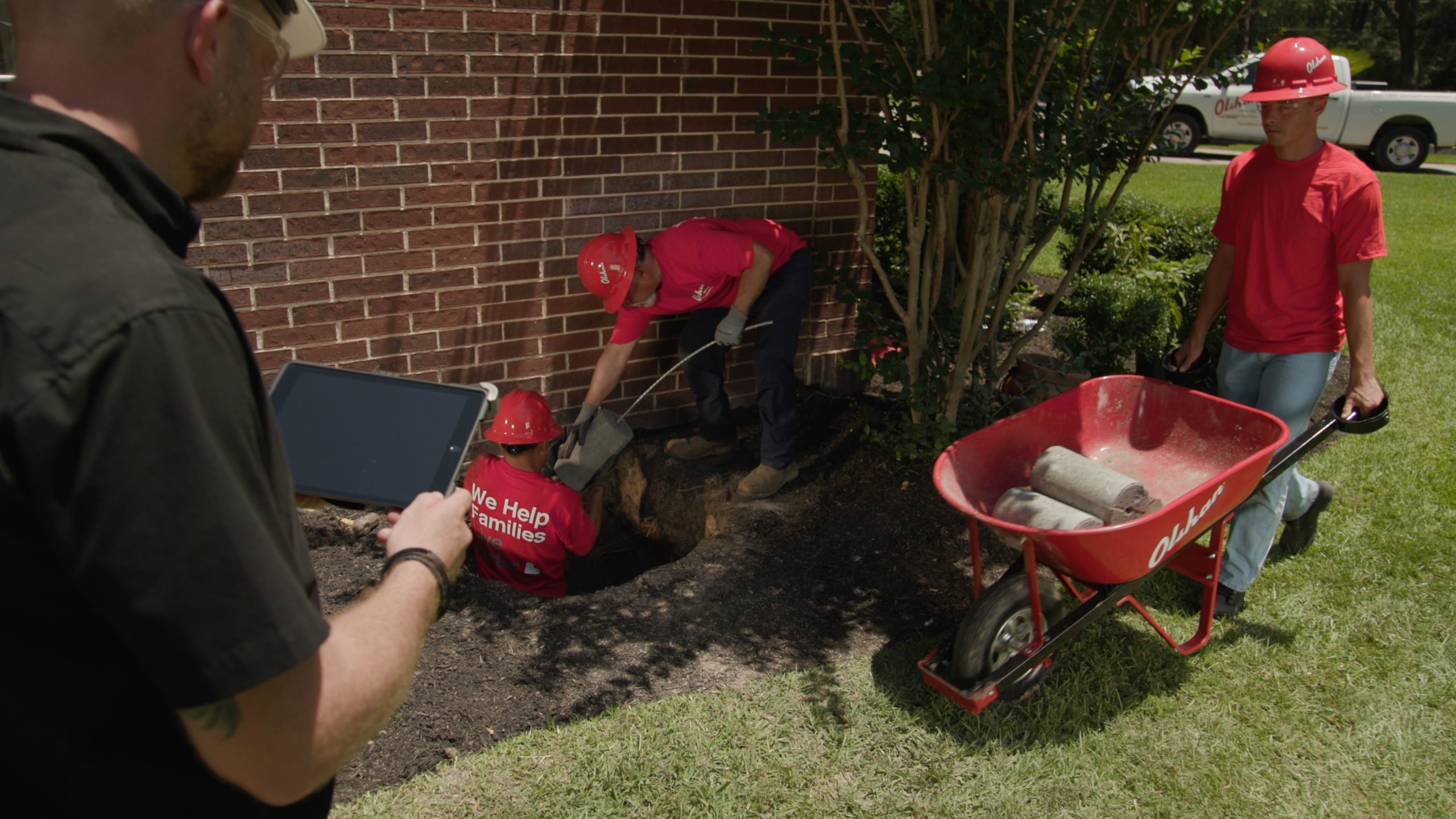
This is the most common and cost-effective method used in Killeen. It involves using the weight of the house itself and a hydraulic ram to drive pre-cast concrete cylinders into the ground until they reach a point of "refusal" (dense soil or rock that can support the load).
- Pros: Quick installation, relatively affordable, and proven effective for many residential slabs.
- Cons: These piers rely on the weight of the house for installation, which may not always reach the most stable soil layers.
2. Steel Piers
Steel piers are considered a more permanent, heavy-duty solution. Using high-strength steel pipe, these piers are driven much deeper than concrete piers, often reaching true load-bearing strata or bedrock.
- Pros: Extremely durable, minimal soil displacement, and capable of supporting massive loads.
- Cons: Significantly more expensive than concrete options due to material costs and the specialized equipment required.
3. Helical Piers
Helical piers resemble large screws. They are "threaded" into the ground using hydraulic machinery. This method is particularly useful for lighter structures or areas where the soil is too unstable to support traditional pressed piers.
- Pros: Does not require the weight of the building for installation; excellent for porches, additions, or pier-and-beam homes.
- Cons: Not always necessary for standard slab-on-grade homes and can be more complex to install in rocky Central Texas terrain.
4. Polyurethane Injection (Polyjacking)
For sinking slabs that haven't suffered major structural failure—such as garage floors, patios, or interior sections of a house—polyurethane foam injection is a modern, minimally invasive technique. A high-density foam is injected through small holes; as it expands, it lifts the concrete and fills the underlying voids.
- Pros: Minimal mess, fast cure time (minutes), and water-resistant.
- Cons: It provides lift but does not provide the same deep-level structural support as a pier system.
Comparison of Foundation Repair Methods (2026 Standards)
| Method | Typical Depth | Cost Level | Ideal Use Case | Estimated Lifespan |
|---|---|---|---|---|
| Pressed Concrete | 10–15 Feet | Moderate | Standard residential slab-on-grade | 20+ Years / Lifetime* |
| Steel Piers | 20–40+ Feet | High | Heavy masonry or deep unstable soil | Lifetime |
| Helical Piers | Varies | High | Light structures or tension loads | 50+ Years |
| Polyjacking | Surface/Sub-slab | Moderate | Sinking patios, walkways, or garage floors | 10–15 Years |
*Subject to transferable warranty terms.
Cost Considerations for Killeen Homeowners in 2026
The cost of foundation repair in Killeen is influenced by several factors, including the number of piers required, the depth of the soil, and any necessary plumbing repairs. As of 2026, homeowners can expect the following pricing trends:
- Average Project Range: Most residential repairs fall between $4,500 and $16,000.
- Per Pier Cost: Concrete piers typically range from $400 to $650 each, while steel piers can range from $800 to $1,200 per unit.
- Engineering Fees: A structural engineer's report, which is highly recommended for impartiality, generally costs between $500 and $850.
- Permitting: The City of Killeen requires building permits for structural repairs. These fees are usually incorporated into the contractor's quote but are worth verifying.
It is vital to account for "hidden" costs. When a foundation is lifted, it often causes internal plumbing pipes (especially PVC sewer lines) to break or separate. A post-repair hydrostatic pressure test is essential to ensure the plumbing system remains intact.
The Role of the Structural Engineer
One of the most common mistakes Killeen homeowners make is relying solely on a repair contractor for the initial diagnosis. While many contractors are highly experienced, they have a financial interest in selling a specific repair system.
In 2026, the best practice is to hire an independent Licensed Professional Engineer (P.E.) to conduct a forensic analysis. An engineer will provide a "Plan of Repair" that specifies exactly where piers are needed and which method is most appropriate for the site's geology. This report serves as a blueprint, allowing the homeowner to get "apples-to-apples" quotes from different foundation companies. Furthermore, many lenders and insurance companies require an engineer’s certification before they will approve a mortgage or a claim involving structural integrity.
Preventative Maintenance: Protecting Your Investment
In the harsh Central Texas environment, foundation repair should be a last resort. Proactive maintenance can significantly extend the life of a slab.
- Consistent Watering: During the Killeen summers, use soaker hoses around the perimeter of the foundation. The goal is to keep the moisture level in the soil consistent so that it does not pull away from the concrete.
- Proper Drainage: Ensure that gutters are clean and that downspouts discharge water at least three to five feet away from the foundation. Standing water is just as damaging as a drought.
- Root Barriers: Large trees, such as Live Oaks or Elms, can drink hundreds of gallons of water a day. If planted too close to the house, their roots will dehydrate the soil under the slab, causing it to sink. Root barriers or strategic tree removal may be necessary.
- Grading: The ground should slope away from the home. If the soil has settled near the flower beds, add dirt to ensure water runs toward the street or drainage easements rather than pooling at the base of the walls.
Frequently Asked Questions
Does homeowners insurance cover foundation repair in Texas?
In most cases, standard homeowners insurance policies do not cover foundation repair caused by earth movement, seepage, or settlement. Coverage is usually only triggered if the damage is a direct result of a "covered peril," such as a major plumbing leak (slab leak) or a fire. Homeowners should review their policy for a "Dwelling Foundation" rider, which provides limited coverage for specific scenarios.
How long does the average foundation repair take?
For a standard 1,500 to 2,500 square foot home in Killeen, the pier installation process typically takes 1 to 3 days. If significant interior work or extensive plumbing repairs are required, the timeframe may extend to a week. Most of the work is performed outside the home, meaning residents rarely need to relocate during the process.
Will foundation repair fix the cracks in my walls?
Foundation repair stabilizes the structure and attempts to return the home to its original level. While many cracks will close or narrow during the lifting process, the repair itself does not include cosmetic fixes. Homeowners should wait 4 to 8 weeks after the foundation work is complete before patching drywall or repointing brick to allow the house to "settle" into its new position.
Is a "Lifetime Warranty" actually reliable?
In the Killeen market, most reputable companies offer a "Lifetime Transferable Warranty." However, a warranty is only as good as the company backing it. Prioritize firms that have been in business for at least a decade and have a strong local presence. Always read the fine print to see if the warranty covers only the piers themselves or the actual leveling of the house in the future.
Can I sell my house if it has had foundation repairs?
Yes, and in the Killeen real estate market, having a professionally repaired foundation with an engineer's certification can actually be a selling point. It proves that the structural issues have been addressed. However, you are legally required to disclose the history of foundation work to potential buyers in the Texas Seller’s Disclosure Notice.
Final Recommendations for Killeen Residents
Dealing with foundation issues is a stressful experience, but in a region like Central Texas, it is a manageable part of homeownership. If you suspect your home is shifting, your first step should be to consult with an independent structural engineer. This ensures that you receive an unbiased assessment before committing to a contractor.
When selecting a repair company, verify their insurance, check their history with the Better Business Bureau, and ensure they are familiar with the specific soil challenges of Bell County. By 2026, the technology for stabilization has never been better, and taking action now can prevent a minor settlement issue from becoming a catastrophic structural failure.
Image Gallery