Planning Your Visit to St. Patrick’s Day in Ireland 2026: A Complete Guide
St. Patrick’s Day in Ireland is the premier national cultural celebration, held annually on March 17 to honor the country’s patron saint. In 2026, the festivities center on massive parades in Dublin, spiritual pilgrimages in Armagh and...
St. Patrick’s Day in Ireland is the premier national cultural celebration, held annually on March 17 to honor the country’s patron saint. In 2026, the festivities center on massive parades in Dublin, spiritual pilgrimages in Armagh and Downpatrick, and local community festivals across every county, blending ancient religious traditions with modern carnival atmosphere.
Contents
The Significance of St. Patrick’s Day in Ireland
While celebrated globally, St. Patrick’s Day remains a deeply rooted public holiday in Ireland. It commemorates the death of Saint Patrick, the 5th-century missionary credited with spreading Christianity throughout the island. Over centuries, the day has evolved from a strictly religious feast day into a four-to-five-day national festival that showcases Irish arts, theatre, music, and "craic" (social fun).
In 2026, March 17 falls on a Tuesday. For visitors and locals alike, this creates a natural "bridge" weekend, with major events beginning as early as Friday, March 13. Understanding that St. Patrick’s Day is a public holiday (Bank Holiday) is crucial for planning. Most businesses, schools, and banks close, and public transport operates on a restricted Sunday schedule. While the pubs and restaurants remain open and vibrant, administrative services and many retail shops will have limited hours.
Regional Celebrations: Choosing Your Destination
Although Dublin hosts the largest and most famous event, different regions offer vastly different experiences. Depending on whether you seek high-energy crowds or historical depth, you should choose your base carefully.
The National St. Patrick’s Festival: Dublin
Dublin is the epicenter of the celebration. The St. Patrick’s Festival Dublin is a multi-day extravaganza. The centerpiece is the National St. Patrick’s Day Parade, which winds from Parnell Square on the Northside to St. Patrick’s Cathedral on the Southside.
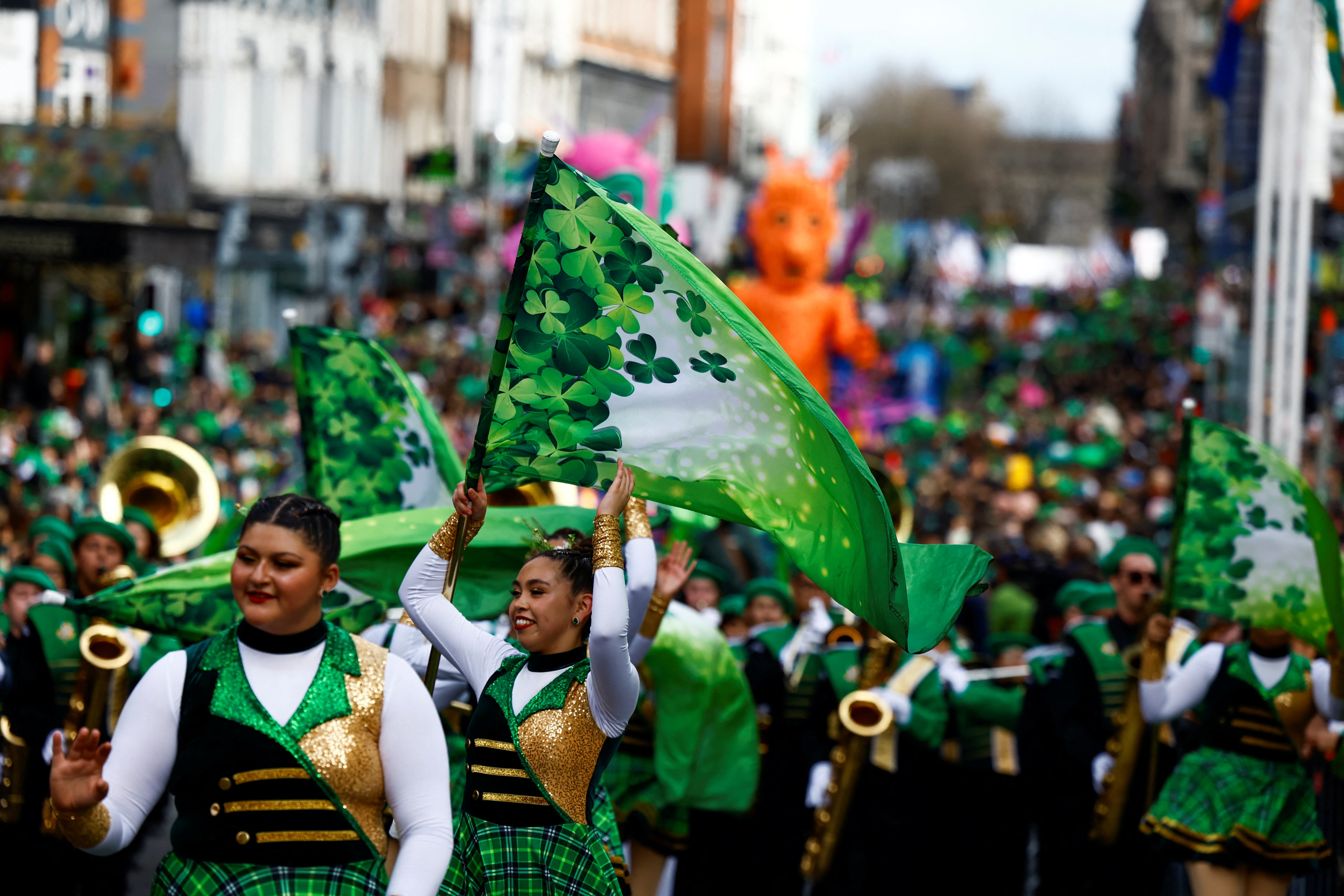
In 2026, the parade continues its tradition of featuring international marching bands and elaborate pageantry created by Ireland’s leading pageant companies. Beyond the parade, the Festival Quarter (usually located at the National Museum of Ireland, Collins Barracks) serves as a hub for traditional Irish music, contemporary performances, and food markets. Dublin is the best choice for those who want the "big city" experience, though it requires the most advanced booking.
The Spiritual Home: Armagh and Downpatrick
For a more historical and ecclesiastical focus, the "Home of St. Patrick Festival" spans the two cities of Armagh and Downpatrick. Armagh is the ecclesiastical capital of Ireland, home to two cathedrals named after the saint. Downpatrick is the site of Down Cathedral, where Saint Patrick is believed to be buried.
These locations offer a more reflective experience, including "Saints and Scholars" themed tours, choral performances, and sunrise walks to Slemish Mountain (where Patrick was said to have worked as a shepherd). It provides a necessary counterpoint to the revelry found in the capital.
Cultural Authenticity: Galway and Cork
Galway City is known as the cultural heart of Ireland. Its parade is typically more community-focused and bohemian, reflecting the city’s artistic spirit. It is an excellent choice for those who want to experience the holiday alongside a younger, student-heavy demographic and world-class "trad" (traditional) music sessions.
Cork City hosts the second-largest parade in the Republic. It is often praised for being more accessible than Dublin while still offering a massive festival atmosphere. The food scene in Cork, centered around the English Market, makes it a top destination for those looking to pair the holiday with Ireland’s modern culinary offerings.
Planning Your 2026 Itinerary and Logistics
Success during St. Patrick’s week depends on early preparation. Because 2026 features a Tuesday holiday, the entire preceding weekend will see high demand for services.
Accommodation and Booking
You should aim to book accommodation at least six to nine months in advance, especially in Dublin or Galway. Prices typically double or triple during the festival period. If city-center hotels are full, consider staying in coastal suburbs like Howth or Dun Laoghaire in Dublin, which are connected by the DART (train) system.
Transport and Mobility
On March 17, city centers in Dublin, Cork, and Galway are effectively cordoned off for parades. Do not plan on using a car or taxi within the city centers between 9:00 AM and 5:00 PM.
- Public Transport: Irish Rail (Iarnród Éireann) and Bus Éireann run extra services to bring people to the parades, but they will be crowded.
- Pedestrian Traffic: Be prepared to walk long distances. Comfortable, waterproof footwear is non-negotiable.
Weather Preparedness
Irish weather in March is notoriously "unsettled." It is common to experience "four seasons in one day." Expect temperatures between 5°C and 12°C (41°F–54°F). A high-quality waterproof jacket is more effective than an umbrella, as March winds can be quite strong.
Core Traditions and Cultural Etiquette
To participate authentically, it helps to understand the local customs. While the world wears green, the Irish approach to the holiday has specific nuances.
The "Shamrock" and Wearing Green
Wearing green is the standard, but many locals also pin a bunch of real shamrocks to their lapels. The shamrock was famously used by Patrick to explain the Holy Trinity. Toward the end of the night, a custom known as "drowning the shamrock" involves placing the sprig into the last glass of whiskey or stout and drinking it, then tossing the shamrock over the shoulder for good luck.
Language and Social Norms
A common mistake made by visitors is referring to the day as "St. Patty's Day." In Ireland, "Patty" is a feminine diminutive or refers to a burger patty. The correct shortening is "St. Paddy's Day."
Expect pubs to be extremely crowded. It is customary to "stand your round" if you are drinking in a group. However, on St. Patrick’s Day, many pubs may move to plastic glassware for safety reasons and may have "standing room only" policies.
Traditional Food
While "Corned Beef and Cabbage" is the standard St. Patrick’s dish in the United States, in Ireland, you are more likely to find Bacon and Cabbage or a hearty Irish Stew (lamb-based). Most restaurants in 2026 will offer special festival menus featuring locally sourced seafood, soda bread, and artisanal cheeses.
Comparison of Major St. Patrick’s Day Locations (2026)
| Feature | Dublin | Cork | Galway | Armagh/Downpatrick |
|---|---|---|---|---|
| Crowd Level | Very High | High | Medium-High | Medium |
| Primary Vibe | Carnival/International | Energetic/Local | Artistic/Bohemian | Historical/Spiritual |
| Best For | First-timers & Families | Foodies & Shoppers | Music Lovers | History Enthusiasts |
| Key Event | National Parade | Food Markets | Street Theatre | Cathedral Services |
| Advance Booking | 9-12 Months | 6 Months | 6 Months | 4 Months |
Frequently Asked Questions
Is St. Patrick’s Day in Ireland a religious or secular holiday?
It is both. For many, it remains a Holy Day of Obligation in the Catholic Church, with morning masses attended by families. However, the national public holiday is largely secular, focusing on heritage, music, and tourism. In recent years, the festival has become a celebration of Ireland’s multicultural modern identity.
Are pubs open all day on March 17?
Yes, pubs typically open at 10:30 AM or 12:30 PM (depending on the specific license) and stay open until late. However, be aware that many pubs implement "capacity limits" early in the day. If you leave a pub in the afternoon to see the parade, you may not be able to get back into the same venue without waiting in a long queue.
Can I see the Dublin parade for free?
Yes, the parade is a free public event. However, you must arrive at the barricades very early—often by 8:30 AM or 9:00 AM—to secure a view. For a more comfortable experience, the festival organizers sell tickets for covered grandstand seating located at various points along the route, such as Parnell Square and Trinity College. These usually sell out months in advance.
Is it safe for children?
St. Patrick’s Day is a family-oriented event during the daylight hours. The parades are designed for all ages, featuring clowns, dancers, and vibrant floats. However, as evening approaches and the focus shifts toward the pub culture, the atmosphere in city centers becomes more adult-oriented and crowded. Most families prefer to head home or to a quiet dinner by 6:00 PM.
Do I need a visa to visit Ireland for the festival?
This depends on your nationality. Citizens of the USA, Canada, the EU, and the UK do not currently require a visa for short-term tourism. Always check the current 2026 requirements from the Irish Department of Foreign Affairs or your local consulate before booking travel.
Recommendations for a Successful Experience
To maximize your enjoyment of St. Patrick’s Day in Ireland 2026, prioritize regional balance. While the Dublin parade is a bucket-list item, the true heart of Ireland is often found in the smaller sessions and community events.
- Arrive Early: Get into your chosen city by Friday, March 13. This allows you to experience the fringe festival events (walking tours, smaller concerts) before the massive crowds arrive on the 17th.
- Go Beyond the Pale: If the crowds of Dublin become overwhelming, take a train to a smaller town like Kilkenny or Killarney. They host charming parades that offer a much more intimate look at Irish life.
- Respect the Environment: The festival period puts a strain on city infrastructure. Use designated waste bins and be mindful of local residents who are navigating their daily lives amidst the tourism surge.
- Download Official Apps: The "St. Patrick’s Festival" usually releases an official app in early 2026 with real-time parade tracking, event schedules, and map redirects to help you navigate road closures.
By planning for the Tuesday holiday and booking your logistics well in advance, you can ensure that your experience of St. Patrick’s Day in the Emerald Isle is both seamless and memorable.
Image Gallery