How the Trifect Method Changes Mold Remediation
The Trifect Method changes mold remediation by replacing invasive "rip and tear" demolition with a non-invasive, dry-fogging technology. This three-step protocol—consisting of high-level disinfection, long-term antimicrobial protection...
The Trifect Method changes mold remediation by replacing invasive "rip and tear" demolition with a non-invasive, dry-fogging technology. This three-step protocol—consisting of high-level disinfection, long-term antimicrobial protection, and air quality validation—allows technicians to eliminate mold spores in air and on surfaces without destroying property, significantly reducing restoration costs and project timelines.
Contents
The Evolution of Mold Remediation: From Demolition to Disinfection
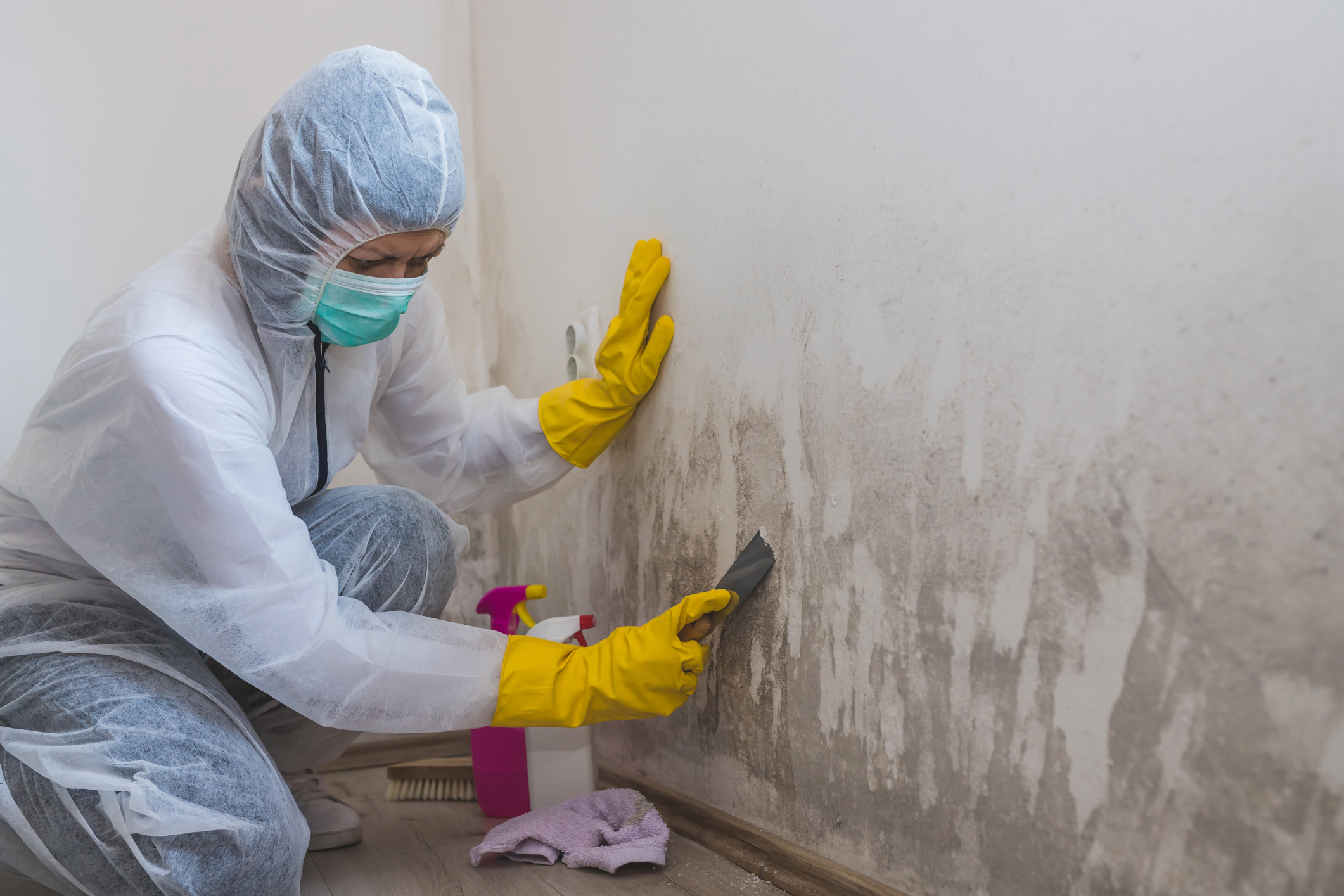
For decades, the standard response to a mold infestation was dominated by the "search and destroy" philosophy. If mold was found on drywall, the drywall was removed. If it was found in the carpet, the carpet was discarded. While effective for removing visible colonies, this traditional approach often failed to address the microscopic reality of mold: airborne spores.
As we move through 2026, the industry has shifted toward the Trifect Method. Developed to address the limitations of physical removal, this method treats a building as a complete ecosystem rather than a collection of contaminated surfaces. The primary shift is technological; instead of using liquid chemicals that can soak into materials or mechanical scrubbing that might aerosolize spores, the Trifect Method utilizes a patented dry-fogging system.
This transition represents a fundamental change in how property managers and homeowners view environmental hazards. It moves the focus from "reconstruction" to "remediation," ensuring that the structural integrity of the home remains intact while the biological threat is neutralized at the molecular level.
The Three Pillars of the Trifect Method
The "Trifect" name refers to a specific three-stage protocol designed to provide immediate results and long-term prevention. Understanding these pillars is essential for any property owner evaluating their remediation options.
1. High-Level Disinfection (InstaPure)
The first stage involves the introduction of a powerful, pharmaceutical-grade disinfectant—often a mixture of peracetic acid and hydrogen peroxide—via a dry-fog generator. Unlike traditional misting or "wet" fogging, the droplets in this process are approximately 7.5 microns in size. To put this in perspective, a human hair is roughly 70 microns thick.
Because these particles are so small, they behave more like a gas than a liquid. They do not "wet" surfaces, meaning they are safe for electronics, upholstery, and paperwork. More importantly, this fog can penetrate porous materials like drywall and insulation, reaching mold colonies hidden behind walls that traditional methods would miss.
2. Long-Term Antimicrobial Protection (EverPure)
Once the initial disinfection is complete and the mold spores are neutralized, the second stage applies a long-lasting antimicrobial film. This creates a "spike-like" molecular barrier on all surfaces. If a new mold spore lands on a treated surface, the molecular structure of the barrier punctures the cell wall of the microbe, preventing it from colonizing or reproducing. This provides a proactive defense mechanism that continues to work for months or even years after the initial treatment.
3. Validation and Air Quality Testing
The final pillar is scientific verification. The Trifect Method relies on post-remediation air sampling to prove the environment is safe. By comparing the indoor air spore counts to the natural outdoor levels, technicians can provide documented proof that the remediation was successful. This stage is critical for real estate transactions and health clearances in 2026, where "certified mold-free" status is a significant value driver for properties.
Comparing the Trifect Method to Traditional Remediation
When deciding between a traditional "rip and tear" approach and the Trifect Method, it is important to analyze the operational differences. The following table highlights the key metrics as of 2026.
| Feature | Traditional Remediation | Trifect Method (Dry Fog) |
|---|---|---|
| Primary Mechanism | Physical removal and demolition | Molecular neutralization via fog |
| Duration | 5 to 14 days (plus reconstruction) | 4 to 8 hours |
| Surface Impact | Wetting, scrubbing, or removal | Dry application; no residue |
| Hidden Mold | Requires wall removal to access | Fog penetrates porous barriers |
| Disruption | High (temporary relocation required) | Low (return home same evening) |
| Cost Basis | High labor + high material costs | Low labor + chemical efficiency |
| Prevention | Limited (relies on moisture control) | Active antimicrobial surface barrier |
The Science of "Dry Fog": Why Micron Size Matters
The efficacy of the Trifect Method hinges entirely on the physics of the fog. In traditional remediation, "wet" chemicals are often used. If you spray a liquid on a mold colony, the impact can actually scatter spores into the air, potentially spreading the problem. Furthermore, liquids cannot penetrate the tiny pores of wood or the cellulose backing of drywall effectively without causing water damage themselves.
The dry fog used in the Trifect Method operates via "Brownian motion." Because the droplets are so small, they bounce off surfaces until they find a microscopic space to enter. They do not have enough mass to break the surface tension of materials, which is why they don't leave things "wet." This allows the disinfectant to reach the "root" of the mold (the hyphae) hidden deep within building materials.
In 2026, industrial hygienists increasingly favor this method because it addresses the volume of the entire room. Mold is not just a surface problem; it is an atmospheric problem. By treating every cubic inch of air simultaneously with every square inch of surface, the Trifect Method achieves a level of "total room sterilization" that is virtually impossible with manual wiping.
Economic Impacts and Property Value
From a financial perspective, the Trifect Method has disrupted the insurance and real estate industries. Traditional remediation can easily cost between $5,000 and $20,000 for a standard residential basement, largely due to the cost of replacing drywall, insulation, and flooring.
Because the Trifect Method avoids demolition in most cases (unless there is significant structural rot), the costs are often 50% to 70% lower. This has led to a shift in how insurance adjusters handle mold claims. Many now prefer the dry-fog approach as a first-line intervention because it limits the "secondary damage" caused by the remediation process itself.
Furthermore, for homeowners looking to sell, the Trifect Method offers a "transferable warranty" on the antimicrobial protection. In the current 2026 housing market, having a documented, non-invasive remediation history is a significant advantage over properties that have undergone major structural surgery due to mold.
Environmental and Safety Considerations
A common concern with any chemical treatment is the health impact on occupants. The Trifect Method uses peracetic acid (PAA), which is a high-level disinfectant used in the medical and food industries. One of the primary benefits of PAA is its decomposition profile. It breaks down into:
- Water
- Oxygen
- Dilute acetic acid (vinegar)
There are no toxic residues or volatile organic compounds (VOCs) that linger in the home. Once the fog has settled and the home has been properly ventilated—usually within a few hours—the air is cleaner than it was before the mold issue began. For individuals with CIRS (Chronic Inflammatory Response Syndrome) or asthma, this "clean kill" approach is often the only way to achieve a truly trigger-free environment without the dust and debris associated with construction.
Limitations: When Traditional Methods Are Still Necessary
While the Trifect Method is revolutionary, it is not a magic wand for all situations. Professional integrity requires acknowledging where it fits in the broader scope of restoration.
- Structural Integrity: If mold has consumed a structural beam to the point of rot, the beam must be replaced. The Trifect Method will kill the mold, but it cannot restore the strength of the wood.
- The Source of Moisture: No remediation method will work permanently if the water leak is not fixed. The EverPure protection helps, but constant water intrusion will eventually overwhelm any antimicrobial barrier.
- Bulk Debris: In cases of severe sewage backups or heavy silt from flooding, physical cleaning of "bulk" materials is still required before the fogging can be effectively applied.
Frequently Asked Questions
Is the Trifect Method safe for pets and plants?
Yes, once the application is complete and the home has been ventilated. During the actual fogging process, all occupants (including pets and plants) must vacate the premises. Because the fog dissipates into oxygen and water vapor, there are no harmful chemicals left on surfaces that could harm animals or sensitive indoor greenery.
Does the dry fog damage electronics or fine art?
No. Because the droplets are roughly 7.5 microns, they do not have enough mass to settle as a liquid or cause moisture-related damage to circuit boards, computer screens, or oil paintings. It is one of the few remediation methods safe for use in server rooms and libraries.
How long does the antimicrobial protection last?
The EverPure stage of the Trifect Method is designed to provide active protection for up to 90 days on high-touch surfaces and potentially years on untouched surfaces like the interior of wall cavities. However, its longevity depends on the environment; excessive abrasion or new water damage can reduce its effectiveness.
Can I stay in the house while the treatment is happening?
No. Occupants must leave the building during the fogging process and for a few hours afterward (usually 4 to 6 hours total). This ensures that you are not exposed to the concentrated disinfectant vapors while they are active.
Does this method remove mold stains?
The Trifect Method kills the mold and neutralizes the spores, but it does not always remove the "stain" or pigment left behind on surfaces. If aesthetic removal is required, a technician may use a secondary cleaning agent or a light sanding/painting process after the mold is biologically dead.
Practical Recommendation for Homeowners
If you suspect a mold problem in 2026, the first step should always be professional testing to determine the type and concentration of spores. If the mold is widespread or hidden behind walls, the Trifect Method is likely your most cost-effective and least disruptive option.
Ensure you hire a certified professional who utilizes calibrated dry-fog equipment. Ask for a post-remediation air quality report to verify that the spore counts have returned to safe, "natural" levels. Finally, remember that remediation is only half the battle; ensuring your home's humidity remains between 30% and 50% is the best way to support the Trifect Method’s long-term success.
Image Gallery