How to Cook Pasta Directly in Sauce: The Ultimate One-Pot Guide
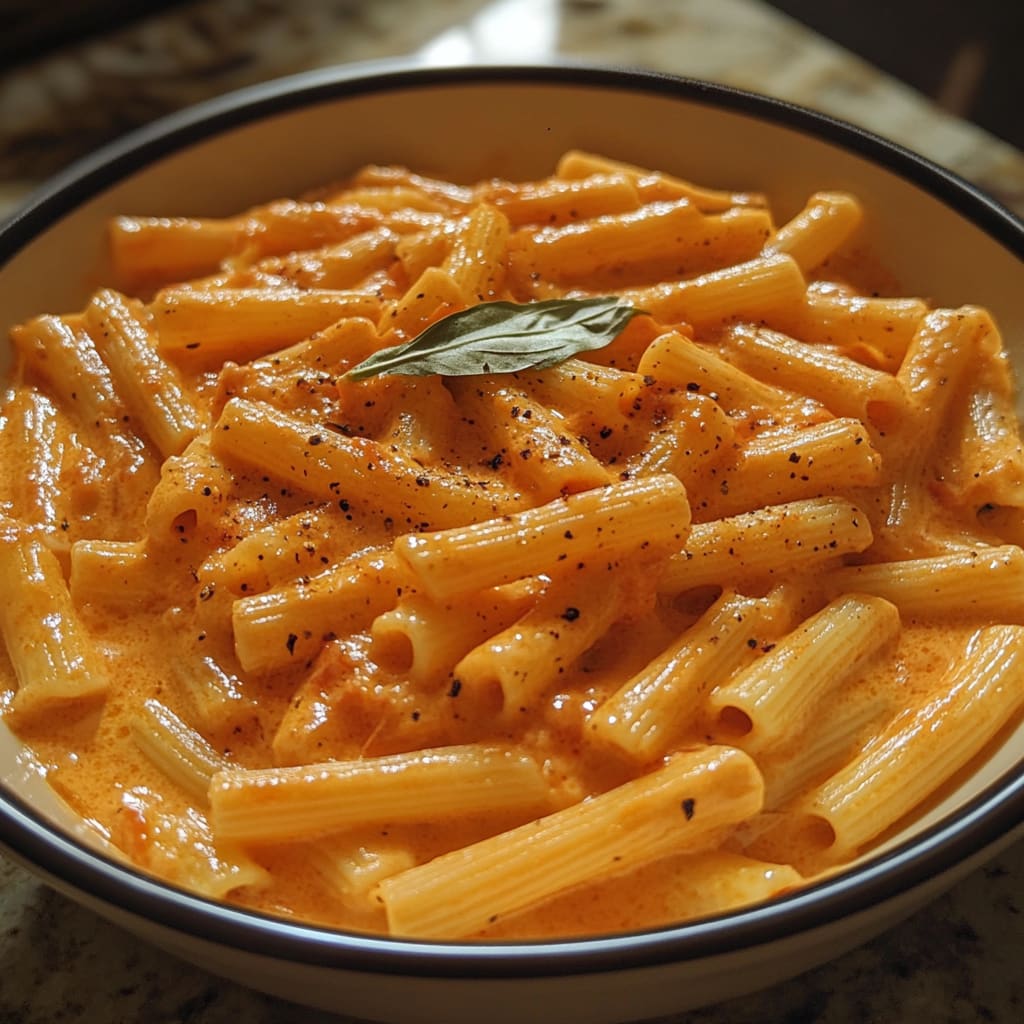
Cooking pasta directly in its sauce—a technique known as the "one-pot" or "risotto-style" method—infuses noodles with deep flavor while creating a silky, starch-enriched sauce. By simmering dry pasta in a liquid-heavy base rather than...
Cooking pasta directly in its sauce—a technique known as the "one-pot" or "risotto-style" method—infuses noodles with deep flavor while creating a silky, starch-enriched sauce. By simmering dry pasta in a liquid-heavy base rather than boiling it in water first, you achieve superior texture and save on cleanup time.
Contents
For decades, the standard culinary advice was to boil pasta in a massive pot of salted water, drain it, and then toss it with sauce. However, as we move through 2026, the culinary world has fully embraced "pasta risottata." This method treats pasta more like rice in a risotto, allowing it to absorb the seasoned liquid of the sauce as it rehydrates. The result is a more cohesive dish where the sauce clings to every surface of the noodle, driven by the starch that would otherwise be poured down the drain.
The Science of Cooking Pasta in Sauce
To master this technique, one must understand the relationship between starch and emulsification. Pasta is primarily composed of flour and water (or eggs). When heated in liquid, the starch granules in the pasta swell and eventually burst, releasing amylose and amylopectin into the surrounding environment.
In the traditional boiling method, this starch is diluted in several gallons of water. When you cook pasta directly in the sauce, that starch remains in the pan. As it is released, it acts as a natural thickening agent and emulsifier. This is why "one-pot" pasta sauces often have a glossy, velvet-like sheen that is difficult to replicate with the two-pot method. The starch binds the fats (oils, butter, or cheese) to the water-based components of the sauce, preventing separation and ensuring a unified flavor profile.
Furthermore, cooking pasta in sauce allows for "flavor infusion." Dry pasta is a porous medium. When it rehydrates in plain water, it absorbs only water and salt. When it rehydrates in a tomato-based liquid, a savory broth, or a creamy base, the core of the noodle is seasoned from the inside out.
Essential Prerequisites and Equipment
Before beginning, it is important to select the right tools and ingredients. Because the pasta will be absorbing a significant amount of liquid, the choice of pan is critical.
- The Pan: Use a wide, deep skillet or a Dutch oven. A wide surface area allows for even evaporation, while high sides prevent splashing. In 2026, high-quality ceramic-coated non-stick pans or seasoned cast iron are the preferred choices for heat retention and easy cleanup.
- The Liquid Ratio: This is the most technical aspect of the process. Generally, you need enough liquid to cover the pasta initially, plus extra to account for evaporation. A standard rule of thumb is roughly 2 to 2.5 cups of liquid for every 4 ounces of dry pasta, though this varies by shape.
- The Pasta Type: Robust, dried pastas made from 100% durum wheat semolina are best. Delicate fresh pastas or very thin shapes like angel hair can become mushy if cooked this way. Look for bronze-cut pastas, as their rougher surface area further assists in starch release.
Step-by-Step Instructions for the Risotto Method
Following a specific sequence ensures that the aromatics are developed and the pasta reaches a perfect al dente state without the sauce burning.
1. Sauté Your Aromatics
Start by heating olive oil or butter in your pan over medium heat. Add your base flavors: onions, garlic, shallots, or pancetta. Sauté until translucent or browned to your preference. This creates the foundation of the dish's flavor.
2. Build the Liquid Base
Add your primary sauce components. This might be crushed tomatoes, pureed vegetables, or heavy cream. Immediately add the "absorbent liquid"—this could be chicken stock, vegetable broth, or even water. Ensure the liquid is seasoned with salt, but be cautious; as the liquid evaporates and is absorbed, the salt concentration will intensify.
3. Add the Dry Pasta
Increase the heat until the liquid reaches a gentle boil. Submerge the dry pasta into the liquid. It may not be fully covered at first if you are using long strands like spaghetti, but as they soften, you can use tongs to push them down into the pan.
4. Continuous Agitation
Unlike the traditional method where you can walk away from the pot, cooking pasta in sauce requires frequent stirring. This prevents the pasta from sticking to the bottom of the pan and encourages the release of starch. This constant movement is what creates the "crema" or creamy texture associated with high-end pasta dishes.
5. Managing the Simmer
Maintain a steady simmer. If the liquid evaporates too quickly before the pasta is cooked, add more hot broth or water, half a cup at a time. The goal is to have the pasta reach al dente exactly when the sauce has reduced to your desired consistency.
6. The Finish (Mantecatura)
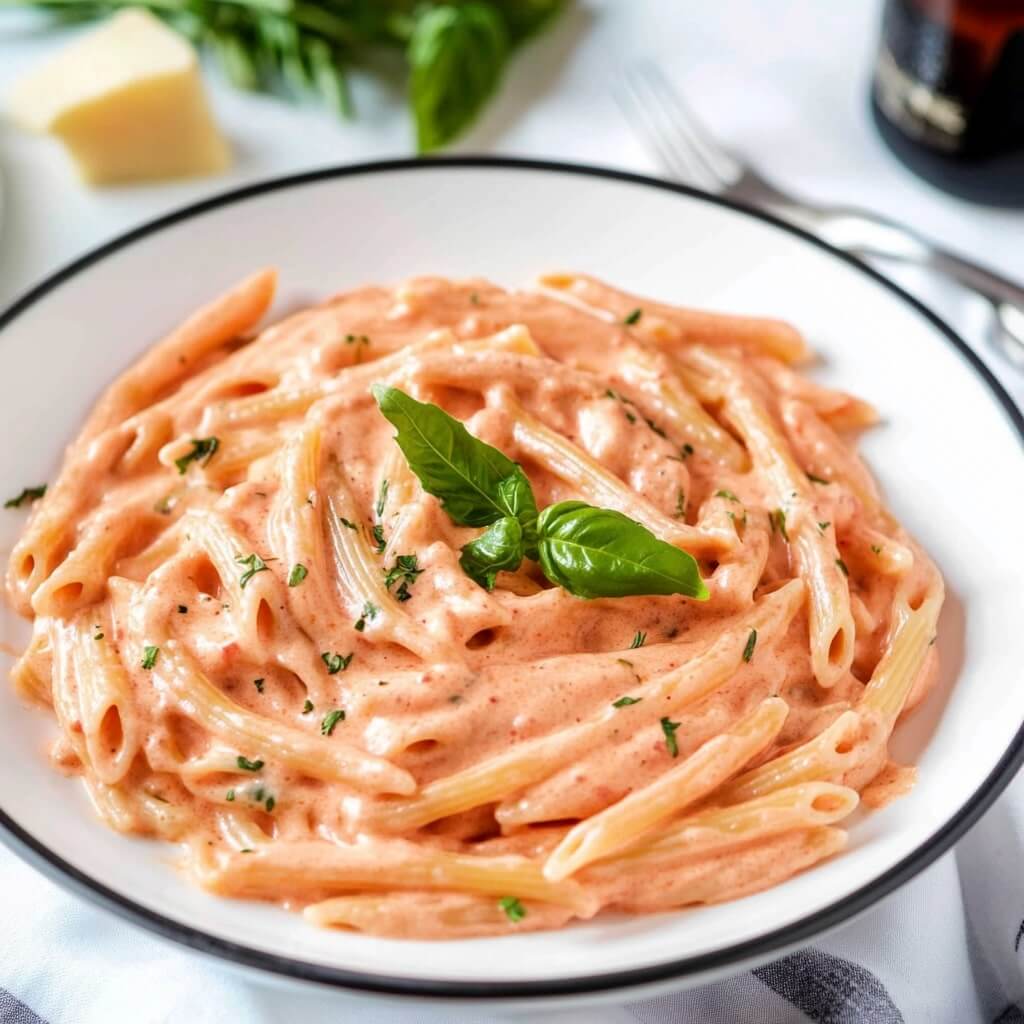
Once the pasta is tender but still has a "bite," remove the pan from the heat. Stir in your finishing fats—cold butter, grated Parmigiano-Reggiano, or a splash of high-quality olive oil. This final step, known in Italian cooking as mantecatura, further emulsifies the sauce and adds a rich mouthfeel.
Recommended Ratios and Timing
The following table provides a baseline for liquid-to-pasta ratios using the one-pot method. These figures are based on standard dried durum wheat pasta.
| Pasta Shape | Liquid Required (per 8oz/225g) | Estimated Cooking Time | Best Sauce Pairing |
|---|---|---|---|
| Spaghetti/Linguine | 4 - 5 Cups | 10–12 Minutes | Tomato Basil or Aglio e Olio |
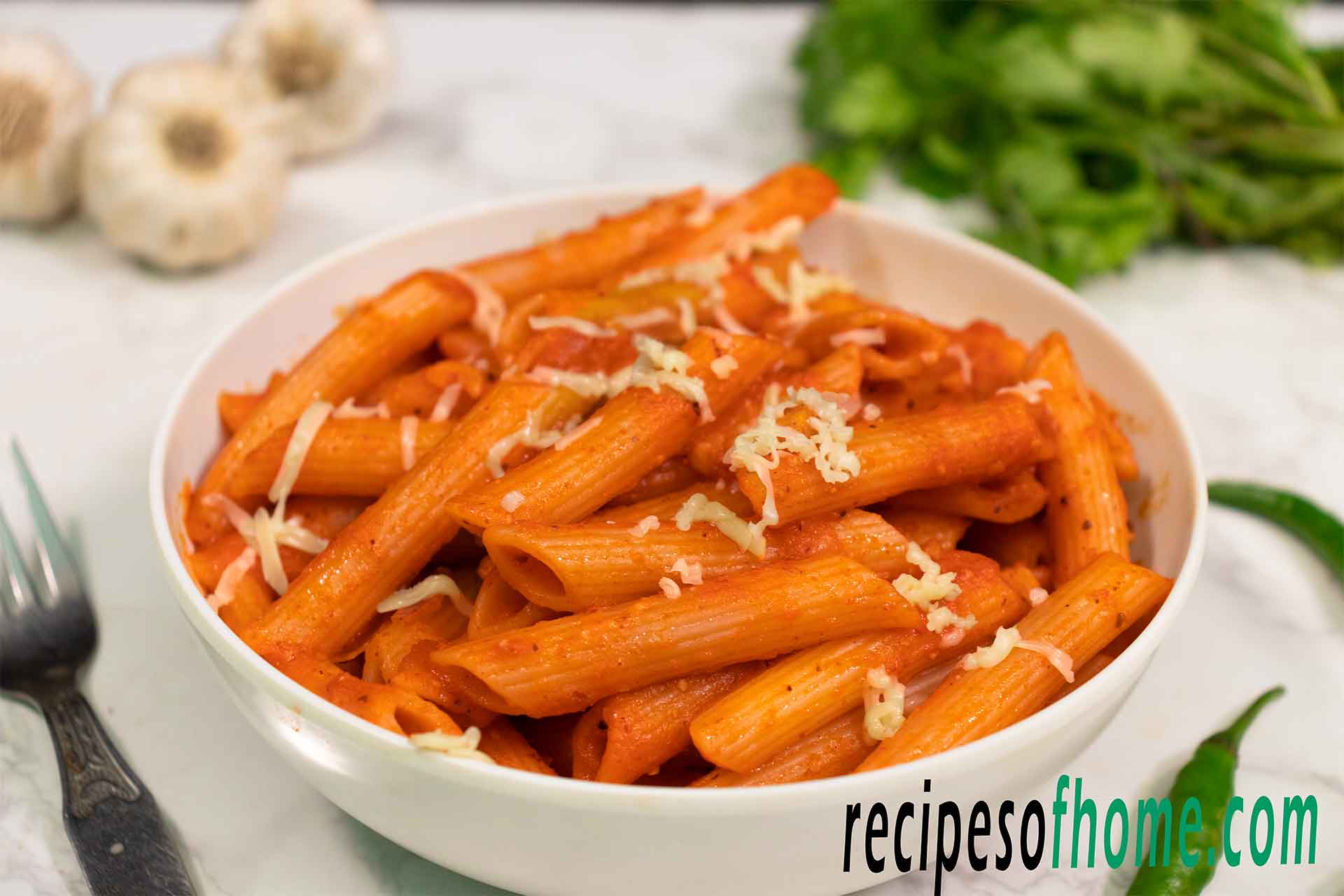
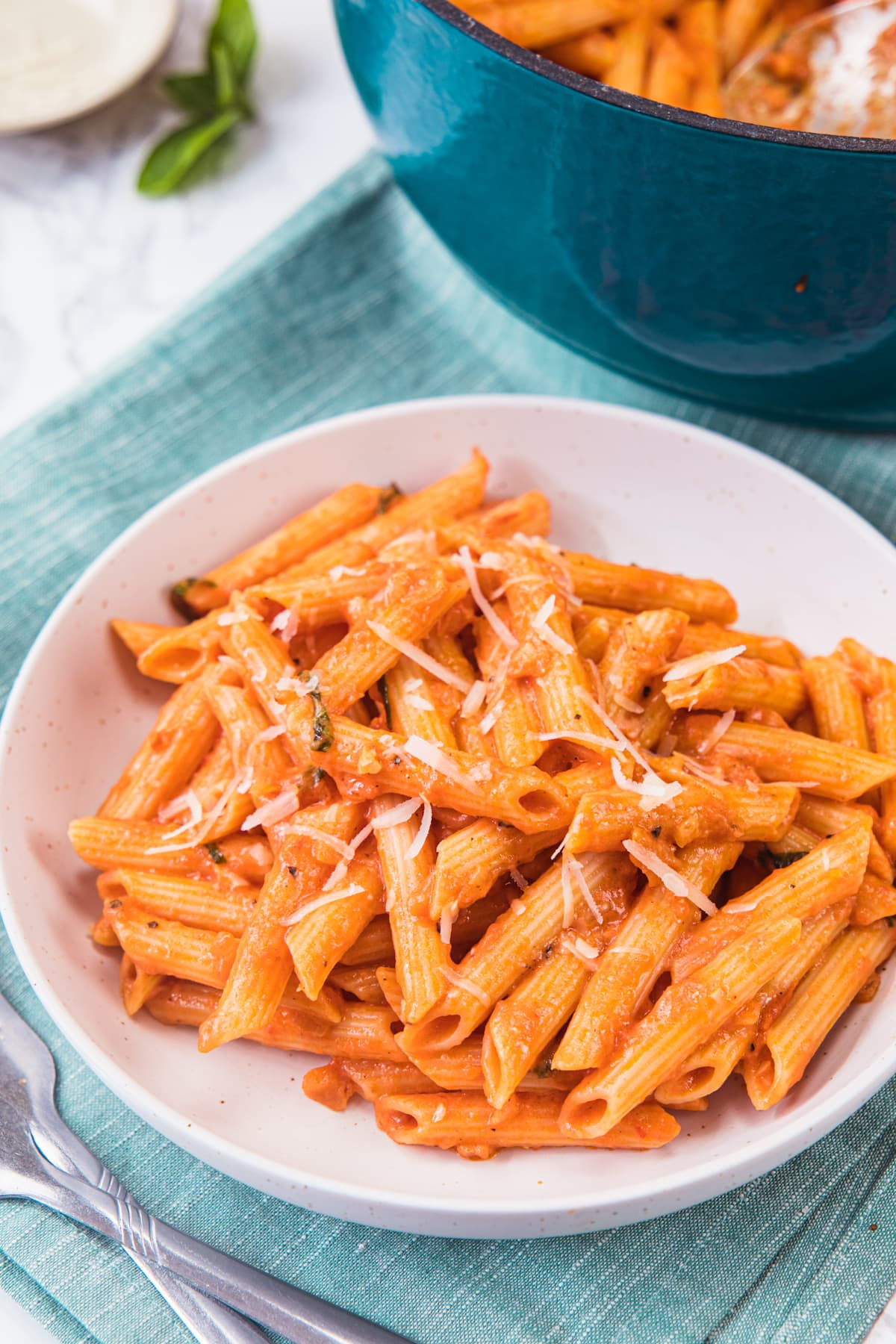
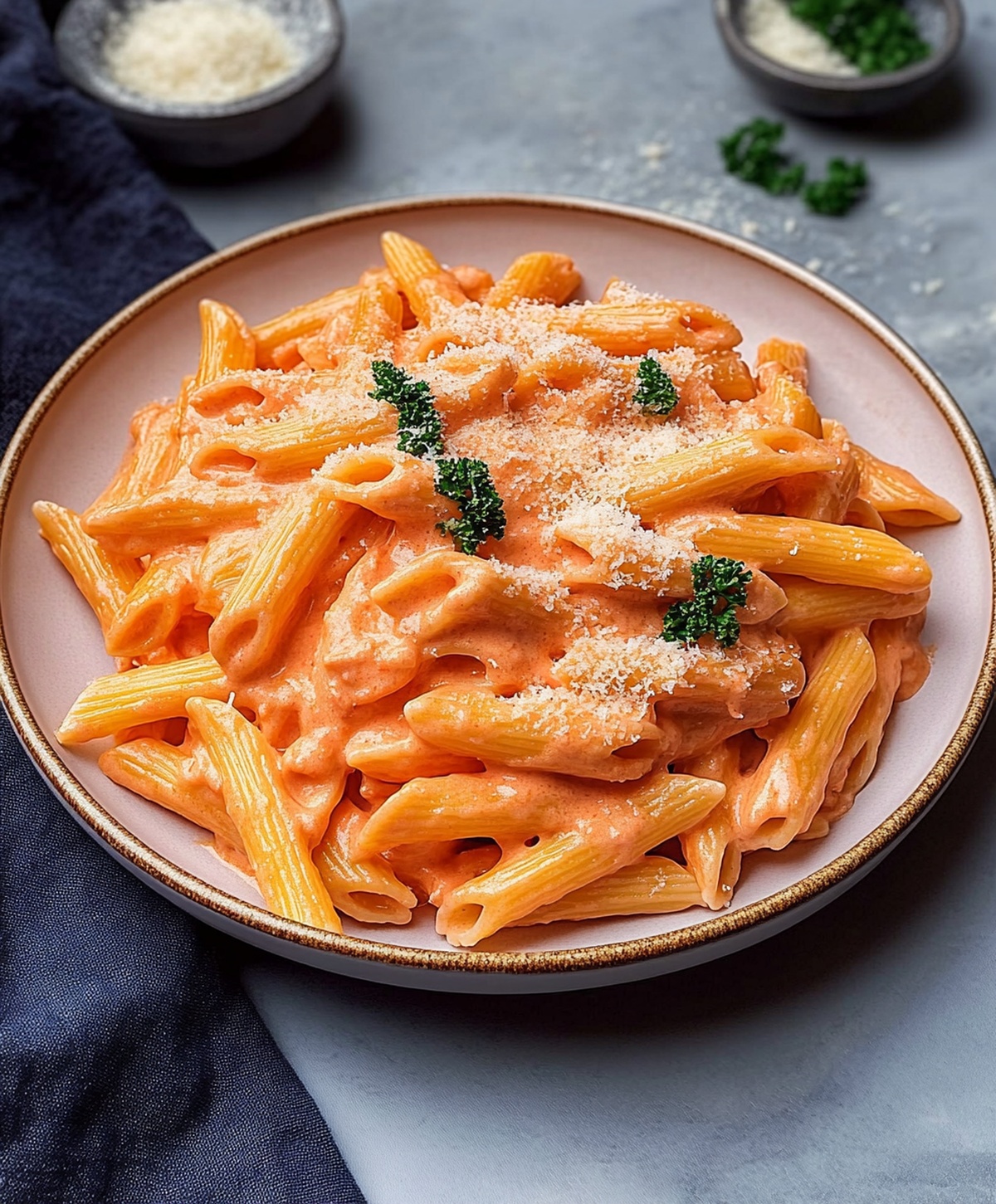
| Penne/Rigatoni | 5 - 6 Cups | 12–15 Minutes | Arrabbiata or Vodka Sauce |
| Fusilli/Rotini | 4.5 - 5.5 Cups | 11–14 Minutes | Pesto Cream or Primavera |
| Orzo | 3 - 4 Cups | 8–10 Minutes | Lemon Garlic or Broth-based |
| Farfalle | 5 - 6 Cups | 13–16 Minutes | Mushroom Cream or Bolognese |
Note: Liquid measurements include both the sauce base and the supplemental broth/water.
Troubleshooting Common Issues
Even experienced cooks can encounter hurdles when transitioning to the one-pot method. Understanding how to pivot is essential for saving a meal.
- The Sauce is Too Thick, but Pasta is Raw: This is the most common error. It usually results from a simmer that is too high, causing rapid evaporation. To fix this, add hot water or broth immediately. Always use hot liquid to avoid dropping the temperature of the pan, which would ruin the pasta's texture.
- The Pasta is Mushy: This happens if the heat is too low or if too much liquid was used initially, causing the pasta to "sit" rather than "cook." Next time, start with less liquid and add as you go. For the current batch, you can try to increase the heat to evaporate moisture quickly, but the texture may be compromised.
- The Flavor is Too Salty: Because the liquid reduces, any salt added at the beginning becomes more concentrated. It is better to under-salt the initial liquid and adjust the seasoning at the very end after the pasta has finished cooking.
- Uneven Cooking: This occurs if the pasta is not stirred frequently enough or if the pan is too small. If some noodles are crunchy while others are soft, add a splash of water, cover the pan with a lid for 60 seconds to create steam, and then stir thoroughly.
Nutritional and Health Considerations
Cooking pasta in sauce does not inherently change the caloric content of the ingredients, but it does impact the glycemic index and nutrient retention. When pasta is boiled and the water is discarded, some of the water-soluble vitamins (like B-vitamins) are lost. By cooking in the sauce, these nutrients remain in the dish.
Furthermore, because the starch creates a naturally thick sauce, many cooks find they can achieve a "creamy" texture with less added fat or heavy cream than they would need in a traditional preparation. For those managing blood sugar, using whole-grain or high-protein pasta in this method is effective, though these varieties may require an additional 1-2 cups of liquid and a longer simmering time.
Frequently Asked Questions
Can I use this method with gluten-free pasta? Yes, but with caution. Gluten-free pastas (made from brown rice, chickpeas, or lentils) release starch differently and tend to break down faster. You must stir more gently and closely monitor the cooking time, as the window between "al dente" and "mushy" is much smaller for gluten-free varieties.
Do I need to rinse the pasta first? No. You should never rinse pasta, especially when using the one-pot method. Rinsing removes the surface starch that is required to thicken the sauce and help it adhere to the noodles.
Is it safe to cook raw meat in the sauce with the pasta? While possible, it is not recommended for the best flavor. It is better to brown meats like ground beef or sausage first, remove them (or leave them in), and then add the liquid and pasta. This ensures the meat develops a "Maillard reaction" (browning) for better flavor and guarantees it reaches a safe internal temperature.
Can I use a jarred pasta sauce for this? Absolutely. To use jarred sauce, pour the sauce into the pan and then fill the empty jar with water or broth. Shake it to get the remaining sauce out and pour that liquid into the pan as well. This provides the hydration needed for the pasta to cook.
Does this method work for baked pasta dishes? The "no-boil" method for baked ziti or lasagna is similar, but it relies on the oven's ambient heat and a tightly sealed foil cover to trap steam. While the principle of starch retention is the same, the active stirring of the stovetop method creates a more emulsified sauce.
Practical Recommendation
For your first attempt, try a simple Spaghetti Pomodoro. Use a large skillet, sauté three cloves of garlic in olive oil, add one 28-ounce can of crushed tomatoes and two cans worth of water. Bring to a boil, add 8 ounces of dry spaghetti, and stir constantly for about 10 minutes. Finish with fresh basil and a handful of Parmesan. Once you experience the difference in texture and flavor, the one-pot method will likely become your primary way of preparing pasta.
Image Gallery