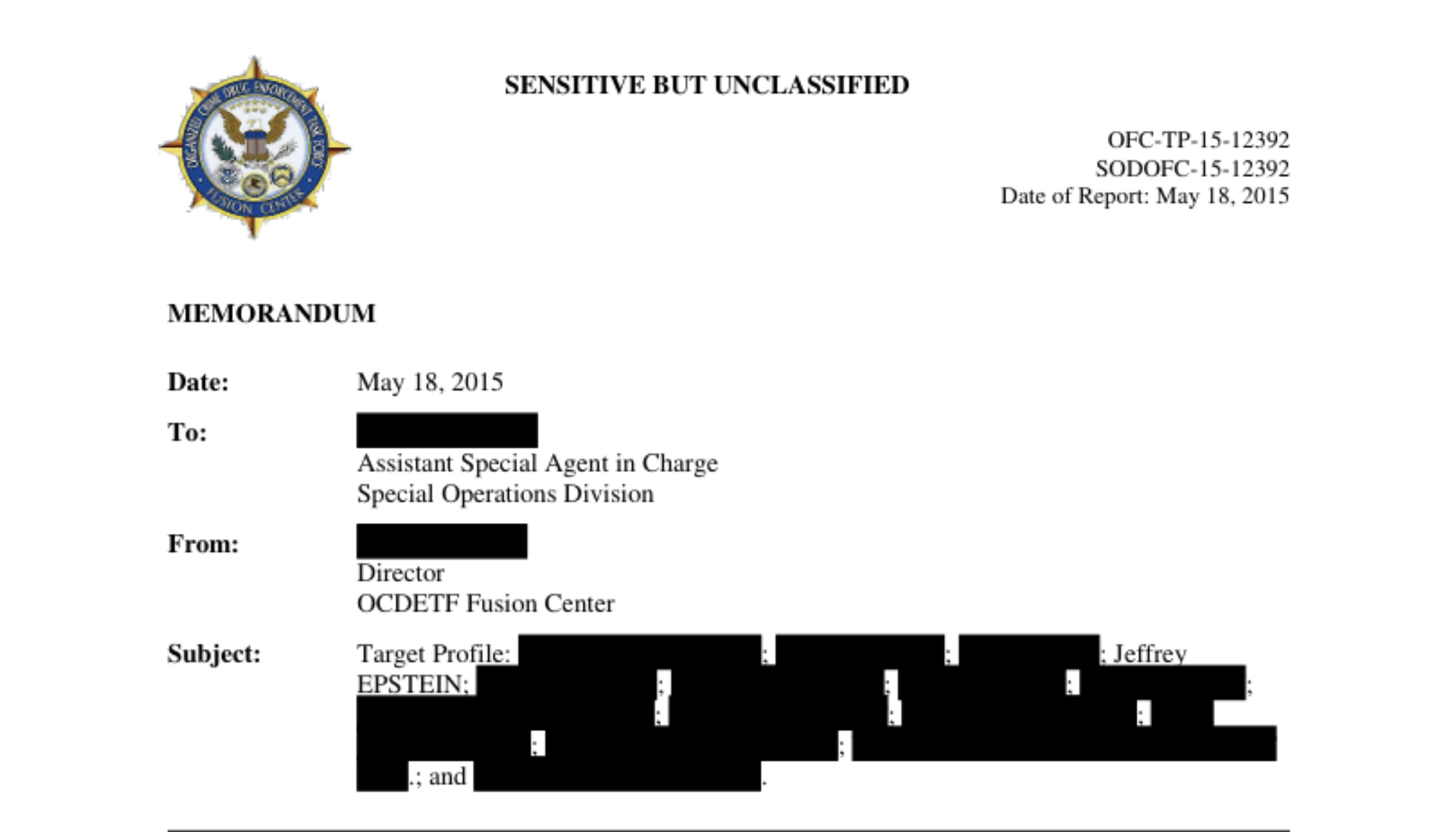
What the Epstein Inheritance Shows: Lessons from a Complex Estate and Victim Redress
The Epstein inheritance reveals the tension between private trust structures and public accountability. It shows how the Virgin Islands' legal system and the Epstein Victims’ Compensation Program functioned to redistribute over $500 mi...
The Epstein inheritance reveals the tension between private trust structures and public accountability. It shows how the Virgin Islands' legal system and the Epstein Victims’ Compensation Program functioned to redistribute over $500 million in assets, prioritizing victim settlements and government penalties over the offshore privacy Jeffrey Epstein sought to maintain through his final will.
Contents
The death of Jeffrey Epstein in August 2019 triggered one of the most scrutinized probate cases in modern legal history. Beyond the headlines of his crimes, the administrative dissolution of his estate provided a rare, forensic look into how high-net-worth individuals utilize complex financial instruments to shield assets from public and legal view. By 2026, the resolution of these claims offers a blueprint for understanding the intersection of estate law, victim restitution, and the limitations of offshore tax havens.
The Structure of the Epstein Estate: The 1953 Trust
Two days before his death, Jeffrey Epstein signed a final will and testament that transferred all his assets into a single entity: The 1953 Trust. This maneuver is known in legal circles as a "pour-over will." The primary function of such a structure is to move assets from a probate estate—which is a matter of public record—into a private trust, which typically does not require public disclosure of beneficiaries or specific asset distributions.
However, the Epstein inheritance shows that even the most robust privacy shields can be pierced when an estate is tethered to systemic criminal activity. Because the estate faced immediate and massive civil litigation from both survivors and the government of the U.S. Virgin Islands, the executors (Richard Kahn and Darren Indyke) were forced to operate under intense judicial oversight. This transparency revealed that the trust was not merely a vehicle for inheritance but a mechanism that had been used to facilitate the movement of capital across international borders with minimal oversight.
The failure of the 1953 Trust to remain private highlights a critical shift in estate law. It demonstrates that when a "tainted estate" is involved, the traditional protections of trust law are often superseded by the state's interest in asset forfeiture and victim compensation.
Liquidation of a Billionaire’s Assets
The process of settling the Epstein inheritance required the systematic liquidation of high-value, "tainted" assets. Selling these properties was not a standard real estate transaction; the estate had to navigate the "stigma" associated with the locations of Epstein’s crimes. The proceeds from these sales formed the primary pool of capital used to satisfy legal claims.
| Asset Type | Primary Location | Estimated Initial Value | Final Outcome/Usage |
|---|---|---|---|
| Upper East Side Mansion | New York, NY | $77 Million | Sold for approx. $51M; proceeds to victims. |
| Zorro Ranch | Stanley, NM | $27.5 Million | Sold; proceeds utilized for estate taxes and claims. |
| Palm Beach Estate | Palm Beach, FL | $18.5 Million | Demolished; lot sold for approx. $18M. |
| Little St. James Island | U.S. Virgin Islands | $125 Million (combined) | Sold to an investment firm for luxury development. |
| Private Aircraft | Global | Various | Gulfstream jets liquidated for operational liquidity. |
The significant gap between the initial asking prices and the final sale prices of several properties shows the "illiquidity of infamy." The Epstein inheritance reveals that even in prime real estate markets like Manhattan or Palm Beach, the market value of an asset can be drastically reduced by its association with criminal investigations, a factor that executors of large estates must now account for in risk management.
The Epstein Victims’ Compensation Program (EVCP)
Perhaps the most significant revelation of the Epstein inheritance was the success and structure of the Epstein Victims’ Compensation Program (EVCP). Established in 2020 and led by administrator Jordana Feldman, the program provided a non-adversarial alternative to traditional litigation.
What the inheritance shows through the EVCP is a radical model for restorative justice funded by a private estate. The program ultimately paid out more than $121 million to approximately 150 claimants. To participate, victims were required to release the estate from future claims, providing a degree of finality for the executors while ensuring victims received payments significantly faster than they would have through the court system.
This model proved that an estate—even one embroiled in scandal—can be leveraged to provide a streamlined restitution process. It also demonstrated the high level of participation such programs can achieve when they are perceived as independent from the estate's executors, even if the estate is the source of the funding.
Legal Settlements and Government Clawbacks
The U.S. Virgin Islands (USVI) played a pivotal role in shaping what the Epstein inheritance ultimately showed. In 2022, the estate reached a landmark settlement with the USVI government for over $105 million. This settlement was noteworthy because it did not just focus on direct restitution; it included the return of tax incentives Epstein had received through his Southern Trust Company.
The inheritance records exposed how Epstein utilized the USVI’s Economic Development Program to shield hundreds of millions in income from federal taxes. The clawback of these funds by the USVI government serves as a warning to other jurisdictions. It shows that the legal "safe harbors" provided to high-net-worth individuals can be revoked retroactively if the underlying business activities are found to be fraudulent or criminal.
Furthermore, the settlement mandated that the estate pay a portion of the proceeds from the sale of the private islands directly to the government to support programs for victims of human trafficking and sexual assault. This diverted a significant portion of the inheritance away from any potential private beneficiaries and back into the public sector.
What the Inheritance Reveals About Financial Transparency
The Epstein inheritance exposed deep-seated flaws in the global financial system, specifically regarding Southern Trust Company. This entity was registered as a DNA sequencing and data-mining firm but functioned effectively as a private bank for Epstein’s personal transactions.
The estate's records showed:
- KYC Failures: Banks failed to perform adequate "Know Your Customer" (KYC) checks, allowing vast sums to move between shell companies without red flags.
- Regulatory Blind Spots: The USVI’s oversight of its own tax-incentive programs was insufficient to detect that a "data firm" was actually a vessel for personal wealth management.
- Shell Company Interconnectivity: The inheritance showed a web of entities registered in jurisdictions like the British Virgin Islands and the Marshall Islands, designed to obfuscate the flow of cash.
For financial regulators, the Epstein inheritance is a case study in the necessity of the Corporate Transparency Act and similar global initiatives aimed at unmasking the "beneficial owners" of anonymous entities. It showed that without aggressive transparency requirements, the estate of a single individual can hide decades of illicit activity under the guise of legitimate business operations.
Comparative Analysis: Estate Payouts vs. Criminal Restitution
When evaluating the Epstein inheritance, it is helpful to compare the distribution of assets against traditional criminal restitution cases. Unlike cases where the government seizes assets (civil asset forfeiture), the Epstein estate was managed primarily by private executors under probate law.
The inheritance shows that a private probate approach can sometimes be more efficient for victims than government-led forfeiture, provided there is enough public and judicial pressure. In the Epstein case, the payout to victims ($121M) and the USVI government ($105M) represented a significant percentage of the total estimated estate value (roughly 40-50%), a ratio rarely seen in complex international white-collar or criminal estates.
Impact on Estate Law and Offshore Entities
The legacy of the Epstein inheritance has led to a tightening of how "last-minute" trusts are handled in many jurisdictions. Legal experts now point to this case when discussing the ethical obligations of executors and the limits of attorney-client privilege when those attorneys serve as executors for estates with active criminal components.
The case also signaled the "end of an era" for certain types of offshore banking. The scrutiny applied to the banks involved with the Epstein estate—most notably Deutsche Bank and JPMorgan Chase—resulted in hundreds of millions in fines and a massive overhaul of their high-net-worth compliance departments. The inheritance showed that the risk of managing a "toxic" estate now outweighs the potential management fees for major global financial institutions.
Frequently Asked Questions
Who were the final beneficiaries of the Epstein inheritance?
While the 1953 Trust was designed to hide beneficiaries, the various legal settlements and the Epstein Victims’ Compensation Program effectively redirected the vast majority of the wealth. After settling $121 million in victim claims, $105 million in government penalties, and tens of millions in taxes and legal fees, very little remained for any private individuals. Jeffrey Epstein's brother, Mark Epstein, was his only known heir, but the estate's liabilities largely consumed the disposable assets.
How did the estate value change over time?
Initially, the estate was estimated at approximately $535 million. However, as properties were liquidated and more liabilities (such as back taxes and legal settlements) came to light, the "liquid" value fluctuated. By 2026, the estate is largely considered "exhausted," with nearly all significant assets converted to cash and distributed to claimants.
Is the Epstein inheritance case completely closed?
By 2026, the primary probate activities and the victim compensation program are closed. However, occasional litigation may persist regarding specific third-party enablers or insurers who were involved with the estate’s properties or businesses. For most practical purposes, the distribution of the inheritance is finalized.
What happened to the private islands in the U.S. Virgin Islands?
Little St. James and Great St. James were sold in 2023 for approximately $60 million to an investment firm headed by billionaire Stephen Deckoff. The sale was a key component of the USVI settlement, with a portion of the proceeds going to the government and another portion to the victim compensation fund.
Why was the "1953 Trust" so controversial?
The controversy stemmed from its timing. Signed just 48 hours before Epstein's death, it appeared to be a deliberate attempt to move assets out of the public eye. The inheritance shows that while the trust was legally valid, it could not prevent the court from ordering the disclosure of assets to satisfy the massive civil claims brought against the estate.
Practical Recommendation
For those following the legal and financial developments of high-profile estates, the Epstein inheritance serves as a critical reminder that transparency is the primary enemy of illicit wealth preservation. The case demonstrates that if you are a claimant or a legal professional dealing with a complex estate, the most effective strategy is to target the "gatekeepers"—the banks, the shell companies, and the tax-incentive programs—rather than just the individual's will.
For high-net-worth individuals and their advisors, this case underscores the importance of clean asset titles and the fact that "private" trusts offer little protection in the face of widespread criminal litigation. As of 2026, the Epstein case remains a benchmark for how modern legal systems can dismantle a billionaire's financial fortress to provide a measure of justice to survivors.
Image Gallery