The Case for Why the Shannon Sharpe Suspension Should End Quickly
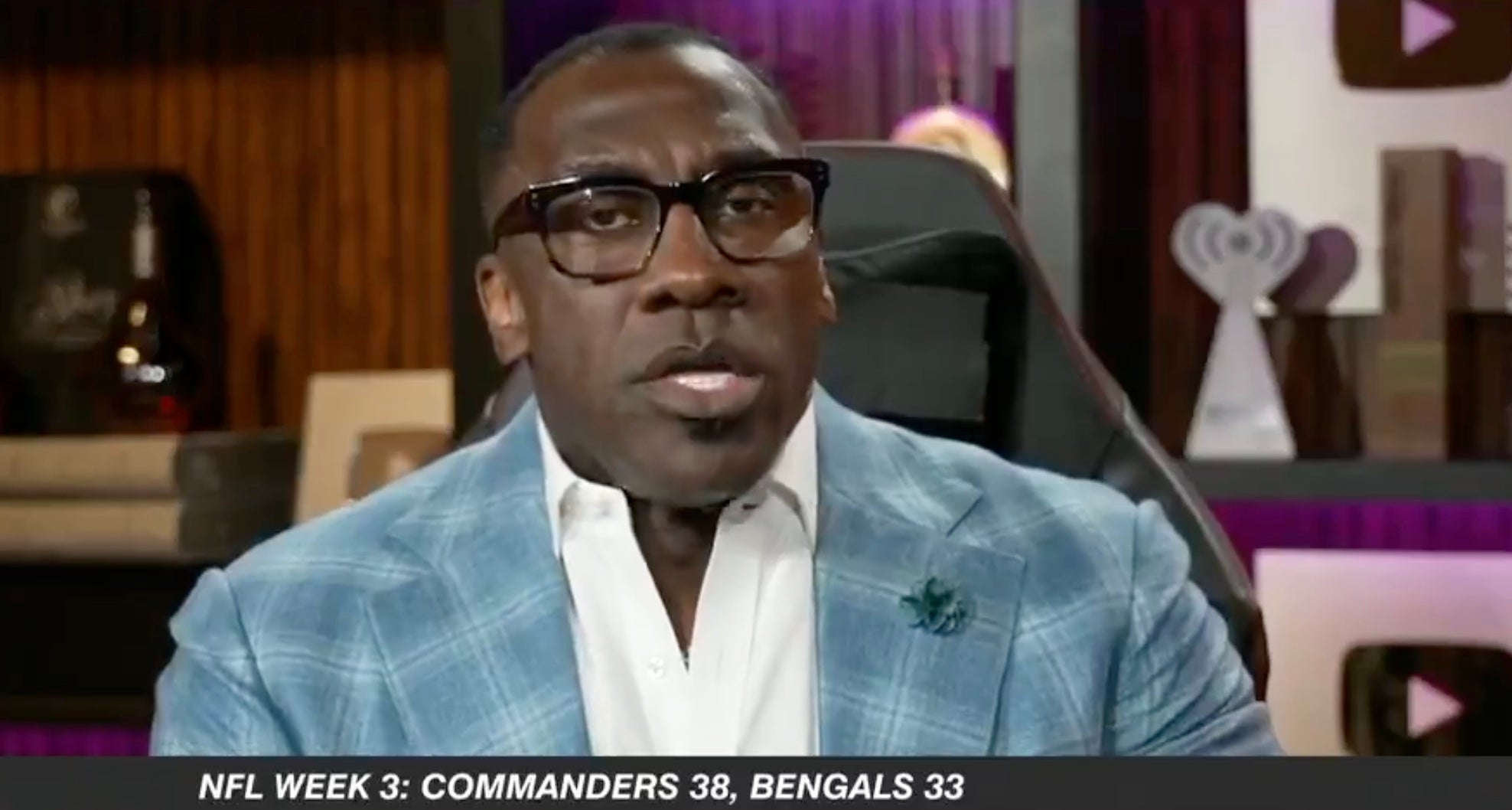
The suspension of Shannon Sharpe from his media obligations represents a significant disruption in the sports commentary landscape, negatively impacting audience engagement, brand continuity, and the quality of discourse surrounding pr...
The suspension of Shannon Sharpe from his media obligations represents a significant disruption in the sports commentary landscape, negatively impacting audience engagement, brand continuity, and the quality of discourse surrounding professional athletics. Ending this suspension quickly is essential to restore the platform’s equilibrium, satisfy the expectations of a dedicated viewership, and maintain the professional standards expected of high-profile sports media entities.
Contents
The Role of High-Profile Commentary in Sports Media
Sports media operates as a ecosystem where personality-driven platforms thrive on consistency and the chemistry between hosts. Shannon Sharpe, a Pro Football Hall of Famer, has established himself as a pillar of modern sports broadcasting. His transition from the field to the broadcast desk brought a level of technical insight and charismatic storytelling that few in the industry can match.
When a primary voice is sidelined, the immediate impact is a fragmentation of the audience. Viewership patterns in the 2026 media landscape show that audiences are highly loyal to specific on-air personalities. Unlike legacy broadcast television, where shows were often larger than the individuals hosting them, modern sports media—often distributed via digital networks and high-traffic streaming channels—relies heavily on the personal brand of the talent. A suspension does not just remove a worker; it effectively pauses the momentum of a multi-platform content engine.
Impact on Stakeholders and Brand Equity
The decision to suspend a talent of Sharpe’s caliber triggers a ripple effect across multiple stakeholders. First, the advertisers and partners who have invested in the specific program rely on the consistent appearance of the main talent to deliver reach and engagement. When that talent is absent, the value proposition of the advertising slots diminishes significantly.
Second, the audience, which has invested time in building a rapport with the host, often views a prolonged absence as a breach of the unspoken contract between the network and the viewer. In an era of intense competition for viewership, silence or empty seats on a set can lead to audience erosion. Viewers may drift toward competing platforms or independent creators who provide consistent commentary, potentially causing long-term damage to the network’s market share.
Third, the internal team—producers, researchers, and technical crew—faces operational uncertainty. A program built around a specific host’s style requires significant coordination. Suspending the focal point of that coordination disrupts the workflows of dozens of professionals whose livelihoods depend on the show running at full capacity.
Analyzing the Mechanics of Industry Suspensions
In the professional sports media sector, suspensions are often utilized as corrective measures for perceived conduct violations or lapses in editorial judgment. However, the efficacy of such measures is often debated.
When a media entity decides on a suspension, it must balance the need for accountability with the necessity of business continuity. The standard industry approach involves a period of internal review. If the suspension extends beyond a reasonable timeframe—typically measured in days rather than weeks—the cost to the brand often outweighs the perceived benefit of the disciplinary action. By 2026, the industry has seen that swift resolution is preferred to maintain institutional credibility.
| Factor | Impact of Short Suspension | Impact of Extended Suspension |
|---|---|---|
| Audience Retention | Minimal disruption; curiosity satisfied | High risk of audience churn |
| Advertiser Relations | Managed expectations; continuity | Potential for contract renegotiation |
| Brand Perception | Viewed as decisive management | Viewed as organizational instability |
| Internal Morale | Return to normalcy; focused output | Uncertainty and potential attrition |
Prerequisites for Resolving Disciplinary Actions
For any suspension to be lifted effectively, there must be a clear pathway to reinstatement that respects both the network's internal policy and the talent's professional standing. This usually involves:
- Alignment on Editorial Guidelines: Both parties must agree on the boundaries of future discourse to prevent recurrence of the issue that prompted the suspension.
- Public Communication Strategy: Transparent, brief, and professional communication with the audience serves to neutralize speculation and reaffirm the commitment to the show’s original purpose.
- Performance Integration: A structured return, perhaps beginning with limited appearances or thematic segments, allows the audience to reacclimate to the talent’s presence.
The Value of Professional Discourse
Shannon Sharpe’s commentary is characterized by a specific blend of experience-based analysis and entertainment. His ability to draw on his years as a tight end in the NFL adds a layer of depth that is essential for a complete understanding of the games. When he is absent, that perspective is missing, and the discourse suffers.
The goal of sports media is to provide context to the fan. In 2026, as sports analytics and real-time data become more accessible to the average viewer, the role of the expert host has evolved from merely reporting facts to providing context and opinion. A voice like Sharpe’s provides the emotional resonance and historical context that raw data cannot. His swift return is necessary to ensure that the depth of the conversation remains intact.
Common Misconceptions Regarding Talent Suspensions
There is often a misconception that suspensions are purely punitive measures meant to signal authority. In reality, they are often complex negotiations involving legal, contractual, and public relations considerations. Observers often push for definitive answers, but the resolution of such matters is rarely immediate.
Furthermore, some believe that talent is easily replaceable. However, in the high-stakes environment of sports media, chemistry is a resource that cannot be manufactured overnight. A show is the sum of its parts, and the loss of a major component is not easily fixed with a temporary substitute. This reality makes the swift resolution of the Shannon Sharpe suspension a matter of strategic necessity rather than just individual preference.
Frequently Asked Questions
Why is the speed of resolution important for sports media shows? Speed is critical because digital audiences possess high mobility. If a show fails to provide the expected content due to a host’s absence, viewers quickly seek alternative sources. Quick resolution ensures the brand maintains its daily or weekly habitual connection with the audience.
What happens if a show loses its primary host for an extended duration? Extended absences often lead to a permanent shift in viewer habits. In the current media landscape, where content is abundant, shows that lack their signature personalities risk becoming obsolete as viewers develop new allegiances to other programs or networks.
How do advertisers react to talent suspensions? Advertisers generally prioritize stability. They purchase time based on specific programming and audience demographics. A suspension introduces unpredictability, which can trigger "make-good" clauses or lead to a re-evaluation of advertising commitments if the suspension threatens the show’s reach.
Is a suspension always the best disciplinary tool? While suspensions are common, they are a blunt instrument. Many organizations are moving toward more nuanced disciplinary methods, such as internal mediation or public correction, which allow for accountability without the negative consequences of removing the talent from the air.
Can a network restore trust after a suspension is lifted? Yes. Trust is restored through transparent communication and a commitment to high-quality content. When a talent returns and immediately resumes the high-level performance the audience expects, the suspension period eventually fades from the public conversation.
Recommendation for Next Actions
To move forward, the relevant stakeholders should prioritize a rapid, transparent conclusion to the disciplinary process. The focus should shift toward re-establishing the show’s format and ensuring that the content being produced meets the high standard associated with the platform. A swift, professional return to the airwaves will serve to stabilize the brand, satisfy the core audience, and allow the media entity to continue its operations without the ongoing distraction of an unresolved suspension.
Image Gallery