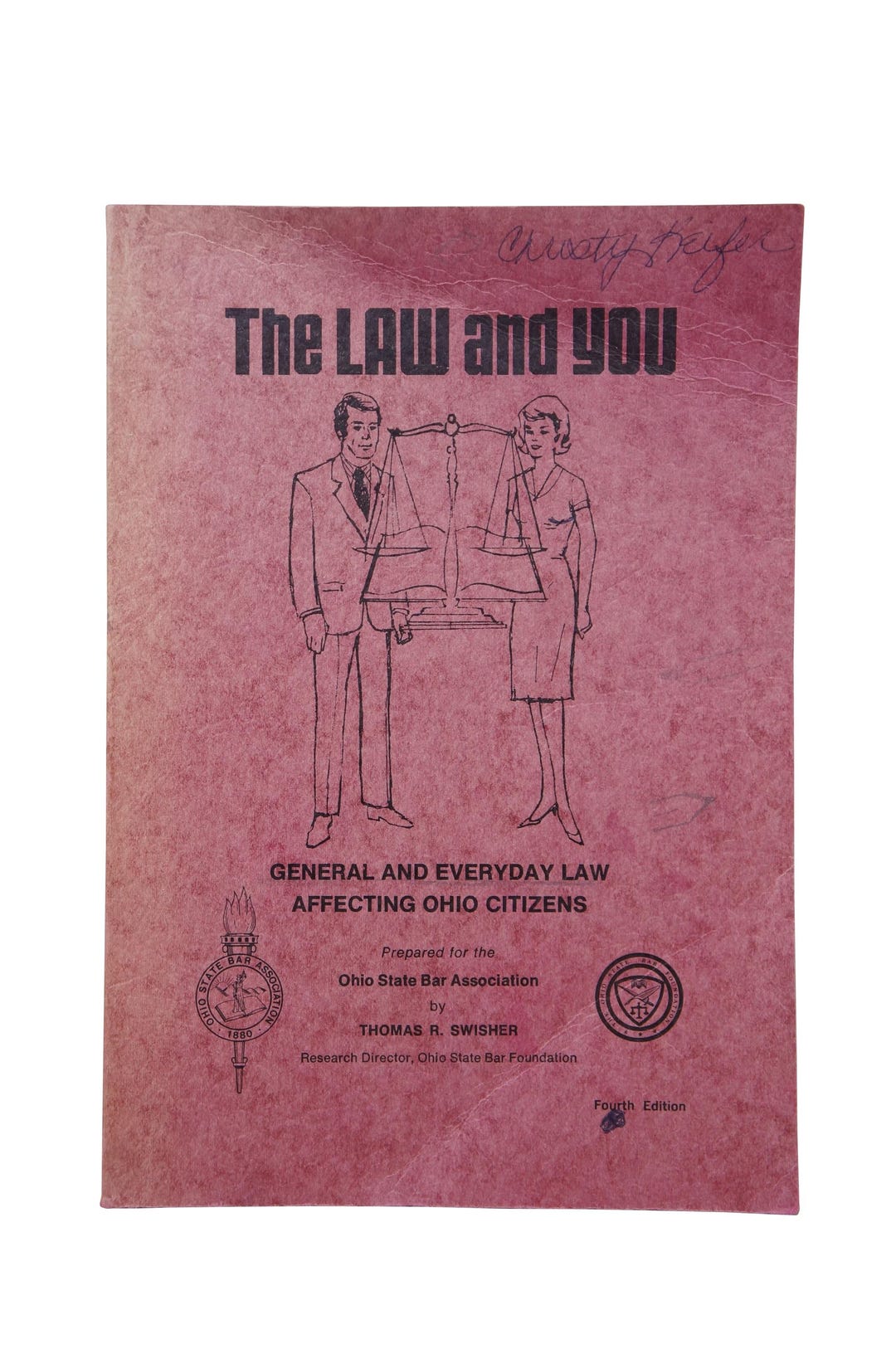
Understanding What Law Stands for in Everyday Use
In everyday use, the word "law" refers to a system of rules and regulations created and enforced by a governing authority to regulate conduct, maintain social order, and resolve disputes within a society. Beyond formal statutes, it rep...
In everyday use, the word "law" refers to a system of rules and regulations created and enforced by a governing authority to regulate conduct, maintain social order, and resolve disputes within a society. Beyond formal statutes, it represents the foundational expectations of behavior, fairness, and accountability that govern human interactions and institutional operations in modern life.
Contents
Defining the Concept of Law Beyond the Courtroom
When people speak of "the law" in casual conversation, they are rarely referring to the literal text of legislative bills or obscure judicial precedents. Instead, they are invoking a social contract—a collective understanding that certain actions are permissible while others are prohibited. This everyday definition bridges the gap between high-level legal theory and the practical reality of daily life, where law functions as a stabilizing force.
At its core, law represents consistency. It is the predictability that allows individuals to conduct business, drive vehicles, and participate in community life without constant fear of arbitrary interference. Whether it is a local ordinance regarding noise levels or a federal requirement for employment contracts, the term serves as a shorthand for "the rules of the game."
The Functional Roles of Law in Society
Law serves several distinct purposes that influence how it is perceived and applied by the general public. These roles are rarely studied in isolation but are felt simultaneously during common events like signing a lease, purchasing goods, or interacting with public services.
- Establishing Standards of Conduct: Law defines the boundaries of acceptable behavior. It protects individuals from harm and defines the obligations one party owes to another.
- Maintaining Social Order: By providing a framework for conflict resolution, law prevents individuals from seeking "vigilante" justice. It channels grievances into predictable, institutional paths.
- Facilitating Private Arrangements: A significant portion of daily law involves contract and property frameworks that allow people to exchange goods and services with the confidence that the agreement is enforceable.
- Protecting Rights and Liberties: Law serves as a shield against the overreach of power, whether that power is exerted by the state, an employer, or a large entity.
Distinguishing Between Public and Private Law
To understand how law stands in daily use, it is necessary to categorize the types of legal engagement most citizens encounter. While the legal profession uses complex taxonomies, everyday life focuses on the distinction between how the state interacts with the individual and how individuals interact with each other.
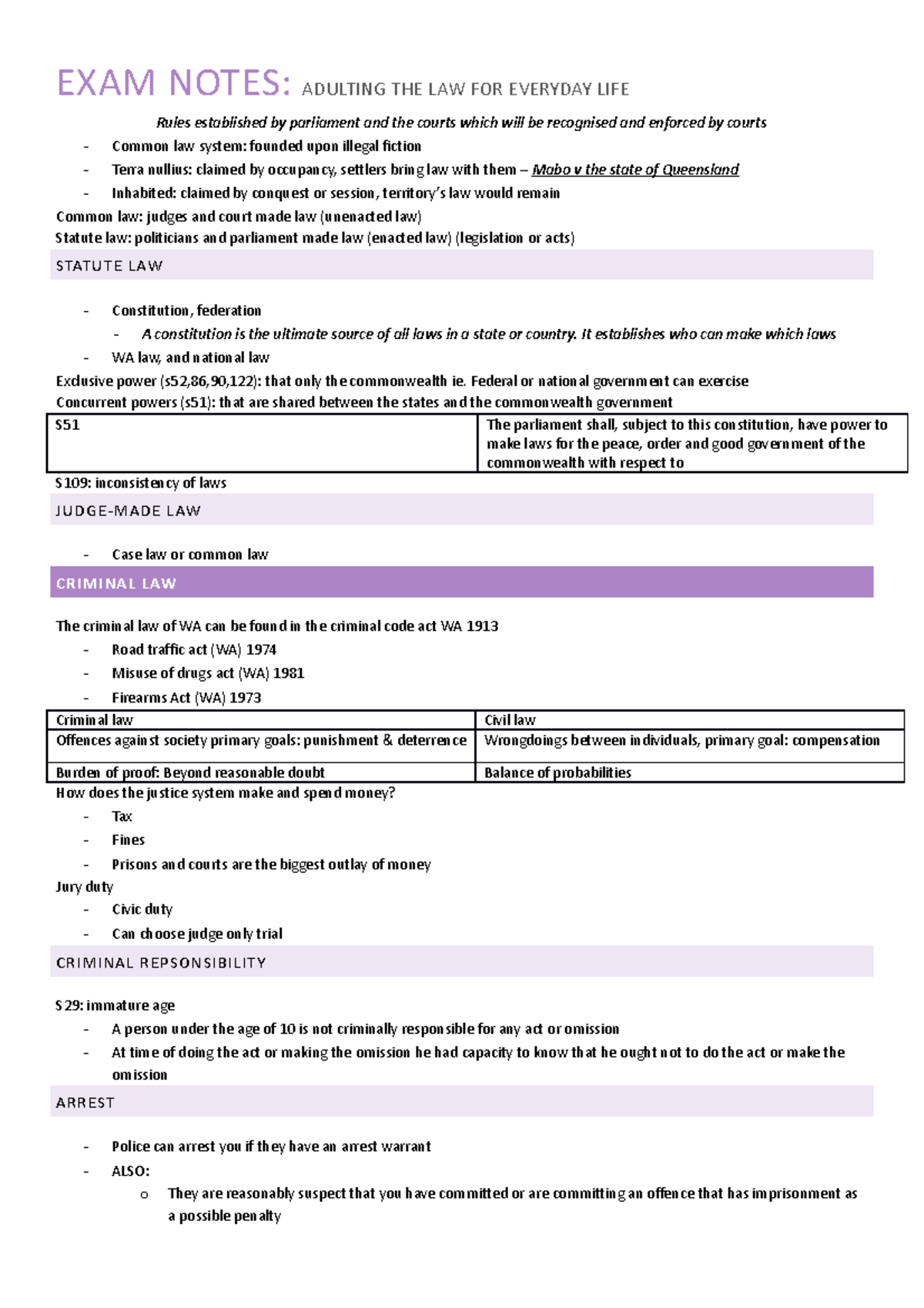
| Category | Primary Focus | Everyday Example |
|---|---|---|
| Public Law | Government-to-citizen interactions | Paying taxes, traffic citations, building permits |
| Private Law | Citizen-to-citizen interactions | Rental agreements, employment contracts, divorce |
| Criminal Law | State-sanctioned penalties for acts | Theft, assault, regulatory violations |
| Civil Law | Disputes between private parties | Breach of contract, property boundary disagreements |
In practice, these categories often overlap. A failure to follow a building code (Public Law) may lead to a civil dispute with a contractor (Private Law), demonstrating that "law" is a fluid system that adapts to the specific context of the situation at hand.
Practical Requirements and the "Spirit" of the Law
In everyday use, there is a common distinction made between the "letter of the law" and the "spirit of the law." The letter of the law refers to the strict, literal interpretation of a regulation. The spirit of the law refers to the intent or purpose behind the regulation.
This distinction is vital for navigating everyday legalities. For example, a "No Parking" sign may have a strict literal requirement (no vehicle allowed), but the spirit of the law may be to ensure emergency vehicle access. Understanding this helps individuals navigate situations where strict adherence might conflict with common sense, though it is essential to remember that legal systems generally prioritize the established text over subjective interpretations of "spirit."
Legal Limitations and Professional Guidance
It is important to recognize that while everyone interacts with the law daily, the law is not a universal truth—it is jurisdictional. A legal principle applicable in one state or country may be entirely absent or inverted in another. Furthermore, "everyday use" of legal concepts is prone to misunderstanding.
Common misconceptions often arise from media depictions of the legal system, which favor high-stakes litigation over the mundane reality of compliance and mediation. For those dealing with specific legal requirements—such as executing a will, managing a corporate partnership, or responding to a regulatory demand—relying on colloquial definitions is insufficient.
Legal Disclaimer: This article provides general information and does not constitute professional legal advice. Laws vary significantly by jurisdiction. If you have a specific legal problem, you should consult with a qualified attorney authorized to practice in your relevant area.
Common Questions Regarding the Application of Law
Does the law always reflect justice? No. Law and justice are not synonyms. Law is a system of rules that may be used to achieve just outcomes, but because laws are created by fallible institutions, they can sometimes produce outcomes that appear unfair or morally problematic.
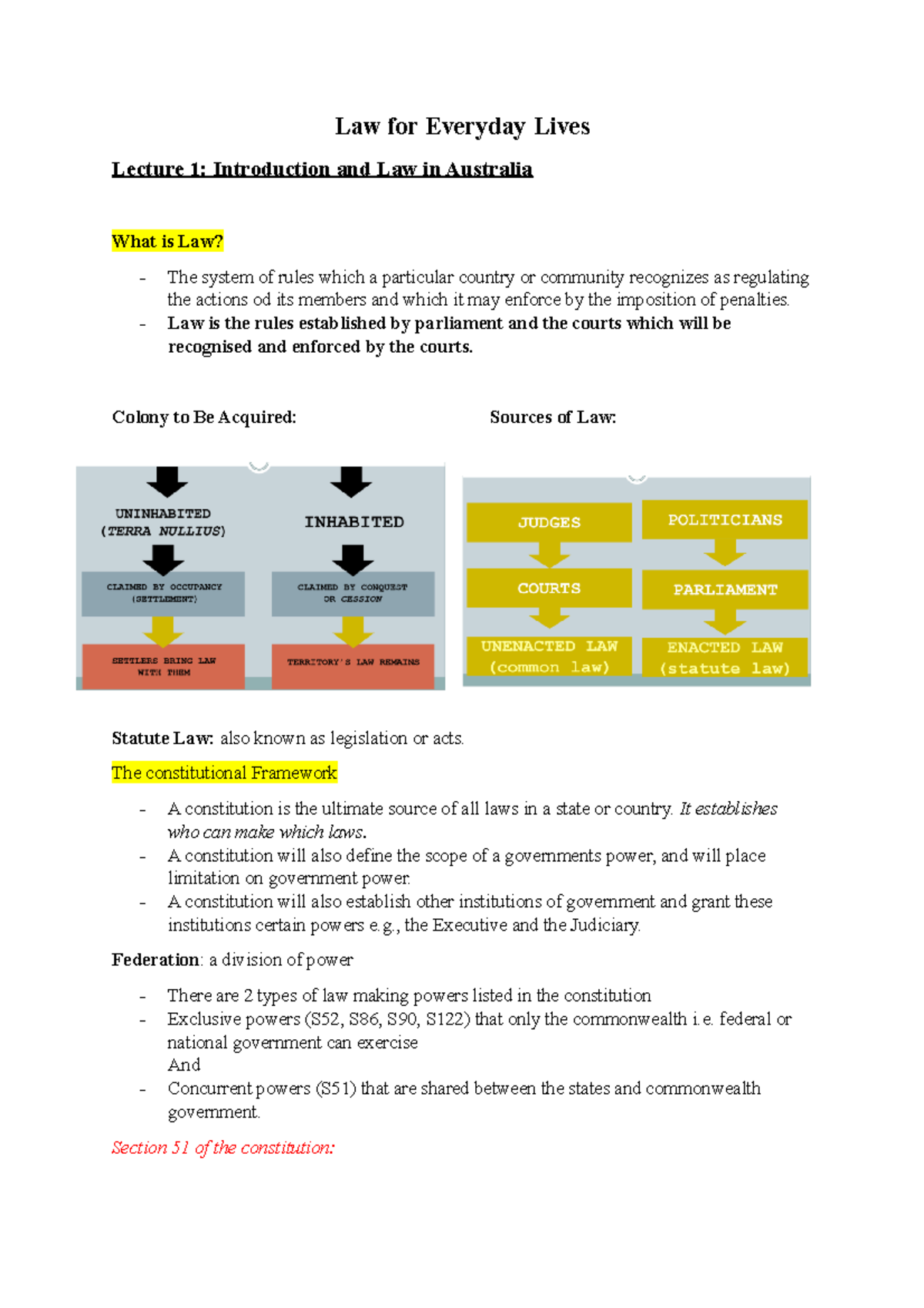
How does common law differ from statutory law? Statutory law is written legislation enacted by a government body, such as a city council or parliament. Common law is a body of law derived from judicial decisions and custom, which serves as a precedent for future cases. In many systems, common law interprets statutory law.
Can I waive my legal rights in a contract? In many private agreements, parties may waive certain rights, provided the waiver does not violate public policy or statutory mandates. For example, you might waive a notice period in a lease, but you generally cannot waive your right to a habitable living space, as this is often protected by non-waivable housing laws.
Why does the law feel so complex for everyday issues? The complexity arises from the need for precision. To avoid ambiguity, laws are drafted with specific definitions and conditions. While this makes them difficult to read for the layperson, this technicality is intended to prevent loopholes and ensure that rules apply consistently across millions of different scenarios.
What is the best way to handle a minor legal dispute? Most minor disputes are best handled through direct communication, mediation, or small claims procedures. Formal litigation is often prohibitively expensive and time-consuming. Using established, low-cost dispute resolution channels is typically the most efficient path to a practical outcome.
Moving Forward: Navigating Legal Expectations
To interact successfully with the legal systems around you, prioritize clarity over assumptions. When entering a contract or facing a regulation, ensure you have access to the primary text or an authoritative summary provided by a government agency. Maintain organized documentation of your agreements and interactions, as the burden of proof in both private and public legal matters often rests on the individual.
In 2026, many jurisdictions have moved toward digital-first interactions for administrative law. Before engaging with a new legal obligation, check official government portals for the most current procedures, deadlines, and fee structures. Being proactive and informed remains the best way to ensure that the law functions as a tool for your protection rather than an obstacle.
Image Gallery