How the Automated Sanger Sequencing Method is Changing Modern Laboratory Workflows
The transition from manual to automated Sanger sequencing has fundamentally redefined the efficiency, throughput, and accuracy of molecular diagnostic and research laboratories. By integrating robotic liquid handling, capillary electro...
The transition from manual to automated Sanger sequencing has fundamentally redefined the efficiency, throughput, and accuracy of molecular diagnostic and research laboratories. By integrating robotic liquid handling, capillary electrophoresis, and standardized data analysis, automated platforms have shifted the bottleneck from sequence generation to data interpretation, allowing for higher precision and scalability in clinical genomics.
Contents
The Evolution from Gel-Based to Capillary Sequencing
Historically, Sanger sequencing—also known as the chain-termination method—was a laborious manual process. It relied on polyacrylamide gel electrophoresis where researchers had to pour, run, and manually read radio-labeled or fluorescently tagged bands. This process was not only time-consuming but also prone to human error and limited by the physical constraints of gel preparation.
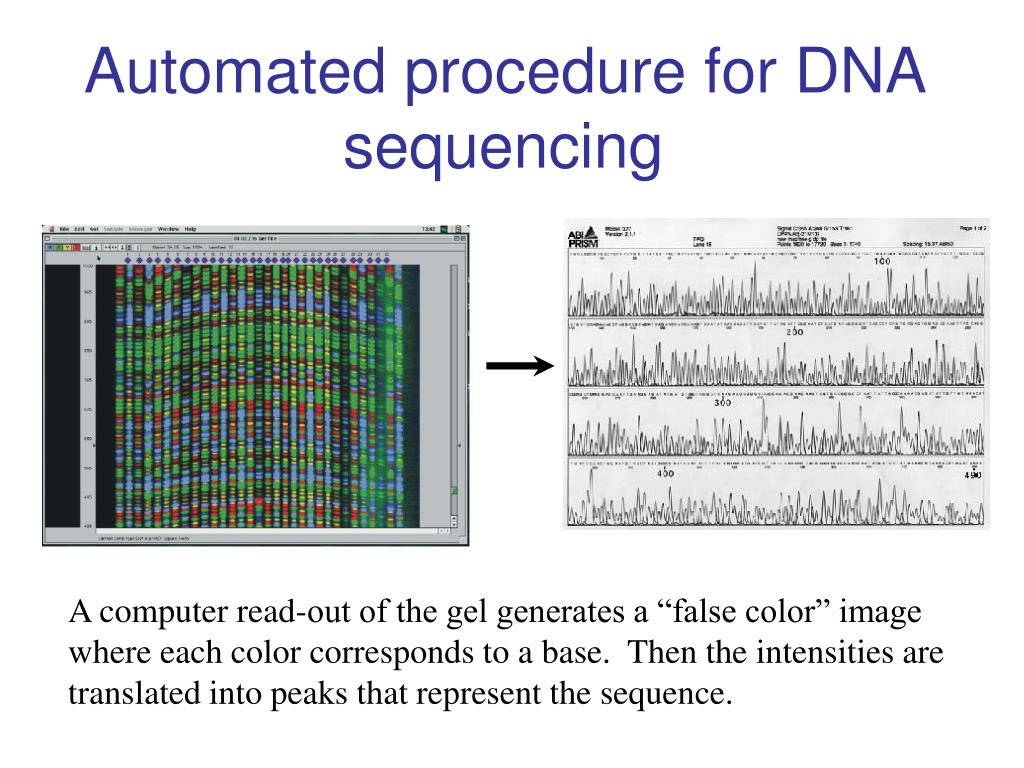
The introduction of automated capillary electrophoresis (CE) systems revolutionized this landscape. Instead of horizontal or vertical gels, modern systems use thin, silica-based capillaries filled with a polymer matrix. This transition allows for high-voltage runs that take minutes rather than hours. Furthermore, the use of laser-induced fluorescence detection enables the simultaneous tracking of four distinct fluorophores, each attached to a specific dideoxynucleotide (ddNTP). This shift has effectively turned sequencing from a specialized, artisanal skill into a high-throughput, reproducible utility.
Impact on Clinical and Research Workflows
The automation of the Sanger method has fundamentally changed how laboratories operate. In 2026, the integration of automated sequencers has led to several key operational shifts:
- Sample Processing Efficiency: Advanced liquid-handling robots now manage the cycle sequencing reactions, reducing reagent waste and minimizing the risk of contamination associated with manual pipetting.
- Standardization: Automation eliminates variability in thermal cycling and reagent ratios. This provides a level of data consistency that is essential for ISO-certified diagnostic environments.
- Throughput Scaling: Modern instruments support 8, 24, 48, or even 96 capillaries running in parallel. This scalability allows labs to handle batch processing of clinical samples with consistent turnaround times.
- Integration with Bioinformatics: Automated systems provide primary analysis (base calling) in real-time, often integrating directly into laboratory information management systems (LIMS) for automated reporting and quality control flagging.
Comparative Analysis: Manual vs. Automated Sequencing
To understand the change, it is helpful to compare the operational overhead and output quality of manual methods versus contemporary automated systems.
| Feature | Manual Sanger Sequencing | Automated Capillary Sequencing |
|---|---|---|
| Throughput | 1–2 runs per day | 96+ samples per run |
| Error Rate | High (human interpretation) | Low (automated base calling) |
| Data Format | Analog (X-ray film/visual) | Digital (.ab1 files) |
| Reagent Usage | Inefficient (manual titration) | Optimized (robotic dispensing) |
| Labor Intensity | High (full-time technician) | Low (instrument monitoring) |
Overcoming Technical Bottlenecks
While automation has solved many challenges, it has created new requirements for laboratory management. The primary focus for lab managers in 2026 is maintaining the fidelity of the automated process.
Troubleshooting Capillary Degradation
A common challenge in automated Sanger labs is capillary fouling. Over time, salt build-up or microbial contamination in the polymer buffer can lead to signal loss or base-calling errors. Labs must adhere to strict maintenance schedules, including regular capillary conditioning and the use of high-purity deionized water, to ensure that the automated systems perform within factory specifications.
The Data Interpretation Shift
As the sequencing process became automated, the role of the researcher shifted from "wet-lab technician" to "bioinformatics analyst." Because the machine generates high volumes of data rapidly, labs now face a new hurdle: how to efficiently filter, annotate, and interpret thousands of sequence traces. Automated software suites now use complex algorithms to identify heterozygotes, noise, and potential sequence artifacts (like "dye blobs"), but expert human oversight remains a regulatory requirement for clinical diagnostic reporting.
Economic and Regulatory Considerations
The cost structure of sequencing has moved from high labor-per-sample to higher capital expenditure (CapEx) for equipment and service contracts. Laboratories now balance the costs of proprietary reagents and maintenance agreements against the benefit of faster clinical turnaround times.
From a regulatory perspective, automated Sanger sequencing is widely accepted as the "gold standard" for clinical validation of next-generation sequencing (NGS) findings. In many clinical workflows, automated Sanger sequencing acts as the definitive verification method for mutations identified during high-throughput screening. This symbiosis between NGS and automated Sanger is a defining characteristic of the 2026 clinical landscape.
Frequently Asked Questions
Why is automated Sanger sequencing still relevant in the era of Next-Generation Sequencing (NGS)? Sanger sequencing remains the gold standard for clinical validation. Its long read lengths (up to 1,000 base pairs) and high accuracy per base make it the preferred method for confirming specific variants discovered by NGS or for sequencing small, targeted genes where high throughput is not required.
What is the most frequent cause of failure in automated Sanger runs? Template quality is the most common variable. If the DNA or PCR product is not purified properly, excess primers, dNTPs, or salt contamination will interfere with the capillary electrophoresis process, leading to a "noisy" chromatogram that is impossible to interpret accurately.
How does automation affect the reproducibility of clinical results? Automation minimizes manual handling, which is the primary source of inter-operator variability. By standardizing the cycle sequencing parameters and using validated software for base calling, labs can produce results that are consistent regardless of which technician operates the machine.
Are there limitations to how much a lab can automate? Yes. While the sequencing reaction and run can be automated, the upstream processes—such as DNA extraction from difficult tissue types or PCR optimization for complex genomic regions—often require manual expert intervention to ensure high-quality input material.
What should labs look for when selecting an automated system? Consider the capillary count, the ease of integration with existing LIMS, the availability of technical support for the specific model, and the cost of proprietary reagents. Software compatibility for downstream analysis is also critical for maintaining an efficient workflow.
Next Steps for Implementation
For laboratories looking to improve their sequencing operations, the first step is to conduct a throughput audit. Determine whether your lab currently faces bottlenecks during sample preparation, instrument run-time, or data analysis. If the constraint is in sample throughput, upgrading to a higher-capacity capillary platform—such as those offering 48 or 96-well parallel processing—will provide the most immediate return on investment. Ensure your staff is trained not only on instrument operation but also on the advanced bioinformatic tools necessary to manage the resulting data volume.
Image Gallery