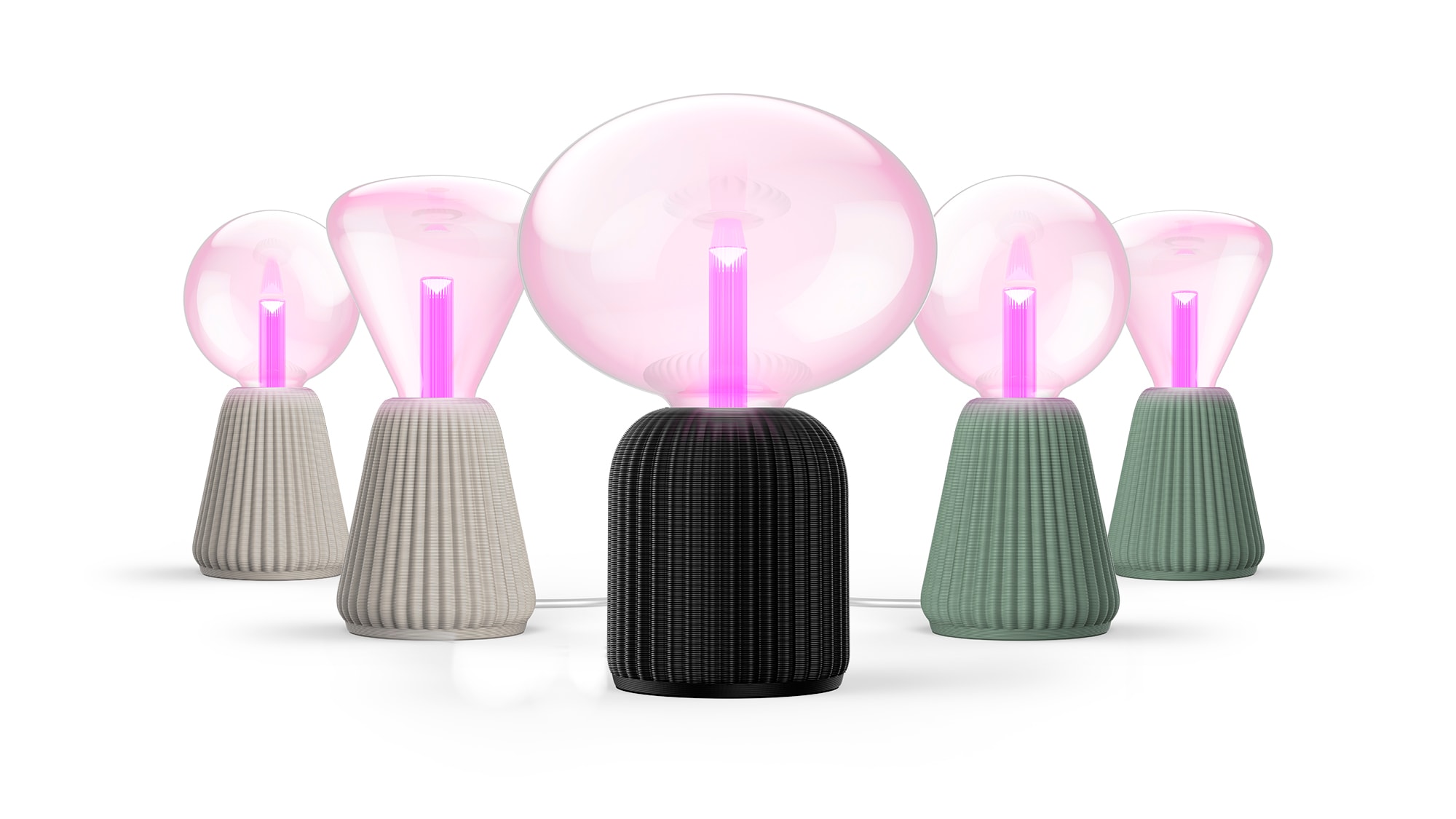
Lightguide Guiding Light in Modern Design: A Comprehensive Technical Guide
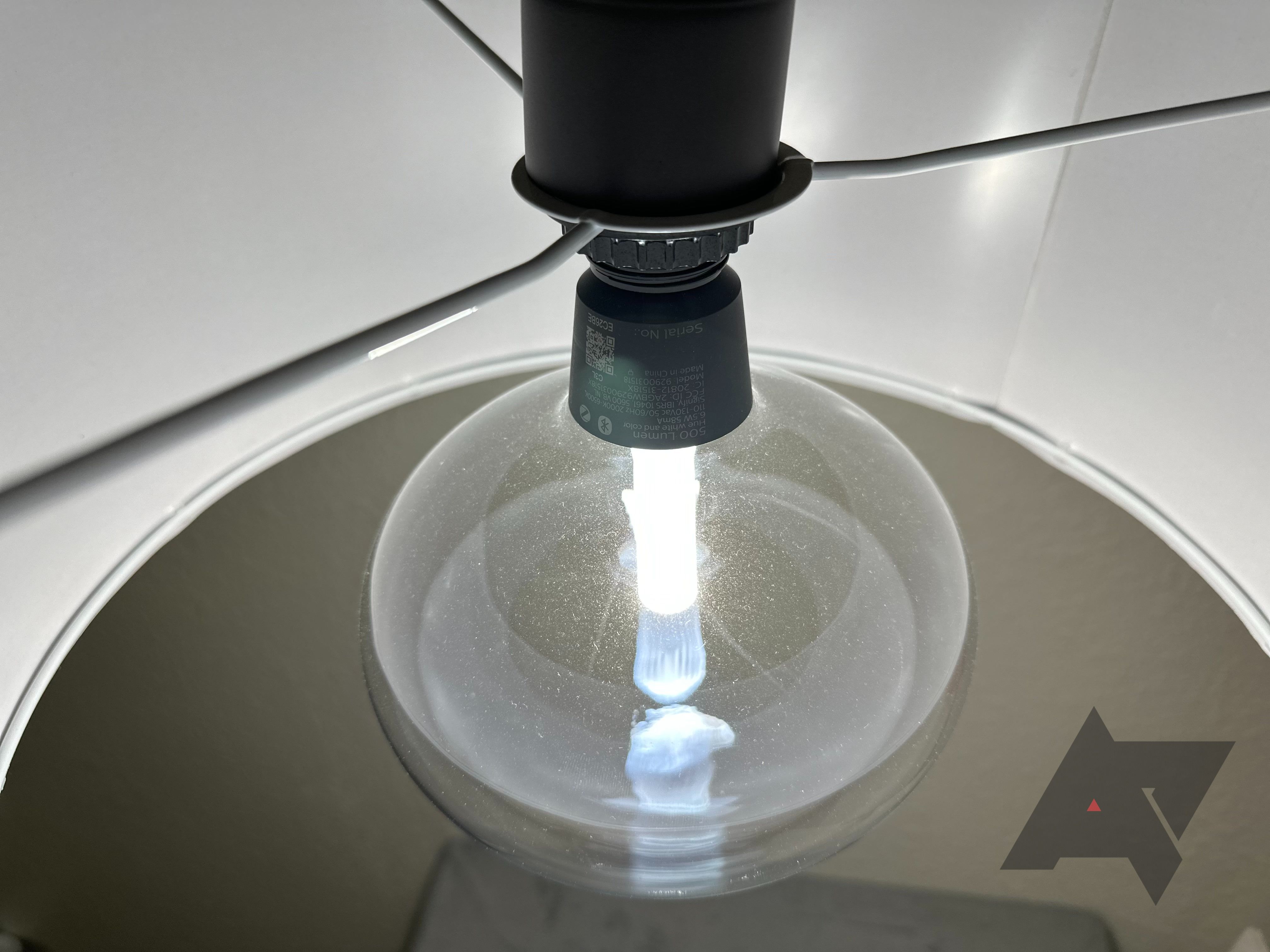
Lightguide technology directs light from a source—typically an LED—to a specific target or surface using the principle of total internal reflection. In 2026, lightguides are essential for achieving uniform, glare-free illumination in s...
Lightguide technology directs light from a source—typically an LED—to a specific target or surface using the principle of total internal reflection. In 2026, lightguides are essential for achieving uniform, glare-free illumination in slim form factors, supporting the minimalist aesthetics and high-efficiency requirements of modern automotive, electronic, and architectural design.
Contents
The Evolution of Lightguide Technology in 2026
The concept of a lightguide, often referred to as a light pipe or optical waveguide, has evolved from simple plastic rods to highly engineered optical systems. At its core, a lightguide is a physical structure made of transparent, optical-grade material that transports light from a point source to a distal location or across a broad surface. As of 2026, the demand for thinner devices and more energy-efficient buildings has pushed lightguide engineering into the realm of micro-optics and nanostructures.
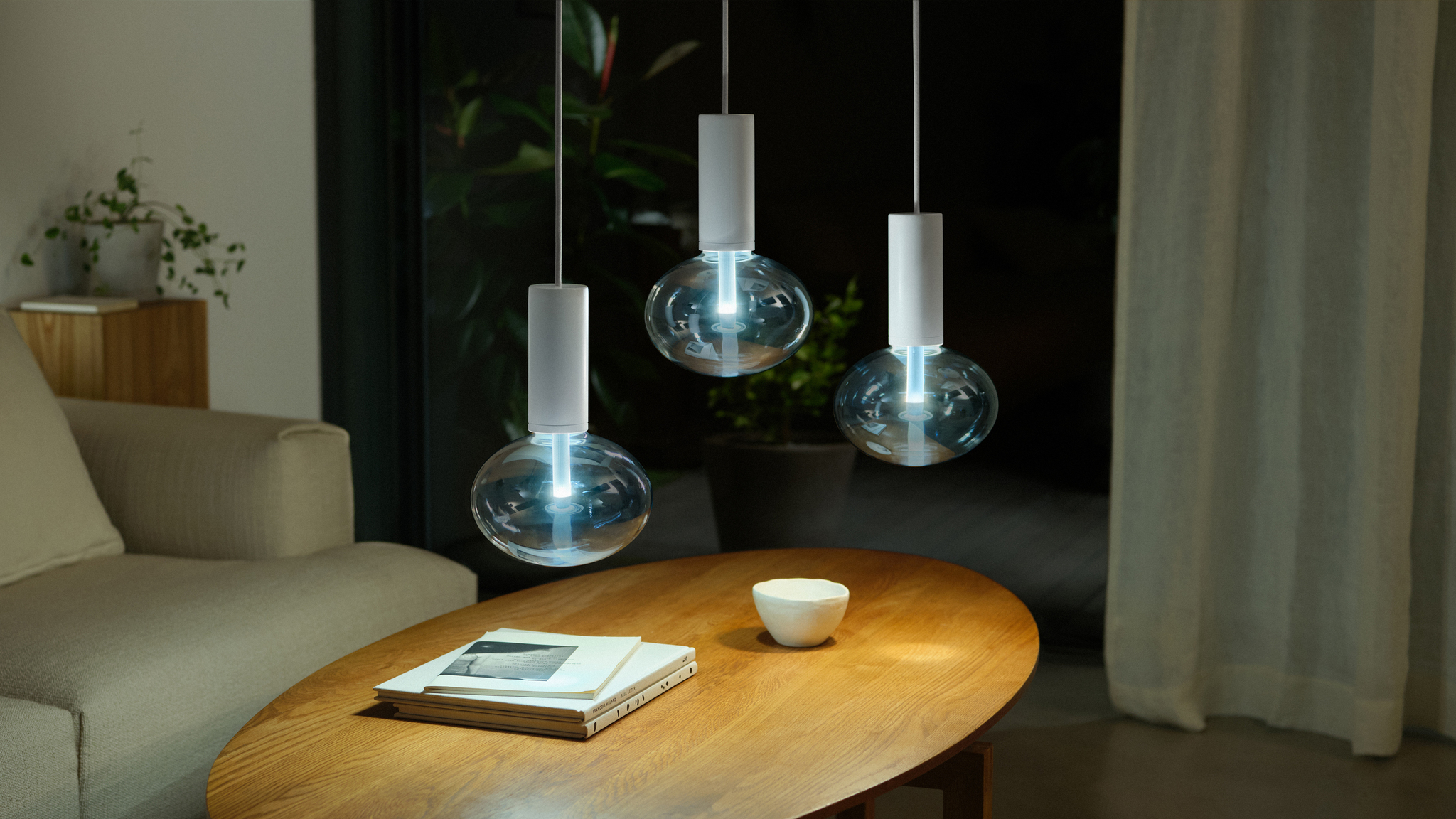
Modern design emphasizes "hidden" light sources where the illumination appears to emerge from the material itself rather than from a visible bulb or diode. This "stealth" lighting is made possible by lightguides that can bend light around corners, distribute it evenly over large panels, or concentrate it into sharp, functional beams. The shift toward sustainable materials has also introduced bio-based polymers into the lightguide manufacturing ecosystem, ensuring that modern design is as environmentally conscious as it is aesthetically pleasing.
Fundamental Principles: How Lightguides Control Illumination
To understand how a lightguide "guides" light, one must look at the physics of Total Internal Reflection (TIR). When light enters a medium with a higher refractive index (like acrylic) and strikes the boundary of a medium with a lower refractive index (like air) at a specific angle, it does not exit. Instead, it reflects back into the denser medium.
Total Internal Reflection (TIR) and the Critical Angle
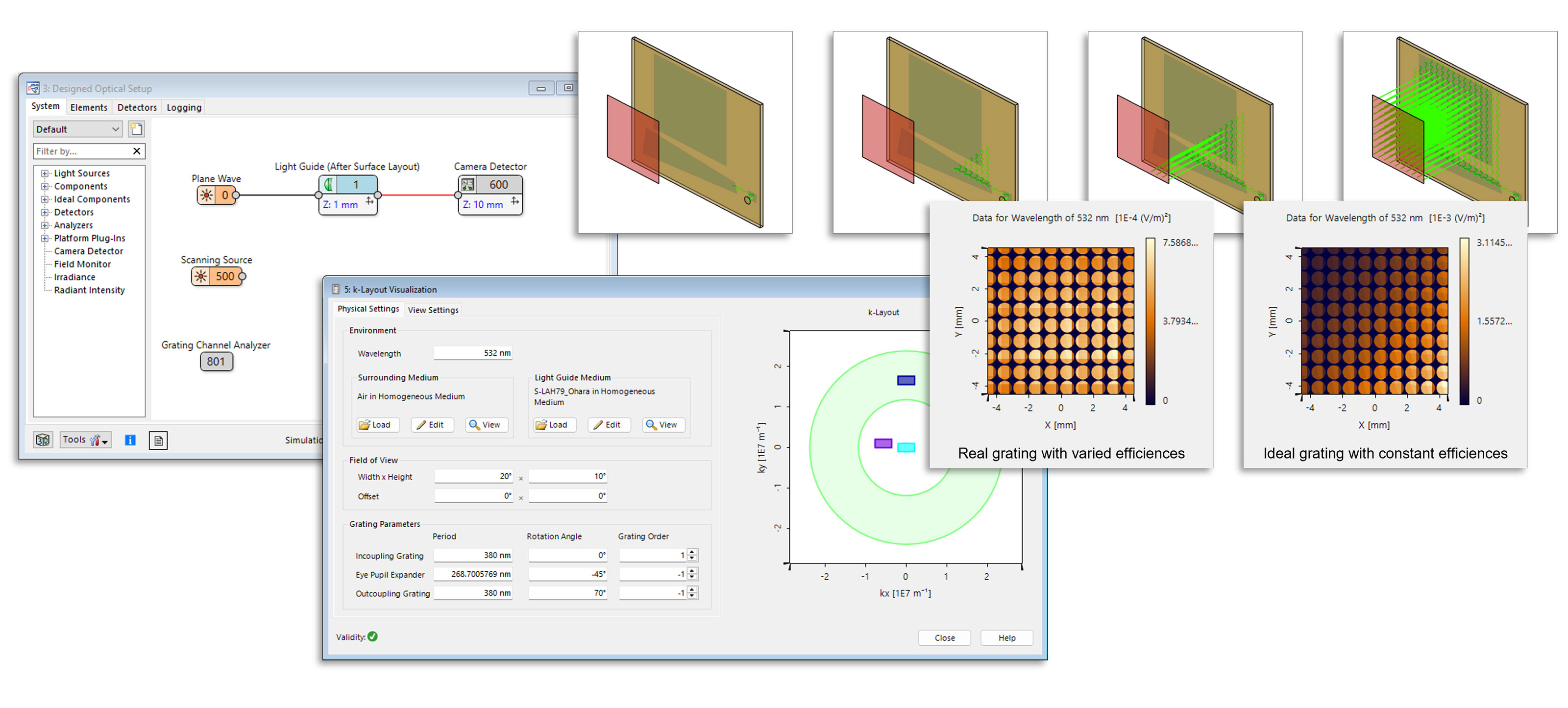
The efficiency of a lightguide depends on maintaining the "critical angle." If the light hits the surface of the guide at an angle shallower than the critical angle, it escapes. Engineers in 2026 use advanced optical simulation software to map these paths, ensuring that the light travels from the LED input to the output area with minimal "leakage" or loss. This allows for the creation of long, winding light pipes seen in automotive daytime running lights (DRLs) that maintain consistent brightness from start to finish.
Light Extraction Mechanisms
A perfect lightguide would keep light trapped forever. To make the light useful for design, it must be "extracted" at specific points. This is achieved by disrupting the TIR through surface or internal features.
- Micro-Prisms: Tiny geometric shapes molded into the surface that redirect light toward the viewer.
- Laser Etching: High-precision lasers create "dots" or patterns on the surface. By increasing the density of these dots as you move further from the light source, engineers achieve perfect uniformity.
- White Printing: Specialized reflective inks are applied to the back of the guide to scatter light forward.
- Chemical Etching: A process used to create a frosted appearance that diffuses light naturally across a surface.
Material Selection for Modern Lightguides
The choice of material is critical to the performance and longevity of the design. In 2026, the industry primarily relies on two polymers, though glass and liquid-core guides serve niche high-heat or high-precision applications.
| Feature | PMMA (Acrylic) | Polycarbonate (PC) | Optical Silicone |
|---|---|---|---|
| Optical Clarity | Highest (92% transmission) | High (88-90% transmission) | High, very low yellowing |
| Heat Resistance | Moderate (up to 90°C) | High (up to 125°C) | Very High (up to 150°C+) |
| Impact Strength | Brittle | Very High | Flexible/Elastic |
| UV Stability | Naturally stable | Requires UV stabilizers | Excellent |
| Primary Use | Consumer electronics, panels | Automotive, industrial | Complex shapes, outdoor |
The Rise of Optical Silicone
While PMMA remains the gold standard for clarity, 2026 has seen a surge in the use of optical-grade liquid silicone rubber (LSR). Silicone lightguides are flexible, allowing designers to wrap light around curved surfaces or integrate illumination into wearable technology. Furthermore, silicone's ability to withstand the high temperatures of high-intensity LEDs makes it indispensable for compact, high-lumen-density applications where traditional plastics might warp or yellow.
Applications in Modern Design Segments
Lightguide technology is no longer a hidden component; it is a primary design driver across multiple industries.
Automotive Lighting and Branding
In the automotive sector, lightguides have replaced traditional bulb-and-reflector assemblies. They allow for "signature lighting"—the unique glowing shapes that identify a car brand at night. Modern DRLs use "thick-wall" lightguides that provide a 3D depth effect. Beyond aesthetics, lightguides in 2026 are used in interior ambient lighting to create a "lounge" atmosphere, with light seamlessly integrated into door panels and dashboards.
Consumer Electronics and Displays
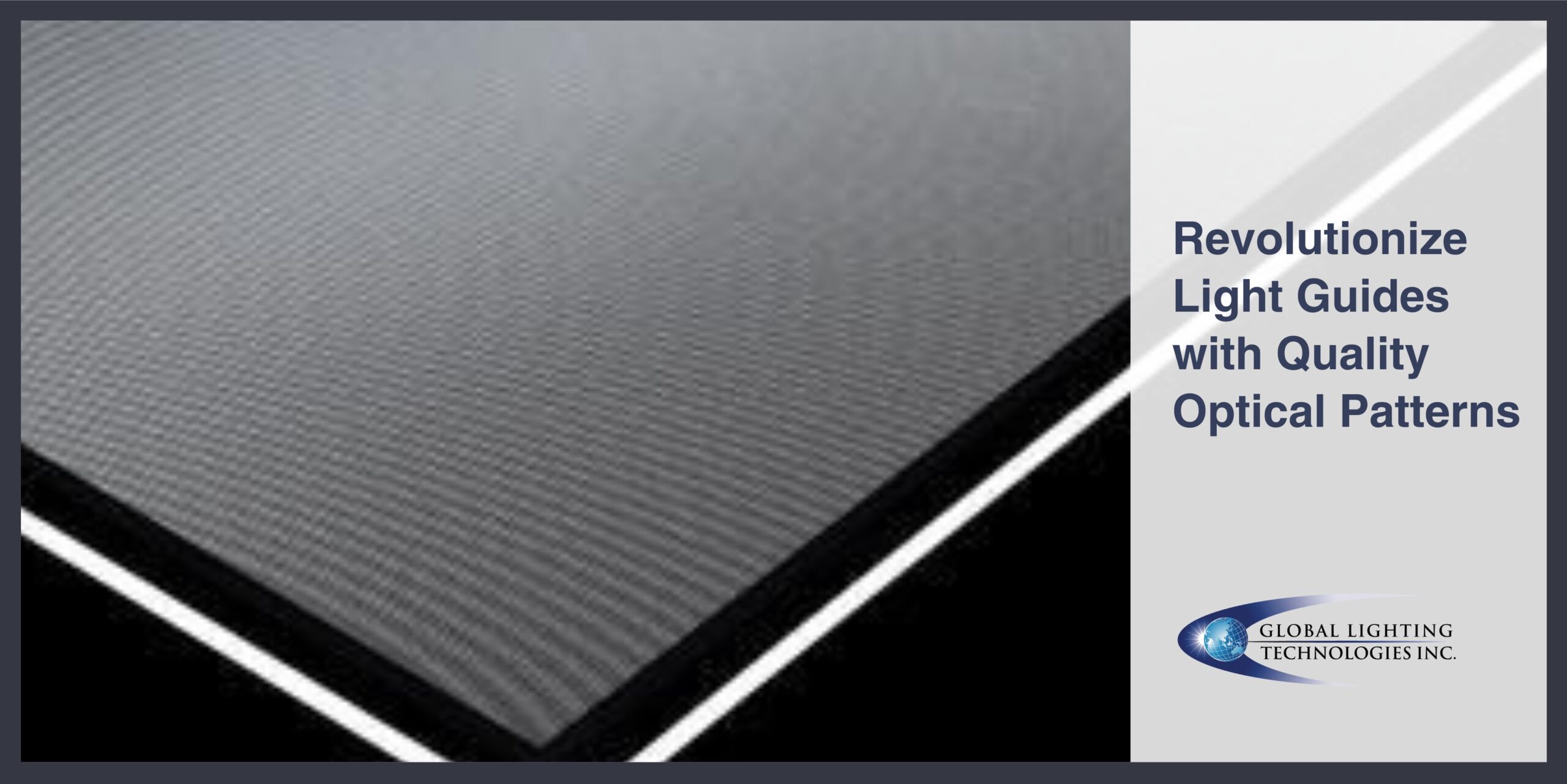
The push for "bezel-less" and ultra-thin devices is entirely dependent on lightguide plates (LGPs). In 2026, laptop screens and tablets use edge-lit lightguides that are less than 0.5mm thick. By injecting light from the side, manufacturers can eliminate the bulk of a rear-mounted backlight array. This technology also powers backlit keyboards, ensuring each key is illuminated evenly without light bleeding into the gaps between keys.
Architectural and Interior Design
Modern architecture utilizes lightguides to create "luminous surfaces." Instead of a single hanging fixture, entire walls or ceilings can become the light source. This is achieved through large-format lightguide panels that diffuse LED light into a soft, natural glow that mimics daylight. This application is particularly popular in biophilic design, where artificial light is used to support circadian rhythms by changing color temperature throughout the day.
Engineering Challenges and Efficiency Optimization
Designing an effective lightguide requires balancing aesthetics with thermal and optical efficiency.
Coupling Efficiency
The most critical point of failure in a lightguide system is the "coupling"—the interface where the LED meets the lightguide. If there is a gap or misalignment, a significant percentage of the light is lost to heat or stray reflection. In 2026, "overmolding" has become a standard solution, where the lightguide is molded directly onto the LED package to eliminate air gaps and maximize light entry.
Thermal Management
Although LEDs are more efficient than older light sources, they still generate heat. Because lightguides are often made of plastic, excessive heat can cause expansion, leading to mechanical stress or optical distortion. Modern designs incorporate heat sinks and "thermal breaks" to ensure that the lightguide remains cool, preserving the integrity of the material over its 50,000-hour lifespan.
Achieving Perfect Uniformity
The "hot spot" phenomenon—where the area closest to the LED is significantly brighter than the rest of the guide—is the enemy of modern design. To solve this, engineers use gradient extraction patterns. By using fewer extraction features near the light source and increasing the density as the light travels and loses intensity, the perceived output remains perfectly flat across the entire surface.
Sustainability and Circular Design in 2026
As of 2026, the lighting industry has faced increased pressure to move toward circular economy models. Historically, optical plastics were difficult to recycle because any impurity would ruin their clarity. However, new chemical recycling processes allow PMMA lightguides to be broken down into their original monomers and reconstituted into "virgin-quality" optical resin.
Designers are also focusing on "Design for Disassembly." Instead of gluing lightguides into assemblies, they are now using mechanical snaps or friction fits. This allows the optical components to be recovered and reused or recycled at the end of the product’s life cycle, reducing the environmental footprint of modern illuminated products.
FAQs: Lightguide Technology
What is the maximum length a lightguide can be?
In 2026, practical lightguides can reach lengths of up to 2 meters for linear applications, such as architectural accents. However, the longer the guide, the more "attenuation" or light loss occurs. For very long runs, designers often use multiple "injection points" (LEDs at both ends or along the length) to maintain consistent brightness.
Can lightguides change color?
Yes. Because the lightguide simply transports the light provided to it, using RGB or Tunable White LEDs allows the entire guide to change color. This is a staple in modern "smart home" devices and automotive interiors where users can customize the ambient lighting via an app or vehicle interface.
Are lightguides more energy-efficient than direct lighting?
While there is some light loss inherent in any optical system (usually 10-20%), lightguides are often more "system-efficient." They allow for the use of fewer, higher-efficiency LEDs to illuminate a large area uniformly, which often results in lower total power consumption compared to a large array of direct-view LEDs that require heavy diffusion.
How do designers prevent "yellowing" over time?
Yellowing is typically caused by UV exposure or excessive heat. In 2026, high-quality lightguides use UV-stabilized resins or PMMA, which is naturally resistant to UV degradation. Proper thermal engineering, such as ensuring the LED junction temperature remains within limits, prevents the thermal yellowing that plagued early LED products.
Can lightguides be 3D printed?
As of 2026, 3D printing for optical components has reached a "prototype-grade" level. While 3D-printed lightguides are excellent for rapid testing and form-factor validation, they generally lack the extreme surface smoothness required for high-efficiency TIR. For production, injection molding or casting remains the standard to ensure the "optical finish" (SPI A-1 or A-2) necessary for performance.
Practical Recommendation for Designers
When integrating lightguides into modern design, the most successful approach is to involve optical engineers during the conceptual phase rather than treating lighting as an afterthought. Use optical-grade PMMA for maximum clarity in indoor environments, and reserve Polycarbonate or Optical Silicone for automotive or high-heat industrial applications. Always prioritize a gradient extraction pattern to ensure uniformity, and utilize 2026-standard optical simulation tools (such as LightTools or LucidShape) to verify the design before committing to expensive injection molds.
Image Gallery