Understanding What Fidelity 5-Star Mutual Funds Mean for Investors
When investors encounter the "5-star" designation associated with Fidelity mutual funds, it refers to a quantitative rating—typically provided by independent research firms like Morningstar—that reflects a fund’s historical risk-adjust...
When investors encounter the "5-star" designation associated with Fidelity mutual funds, it refers to a quantitative rating—typically provided by independent research firms like Morningstar—that reflects a fund’s historical risk-adjusted performance relative to its peers. While these ratings can serve as a useful starting point for screening potential investments, they are backward-looking metrics and should not be treated as a guarantee of future success or a replacement for thorough due diligence.
Contents
Decoding the Star Rating System
The star rating system is a common shorthand in the financial industry designed to help investors quickly assess how a fund has performed in the past. It is important to distinguish between the fund manager's internal classifications and the ratings assigned by third-party analytics providers.
Most "5-star" ratings seen on platforms like Fidelity originate from Morningstar. This rating is calculated based on a fund’s monthly excess returns relative to its peers, with the most recent three years of data weighted more heavily than longer-term performance. The methodology penalizes funds for higher volatility, meaning that a 5-star fund is generally considered to have provided high returns while maintaining a level of risk that is acceptable within its specific asset category.
It is crucial to understand that the top 10% of funds in a specific category receive 5 stars. This is a relative measure, not an absolute one. A 5-star fund in a high-risk category (such as emerging market equities) may have experienced significant price swings, even if it performed better than its direct competitors. Investors must look beyond the stars to understand the specific risks associated with the fund’s underlying holdings.
The Role of Performance and Risk-Adjustment
The primary value of a 5-star rating lies in its focus on risk-adjusted returns rather than simple raw performance. A fund that achieves a 20% return by taking extreme risks is often viewed less favorably by rating agencies than a fund that achieves a 15% return with significantly lower volatility.
By analyzing the "Sharpe Ratio" or similar metrics, rating agencies attempt to measure whether a fund manager’s performance is the result of skill or merely the result of taking on excessive exposure to market beta (general market movement). When you see a Fidelity fund with a 5-star rating, it suggests that the manager has successfully navigated market conditions in a way that offered a superior trade-off between the gains realized and the risk taken. However, this historical efficiency is not a predictor of future market cycles, which may favor different investment styles or asset classes.
Limitations of Star Ratings
Relying solely on a 5-star rating can lead to several common pitfalls for investors:
- Mean Reversion: Performance often tends to revert to the mean over long periods. A fund that was in the top 10% for the past five years may have "over-extended" its strategy, making it vulnerable to a correction or underperformance in the years ahead.
- Style Drift: A fund might earn 5 stars by adhering to a specific strategy (e.g., large-cap value). If the manager begins to alter the fund's holdings to chase a new trend, the rating may reflect the previous strategy rather than the current one.
- High Turnover: Ratings often capture high performance during a specific market window. If a fund achieved 5 stars during a period where its specific sector (e.g., technology) was rallying, the rating may be more a reflection of that sector’s performance than the manager's individual selection capabilities.
Comparative Factors for Investors
When evaluating whether to include a 5-star fund in your portfolio, consider how the fund fits into your broader financial plan. The following table provides a framework for comparing these funds against your investment goals.
| Feature | What 5-Star Ratings Indicate | Why It Matters for Your Portfolio |
|---|---|---|
| Historical Risk | Superior risk-adjusted returns vs. peers | Helps identify managers who control volatility |
| Asset Allocation | High performance within a specific segment | Indicates if the fund complements your current holdings |
| Expense Ratio | Operational costs of the fund | High fees can erode the "star" performance benefits over time |
| Manager Tenure | Stability of the investment strategy | Long-tenured managers often provide more predictable outcomes |
| Strategy Focus | Compliance with the fund’s mandate | Prevents unwanted overlap with other funds you own |
Prerequisites for Evaluating Fidelity Funds
Before committing capital to a mutual fund based on its rating, investors should complete a systematic review. Start by reviewing the fund's Prospectus and Summary Prospectus. These legal documents are the most accurate sources for information on investment objectives, risks, fees, and the specific securities the fund holds.
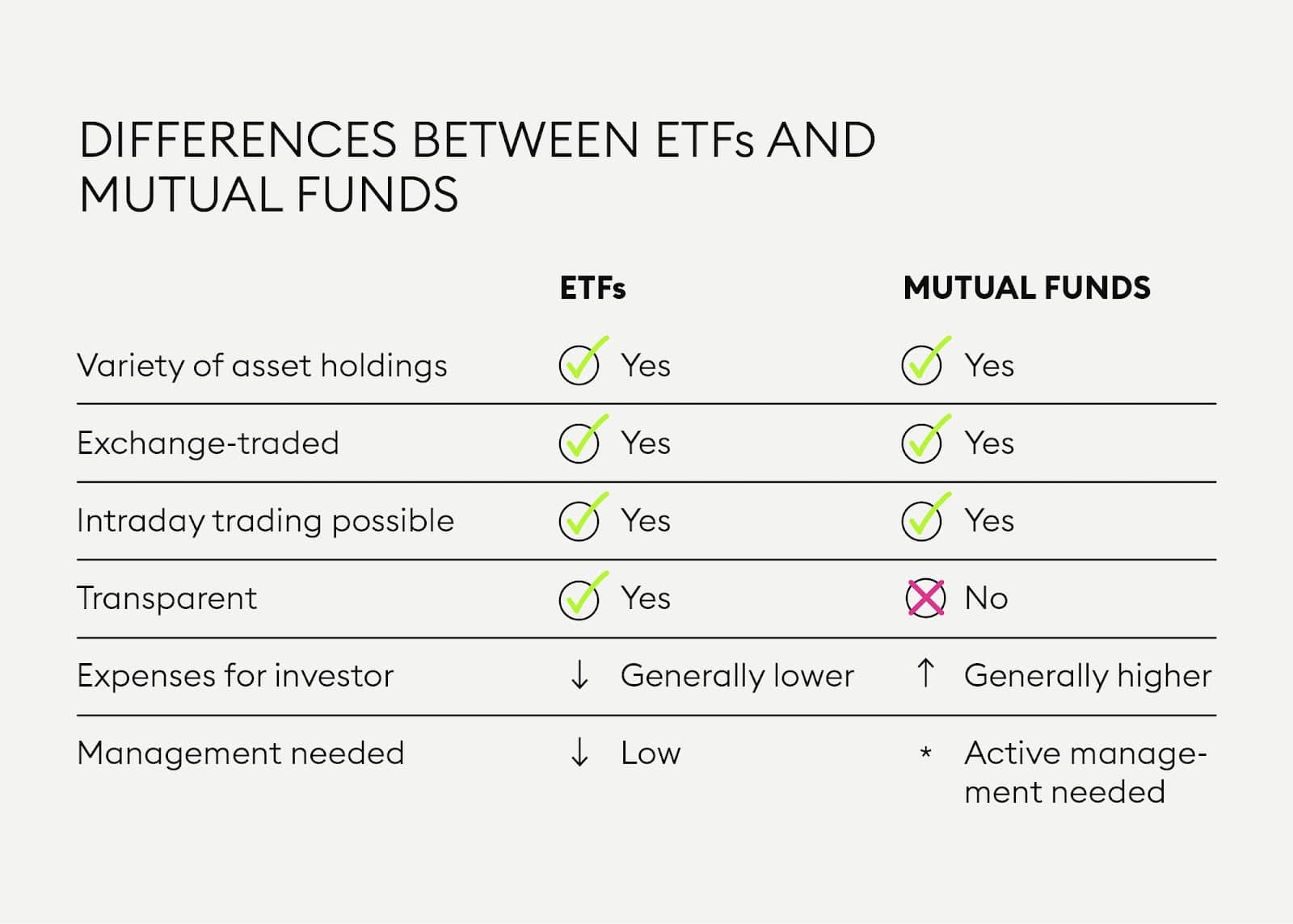
Check the fund's Expense Ratio. A 5-star fund that carries a high expense ratio may yield lower net returns for the investor than a 4-star fund with lower management fees. Fidelity offers both active and passive (index-based) funds; active managers often justify higher fees through their ability to outperform the market, but the burden of proof is on the historical net returns provided to the shareholder.
Finally, assess your personal Time Horizon. Star ratings are often most relevant to investors with a medium-to-long-term perspective. If you are investing for a short-term goal (less than three years), the historical volatility captured by these ratings is significantly more dangerous than for a long-term retirement investor.
Integrating 5-Star Funds into a Strategy
A professional approach to building a portfolio rarely involves buying only the highest-rated funds. Instead, use these ratings as a screening tool to narrow down options within a specific asset class. For example, if you determine your portfolio needs more exposure to international developed markets, you might filter for Fidelity funds in that category and then examine the 4-star and 5-star options.
Once you have a list of potential candidates, look at the underlying "Alpha"—a measure of the manager’s ability to generate returns beyond the market benchmark. Compare the alpha of the 5-star fund against lower-rated alternatives. If the alpha is similar, the lower-rated, lower-cost fund might be the more efficient choice for your long-term wealth accumulation.
Frequently Asked Questions
Does a 5-star rating mean the fund is safe? No. A 5-star rating only indicates high risk-adjusted performance relative to a peer group. It does not measure the absolute safety of the principal. All mutual funds carry market risk, and the value of your investment can decline regardless of the fund's rating.
How often do Fidelity funds lose their 5-star status? Ratings are updated monthly. It is common for funds to fluctuate between 3, 4, and 5 stars as their recent three-year performance rolls forward and older, potentially less favorable performance drops out of the calculation.
Should I sell a fund if it drops from 5 stars to 4 stars? Generally, no. A change in rating is often a result of minor performance fluctuations or a change in the peer group composition. If the fund’s investment objective still aligns with your goals and the management team remains stable, the rating change may not warrant a trade.
Why are some Fidelity index funds rated lower than active funds? Index funds are designed to track a benchmark rather than outperform it. Because they will never "beat" the market by a significant margin after accounting for fees, they may rarely receive a 5-star rating, even if they are excellent, low-cost options for long-term investors.
Do 5-star funds have higher fees? Not necessarily. While some actively managed 5-star funds have higher expense ratios to cover the cost of research and management, Fidelity also offers low-cost, high-performing funds that achieve strong ratings through efficient management and low operational overhead.
Next Actions for the Investor
The most effective way to utilize these ratings is to adopt a "verify then trust" approach. In 2026, take the following steps:
- Log into your brokerage portal and review the "Performance" tab for any fund you are considering.
- Filter your search by your target asset class (e.g., "Large Cap Growth") rather than searching for "5-star funds" in isolation.
- Compare the fund’s performance against its specific benchmark index over 3, 5, and 10-year periods.
- Confirm that the fund’s expense ratio is competitive within its category.
- If you are uncertain about the fund’s fit, consider consulting with a qualified financial advisor who can analyze your specific risk tolerance and tax situation.
Disclaimer: This information is for educational purposes only and does not constitute financial, legal, or investment advice. Investing in mutual funds involves risk, including the loss of principal. Please consult with a professional financial advisor before making any investment decisions based on performance ratings.
Image Gallery