Exploring the Isolation: What Makes Chappaquiddick Island Unique in 2026
Chappaquiddick Island is unique for its profound sense of isolation, maintained by a legendary three-car ferry and a total lack of commercial development. Unlike the bustling towns of Martha’s Vineyard, "Chappy" offers a rare landscape...
Chappaquiddick Island is unique for its profound sense of isolation, maintained by a legendary three-car ferry and a total lack of commercial development. Unlike the bustling towns of Martha’s Vineyard, "Chappy" offers a rare landscape of shifting barrier beaches, sand roads, and a lifestyle dictated entirely by nature's cycles and the tides.
Contents
Separated from the bustling streets of Edgartown by a mere 527 feet of water, Chappaquiddick Island (often simply called "Chappy") exists as a world apart. In 2026, as much of the Massachusetts coast faces increasing modernization and tourism pressure, Chappaquiddick remains an anomaly—a place where the 21st century feels like a distant suggestion. Its uniqueness is not found in a single monument, but in a combination of geological volatility, restrictive access, and a community commitment to preservation that has successfully frozen the island in a more pastoral era.
The "Sometimes Island": A Study in Coastal Geomorphology
One of the most distinct physical characteristics of Chappaquiddick is its identity crisis as a landmass. While colloquially called an island, it is technically a peninsula of Martha’s Vineyard for significant portions of its history. This status is determined by Norton Point Beach, a narrow barrier beach that periodically connects the two landmasses.
The Breach Cycles
The geography of Chappaquiddick is defined by "breaches." Every few decades, high-intensity storms or natural erosion patterns create a gap in Norton Point, allowing the Atlantic Ocean to rush into Katama Bay. When this happens, Chappaquiddick becomes a true island, accessible only by boat. When the breach closes through natural longshore drift—a process that can take years or even decades—Chappy becomes a peninsula again, allowing adventurous residents to drive four-wheel-drive vehicles across the sand from the mainland.
As of 2026, the management of this shifting landscape remains a primary concern for local geologists and the Trustees of Reservations. The constant movement of the shoreline means that maps of Chappaquiddick are essentially temporary. This geological volatility prevents permanent infrastructure from being built on the southern edge, preserving a wild, rugged coastline that looks much as it did centuries ago.
The "On Time" Ferry: A Threshold of Pace
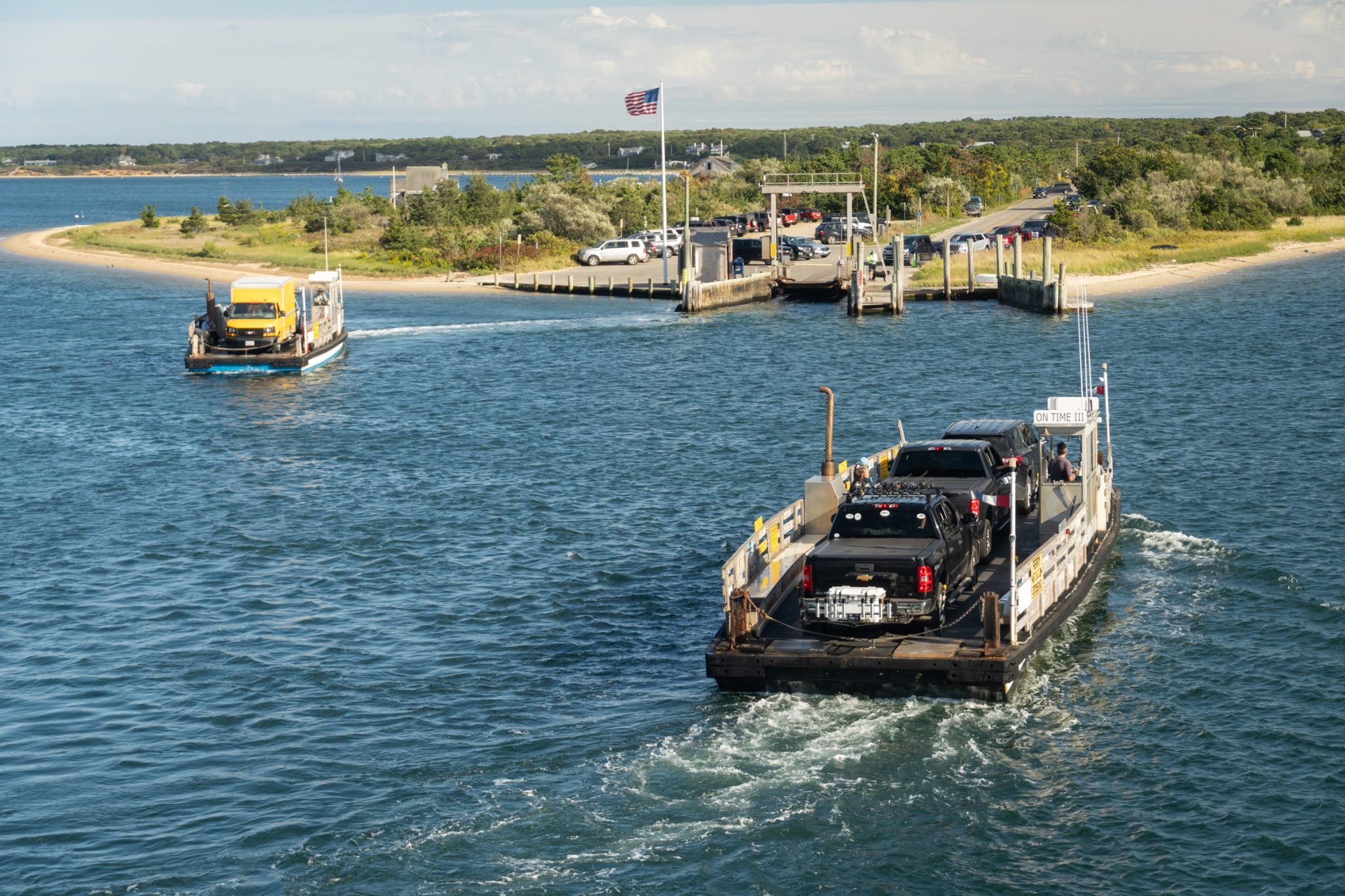
Nothing defines the Chappaquiddick experience more than the Chappy Ferry. This service is unique not just for its size, but for its role as a cultural filter. The ferry consists of two small vessels, the On Time II and the On Time III, which carry a maximum of three cars at a time (or two larger SUVs) across the narrow channel.
The Logistics of Limitation
The ferry does not run on a published schedule. Instead, it shuttles back and forth continuously based on demand. The name "On Time" is a local joke; because there is no schedule, the ferry can never be late.
For visitors and residents, this creates a physical bottleneck that dictates the island's population density. On a busy summer afternoon in 2026, the wait for a car to cross back to Edgartown can stretch to over an hour. This logistical "hassle" is precisely what makes Chappy unique: it discourages casual day-trippers and limits the volume of traffic, ensuring the island's interior remains quiet even during the peak of the Cape and Islands tourist season.
A Landscape Without Commercial Footprints
In an era where destination islands are often defined by their luxury boutiques and high-end dining, Chappaquiddick stands out for its lack of commerce. There are no hotels, no restaurants, no gas stations, and no paved town centers on the island.
The Chappy Store
The only semblance of commercial activity is the Chappaquiddick Community Center and, historically, a singular small general store that operates seasonally. For almost every necessity—from groceries and fuel to medical services—residents must cross the water to Edgartown.
This absence of shops creates a unique social fabric. Life on Chappy revolves around private gatherings, beach outings, and community events at the center. The "Unique Selling Point" of the island is, paradoxically, the inability to buy anything. This forces a self-reliance and a focus on the natural environment that is increasingly hard to find in the Northeastern United States.
Conservation as a Core Identity
A significant portion of Chappaquiddick is protected land, managed largely by the Trustees of Reservations and the Sheriff’s Meadow Foundation. This high ratio of conserved land to private property ensures that the island’s interior remains a sanctuary for native flora and fauna.
Cape Poge Wildlife Refuge
The Cape Poge Wildlife Refuge encompasses the northeastern elbow of the island. It is a massive expanse of salt marshes, coastal ponds, and cedars. It is unique for its:
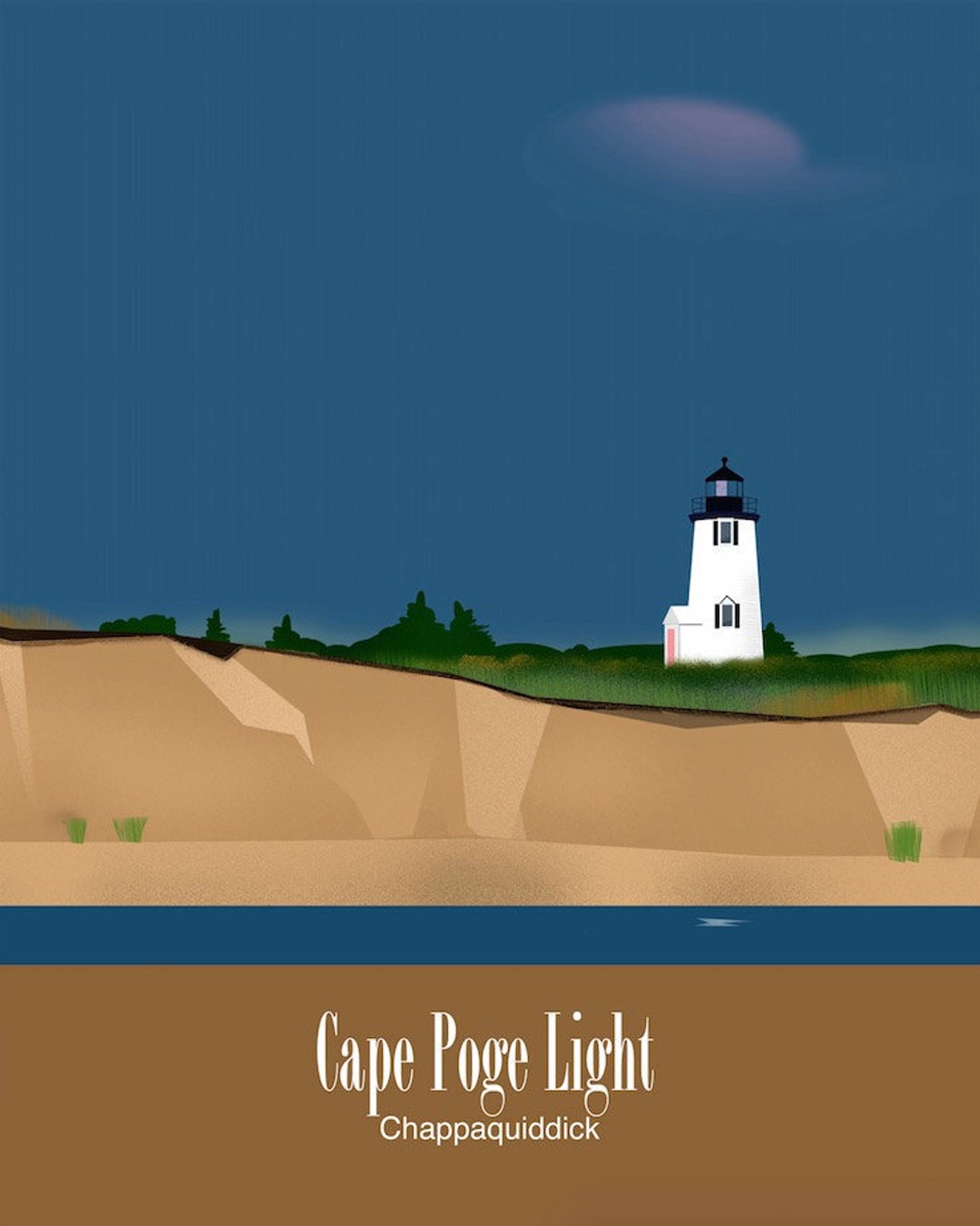
- Century-Old Lighthouse: The Cape Poge Light, which has been moved multiple times to escape the eroding cliffs.
- Piping Plover Habitats: Strict federal and state protections for these nesting birds often limit beach access during the summer, a testament to the island's priority of ecology over recreation.
- Solitude: It is one of the few places in Massachusetts where one can stand on a beach and see no signs of human habitation in any direction.
Mytoi Gardens
Tucked away in the center of the island is Mytoi, a small but exquisite Japanese-inspired garden. What makes Mytoi unique is the juxtaposition of traditional Japanese aesthetic—complete with a pond, bridge, and meticulously pruned maples—within the rugged, salt-sprayed environment of a New England island. It serves as a quiet meditative space that contrasts sharply with the wild Atlantic surf just a few miles away.
Navigating the Sand Roads
Once you leave the small paved area near the ferry landing, the majority of Chappaquiddick’s "roads" are made of sand. These are not just unpaved driveways; they are an intricate network of "washboard" tracks that wind through the woods.
Driving on Chappy is a technical skill. Residents often air down their tires to handle the deep, soft sand of the "over-sand vehicle" (OSV) trails. This lack of pavement serves a dual purpose: it acts as a natural drainage system for the island’s sensitive water table and provides a physical barrier to speed. You simply cannot drive fast on Chappaquiddick, which reinforces the slow, intentional pace of life that defines the island’s culture in 2026.
Comparison: Chappaquiddick vs. Mainland Martha's Vineyard
To understand what makes Chappy unique, it is helpful to compare it to the "mainland" of Martha's Vineyard (specifically the towns of Edgartown, Oak Bluffs, and Vineyard Haven).
| Feature | Mainland Martha's Vineyard | Chappaquiddick Island |
|---|---|---|
| Primary Access | Large Steamship Authority Ferries | 3-Car "On Time" Ferry |
| Road Surface | Primarily Paved | Primarily Sand/Dirt |
| Commercial Density | High (Shopping, Dining, Bars) | None (Residential/Nature only) |
| Night Sky Quality | Moderate (Some light pollution) | Excellent (Bortle Class 2/3) |
| Public Transit | VTA Bus System | None |
| Over-Sand Driving | Limited to specific beaches | Extensive trail network |
| Cellular/Internet | High-speed fiber/5G | Variable; focused on "unplugging" |
Historical Weight and Disambiguation
It is impossible to discuss the uniqueness of Chappaquiddick without acknowledging the "Chappaquiddick Incident" of 1969 involving Senator Edward M. Kennedy and Mary Jo Kopechne. While this event brought the island international notoriety, the residents have worked for decades to ensure that the island is defined by its conservation and community rather than a single historical tragedy.
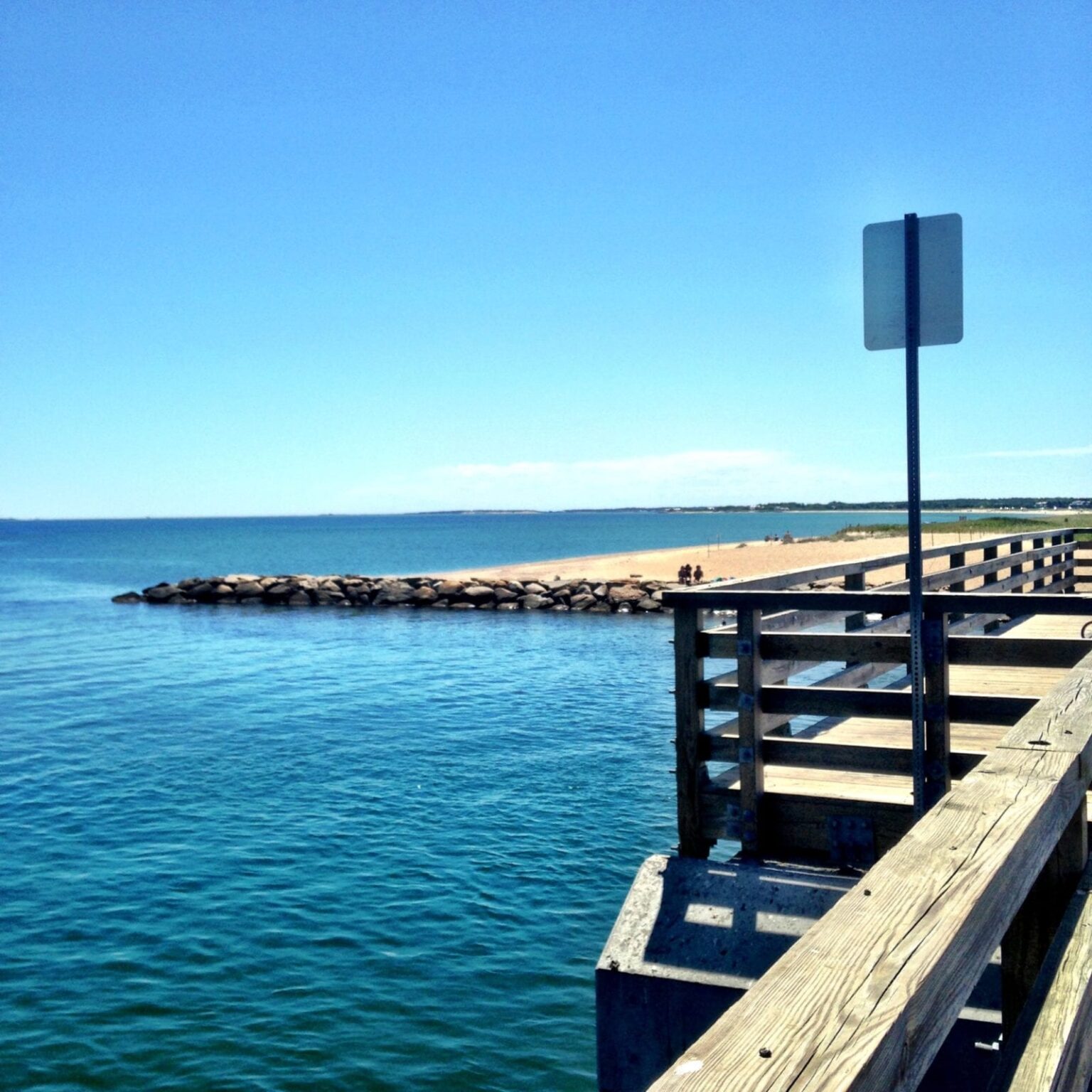
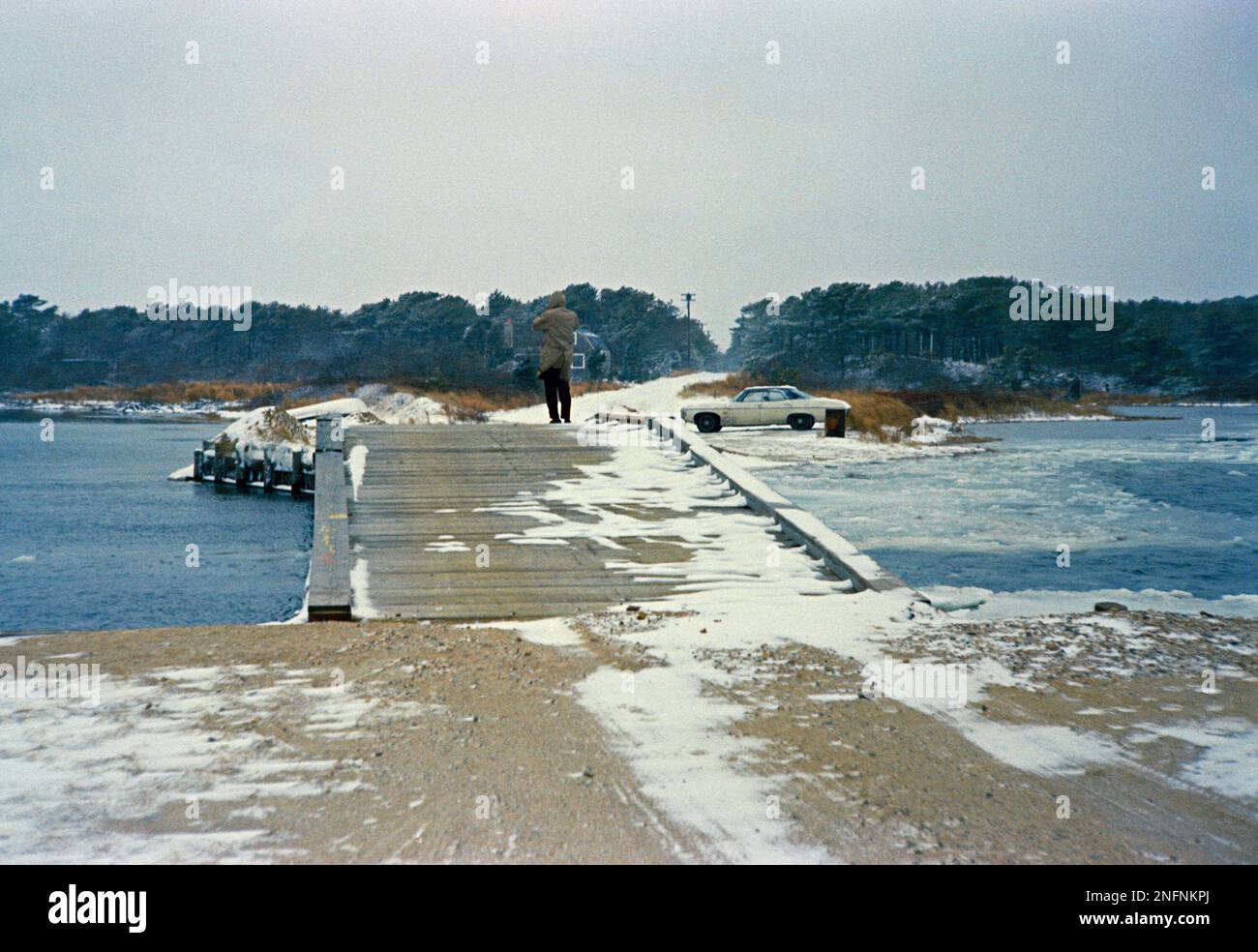
In 2026, the Dike Bridge—the site of the accident—has been replaced and rebuilt to modern safety standards, but it remains a site of quiet reflection. For the people who live here, the incident is a chapter of history, but the "uniqueness" of the island lies in its 400-year-old Wampanoag heritage and its continued status as a refuge for biodiversity.
Practical Considerations for 2026 Visitors
Visiting Chappaquiddick requires more preparation than a standard trip to the Vineyard. Because the island is a high-conservation zone, certain rules are strictly enforced to maintain its unique character.
- OSV Permits: If you plan to drive on the beaches of Cape Poge or Wasque, you must have a valid Over-Sand Vehicle permit from the Trustees of Reservations. These are limited in number and often require a safety inspection of your vehicle (including a tire pressure gauge, shovel, and tow rope).
- The "Pack In, Pack Out" Rule: There are no public trash cans on the beaches of Chappy. Everything you bring onto the island must be brought back off.
- Biking Logistics: Many people choose to leave their cars in Edgartown and take the ferry as foot passengers with bicycles. This is the most efficient way to see Mytoi and the central parts of the island without dealing with ferry lines.
- Tide Awareness: Many of the unique trails and "low-road" paths become impassable during high tide. Always consult a local tide chart before exploring the outer reaches of Wasque or Cape Poge.
Frequently Asked Questions
Is Chappaquiddick an island or a peninsula right now?
In 2026, the status depends on the most recent winter storm cycle. Generally, Chappaquiddick functions as an island because the ferry is the only reliable way to access the residential areas. While Norton Point may occasionally "close" to form a land bridge, these areas are often restricted to authorized four-wheel-drive vehicles only and are frequently breached by seasonal storms.
Can you buy food on Chappaquiddick?
There are no restaurants or full-service grocery stores. During the summer months, a small stand or community market may offer basic staples, but for 95% of their needs, residents and visitors must bring their supplies over from Edgartown.
How long is the ferry ride?
The actual water crossing takes about two minutes. However, the "ride" is defined by the wait in line, which can range from five minutes in the winter to over an hour during summer weekends.
Is the Dike Bridge open to cars?
Yes, the current Dike Bridge is a sturdy wooden structure that allows vehicles to access the Cape Poge Wildlife Refuge. It is a one-lane bridge, requiring drivers to yield to those already on the span.
Are there public restrooms on Chappy?
Public facilities are extremely limited. There are restrooms at the Chappaquiddick Community Center and portable toilets at some Trustees of Reservations properties like Mytoi and Wasque during the peak season.
Recommendation for Travelers and Residents
To truly experience what makes Chappaquiddick unique, one should visit during the "shoulder" seasons of late May or September. During these times, the ferry lines are shorter, the migratory birds are most active at Cape Poge, and the silence of the sand roads is most profound. Whether you are an angler looking for the legendary "rip" at Wasque or a naturalist seeking the isolation of the dunes, Chappy remains the final frontier of the Martha's Vineyard experience.
Image Gallery