Why You Should Consider Life Insurance in Your 20s
Securing life insurance in your 20s allows you to lock in lower premiums while you are generally at your healthiest, providing a cost-effective financial safety net early in your adult life. By obtaining coverage now, you mitigate the...
Securing life insurance in your 20s allows you to lock in lower premiums while you are generally at your healthiest, providing a cost-effective financial safety net early in your adult life. By obtaining coverage now, you mitigate the risk of future health issues increasing your costs and provide immediate financial protection for potential dependents or debt obligations.
Contents
The Financial Advantage of Early Enrollment
The primary driver for purchasing life insurance during your 20s is the mathematical relationship between age, health, and premium costs. Life insurance underwriters determine risk—and subsequently your premiums—based primarily on your age and health profile at the time of application. In your 20s, you are typically statistically less likely to suffer from chronic conditions such as high blood pressure, diabetes, or elevated cholesterol levels.
When you purchase a term life insurance policy in your 20s, the premium rate is typically locked in for the duration of the term (commonly 20 or 30 years). By starting at age 25, you could potentially secure a 30-year policy that keeps your costs flat until you are 55. If you wait until your 40s to apply, the same coverage amount could cost significantly more, not only because of age-related risk but because of the increased probability of developing medical conditions that trigger higher risk classifications.
Establishing Insurability for Your Future
Beyond current premiums, your health is not guaranteed. One of the most overlooked aspects of life insurance is the concept of insurability. If you wait to apply for coverage until you have a health diagnosis—such as a heart condition, autoimmune disorder, or even a specialized prescription history—your application may be denied, or you might be placed in a higher "rate class," which makes coverage prohibitively expensive.
By securing a policy in your 20s, you are essentially "locking in" your insurability. Even if you develop a health condition in your 30s or 40s, it will not affect the coverage you already have in place, provided you continue to pay your premiums. Some policies also include "future purchase options" or "guaranteed insurability riders," which allow you to increase your coverage amount at specific life milestones—such as marriage, the birth of a child, or buying a home—without needing to undergo a new medical exam.
Protecting Against Financial Liabilities
While many people in their 20s do not have spouses or children, they often carry financial burdens that could fall on parents or co-signers in the event of an untimely death. Key examples include:
- Co-signed Student Loans: Many private student loans require a parent or guardian to co-sign. If the primary borrower passes away, the co-signer often becomes 100% liable for the remaining balance. Life insurance provides the funds to pay off these debts, protecting your family members from financial ruin.
- Funeral and Final Expenses: The average cost of a funeral, burial, or cremation in 2026 can range from several thousand to over $15,000. Without a policy, these immediate out-of-pocket costs must be covered by your surviving family members.
- Existing Debt: Beyond student loans, many young adults carry auto loans or credit card debt. A modest life insurance policy ensures these debts do not linger as a burden for your estate or relatives.
Term vs. Permanent Insurance: Which Is Right for You?
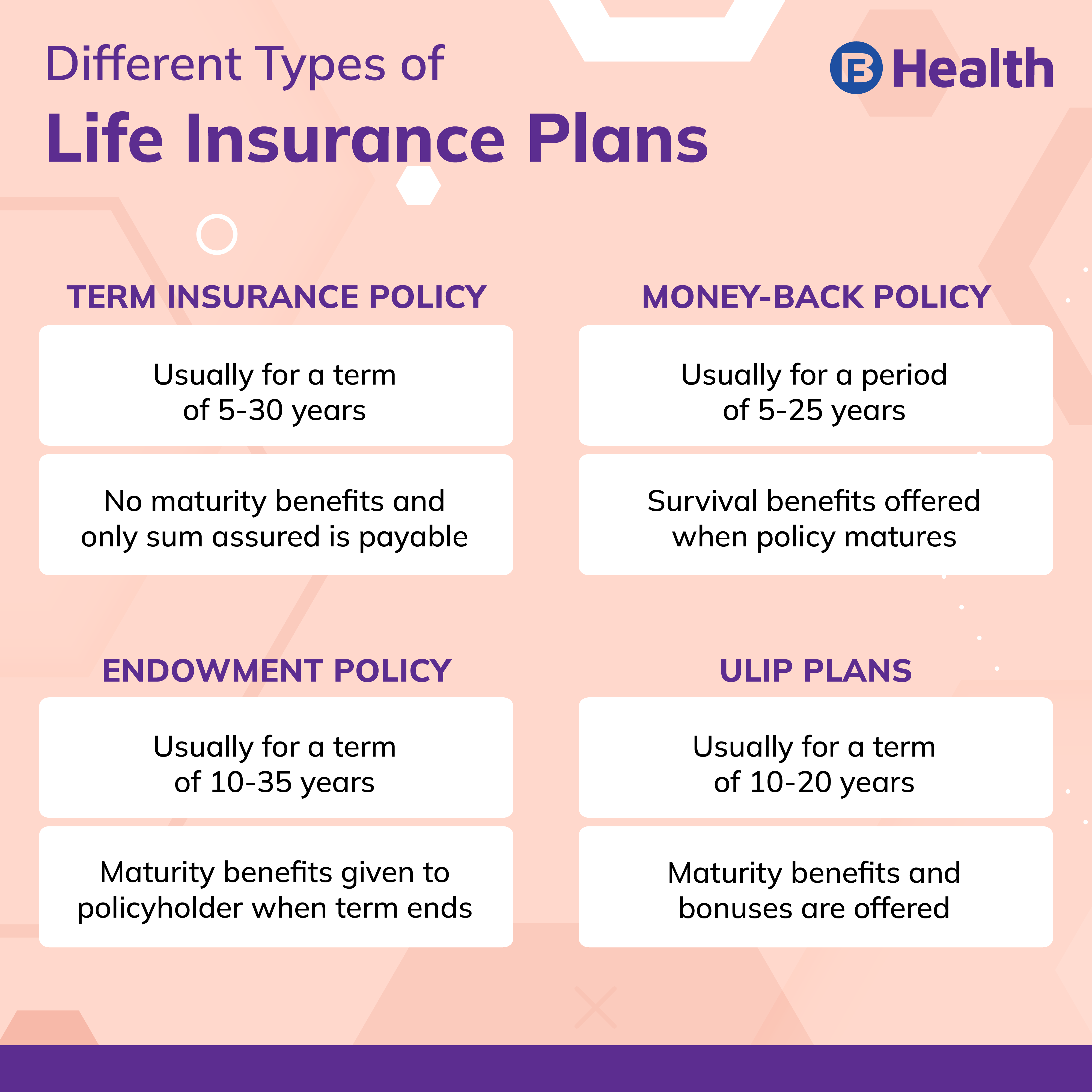
Understanding the types of life insurance is essential to making an informed decision. For most individuals in their 20s, term life insurance is the most practical and affordable choice.
| Feature | Term Life Insurance | Permanent Life Insurance (e.g., Whole) |
|---|---|---|
| Duration | Specific period (10–30 years) | Lifetime (as long as premiums are paid) |
| Cost | Low (initial premiums are very budget-friendly) | High (significantly more expensive) |
| Cash Value | None | Accumulates tax-deferred cash value |
| Primary Goal | Income replacement and debt protection | Estate planning and legacy building |
Term life insurance is designed to provide maximum coverage for the years when your financial responsibilities—like a mortgage or raising children—are highest. Permanent life insurance, while providing a cash-value component that grows over time, is rarely cost-effective for young adults unless they are utilizing it for sophisticated estate planning or tax-advantaged wealth transfer strategies.
Addressing Common Misconceptions
A frequent barrier to entry for young adults is the belief that "my employer provides life insurance, so I don't need my own." While employer-sponsored group life insurance is a valuable benefit, it is generally insufficient for three reasons:
- Limited Coverage: It is often capped at one or two times your salary, which rarely covers long-term financial obligations.
- Lack of Portability: If you leave your job, you usually lose that coverage. If you are between jobs or facing a health change, you may find yourself uninsured.
- No Customization: You cannot adjust the policy to match your specific debt levels or family requirements.
Practical Steps to Getting Insured
- Assess Your Need: Calculate your total debts (student loans, co-signed loans, credit cards) and any funeral expenses you would want covered.
- Determine the Term: If you are buying a home, consider a 30-year term to cover the mortgage duration. If you are looking to cover student loans, a 10- or 20-year term may suffice.
- Get Multiple Quotes: Rates vary significantly between insurers based on their internal risk tolerance and algorithms. Use independent brokers to compare options from several top-tier providers.
- Complete the Application: Be entirely honest about your health, smoking status, and family history. Discrepancies found during the medical underwriting process can lead to policy rescission or claims denial later.
- Review the Policy Yearly: As your life evolves, re-evaluate your coverage. If you get married or buy property, you may need to apply for additional coverage or update your beneficiaries.
Frequently Asked Questions
Does a medical exam always mean a physical test? Not always. Many insurers offer "no-medical-exam" policies for younger applicants with clean health records. However, traditional "fully underwritten" policies that include a brief medical exam usually result in lower premiums because the insurer has more data to assess your specific risk level.
Can I get life insurance if I have a pre-existing condition? Yes. Having a condition like asthma or controlled hypertension does not automatically disqualify you. However, you will likely pay higher premiums. It is still often cheaper to secure coverage now than to wait until a condition potentially worsens.
Who should be my beneficiary? You can name any individual or entity. In your 20s, it is common to name parents or siblings if they are responsible for your debt, or a domestic partner. Ensure you review and update this designation whenever your life circumstances change.
What happens if I stop paying my premiums? With term life insurance, if you stop paying your premiums, your policy will lapse, and you will lose all coverage. You will not get a refund of the premiums paid. This is why it is vital to choose a premium amount that is sustainable for your long-term budget.
Is it better to invest the money instead? While investing is essential, life insurance serves a different purpose: risk transfer. You are paying a premium to transfer the financial risk of your premature death to an insurance company. Investments grow over time, but they cannot replace a large death benefit immediately if you pass away shortly after starting an investment portfolio.
Next Action: Request Quotes
The most effective way to start is to contact a licensed, independent insurance broker who can compare plans across multiple carriers. Ask specifically for term life quotes based on your current age and a coverage amount that accounts for your total debt and final expenses. Securing this peace of mind in your 20s is one of the most proactive financial decisions you can make.
Image Gallery