Why Subway Is Switching to Pepsi: The Strategy Behind the 2025-2026 Transition
Subway is switching to PepsiCo as its exclusive beverage partner in the U.S. to streamline its supply chain and align with a broader brand transformation. The 10-year deal, which began its rollout in 2025, aims to provide a unified bev...
Subway is switching to PepsiCo as its exclusive beverage partner in the U.S. to streamline its supply chain and align with a broader brand transformation. The 10-year deal, which began its rollout in 2025, aims to provide a unified beverage and snack experience across nearly 20,000 locations by the end of 2026.
Contents
The transition from Coca-Cola to PepsiCo represents one of the most significant shifts in the fast-food landscape in recent years. For nearly two decades, Subway customers paired their sandwiches with Coca-Cola products. However, as of 2026, the "Eat Fresh" giant has fully integrated PepsiCo’s diverse portfolio into its domestic operations. This change is not merely a swap of soda fountains; it is a calculated business move involving corporate acquisitions, supply chain logistics, and consumer marketing strategies.
The Strategic Shift: From Coca-Cola to PepsiCo
The announcement of the 10-year agreement in March 2024 sent shockwaves through the beverage industry. Subway, which operates more locations than any other restaurant chain in the United States, had been a stronghold for Coca-Cola since 2003. The decision to pivot to PepsiCo was driven by a multi-year effort to modernize the brand and maximize profitability for franchisees.
As we look at the landscape in 2026, the transition is largely complete. Most customers entering a Subway today will notice the absence of Sprite and Coke, replaced by Starry and Pepsi. This shift aligns Subway with several other major fast-food players that have long-standing relationships with PepsiCo, creating a more competitive environment for pouring rights in the Quick Service Restaurant (QSR) sector.
Understanding the Timeline: When Will the Change Be Complete?
The migration from one beverage giant to another is a massive logistical undertaking. It involves removing thousands of pieces of equipment, including fountain dispensers, CO2 tanks, and refrigerated reach-in coolers, and replacing them with PepsiCo-branded hardware.
Subway’s rollout followed a phased approach:
- January 2025: The first wave of corporate-owned and high-volume franchise locations began the installation of PepsiCo equipment.
- Mid-2025: Regional distribution centers transitioned their inventory from Coca-Cola syrups to PepsiCo Bag-in-Box (BIB) solutions.
- Early 2026: The final phase of the rollout focused on rural and independent franchise locations, ensuring that the entire U.S. footprint operates under the same beverage contract.
By the end of 2026, the transition is expected to be 100% complete across all 50 states. This timeline allowed the company to minimize service disruptions and ensure that technicians were available to calibrate the new fountain systems for optimal flavor profiles.
Why the Switch? Analyzing the Business Motivation
Several factors influenced Subway’s decision to end its 20-year partnership with Coca-Cola. While flavor preference is subjective, the business logic behind the move is grounded in data and corporate synergy.
Partnership Synergy and Roark Capital
In early 2024, the private equity firm Roark Capital completed its acquisition of Subway. Roark Capital also owns Inspire Brands, which manages a portfolio including Arby’s, Buffalo Wild Wings, Dunkin', and Jimmy John’s. Many of these brands already have established relationships with PepsiCo. By moving Subway to the PepsiCo ecosystem, the parent organization can leverage massive purchasing power, negotiating better rates for equipment, maintenance, and raw materials across its entire portfolio.
The "Power of One" Strategy
One of the most compelling reasons for the switch is the existing relationship between Subway and Frito-Lay, a subsidiary of PepsiCo. Subway has served Frito-Lay chips for decades. By switching the beverage contract to PepsiCo, Subway consolidated its snack and drink supply chain under a single provider. This "Power of One" strategy simplifies invoicing, delivery logistics, and marketing promotions. It is far more efficient for a single truck to deliver both the chips and the soda syrup than to coordinate with multiple vendors.
Enhanced Marketing and Digital Integration
PepsiCo offered Subway a more integrated digital marketing package. In an era where mobile apps and loyalty programs drive sales, PepsiCo’s ability to bundle beverage discounts with "Subway Series" sandwiches has proven to be a significant advantage. The 10-year deal includes provisions for co-branded marketing campaigns that target younger demographics through sports and entertainment partnerships, areas where PepsiCo traditionally invests heavily.
What This Means for Consumers: The New Menu
The switch brings a completely different lineup of beverages to the fountain. While some replacements are straightforward (Coke for Pepsi), others introduce new flavor profiles to the Subway experience.
| Old Beverage (Coca-Cola) | New Beverage (PepsiCo) | Category |
|---|---|---|
| Coca-Cola / Diet Coke | Pepsi / Diet Pepsi | Core Cola |
| Sprite | Starry | Lemon-Lime Soda |
| Dasani | Aquafina | Purified Water |
| Vitaminwater | Gatorade / Propel | Enhanced Water/Sports Drink |
| Minute Maid Lemonade | Tropicana Lemonade | Fruit Beverage |
| Gold Peak Tea | Lipton / Pure Leaf | Iced Tea |
| Barq’s Root Beer | Mug Root Beer | Root Beer |
| Fanta Orange | Crush Orange | Orange Soda |
The inclusion of Mountain Dew is perhaps the most significant addition for many consumers. Mountain Dew has a loyal following that Coca-Cola’s Mello Yello struggled to match in the QSR space. In 2026, Subway stores have reported that the presence of Mountain Dew and its various flavors (like Baja Blast in select regions) has been a strong driver for beverage attachment rates.
The Impact on Franchisees and Operations
For the individual store owner, the switch to PepsiCo was a significant operational hurdle that promised long-term rewards.
- Equipment Upgrades: As part of the new agreement, many franchisees received upgraded fountain equipment. Modern PepsiCo dispensers often feature more precise carbonation controls and touch-screen interfaces that improve the customer experience.
- Contractual Incentives: Large-scale beverage contracts typically include "signing bonuses" or marketing funds provided by the beverage company to the restaurant chain. These funds help offset the costs of the transition and can be used to subsidize local advertising.
- Maintenance Standardization: By aligning with PepsiCo, Subway franchisees benefit from a standardized maintenance network. Since PepsiCo already services the Frito-Lay displays in-store, having the same company handle the beverage dispensers streamlines the process for technical support and repairs.
Comparative Analysis: Pepsi vs. Coke in the Fast-Food Landscape
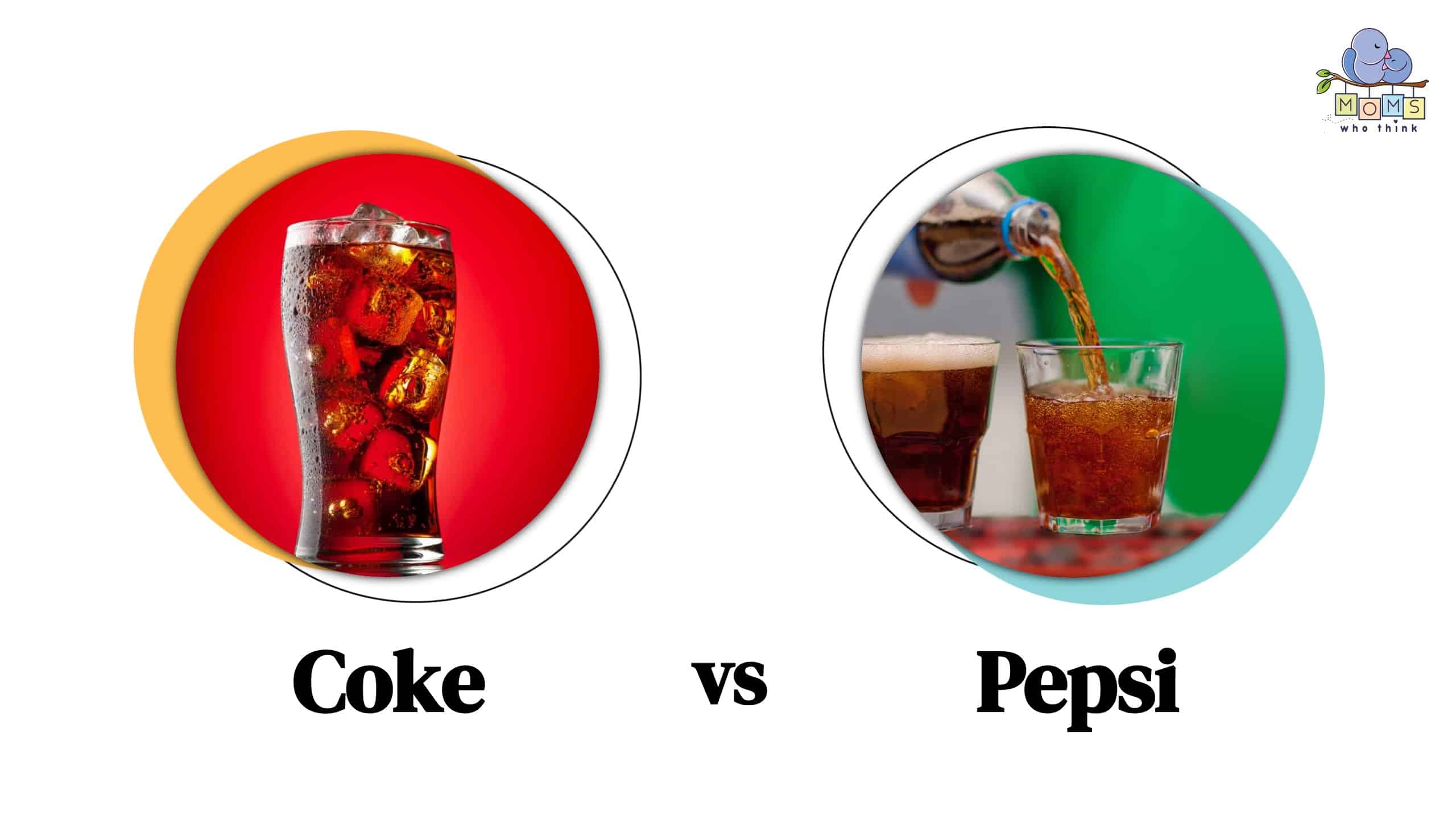
The "Soda Wars" have seen frequent shifts, but Subway’s move is the largest single defection in recent history. Traditionally, Coca-Cola has dominated the QSR market, maintaining exclusive deals with giants like McDonald’s, Burger King, and Wendy’s.
However, PepsiCo has carved out a massive niche by focusing on "lifestyle brands" and food-beverage pairings. By securing Subway, PepsiCo now powers the three largest sandwich-focused chains in the U.S.: Subway, Jimmy John’s, and Jersey Mike’s (which also transitioned to Pepsi in recent years). This consolidation suggests that the sandwich segment of the industry finds more value in the PepsiCo/Frito-Lay combined supply chain than in the standalone beverage strength of Coca-Cola.
Troubleshooting and Local Availability
In mid-2026, some customers might still find variations in local availability. While the national mandate is in effect, individual franchise agreements and remaining stock can lead to temporary discrepancies.
Why haven't all stores switched yet?
While the vast majority of the 20,000+ locations have completed the transition, a small percentage may be delayed due to local lease restrictions or specific equipment backlogs. In some shopping malls or airports, the venue itself may have an exclusive contract with one beverage provider that supersedes the individual brand's choice.
What happened to specific local favorites?
In certain regions, Subway formerly carried local Coca-Cola products like Pibb Xtra or regional tea brands. Most of these have been phased out in favor of the national PepsiCo lineup (Dr. Pepper often remains as it is frequently bottled by both companies depending on the territory).
Future Outlook: Subway’s "Eat Fresh" Evolution
The switch to PepsiCo is a cornerstone of what corporate leadership calls the "Subway Transformation Journey." Following the introduction of freshly sliced meats in 2023 and the complete menu overhaul of the "Subway Series," the beverage transition is the final piece of the puzzle in modernizing the brand’s identity.
By 2026, the partnership has already begun to bear fruit in the form of exclusive "Subway-only" beverage flavors and bundled "Meal Deal" promotions that were not possible under the previous dual-vendor system. As the brand continues to stabilize under Roark Capital’s ownership, the integration with PepsiCo’s global supply chain provides a level of financial predictability that is essential for the chain's long-term health.
Frequently Asked Questions
1. Is the switch to Pepsi happening at Subway locations worldwide? Currently, the exclusive 10-year agreement specifically covers Subway restaurants in the United States. International locations operate under different regional contracts, though many are expected to review their partnerships as existing agreements expire to mirror the U.S. strategy.
2. Why did Subway choose Pepsi over Coca-Cola after 20 years? The primary reasons were supply chain consolidation and corporate synergy. By partnering with PepsiCo, Subway could align its beverage offerings with its existing Frito-Lay snack partnership. Additionally, the acquisition of Subway by Roark Capital brought the brand into an ecosystem where PepsiCo is a preferred partner.
3. Will the price of drinks change because of the switch? While the cost of syrup and equipment is negotiated at the corporate level, individual franchisees set their own menu prices. However, the efficiencies gained from a consolidated supply chain are intended to help franchisees maintain stable pricing despite inflationary pressures on ingredients.
4. Can I still get Dr. Pepper at Subway? In most cases, yes. Dr. Pepper is an independent brand (Keurig Dr Pepper) that is often distributed by either Coca-Cola or PepsiCo depending on the local bottling territory. Most Subway locations will continue to offer Dr. Pepper as part of their fountain selection regardless of the primary beverage partner.
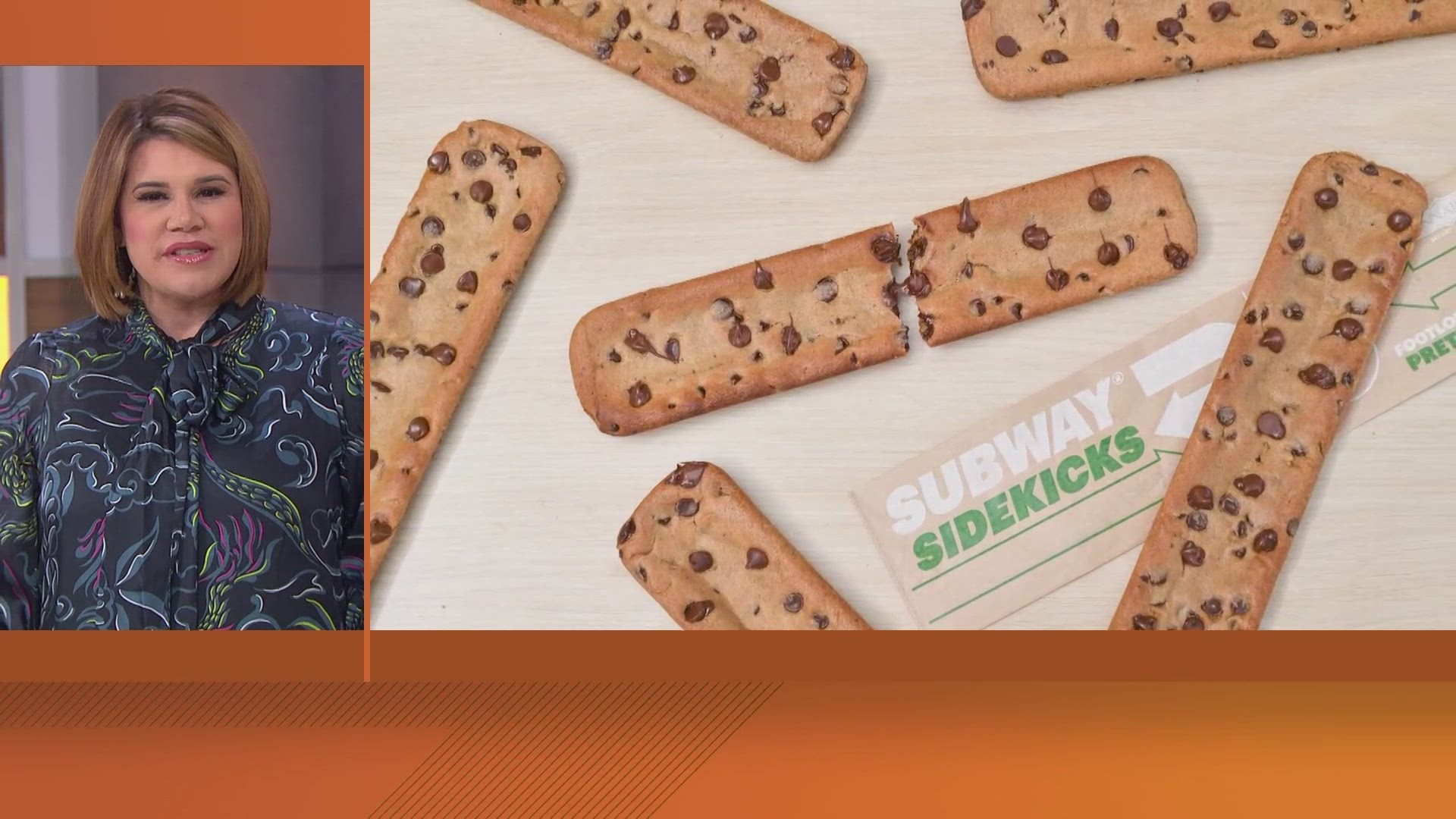
5. Does the switch affect the cookies or other snacks? No. The switch is limited to beverages. The snacks (chips) were already provided by Frito-Lay (a PepsiCo company), and the cookies are produced through a different proprietary supply chain that remains unchanged by the beverage deal.
Practical Recommendation for Customers
If you are a loyal fan of a specific Coca-Cola product, such as Diet Coke or Sprite, you may want to check the Subway mobile app before visiting your local store in 2026. The app is updated in real-time to reflect the current beverage inventory of each specific location, ensuring you know exactly which PepsiCo alternatives are available for your next meal.
Image Gallery