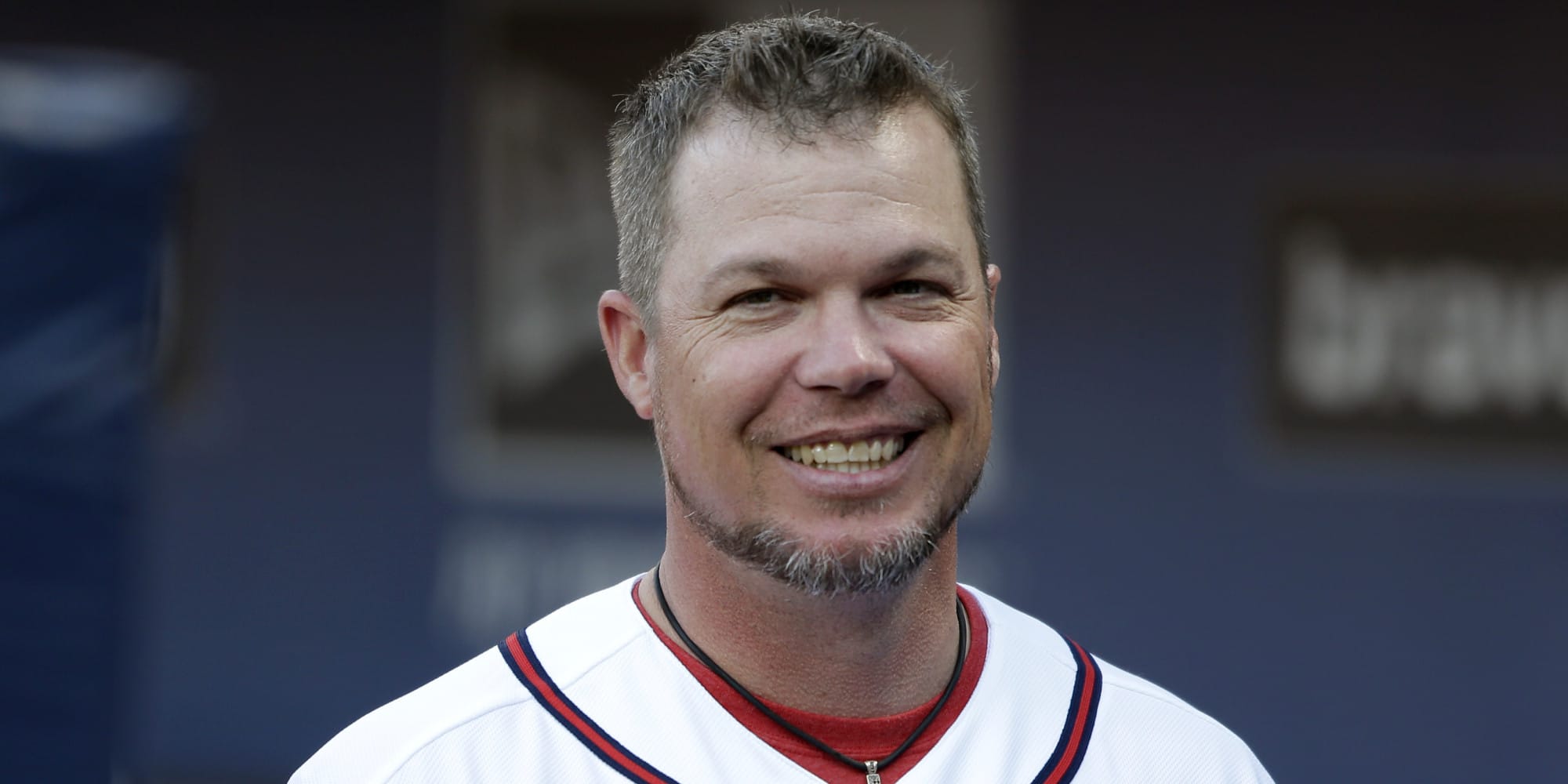
Chipper Jones Net Worth Overview 2026: Career Earnings and Financial Legacy
As of 2026, Chipper Jones’s net worth is estimated to be approximately $130 million. This wealth is the result of a legendary 19-year career with the Atlanta Braves, where he earned over $168 million in salary alone, supplemented by lo...
As of 2026, Chipper Jones’s net worth is estimated to be approximately $130 million. This wealth is the result of a legendary 19-year career with the Atlanta Braves, where he earned over $168 million in salary alone, supplemented by long-term endorsements, successful outdoor media ventures, and strategic real estate investments.
Contents
Larry Wayne "Chipper" Jones Jr. remains one of the most financially successful figures in Major League Baseball (MLB) history. Unlike many of his contemporaries who moved between franchises to maximize short-term gains, Jones’s financial narrative is defined by a rare loyalty to a single organization—the Atlanta Braves. This loyalty not only cemented his legacy as a first-ballot Hall of Famer but also created a stable, appreciating brand that has continued to generate revenue well into his retirement. In 2026, his portfolio reflects a transition from an active athlete to a diversified businessman and sports consultant.
The Foundation of Wealth: MLB Career Earnings
The primary driver of Larry Chipper Jones’s net worth is his on-field performance during one of baseball's most lucrative eras. Jones was the first overall pick in the 1990 MLB Draft, a position that immediately established his market value. Over the course of his career, which spanned from 1993 to 2012, he signed several landmark contracts that set the standard for third basemen.
Jones’s career earnings are characterized by massive extensions rather than free-agent bidding wars. In 2000, he signed a six-year, $90 million extension, which was one of the largest deals in sports at the time. This was followed by subsequent restructures and extensions that kept him in Atlanta while ensuring he remained among the league’s highest earners.
Breakdown of Major Career Contracts
To understand the scale of his wealth, one must look at the progression of his professional contracts. The following table outlines the pivotal financial milestones of his active playing years.
| Contract Period | Contract Type | Total Value (Approx.) | Annual Average Salary |
|---|---|---|---|
| 1991 | Signing Bonus (Draft) | $275,000 | N/A |
| 1997–2000 | 4-Year Extension | $22,500,000 | $5,625,000 |
| 2001–2006 | 6-Year Extension | $90,000,000 | $15,000,000 |
| 2006–2008 | 3-Year Extension | $37,000,000 | $12,333,333 |
| 2009–2012 | 3-Year Extension | $42,000,000 | $14,000,000 |
| Total Career | 19 Seasons | $168,552,133 | $8,871,165 |
Note: Figures represent gross salary before taxes, agent fees (typically 3-5%), and clubhouse dues.
The consistency of these earnings is notable. Unlike players who suffer from "backloaded" contracts that are never fully realized due to injury or release, Jones played through the duration of his major deals. Furthermore, by staying in Georgia, he benefited from relatively favorable state income tax laws compared to players in California or New York, allowing him to retain a higher percentage of his net pay.
Endorsements and Brand Partnerships
While his salary provided the base, Chipper Jones’s endorsements added tens of millions to his total net worth. As the face of a franchise that had a massive regional and national following—thanks to TBS broadcasting Braves games nationally for decades—Jones was a highly sought-after spokesperson.
His most enduring partnership was with Mizuno. Jones used Mizuno gloves and cleats throughout his career, appearing in numerous national advertising campaigns. Even in 2026, his "Icon" status allows him to maintain relationships with sports equipment and apparel brands, particularly in the vintage and "legends" categories of marketing.
Beyond athletic gear, Jones leveraged his passion for the outdoors into lucrative sponsorships. He became a primary ambassador for brands like Oakley and various hunting gear manufacturers. These deals were often structured as multi-year partnerships that included both cash compensation and equity or performance-based incentives.
Post-Retirement Business Ventures: Major League Bowhunter
A significant portion of Chipper Jones’s net worth in 2026 is attributed to his success in the outdoor entertainment industry. Following his retirement from baseball, Jones co-founded Major League Bowhunter, a media brand and television show.
This venture was not a mere hobby; it was a calculated business move that tapped into a massive demographic of sports fans who also participate in hunting and conservation. The show, which has aired on networks like the Sportsman Channel, generates revenue through:
- Advertising and Sponsorships: High-value slots from archery and firearm manufacturers.
- Merchandising: A dedicated line of apparel and hunting accessories.
- Digital Content: Subscription-based apps and exclusive web content.
By diversifying into the outdoor industry, Jones protected his wealth against the volatility of the stock market. His brand as a "country boy" who worked hard and stayed loyal resonated with a different segment of the population, ensuring a steady stream of income that is independent of his baseball legacy.
Real Estate and Land Holdings
Real estate has historically been a safe haven for Jones's earnings. He has owned several high-value properties in Georgia and Florida, often buying large tracts of land for both personal use and investment.
One of his most publicized assets was the Double Diamond Ranch in Kansas, a massive property geared toward world-class hunting. Large land holdings like these tend to appreciate significantly over time, especially when managed for timber or conservation easements. In the Atlanta metropolitan area, Jones has owned various luxury estates, including a notable property in Roswell and later in the Blue Ridge mountains.
As of 2026, his real estate portfolio is estimated to be worth upwards of $20 million. These assets provide not only a high standard of living but also significant collateral and tax advantages through depreciation and land management programs.
The Hall of Fame Effect and Memorabilia
The financial impact of being a first-ballot Hall of Famer (inducted in 2018) cannot be overstated. Induction into Cooperstown serves as a permanent "value floor" for an athlete's brand. For Jones, this translates into high-demand autograph sessions and appearances.
In the 2026 memorabilia market, a certified Chipper Jones autographed jersey or bat remains a blue-chip investment for collectors. He reportedly earns between $500,000 and $1 million annually through private signing sessions and public appearances at card shows and corporate events. Furthermore, his ongoing role as a hitting consultant for the Atlanta Braves ensures he remains relevant to the current generation of fans, keeping his "rookie card" and memorabilia prices stable.
Personal Life and Wealth Management
It is important to note that net worth is not merely a tally of earnings; it is what remains after liabilities and expenses. Jones has navigated three marriages, which often involve significant legal and settlement costs. His first two divorces were public, and while the exact settlement figures are private, they likely represented a meaningful outflow of capital.
However, Jones’s long-term financial health has been bolstered by professional wealth management. By reinvesting his early 2000s earnings into diversified portfolios during periods of market growth, he has likely seen his initial capital grow significantly. His current lifestyle, while affluent, is focused on the outdoors and family, avoiding the "extravagant burn" that often depletes the fortunes of retired professional athletes.
Comparison with Peers
To put Chipper Jones’s $130 million net worth into perspective, it is useful to compare him with other legends of his era.
| Player | Estimated Net Worth (2026) | Primary Source of Wealth |
|---|---|---|
| Chipper Jones | $130 Million | MLB Salary, Outdoor Media, Real Estate |
| Derek Jeter | $200 Million | MLB Salary, Jordan Brand, Publishing |
| Alex Rodriguez | $350 Million | MLB Salary, A-Rod Corp (Real Estate/PE) |
| Greg Maddux | $75 Million | MLB Salary, Coaching |
While Jones may not reach the billionaire aspirations of Alex Rodriguez, his net worth is exceptionally high for a player who did not transition into large-scale private equity or major market ownership. He represents the pinnacle of the "Franchise Icon" financial model.
Frequently Asked Questions
What was Chipper Jones's highest annual salary?
Jones's highest single-season salary occurred in the early 2000s and again near 2010, peaking at approximately $16,061,802 in 2004. This was during the height of his six-year, $90 million contract extension.
Does Chipper Jones own a baseball team?
No, Chipper Jones does not own an MLB team. However, he has maintained a professional relationship with the Atlanta Braves organization, serving as a hitting consultant. While this is a paid position, it is more about legacy and contribution than a primary income source.
How much does he earn from Major League Bowhunter?
While exact figures are not public, successful outdoor shows on specialized networks can generate $1 million to $3 million annually in gross revenue through a combination of title sponsorships and product placements.
Did the 2018 Hall of Fame induction increase his net worth?
Yes, indirectly. Induction into the Hall of Fame typically increases a player’s appearance fees by 20% to 50% and permanently stabilizes the value of their autographed memorabilia. It also opens doors for more lucrative long-term "Legacy" brand partnerships.
Is Chipper Jones involved in any charities?
Yes, Jones has been involved with various charitable efforts, most notably the Chipper Jones Family Foundation. His philanthropic work often focuses on children's hospitals and youth baseball programs in the Atlanta area. While charitable giving reduces net worth in a literal sense, it often provides tax benefits and enhances the long-term value of the personal brand.
Practical Financial Takeaway
For those analyzing the financial trajectory of Larry Chipper Jones, the "next action" or lesson is the value of brand loyalty and niche diversification. By remaining with one team, Jones maximized his local marketability, and by pivoting into the hunting industry, he created a secondary income stream that does not rely on his physical ability to play sports. For investors and fans alike, Jones serves as a case study in how to transition a high-income athletic career into a multi-generational financial legacy.
Image Gallery