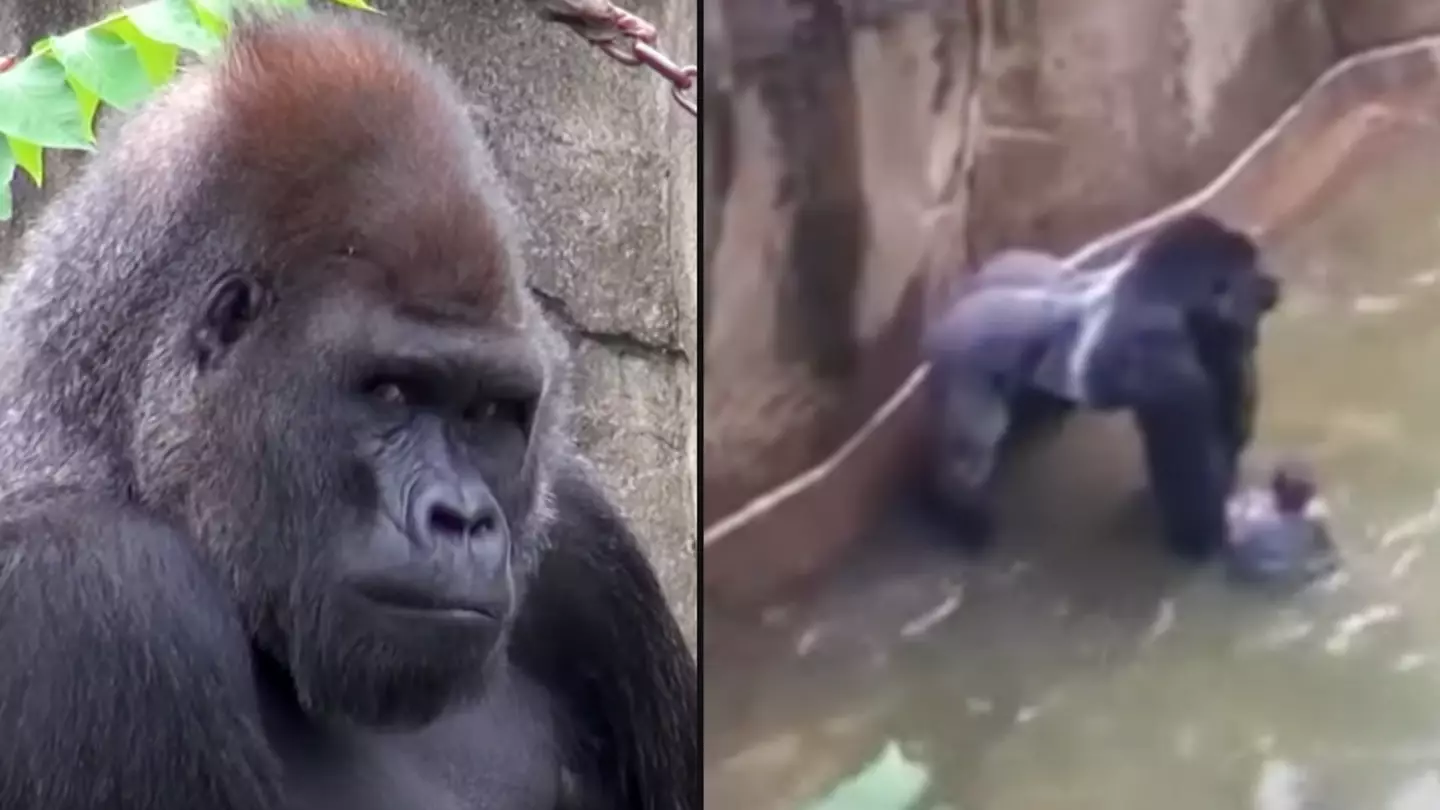
The Harambe Grave: Understanding the Final Resting Place and Cultural Legacy of the World’s Most Famous Gorilla
There is no public Harambe grave or physical burial site accessible to the general population. Following his death at the Cincinnati Zoo in 2016, Harambe's remains were handled according to standard zoological protocols, which emphasiz...
There is no public Harambe grave or physical burial site accessible to the general population. Following his death at the Cincinnati Zoo in 2016, Harambe's remains were handled according to standard zoological protocols, which emphasize scientific research and genetic preservation over public memorialization. While there are statues and digital tributes worldwide, his physical remains are not housed in a cemetery or public shrine.
Contents
The Reality of Post-Mortem Procedures for Zoo Animals
When a high-profile animal like Harambe—a Western Lowland Gorilla—passes away in a captive environment, the process for handling the remains is governed by strict scientific and institutional guidelines. Unlike domestic pets or humans, zoo animals are rarely buried in a traditional sense. There are several reasons for this, ranging from public health concerns to the ongoing mission of wildlife conservation.
The Necropsy Process
Immediately following the incident on May 28, 2016, Harambe’s body underwent a necropsy (an animal autopsy). This is a standard requirement for any animal that dies in an Association of Zoos and Aquariums (AZA) accredited facility. The goal of a necropsy is to document the animal’s overall health, verify the cause of death, and gather data that might help other members of the species in captivity. In Harambe's case, while the cause of death was known to be a gunshot, the examination was still necessary to ensure no underlying pathologies were present that could affect the rest of the troop.
Genetic Preservation and Science
One of the most significant aspects of Harambe's "afterlife" is the preservation of his genetic material. Shortly after his death, biologists at the Cincinnati Zoo’s Center for Conservation and Research of Endangered Wildlife (CREW) collected and froze his viable sperm. Because Western Lowland Gorillas are critically endangered, Harambe’s genetic lineage was considered a vital asset to the Species Survival Plan (SSP). By preserving his gametes, scientists ensured that his DNA could potentially contribute to the genetic diversity of future generations of gorillas, even decades after his death.
Why There is No Physical Grave for Harambe
The question of why a "Harambe Grave" does not exist often stems from the massive emotional connection the public felt toward the animal. However, zoos generally avoid creating physical burial sites for several logistical and safety reasons:
- Vandalism and Security: Given Harambe’s status as a global internet phenomenon, a physical grave would likely become a site of constant pilgrimage. This poses a security risk for the zoo and could lead to disrespectful behavior or the disturbance of other animals.
- Health Regulations: Large animal carcasses are difficult to bury within city limits or on zoo grounds due to environmental and health regulations. Most zoo animals are either cremated or their remains are donated to museums and universities for skeletal study.
- Institutional Focus: Zoos prioritize the living. While they acknowledge the loss of individual animals, the space and resources are dedicated to the care of the remaining troop and the education of the public, rather than the maintenance of a cemetery.
The Cincinnati Zoo has consistently redirected public grief toward conservation efforts. Instead of visiting a grave, the zoo encourages people to donate to the Gladstone Fund, which supports wild gorilla conservation in Africa.
The Evolution of Memorials: From Physical to Digital
Since there is no physical Harambe grave at the Cincinnati Zoo & Botanical Garden, the public has created its own landscape of memorialization. This transition from a physical site to a cultural "shrine" is a unique phenomenon of the digital age.
The 2021 Wall Street Statue
In October 2021, a 7-foot tall bronze statue of Harambe was briefly placed in Bowling Green Park, directly across from the Charging Bull statue in New York City's Financial District. While not a grave, this served as the most significant physical monument to Harambe. The organizers, a group associated with Sapien.Network, intended the statue to represent the "monumental" divide between the wealthy elite and the needs of the average person. Though temporary, it provided a focal point for public gathering that the Cincinnati Zoo could not provide.
The Digital Cemetery
In the decade since his passing, the "grave" of Harambe has effectively become the internet itself. Platforms like Twitter (X), Reddit, and YouTube serve as archives where his memory is preserved through memes, tribute videos, and discussions. This digital memorialization allows the public to interact with his legacy without the geographic constraints of a physical location.
Safety and Structural Changes at the Cincinnati Zoo
While Harambe’s body was not given a public grave, his death resulted in "living monuments"—structural changes intended to ensure no such tragedy would ever occur again. These changes serve as a more practical legacy than a headstone could provide.
Following the 2016 incident, the Cincinnati Zoo’s "Gorilla World" underwent significant renovations. The original barrier, which had stood for 38 years without a breach, was replaced with a new, more robust system.
| Feature | Pre-2016 Enclosure | Post-Incident Upgrades (2026 Status) |
|---|---|---|
| Barrier Height | 3 feet | 42 inches (3.5 feet) |
| Barrier Material | Wood and wire | Solid wood with knotted rope netting |
| Electronic Surveillance | Standard security | High-definition 24/7 monitoring systems |
| Human Access | Railing and bushes | Enhanced "non-climbable" mesh and reinforced foliage |
| Protocols | Standard ERP (Emergency Response) | Enhanced Dangerous Animal Response Team (DART) drills |
These physical changes represent the institutional "memory" of Harambe. Every visitor who stands behind the reinforced barrier at the Cincinnati Zoo today is interacting with a safety system designed specifically in response to his death.
The Cultural Impact: Why We Still Search for His Grave
The continued interest in a "Harambe grave" in 2026—ten years after his death—highlights a shift in how society views animals. Harambe was not just a gorilla; he became a symbol of various cultural anxieties, ranging from parenting critiques and zoo ethics to the power of viral media.
The Ethics of Captivity
Harambe’s death sparked a global conversation about the necessity of zoos. Many people searching for a grave are actually looking for a way to reconcile the guilt or sadness associated with the death of a healthy animal in human care. The absence of a grave often leaves a sense of "unresolved business" for the public, which contributes to his enduring presence in pop culture.
The Meme as a Memorial
The Harambe meme phenomenon is one of the most studied examples of internet culture. For many, humor was a coping mechanism for a distressing event. However, by 2026, the memes have largely stabilized into a form of historical shorthand. To "memorialize" Harambe online is to participate in a shared cultural history that transcends the traditional mourning process.
Frequently Asked Questions
Can you visit Harambe’s grave at the Cincinnati Zoo?
No, there is no grave at the zoo. The zoo does not have a public burial ground for any of its animals. Instead, there is a memorial plaque and various educational displays near the gorilla exhibit that honor the species as a whole.
Were Harambe’s remains cremated?
While the zoo does not typically release specific details on the final disposal of animal remains for privacy and security reasons, the standard procedure for large primates is either cremation or the donation of the skeleton to a research institution like the Smithsonian National Museum of Natural History.
Is there a Harambe statue I can visit?
The famous Wall Street statue was a temporary installation and is no longer in New York City. Various private owners and small-scale parks may have "tribute" statues, but there is currently no major, permanent public monument dedicated solely to Harambe.
What happened to the child who fell into the enclosure?
The child was rescued and treated for non-life-threatening injuries. Out of respect for the family’s privacy and because no criminal charges were filed, the identity of the child has been largely kept out of the public eye in recent years.
How does the zoo honor Harambe today?
In 2026, the Cincinnati Zoo honors Harambe’s legacy through its continued support of the Mbeli Bai Study, a long-term research project focused on wild Western Lowland Gorillas in the Republic of Congo. The zoo frames his loss as a catalyst for increased awareness of gorilla conservation.
Moving Forward: How to Truly Honor Harambe
If you are looking for the "Harambe grave" as a way to pay your respects, the most impactful action is to support the preservation of his species in the wild. The Western Lowland Gorilla remains critically endangered due to habitat loss, poaching, and disease.
Rather than searching for a physical burial site, consider these actions:
- Recycle Electronics: The mining of coltan for cell phones destroys gorilla habitats. Recycling your old devices directly protects wild gorilla populations.
- Support AZA-Accredited Zoos: These institutions lead the genetic research and conservation efforts that Harambe’s DNA is now a part of.
- Contribute to Wildlife Funds: Organizations like the World Wildlife Fund (WWF) or the Dian Fossey Gorilla Fund provide on-the-ground protection for gorillas in Africa.
Harambe’s "grave" may not be a plot of land in Ohio, but his legacy lives on in the improved safety of zoo enclosures, the genetic material held in cryopreservation, and the heightened global consciousness regarding the ethics of animal captivity.
Image Gallery