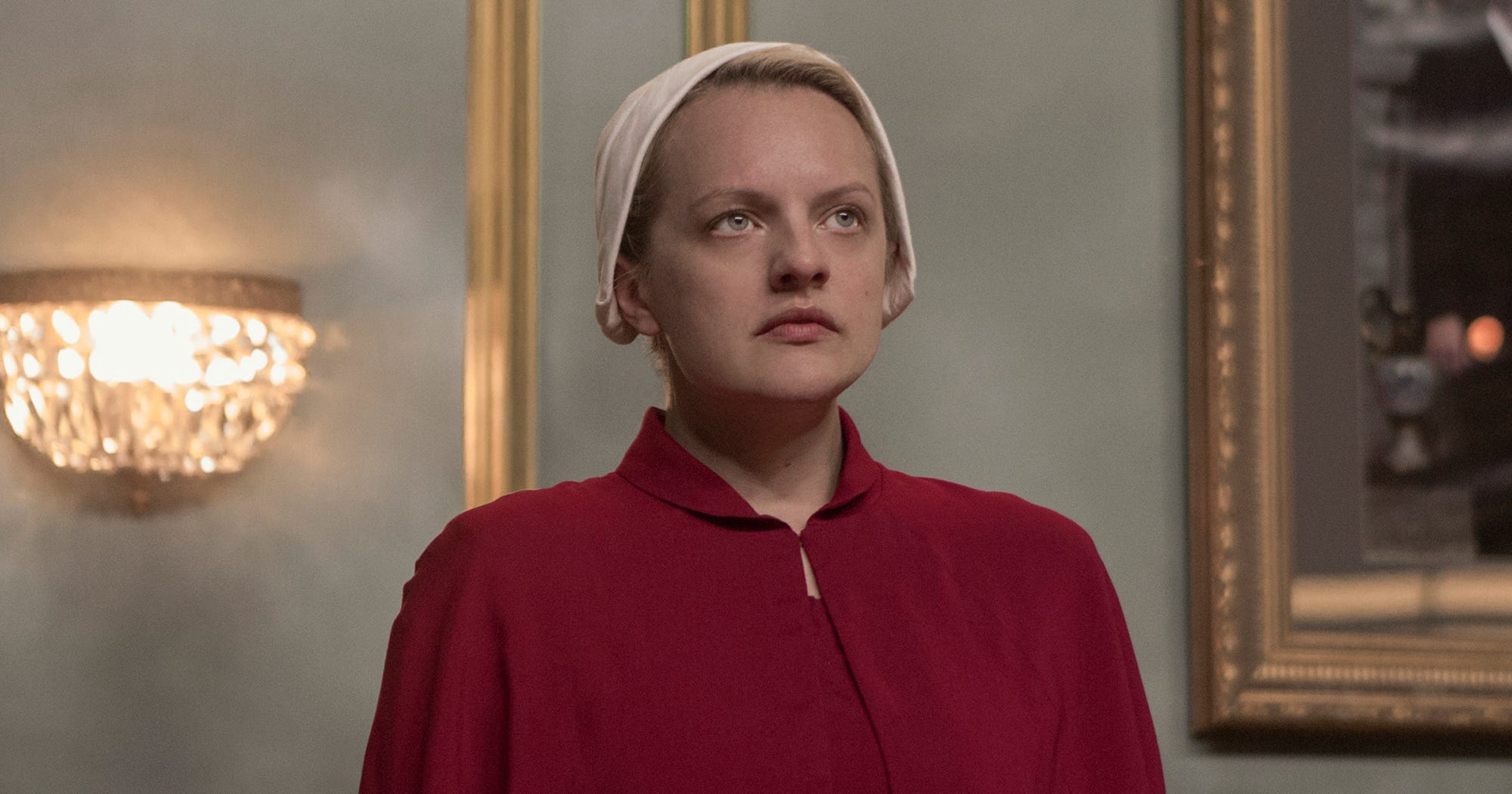
Who Plays Serena in The Handmaid’s Tale? Meet Yvonne Strahovski
The character of Serena Joy Waterford in the Hulu original series The Handmaid’s Tale is portrayed by the Australian actress Yvonne Strahovski. Since the show’s debut, Strahovski has received widespread critical acclaim for her nuanced...
The character of Serena Joy Waterford in the Hulu original series The Handmaid’s Tale is portrayed by the Australian actress Yvonne Strahovski. Since the show’s debut, Strahovski has received widespread critical acclaim for her nuanced and chilling performance as the architect of Gilead’s oppressive social structure and the primary foil to June Osborne.
Contents
As we look back from 2026, following the conclusion of the series' final season, Strahovski’s portrayal of Serena Joy remains one of the most discussed and complex television performances of the decade. Her ability to balance the character’s cruelty with moments of profound vulnerability redefined the "villain" archetype in prestige drama, earning her multiple award nominations and a permanent place in the pantheon of great TV antagonists.
The Definitive Answer: Yvonne Strahovski’s Journey to Gilead
Yvonne Strahovski was cast as Serena Joy Waterford in 2016, a role that required a significant departure from her previous work. While she was already a household name for fans of action and suspense, The Handmaid’s Tale allowed her to explore a much darker, more psychological depth.
Born Yvonne Jaqueline Strzechowski in Sydney, Australia, to Polish immigrant parents, Strahovski began her career in Australian television before making the leap to Hollywood. Her background in theater and her fluency in both English and Polish provided her with a disciplined approach to character study that became essential for the rigid, controlled environment of Gilead.
In the television adaptation, the creators made a conscious decision to make Serena Joy younger than she appeared in Margaret Atwood’s 1985 novel. In the book, Serena is an older woman, often described as having arthritis and using a cane. By casting the younger Strahovski, the show added a layer of competitive tension between Serena and June (Elisabeth Moss), making their shared desire for motherhood and their battle for power much more personal and visceral.
Yvonne Strahovski’s Career Before and After the Series
Before becoming the "Woman in Teal," Strahovski built a robust resume in diverse genres. Understanding her trajectory helps explain the technical skill she brought to the role of Serena.
The Chuck and Dexter Years
Strahovski first gained international fame as CIA Agent Sarah Walker in the NBC action-comedy series Chuck (2007–2012). This role required her to be a physical powerhouse and a romantic lead, demonstrating her versatility. Following Chuck, she took on the role of Hannah McKay in Dexter (2012–2013), playing a character who was both a love interest and a deadly threat. These roles established her ability to play "complicated" women—characters who were not easily categorized as purely good or purely evil.
Transitioning to Prestige Drama
By the time she joined the cast of The Handmaid’s Tale, Strahovski was looking for a project that would challenge her dramatic range. Her performance as Serena Joy did exactly that, stripping away the "action hero" veneer and replacing it with the repressed, simmering rage of a woman who helped build her own cage.
Since the series concluded its run, Strahovski has leveraged her success to produce and star in independent films and limited series, often focusing on stories that explore female agency and systemic power, much like the themes found in Atwood’s work. As of 2026, her post-Gilead career has seen her moving toward more directing and producing roles, cementing her influence in the industry.
Analyzing the Character: Who is Serena Joy Waterford?
To understand why Strahovski’s performance is so lauded, one must look at the complexity of Serena Joy. Serena is the wife of Commander Fred Waterford and a former conservative cultural activist. Before the rise of Gilead, she wrote books advocating for "domestic feminism," arguing that women should return to traditional roles to combat the global fertility crisis.
The Architect of Her Own Prison
Serena is a tragic figure in the classical sense: her own ideology led to the creation of a society where she is legally forbidden from reading, writing, or holding power. Strahovski masterfully portrays this internal conflict—the pride she feels for the "purity" of Gilead vs. the resentment she feels for the limitations placed upon her.
The Relationship with June Osborne
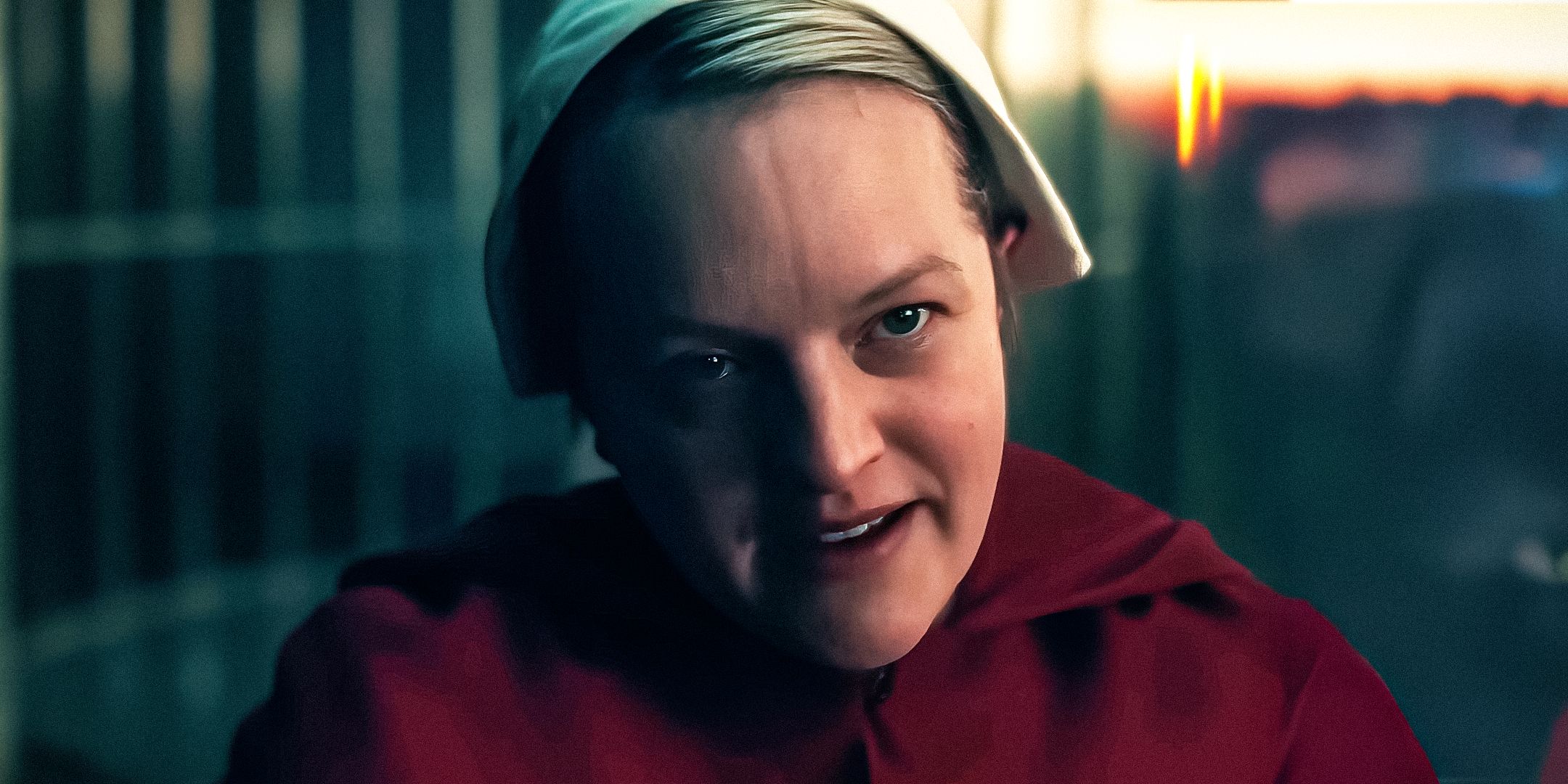
The heart of the show is the relationship between Serena and June. It is a relationship defined by mutual trauma, hatred, and, occasionally, an uneasy alliance. Strahovski and Elisabeth Moss developed a famous on-screen chemistry that relied heavily on subtext. Many of their most powerful scenes involved very little dialogue, instead relying on minute facial expressions and body language to convey years of resentment and shared history.
The Shift from Page to Screen: Why the Casting Mattered
The decision to cast a younger actress like Strahovski changed the entire dynamic of the story. In the novel, Serena Joy is a fading figure, a woman whose time has passed. In the series, she is a woman in her prime who has sacrificed her own autonomy for a cause she believed would give her the one thing she wanted most: a child.
This change made Serena a more direct mirror to June. Both women are survivors of the old world, but while June fights to destroy Gilead, Serena fights to maintain her status within it, even when that status is precarious. Strahovski’s Serena is often seen as a warning of how women can be complicit in the oppression of others to secure their own perceived safety.
| Feature | Book Serena Joy | TV Serena Joy (Yvonne Strahovski) |
|---|---|---|
| Age | Elderly/Middle-aged | Late 30s to early 40s |
| Physicality | Uses a cane, arthritic | Poised, physically capable, imposing |
| Background | Former gospel singer/televangelist | Cultural activist and author |
| Motivation | Bitterness and longing for a child | Power, legacy, and biological motherhood |
| Relationship to June | Distant, employer-servant dynamic | Intimate, psychological, and adversarial |
Critical Reception and Awards Performance
Strahovski’s work has been a staple of the awards circuit since the show's inception. Critics have frequently pointed out that playing a "villain" that the audience can occasionally sympathize with is one of the hardest feats in acting.
Major Nominations and Wins
- Primetime Emmy Awards: Strahovski received multiple nominations for Outstanding Supporting Actress in a Drama Series. Her performance in Season 2, particularly the episode "First Blood," is often cited as a masterclass in dramatic acting.
- Golden Globe Awards: She earned nominations for her ability to maintain a chilling screen presence that remained grounded in reality.
- Screen Actors Guild (SAG) Awards: As part of the ensemble, she shared in the recognition for the high-caliber performances that defined the series.
Critics often noted that Strahovski managed to make Serena’s silence as loud as June’s narration. In a show known for its intense close-ups, her ability to convey a "cracking" of the Serena persona—where the polished, teal-clad exterior briefly gives way to raw grief or fury—became the show's secret weapon.
Behind the Scenes: Strahovski’s Approach to the Role
In various interviews conducted throughout the show’s decade-long cultural dominance, Strahovski has discussed the mental toll of playing such a divisive character. She often spoke about "finding the humanity" in Serena without necessarily "liking" her.
Physicality and Costume
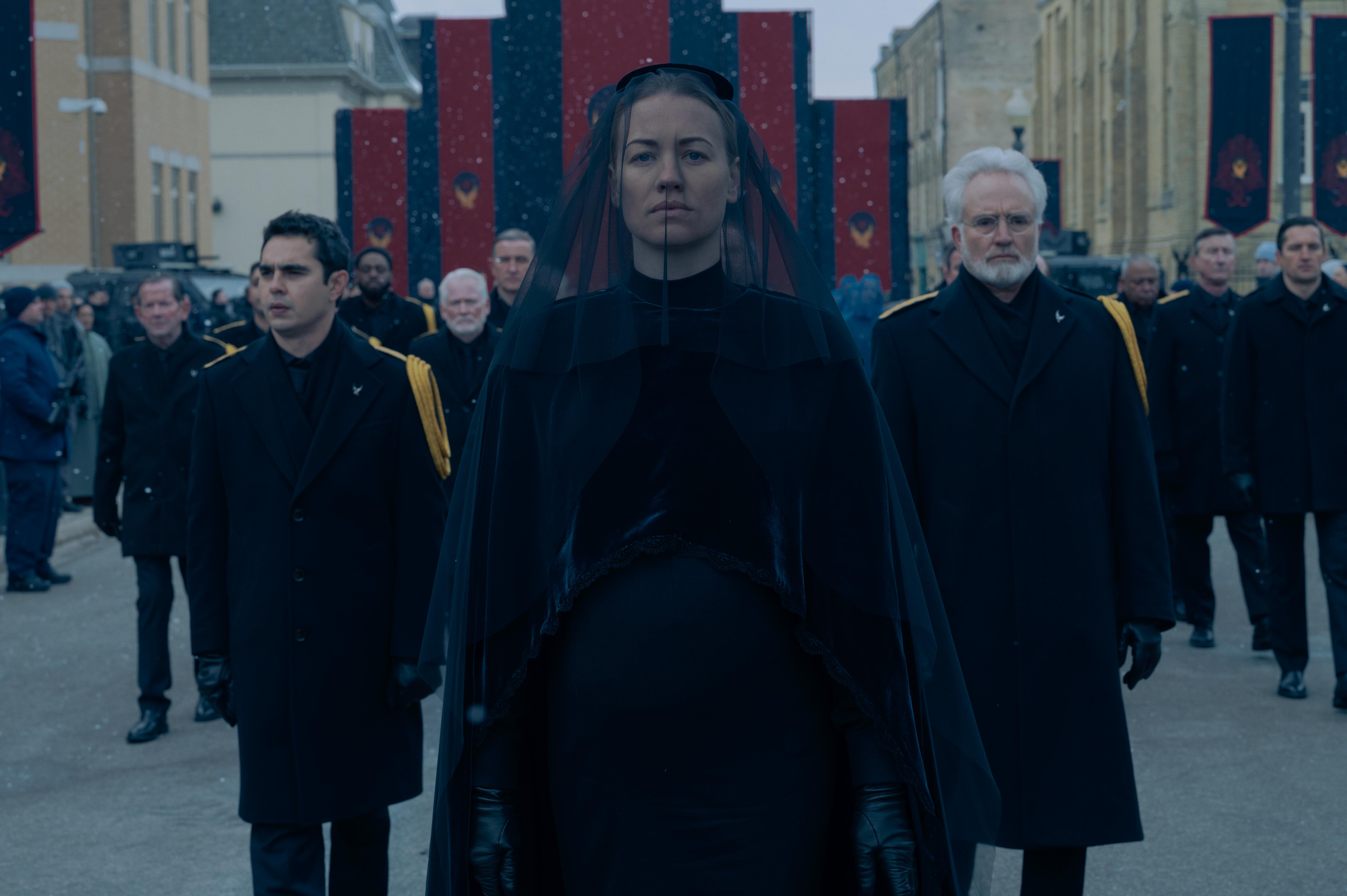
The wardrobe in The Handmaid’s Tale is iconic, and for Serena Joy, the teal dresses and tightly wound hair represented her constriction. Strahovski used these elements to inform her performance, adopting a rigid posture that only softened when Serena was alone or with a child. The "Wives' Green/Teal" became synonymous with Strahovski’s silhouette, representing the cold, sterile beauty of the Gilead elite.
Navigating the Final Seasons
By the final season, Serena’s journey had taken her from a position of absolute power to a refugee and, eventually, a mother herself. Strahovski had to navigate the "Redemption Arc" carefully. Fans debated whether Serena deserved sympathy, and Strahovski’s performance leaned into that ambiguity, never making it easy for the audience to simply "forgive" the character for her past crimes.
FAQs About Yvonne Strahovski and Serena Joy
Is Yvonne Strahovski Australian?
Yes, Yvonne Strahovski was born and raised in Australia. She uses a flawless American accent for her role as Serena Joy, but her natural accent is Australian. This often surprises fans who meet her at conventions or see her in interviews.
Did Yvonne Strahovski win an Emmy for The Handmaid’s Tale?
While she was nominated several times and won various other critics' choice awards, the competition in the Supporting Actress category was historically stiff during the show's run. Regardless of the trophy count, her performance is widely considered one of the definitive TV roles of the late 2010s and early 2020s.
What happened to Serena Joy in the final season?
Without spoiling the specific ending for new viewers, Serena’s story concludes by forcing her to confront the very system she helped create from the perspective of an outsider. Her final arc is less about redemption and more about the consequences of her choices, brought to life by Strahovski’s most emotive performance in the series.
Does Yvonne Strahovski have children in real life?
Yes, Strahovski has two children. She has mentioned in several interviews that her real-life experiences with motherhood deeply informed her portrayal of Serena’s desperate, often toxic, desire to be a mother.
What other shows can I see Yvonne Strahovski in?
Beyond The Handmaid's Tale, you can watch her in Chuck (as Sarah Walker), Dexter (as Hannah McKay), 24: Live Another Day (as Kate Morgan), and the Amazon original movie The Tomorrow War.
Summary and Next Steps
Yvonne Strahovski’s portrayal of Serena Joy Waterford is a cornerstone of modern television drama. She took a character that could have been a one-dimensional villain and turned her into a tragic, terrifying, and deeply human figure. Her performance served as the perfect counterbalance to Elisabeth Moss’s June, creating a central conflict that sustained the series for six seasons.
If you are just starting your journey with The Handmaid’s Tale, pay close attention to the small details in Strahovski’s performance—the way she holds a pen, the slight tremble in her jaw when she is challenged, and the coldness in her eyes when she asserts her authority. It is these technical nuances that make her the definitive Serena Joy. For those who have finished the series, exploring Strahovski’s earlier work in Chuck or her later film roles provides a fascinating look at the range of one of the era’s most talented actresses.
Image Gallery