CVS COVID Vaccine Cost in 2026: Out-of-Pocket Prices, Insurance Coverage, and Uninsured Options
Getting a seasonal or updated COVID-19 immunization at retail pharmacies remains an essential preventive health measure. For most individuals visiting a CVS Pharmacy or MinuteClinic location in 2026, the out-of-pocket cost depends enti...
Getting a seasonal or updated COVID-19 immunization at retail pharmacies remains an essential preventive health measure. For most individuals visiting a CVS Pharmacy or MinuteClinic location in 2026, the out-of-pocket cost depends entirely on third-party payer status, specific health plan contracts, and patient age.
Contents
Navigating pharmacy billing rules ensures you do not incur surprise medical bills when updating your vaccination records. This guide breaks down the exact out-of-pocket cash prices, commercial insurance requirements, Medicare and Medicaid rules, and low-cost alternatives for patients without insurance coverage.
CVS Cash Price Breakdown for the COVID-19 Vaccine
For self-pay individuals without health insurance or those whose plans exclude out-of-network pharmacy benefits, CVS charges an out-of-pocket cash rate. This retail cash price reflects both the manufacturer acquisition cost of the modern mRNA or protein-subunit vaccine and the pharmacy professional dispensing and administration fee.
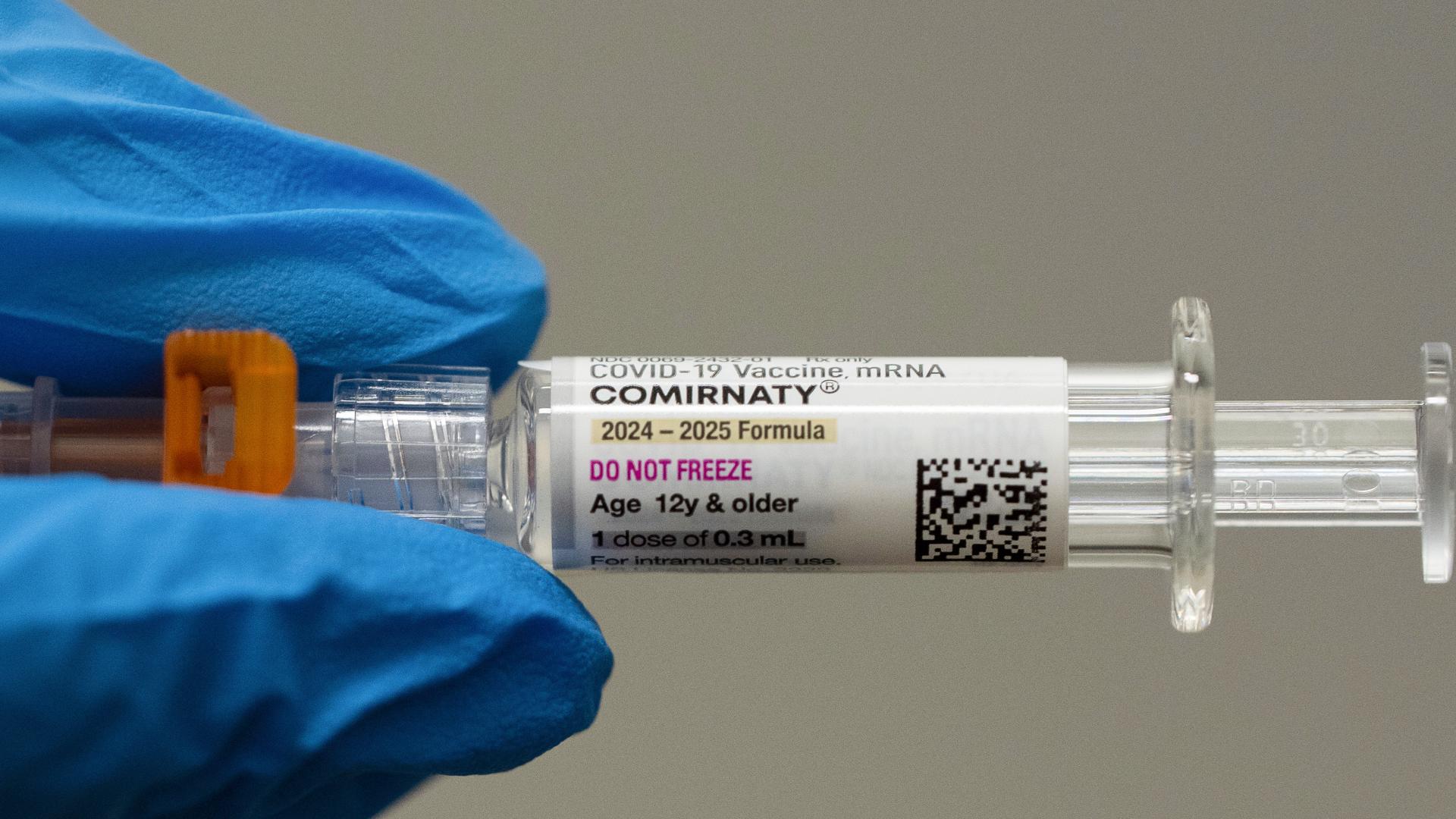
In 2026, the retail cash price for updated single-dose formulations (such as Pfizer-BioNTech Comirnaty, Moderna Spikevax, or Novavax) at CVS ranges between $140 and $205 per dose.
Pricing Components at Retail Pharmacies
- Product Formulation Fee: Single-dose prefilled syringes carry an average wholesale price (AWP) benchmarked by the manufacturer, typically billing between $115 and $145.
- Pharmacy Administration Fee: Administering the vaccine, conducting state registry data entry (IIS reporting), and performing pre-vaccination clinical screenings adds an administration charge of $25 to $45.
- MinuteClinic vs. Core Pharmacy Counter: Receiving a vaccination at a primary retail counter involves standard pharmacy benefits billing. If you schedule a wider primary care clinical visit at a MinuteClinic location for multiple health issues alongside your vaccine, an additional clinical consultation fee may apply to non-vaccine services rendered during the appointment.
To guarantee accurate billing, confirm the National Drug Code (NDC) and pharmacy transaction pricing at the register before injection if paying entirely out-of-pocket.
Insurance Coverage Rules: Commercial, Medicare, and Medicaid
Under federal mandates and current preventive health frameworks, the vast majority of insured Americans pay zero dollars out-of-pocket for their updated COVID-19 vaccination at CVS, provided network rules are observed.
Table: Coverage Tiers, Costs, and Rules (No code tags allowed, use standard Markdown table)
| Coverage Type | Typical Out-of-Pocket Cost at CVS | Primary Billing Mechanism | Key Network & Eligibility Rules |
|---|---|---|---|
| Commercial Health Insurance (Employer, ACA Exchange) | $0 (In-Network) | Pharmacy Benefit (NCPDP / BIN / PCN) | Plan must be ACA-compliant; CVS must be designated an in-network retail pharmacy provider. |
| Medicare Part B (Original Medicare) | $0 | Medicare Part B Roster / Pharmacy Electronic Billing | Part B covers 100% of the allowable charge; no copayment, coinsurance, or deductible applies. |
| Medicare Advantage (Part C) | $0 (In-Network) | Medicare Advantage Pharmacy Benefit | Must use an in-network pharmacy provider. CVS is in-network for most national MA plans. |
| Medicaid / CHIP | $0 | State Fee-for-Service or Managed Medicaid PBM | Covered under state adult and pediatric vaccine schedules. CVS must accept the state Medicaid plan. |
| Uninsured / Self-Pay | $140 – $205 per dose | Direct Cash / Prescription Discount Program | Full fee collected at time of service unless subsidized via manufacturer assistance programs. |
Commercial Group and Individual Plans
Under Section 2713 of the Public Health Service Act, incorporated through the Affordable Care Act (ACA), non-grandfathered commercial health plans are legally required to cover Advisory Committee on Immunization Practices (ACIP)-recommended vaccines with zero cost-sharing.
This mandate applies to all major national carriers accepted at CVS, such as Aetna (a CVS Health company), Blue Cross Blue Shield, UnitedHealthcare, and Cigna. However, patients must ensure their visit is processed in-network. While CVS is an in-network provider for the vast majority of pharmacy benefit managers (PBMs) like Caremark, Express Scripts, and OptumRx, some narrow-network plans require using designated competing retailers.
Original Medicare (Part B) and Medicare Advantage
Medicare coverage for the COVID-19 vaccine falls under Medicare Part B rather than prescription drug plans under Part D:
- Original Medicare (Fee-For-Service): Beneficiaries pay an absolute $0 copayment. The annual Part B deductible does not apply to preventive vaccines. CVS bills the Centers for Medicare & Medicaid Services (CMS) directly using the designated administration and product Healthcare Common Procedure Coding System (HCPCS) codes.
- Medicare Advantage (Part C): All Medicare Advantage plans must match Original Medicare preventive benefits without cost-sharing. Ensure your Medicare Advantage plan includes CVS in its pharmacy network to eliminate network exceptions.
Medicaid Regulations
State Medicaid programs cover ACIP-recommended adult vaccines without cost-sharing. Children aged 18 and younger who are Medicaid-eligible receive their doses through the federal Vaccines for Children (VFC) program. It is critical to confirm in advance that your local CVS participates in your state's specific Medicaid pharmacy network, as managed Medicaid contracts vary by state jurisdiction.
How to Get Free or Low-Cost Vaccines Without Insurance
Following the conclusion of previous federal emergency initiatives such as the temporary CDC Bridge Access Program, uninsured adults face distinct hurdles when seeking low-cost retail immunizations. If paying the full retail price at CVS is cost-prohibitive, evaluate the following verified pathways:
Federally Qualified Health Centers (FQHCs)
Community Health Centers funded under Section 330 of the Public Health Service Act provide comprehensive primary and preventive services regardless of an individual's ability to pay. FQHCs receive federally subsidized vaccine supplies and charge on a sliding-fee discount schedule tied strictly to federal poverty guidelines. For individuals with minimal household income, the visit and vaccine fee can be reduced to zero or a nominal facility copay.
Local County and Municipal Health Departments
Public health clinics often stock state-funded vaccine doses targeted at high-risk, uninsured populations. Unlike commercial retail pharmacies that operate primarily on commercial supply pipelines, local health clinics often dispense immunizations for free or for a minimal administrative fee that can be waived upon financial hardship declaration.
Manufacturer Patient Assistance Programs (PAP)
Major vaccine manufacturers maintain operational patient assistance foundations designed to assist low-income, uninsured individuals. These programs require submitting an application demonstrating household income limitations:
Important Payer Note
Commercial prescription discount cards (such as GoodRx or SingleCare) do not provide free vaccines. While they may slightly reduce the dispensing margin at the register, they only discount the cash price by a modest percentage. Uninsured patients requiring completely free access should schedule directly with a Community Health Center or local public health authority.
Step-by-Step Guide: Booking and Verifying Your Vaccine at CVS
Following a structured preparation routine prevents unexpected claim rejections and unexpected cash demands at the pharmacy counter.
Step 1: Digital Intake via the CVS Portal
Schedule your appointment online via the CVS website or mobile app rather than walking in. The online intake engine verifies your insurance information in real time through an automated eligibility clearinghouse before you step into the pharmacy.
Step 2: Input Detailed Benefit Identifiers
Do not simply enter the carrier name. Have your physical insurance card ready to submit the following exact identifiers:
- Rx BIN (Bank Identification Number): A 6-digit routing code.
- Rx PCN (Processor Control Number): A secondary identifier used by PBMs.
- Rx Group ID: Specific to your employer or plan tier.
- Member / Subscriber ID: Including any preceding letters or trailing numeric digits.
For Original Medicare, submit your 11-character alphanumeric Medicare Beneficiary Identifier (MBI) rather than a commercial PBM card.
Step 3: Present Identifiers at Check-In
Arrive 10 minutes prior to your time slot. Present your digital appointment confirmation, a valid photo identification card, and your physical insurance card. Request that the pharmacy technician print your transaction receipt showing a zero-dollar patient balance before the vaccine is injected into the deltoid muscle.
Technical Vaccine Formulations and Co-Administration Details
At CVS pharmacy locations, immunizations are prepared and administered according to strict ACIP clinical standards. Understanding the pharmacology and procedural setup helps you plan your appointment efficiently.
Available Formulations
CVS generally stocks the prevailing approved formulations matching the latest circulating sublineages:
- mRNA Platforms: Both Pfizer-BioNTech and Moderna spike-directed messenger RNA formulations, suspended in lipid nanoparticles.
- Protein Subunit Platform: Novavax adjuvanted recombinant spike-protein formulation, suited for individuals who have clinical contraindications or preferences regarding mRNA technologies.
Same-Day Co-Administration Safety
Under current CDC guidelines, the COVID-19 vaccine may be safely co-administered alongside other seasonal immunizations during the same CVS visit. Common co-administered vaccines include:
- Quadrivalent Seasonal Influenza Vaccine
- Respiratory Syncytial Virus (RSV) Vaccine (for qualifying adults)
- Recombinant Zoster (Shingles) Vaccine
- Pneumococcal Conjugate Vaccine (PCV20 or PCV21)
When receiving multiple injections, technicians will administer doses in separate anatomical sites (e.g., one in each deltoid muscle) separated by at least one inch of tissue space to minimize localized injection-site reactions.
Frequently Asked Questions
Can I get a COVID-19 vaccine at CVS for free?
Yes, if you have an active commercial health insurance plan, Medicare Part B, or Medicaid, you can receive the vaccine at CVS with a zero-dollar copay. Federal rules and ACA mandates classify updated ACIP-recommended immunizations as preventative care, requiring in-network plans to cover 100% of the cost.
Uninsured individuals, however, do not automatically receive free vaccines at retail pharmacies and may be charged the out-of-pocket cash price unless subsidized by specific county programs or manufacturer initiatives.
How much does the COVID-19 vaccine cost at CVS without insurance?
The self-pay cash price at CVS ranges from $140 to $205 per dose. This total includes the manufacturer drug cost along with the pharmacy's professional clinical administration and reporting fee.
Prices can fluctuate depending on whether you receive the vaccine at a standard retail pharmacy counter or as part of an expanded diagnostic visit inside an integrated MinuteClinic setting.
Does Medicare Part B cover the CVS COVID-19 shot completely?
Yes, Original Medicare Part B covers 100% of the cost for approved COVID-19 vaccines at CVS with no deductible and no coinsurance. You must provide your red, white, and blue Medicare card containing your Medicare Beneficiary Identifier (MBI) to ensure the pharmacy bills Part B directly rather than submitting an invalid claim to a Part D drug plan.
Can I use a prescription discount card like GoodRx at CVS for a COVID vaccine?
Prescription discount cards can be applied toward the retail cash price, but they do not make the vaccine free. Discount programs typically reduce the retail cash fee by a small margin (around 10% to 20%), leaving the remaining balance as an out-of-pocket expense for the patient.
What should I do if CVS rejects my insurance card at the register?
Request that the pharmacy technician check whether the claim was routed through your medical benefit or your pharmacy benefit (PBM). Many administrative rejections occur when the pharmacy attempts to bill an outdated card or fails to input the correct PCN and Group codes.
If your plan still declines the claim, verify with your insurer that CVS is classified as an in-network pharmacy provider under your specific tier.
Securing Your Preventive Health Protection
Vaccination remains a front-line defense against severe respiratory illness, long-term complications, and hospitalization. To avoid unanticipated healthcare expenses, check your insurer’s active network directory, schedule your immunization through the digital CVS scheduling tool, and confirm a zero-dollar copay receipt prior to administration. If you are currently uninsured, contact your regional Community Health Center or county health department to secure your immunization at little to no out-of-pocket cost.
Image Gallery