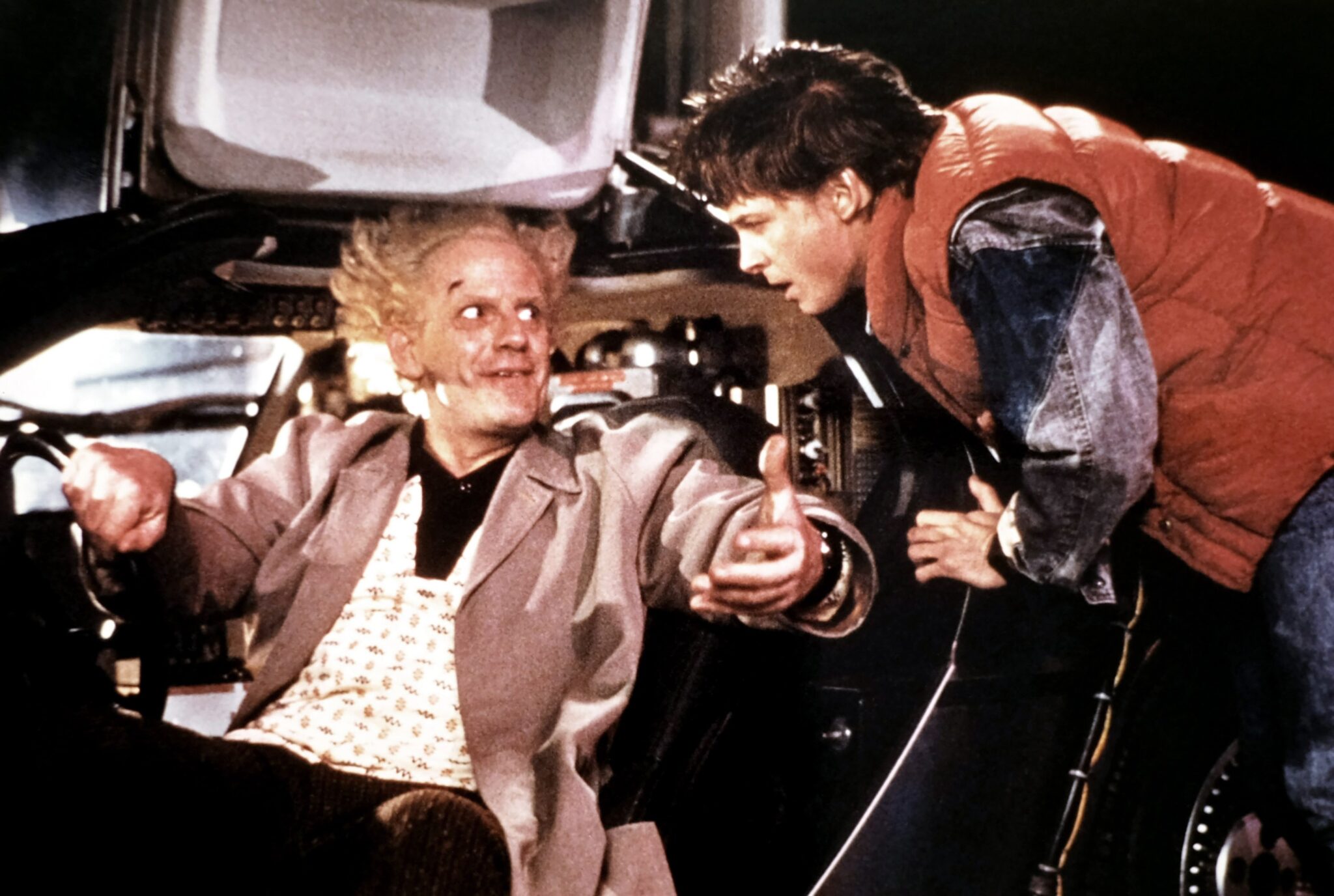
The Appeal of Funny Blockbuster Movies: Why Humor Drives Global Box Office Success
Funny blockbuster movies captivate audiences by balancing high-stakes spectacle with emotional levity, making larger-than-life stories feel relatable and grounded. This blend of humor and action serves as a psychological release valve,...
Funny blockbuster movies captivate audiences by balancing high-stakes spectacle with emotional levity, making larger-than-life stories feel relatable and grounded. This blend of humor and action serves as a psychological release valve, broadens demographic appeal for studios, and ensures a memorable, repeatable viewing experience that transcends cultural and linguistic barriers.
Contents
The Psychological Hook: Humor as an Emotional Release Valve
The primary appeal of humor in a high-budget blockbuster lies in its ability to manage the audience’s emotional state. In a traditional action or sci-fi epic, the narrative often revolves around existential threats, intense physical danger, or complex political intrigue. Without moments of levity, the constant tension can lead to emotional fatigue, where the audience becomes desensitized to the spectacle.
Laughter functions as a biological reset. When a character cracks a joke in the heat of battle or finds themselves in an absurd situation despite the gravity of the plot, it triggers a release of endorphins. This neurochemical response lowers cortisol levels, preventing "tension exhaustion" and allowing the audience to re-engage with the next serious sequence with renewed focus. In 2026, psychologists and film theorists continue to emphasize that the most successful blockbusters are those that treat the audience's emotional journey like a rhythmic wave, alternating between high-stress peaks and comedic valleys.
Furthermore, humor fosters a sense of collective experience. In a theater setting, laughter is infectious. It transforms a group of individuals into a unified audience, creating a shared social memory. This "social glue" is a significant reason why funny blockbusters often have higher "repeat-viewing" statistics compared to somber dramas; people want to return to the theater to experience that communal joy again.
The Evolution of Genre-Bending Humor
The integration of humor into blockbusters has evolved significantly from the 1980s through 2026. Understanding this trajectory helps explain why today’s audiences expect a certain "wit-to-action" ratio.
From One-Liners to Character-Driven Comedy
In the 1980s and 1990s, humor in blockbusters was often limited to the "action hero one-liner." Icons like Arnold Schwarzenegger or Bruce Willis would deliver a dry quip after defeating a villain. While effective, this humor was largely external to the character's internal growth.
By the early 2020s, and continuing into the present 2026 landscape, humor has become deeply integrated into character development. Characters are no longer just "funny"; their humor is a defense mechanism, a manifestation of their insecurity, or a byproduct of their cultural fish-out-of-water status. This shift makes the humor feel earned rather than forced. When audiences laugh at a character’s awkwardness, they are building an empathetic bond that makes the eventual stakes of the movie feel more personal.
The Rise of Meta-Humor and Self-Awareness
Modern blockbusters frequently employ "meta-humor"—the practice of the movie acknowledging its own tropes or the absurdity of its premise. This self-awareness appeals to a media-literate audience that has seen decades of superhero and sci-fi clichés. By pointing out the ridiculousness of a "villain monologue" or the convenience of a plot device, the movie signals to the audience that it is in on the joke. This honesty creates a level of trust between the filmmaker and the viewer, making the fantastical elements of a blockbuster more digestible.
Accessibility and the Universal Language of Laughter
For a movie to achieve "blockbuster" status, it must perform well in diverse international markets. Humor is one of the most effective tools for global synchronization, though it requires careful execution to succeed across different cultures.
- Visual Comedy and Slapstick: While puns and wordplay often get lost in translation, physical comedy is universal. A character stumbling, a well-timed reaction shot, or a visual gag involving scale and proportion (common in movies like Ant-Man or Guardians of the Galaxy) resonates in Beijing just as well as it does in New York.
- Relatability of Failure: High-stakes blockbusters often feature characters with god-like abilities. Humor humanizes these figures. Seeing a powerful hero struggle with a mundane task or make a social faux pas creates a "bridge of relatability." This humanization is a key driver for the PG-13 demographic, which makes up the largest segment of the blockbuster-going public.
- Simplified Emotional Cues: Humor provides clear signals to the audience about how they should feel. In complex narratives, a comedic beat can clarify the tone of a scene, ensuring that the audience doesn't become confused by shifting narrative threads.
The Commercial Logic: Why Studios Prioritize Humor
From a studio perspective, making a blockbuster funny is a calculated strategy to mitigate financial risk. With production budgets in 2026 often exceeding $200 million, the goal is "maximum quadrant appeal"—attracting men, women, children, and adults simultaneously.
| Humor Type | Core Appeal | Risk Level | Examples |
|---|---|---|---|
| Physical/Slapstick | Children & International Markets | Low | Minions, Jumanji series |
| Witty/Sarcastic | Teens & Young Adults | Medium | Iron Man, Deadpool |
| Satirical/Meta | Cinephiles & Older Adults | High | Barbie, The Suicide Squad |
| Character-Driven | General Families | Low | Guardians of the Galaxy, Kung Fu Panda |
By diversifying the types of humor within a single film, studios can ensure there is "something for everyone." A movie that is purely a grim tragedy narrows its audience significantly. In contrast, a "funny" movie is perceived as a safer bet for a family night out or a casual date, leading to higher opening weekend numbers and sustained "legs" at the box office.
Common Pitfalls: When Humor Hurts the Blockbuster
Despite its appeal, humor can be a double-edged sword. As we look at the cinematic trends of 2026, critics and audiences have become increasingly wary of "bathos"—the act of immediately undercutting a serious or emotional moment with a joke.
The Tonal Whiplash Problem
When a movie fails to let a dramatic moment "breathe," it can alienate the audience. If a character experiences a significant loss and immediately follows it with a quip, the stakes of the universe are diminished. The audience learns that nothing really matters because the characters themselves don't take the situation seriously. Finding the balance between being "entertaining" and being "meaningful" is the greatest challenge for modern blockbuster directors.
Forced Improv and Pacing Issues
In the late 2010s and early 2020s, a trend emerged where actors were encouraged to improvise lines to find the funniest take. While this can result in brilliant moments, it can also lead to "comedic bloat," where scenes go on too long and disrupt the pacing of an action sequence. In 2026, the most successful blockbusters have returned to more disciplined, script-focused humor that drives the plot forward rather than pausing it for a comedy routine.
The Role of Animation in Shaping Blockbuster Humor
It is impossible to discuss the appeal of funny blockbusters without acknowledging the influence of high-budget animation. Studios like Pixar, DreamWorks, and Sony Animation have mastered the "dual-layered" humor approach: slapstick for children and sophisticated, often poignant humor for adults.
This "shrek-ification" of cinema—where a movie operates on two levels simultaneously—has bled into live-action filmmaking. The expectation that a big-budget spectacle should be witty is a direct result of the generation that grew up on the "Golden Age" of animation now becoming the primary consumers of live-action blockbusters. This audience expects intellectual stimulation and emotional resonance to be wrapped in a package of high-energy fun.
FAQs
Why do most modern superhero movies have so many jokes?
Superheroes are inherently an absurd concept—individuals in colorful costumes fighting cosmic threats. Humor acts as a "self-correction" mechanism. By acknowledging the weirdness through jokes, the movie prevents the audience from feeling disconnected from the reality of the story. It makes the fantastical elements feel more grounded and acceptable.
Does humor affect the "rewatchability" of a movie?
Yes, significantly. Humor creates positive emotional associations. While a viewer might only want to experience a heavy, tragic masterpiece once, they are likely to rewatch a funny blockbuster multiple times because it serves as "comfort viewing." This is vital for streaming platforms in 2026, where consistent engagement is a primary metric of success.
Can a blockbuster be successful without humor?
While possible (as seen with films like Oppenheimer or certain iterations of Batman), it is much harder to achieve "top-tier" global box office numbers without some level of levity. Movies without humor often rely on "event status" or intense prestige to draw crowds, whereas funny blockbusters rely on their identity as accessible entertainment.
Is humor in movies different across cultures?
While the "why" of a joke (the structure) is often universal, the "what" (the subject matter) varies. However, big-budget blockbusters focus on "situational humor"—humor derived from the circumstances characters find themselves in—which is much more exportable than humor based on specific cultural puns or local politics.
What is "bathos" and why is it controversial?
Bathos is a sudden change in tone from the sublime to the ridiculous. In filmmaking, it’s often used to describe a joke that kills the tension of a dramatic scene. It is controversial because, if overused, it can make the story feel shallow and prevent the audience from forming a deep emotional connection with the characters.
Final Recommendation
To fully appreciate the appeal of funny blockbusters, viewers should look for films that use humor to enhance character depth rather than those that use it to mask a weak plot. When choosing what to watch, prioritize directors who have a proven track record of "tonal discipline"—the ability to make you laugh without sacrificing the stakes of the story. For aspiring filmmakers or students of cinema, analyzing the "beat" between a moment of high tension and a comedic payoff is the best way to understand the underlying mechanics of modern global entertainment.
Image Gallery