The John McCain POW Video: Historical Analysis and Archival Footage Access
The primary John McCain POW video is a 1967 film recorded by French journalist François Chalais. It depicts then-Lieutenant Commander John McCain receiving medical treatment in a Hanoi hospital following his capture. As of 2026, this f...
The primary John McCain POW video is a 1967 film recorded by French journalist François Chalais. It depicts then-Lieutenant Commander John McCain receiving medical treatment in a Hanoi hospital following his capture. As of 2026, this footage remains one of the most significant visual records of an American prisoner of war during the Vietnam conflict.
Contents
The footage of John McCain as a prisoner of war (POW) is not merely a piece of political memorabilia; it is a vital historical document that captures a pivotal moment in the life of the late U.S. Senator and the broader narrative of the Vietnam War. To understand the "John McCain POW video," one must distinguish between the various pieces of media recorded during his five and a half years of captivity, the context in which they were filmed, and their lasting impact on American history.
The Capture of Lieutenant Commander John McCain
On October 26, 1967, John McCain was flying his 23rd bombing mission over North Vietnam. While piloting an A-4E Skyhawk, he was struck by a surface-to-air missile over Hanoi. The ejection process was violent, resulting in McCain breaking both arms and his right leg. He parachuted into Truc Bach Lake, where he nearly drowned due to the weight of his gear and his inability to use his limbs.
After being pulled from the water by a mob of North Vietnamese civilians and soldiers, McCain was subjected to immediate physical abuse before being transported to the infamous Hoa Lo Prison, commonly known as the "Hanoi Hilton." Because of his critical injuries, his captors initially refused him medical treatment, assuming he would die. However, upon discovering that his father, Admiral John S. McCain Jr., was a high-ranking commander in the U.S. Navy, the North Vietnamese relocated him to a hospital to receive basic care. This transition from the prison cell to the hospital bed provided the setting for the most famous footage of his captivity.
The François Chalais Footage (The French Interview)
The most widely recognized John McCain POW video was filmed by François Chalais, a French reporter for the program Panorama. In late 1967, Chalais was granted rare access to North Vietnamese facilities. The resulting film provides a stark look at McCain’s condition shortly after his capture.
Visual Content of the Film
In the black-and-white footage, McCain is seen lying in a hospital bed with his limbs in rudimentary casts. He appears emaciated and visibly in pain. Despite his condition, he speaks to the camera, confirming his identity, his rank, and the nature of his mission. One of the most frequently cited segments of this video shows McCain smoking a cigarette offered by his captors—a detail often used by North Vietnamese officials to project a false image of "humane" treatment to the international community.
The Propaganda Element
It is essential to view this video through the lens of wartime propaganda. The North Vietnamese government allowed Chalais to film McCain specifically because of his "Prince" status (as the son of an Admiral). They aimed to use him as a bargaining chip and as a tool for psychological warfare. McCain, however, maintained a defiant posture, providing only the information required by the Code of Conduct and refusing to provide sensitive military intelligence.
Technical Specifications and Archival Access
As of 2026, researchers and history enthusiasts can access this footage through several official and academic repositories. The original film was recorded on 16mm film, which has since been digitized for preservation.
| Footage Type | Primary Source | Duration (Approx.) | Key Features |
|---|---|---|---|
| 1967 Hospital Film | INA (Institut National de l'Audiovisuel) | 2-4 Minutes | Shows McCain in casts; interview with François Chalais. |
| Operation Homecoming | U.S. National Archives | 30 Seconds | 1973 footage of McCain limping off the plane in the Philippines. |
| Propaganda Stills/Clips | AP Archive / Reuters | Variable | Various clips of McCain in "re-education" settings or hospital rounds. |
| White House Ceremony | Nixon Library | 5 Minutes | 1973 footage of McCain meeting President Nixon after release. |
For those looking to view the "john mccain pow video" today, the Institut National de l'Audiovisuel (INA) in France holds the highest-quality version of the Chalais interview. Educational platforms like the C-SPAN Video Library and the Associated Press Archive also host segments used in documentaries and news reports.
Verification of Authenticity and Historical Accuracy
In the decades following the Vietnam War, and particularly during McCain’s 2000 and 2008 presidential campaigns, various claims surfaced regarding his behavior in the video. Some political detractors attempted to frame his cooperation in the interview as a violation of military protocol. However, these claims have been thoroughly debunked by military historians and McCain’s fellow POWs.
The "Songbird" Myth vs. Reality
The "Songbird" accusation—a derogatory term suggesting McCain collaborated with the enemy—has no basis in the verified footage or military records. In the video, McCain provides his name, rank, and serial number. While he did eventually sign a "confession" after days of severe torture, this was a common experience among POWs who reached their physical and mental breaking points. Fellow prisoners, such as Bud Day and Everett Alvarez, have consistently testified to McCain's resilience and his refusal of an early release (which would have violated the POW "first in, first out" rule).
The Role of the International Red Cross
The video was also used by the U.S. State Department to verify that McCain was alive. During the conflict, the North Vietnamese frequently refused to provide lists of prisoners. Visual evidence like the Chalais film was often the only way families could confirm their loved ones had survived their initial capture.
Legacy and Impact on American Leadership
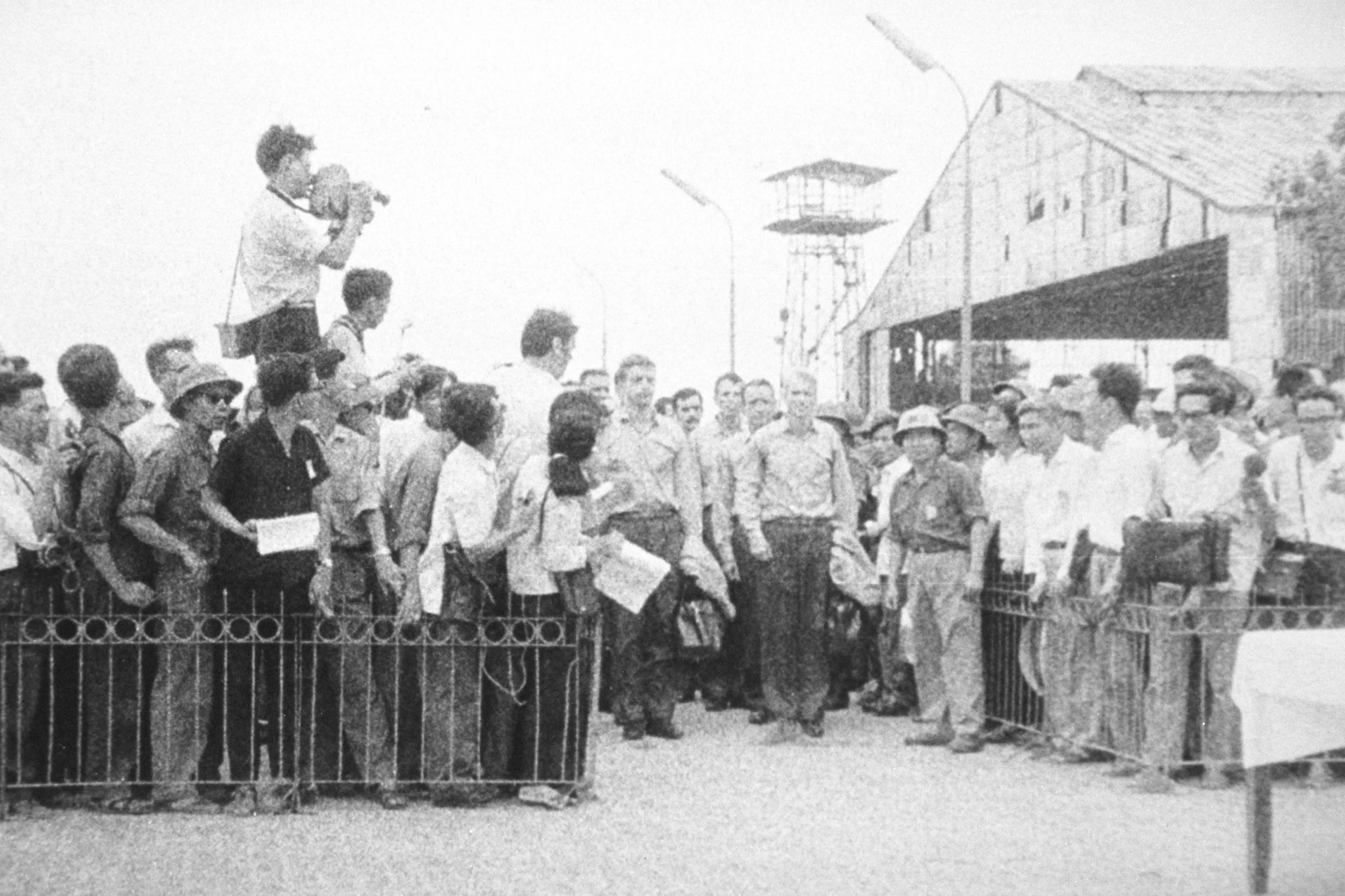
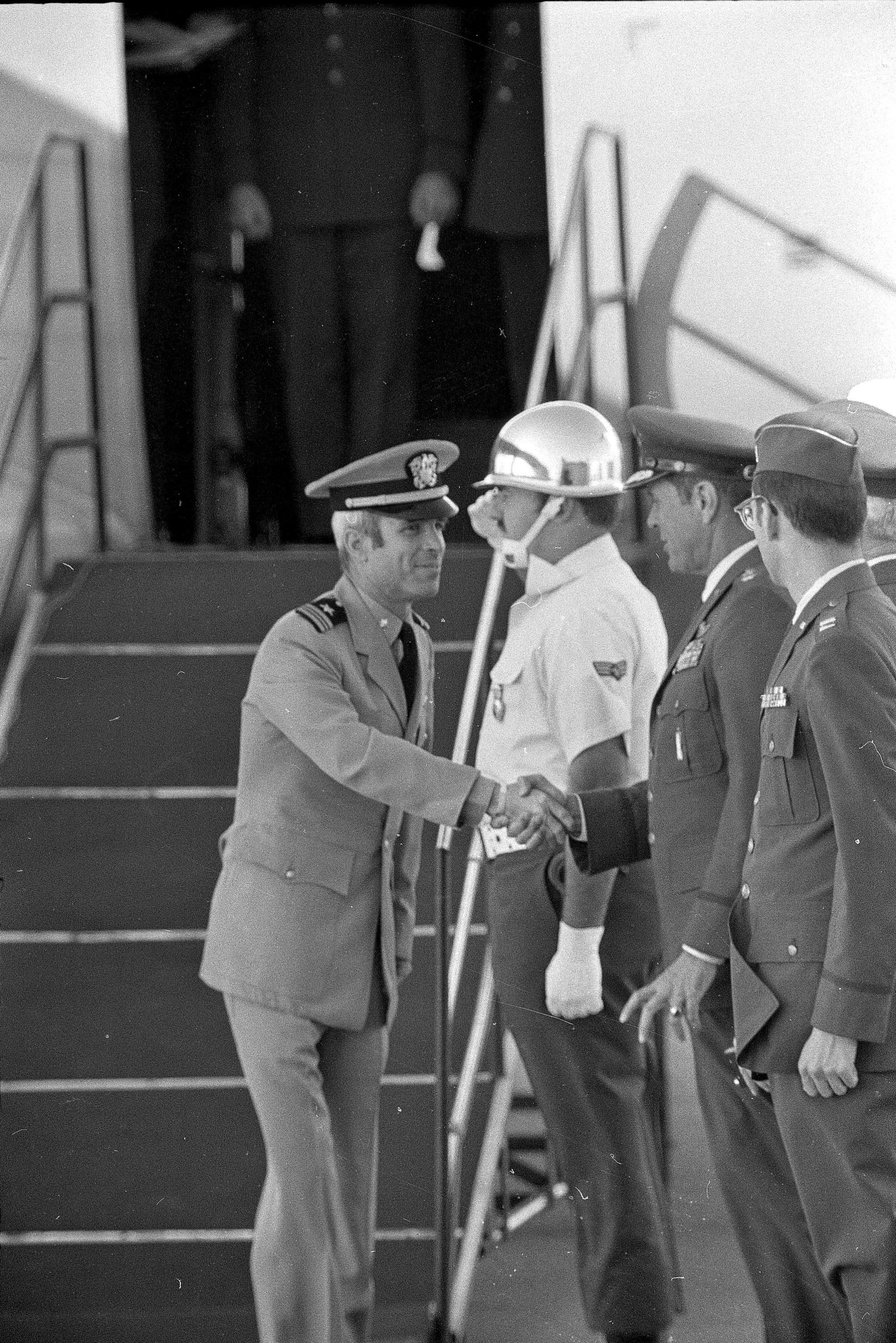
The POW video played a central role in defining John McCain's public persona. It transformed him from a Navy pilot into a symbol of American endurance. When he returned home during Operation Homecoming in 1973, the footage of him limping across the tarmac at Clark Air Base became an iconic image of the era's end.
The 1967 video served several functions over the years:
- Human Rights Documentation: It highlighted the physical toll of the "Hanoi Hilton" system.
- Political Narrative: It provided the foundation for McCain’s "War Hero" status during his career in the House and Senate.
- Educational Tool: It is used in military academies to teach the Code of Conduct and the realities of being a prisoner of war.
Common Misconceptions About the Video
Many viewers mistakenly believe there is a "secret" video of McCain. In reality, almost all existing footage was either sanctioned by the North Vietnamese government for propaganda or captured by international journalists. There is no verified footage of McCain's actual torture; such events were described in detail in his memoir, Faith of My Fathers, and corroborated by other survivors, but they were never filmed for public consumption.
Another misconception is that the video was "staged." While the medical treatment shown was certainly better than what McCain received in the isolation cells of Hoa Lo, his injuries were genuine. The casts seen in the video were poorly set, leading to the permanent physical limitations that prevented McCain from raising his arms above his head for the rest of his life.
FAQ
Where can I find the full John McCain POW video?
The most comprehensive version is available through the INA (Institut National de l'Audiovisuel) website and the Associated Press (AP) Archive. Shortened versions are frequently found on educational YouTube channels like the John McCain Institute and major news networks.
Was the video used against him in his political career?
Yes, during the 2008 presidential election, fringe groups used edited portions of the footage to make false claims about his conduct. However, non-partisan fact-checkers and the U.S. Navy have verified that his actions in the video and during his captivity were honorable and consistent with military requirements under duress.
Who filmed the John McCain POW interview?
The most famous footage was filmed by François Chalais, a French journalist, in late 1967. Other snippets were captured by North Vietnamese state media for use in internal and external propaganda films.
Does the video show John McCain being tortured?
No, the video does not show the acts of torture McCain endured. It shows him in a hospital bed receiving medical attention. The torture occurred in private interrogation rooms and prison cells where cameras were not permitted.
How long was John McCain a prisoner after the video was taken?
The video was taken in late 1967, early in his captivity. McCain remained a prisoner of war until March 14, 1973, totaling 1,967 days in captivity.
Practical Recommendation for Researchers
For those conducting academic or historical research into the John McCain POW video, it is recommended to cross-reference the visual footage with the Library of Congress Veterans History Project. This archive contains oral histories from other POWs who were held in the same facilities, providing essential context to the "humane" conditions portrayed in the French film. When citing the video, ensure you distinguish between the 1967 Chalais interview and the 1973 Operation Homecoming footage, as they represent the beginning and end of a five-year ordeal that significantly shaped 20th-century American politics.
Image Gallery