The Amy Carter Pictures Collection Overview
The Amy Carter pictures collection is a comprehensive historical archive primarily managed by the National Archives and Records Administration (NARA) and housed within the Jimmy Carter Presidential Library and Museum. This extensive bo...
The Amy Carter pictures collection is a comprehensive historical archive primarily managed by the National Archives and Records Administration (NARA) and housed within the Jimmy Carter Presidential Library and Museum. This extensive body of visual records documents the life of Amy Lynn Carter, the youngest child of the 39th U.S. President, specifically focusing on her residence in the White House from 1977 to 1981. The collection includes thousands of official White House photographs, contact sheets, and color slides that capture a unique era of American First Family life.
Contents
As of 2026, these archives serve as a critical primary source for historians, researchers, and the public. They provide a visual narrative of a childhood spent under the global spotlight, ranging from state dinners and diplomatic tours to the mundane realities of public school life in Washington, D.C. Understanding how to navigate this collection requires a grasp of archival structures, copyright distinctions, and the specific photographic offices that created these records.
Historical Significance of the Amy Carter Visual Records
The photographic record of Amy Carter holds a unique place in 20th-century presidential history. Unlike many presidential children who preceded her, Amy was a young child (age nine) when her father, Jimmy Carter, took office. This necessitated a delicate balance between the White House Photographic Office (WHPO) and the family's desire for privacy.
The collection is historically significant because it documents several "firsts" and cultural shifts:
- The Public School Narrative: Amy was the first child of a sitting president to attend a public school (Stevens Elementary) since the early 20th century. The pictures documenting her walks to school and classroom interactions are vital records of the administration's commitment to public education and integration.
- Soft Diplomacy: Images within the collection show Amy accompanying her parents on international trips, including visits to the Vatican and various African nations. These images were often used to soften the image of U.S. foreign policy during the Cold War.
- The Evolution of the "First Kid" Role: The collection captures the tension between being a private citizen and a public figure, a theme that has influenced how every subsequent First Family has managed their children's media presence.
Primary Repositories and Archival Access
The vast majority of the "Amy Carter pictures collection" is not a single physical folder but a distributed set of records across several institutions. As of 2026, the following repositories hold the bulk of these materials.
The Jimmy Carter Presidential Library and Museum
Located in Atlanta, Georgia, this library is the official home of the Carter administration's records. The White House Photographic Office (WHPO) Collection is the largest sub-section. It contains roughly 500,000 photographs in total, with several thousand specifically featuring or focusing on Amy Carter.
- Physical Access: Researchers can visit the research room in Atlanta to view contact sheets.
- Digital Access: A significant portion of the "best-of" or high-interest photos have been digitized and are available via the National Archives Catalog (NAC).
The Library of Congress (LOC)
While the Presidential Library holds the "official" government photos, the Library of Congress houses the U.S. News & World Report Magazine Photograph Collection and the Bernie Boston Collection. These archives contain press photos of Amy Carter that were not taken by government employees. These images often offer a different, less curated perspective on her life compared to the WHPO files.
National Archives at College Park (NARA II)
For technical researchers, the still pictures branch at College Park holds the original negatives and master files for many of the color transparencies. If a researcher requires a high-resolution scan of a specific 1970s negative that hasn't been digitized yet, the request often goes through this facility.
Key Categories within the Collection
To effectively navigate the Amy Carter pictures collection, it is helpful to categorize the images based on their context and the intent behind their creation.
1. Official State and Ceremonial Images
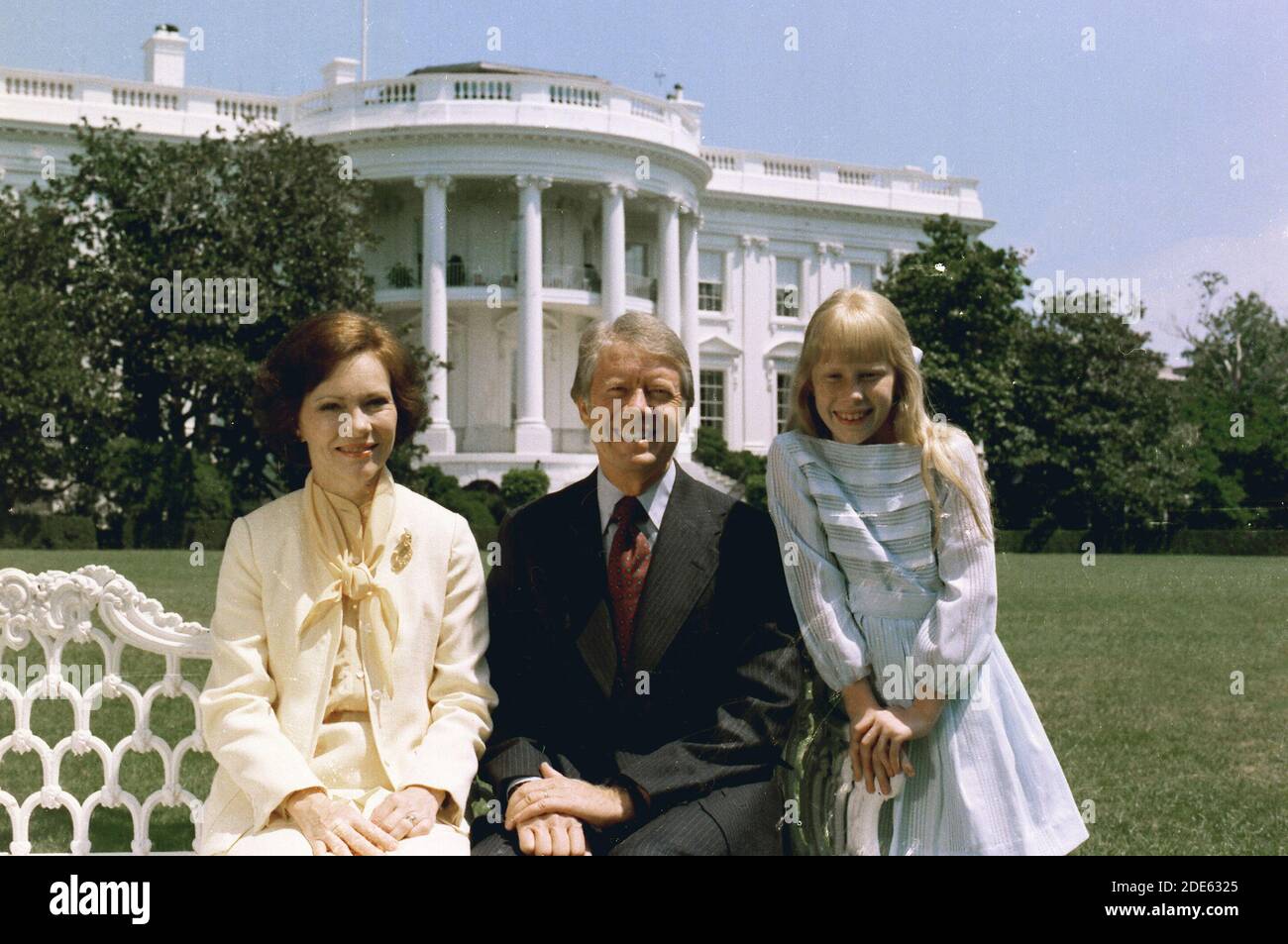
These are the most common images found in the collection. They include Amy at her father's 1977 inauguration, state dinners at the White House, and greeting foreign dignitaries like Pope John Paul II. These photos were typically taken by senior White House photographers to document the official record of the presidency.
2. Daily Life and "Candid" White House Moments
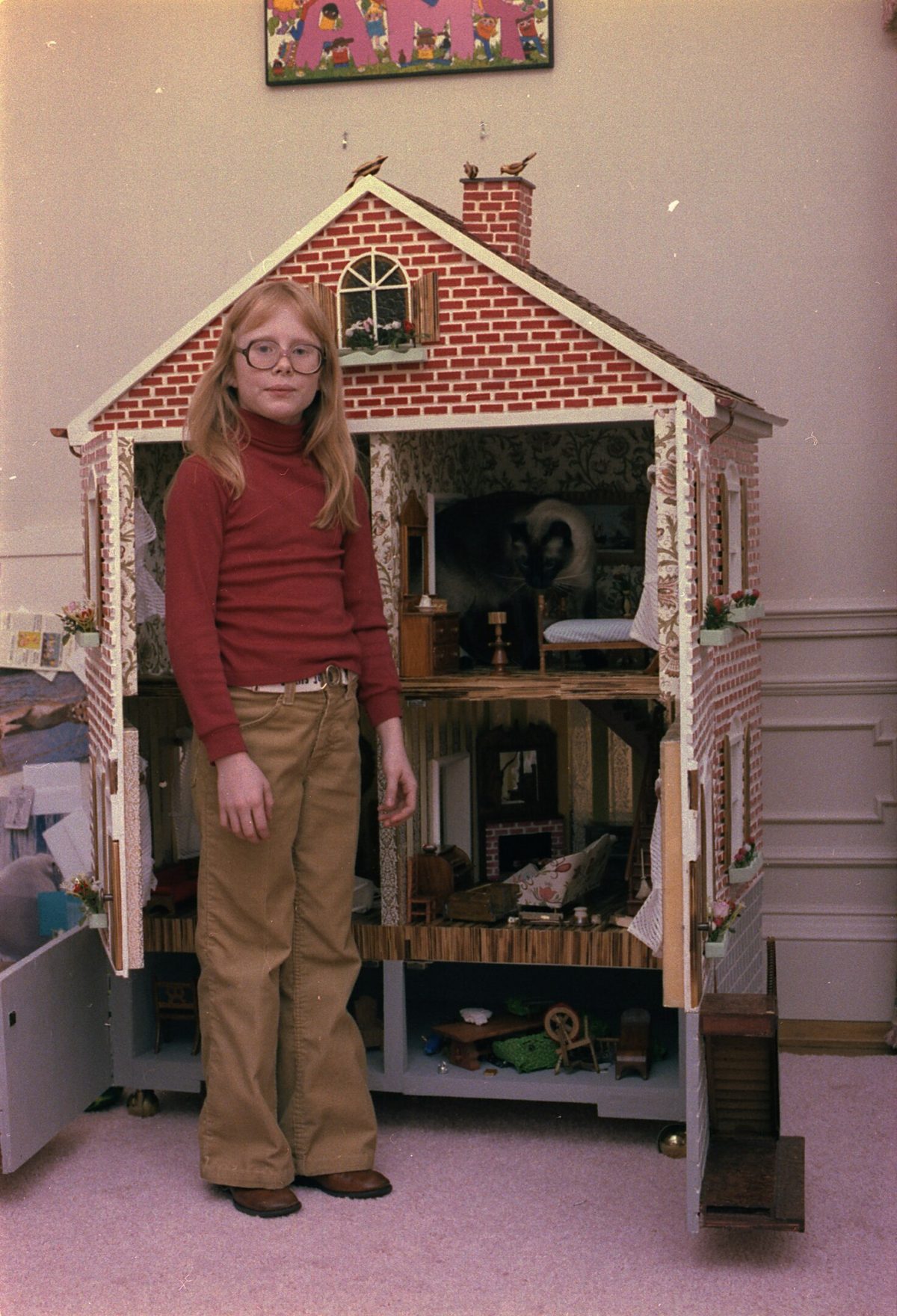
Perhaps the most beloved part of the collection involves Amy’s life inside the Executive Mansion. This includes the famous photos of her treehouse on the South Lawn, her cat Misty Malarky Ying Yang, and her roller skating through the White House halls. While these look candid, they were often captured by photographers like Mary Anne Fackelman-Miner, who was assigned specifically to cover the First Lady and the family, providing a more intimate look at their private quarters.
3. Education and Public Appearances
A substantial portion of the collection documents Amy’s time at Stevens Elementary School and later at Hardy Middle School. These photos were often part of "photo ops" designed to show the First Daughter as a normal American child. They include her participating in school plays, carrying her backpack, and interacting with classmates.
4. Post-Presidency and Activism
While the official WHPO collection ends in January 1981, the Carter Library also manages "Post-Presidential" files. These include images of Amy Carter in the mid-to-late 1980s and 1990s participating in political activism, such as the 1986 protests against CIA recruitment at the University of Massachusetts Amherst. These images document her transition from a "presidential child" to an independent activist and illustrator.
Photographic Collection Technical Specifications
Researchers looking for high-quality reproductions in 2026 should be aware of the technical formats prevalent in the collection.
| Record Type | Primary Medium | Access Status | Usage Rights |
|---|---|---|---|
| WHPO Negatives | 35mm & 120mm Film | Digital/Physical | Public Domain |
| Contact Sheets | B&W Silver Gelatin | Physical (Atlanta) | Public Domain |
| Color Transparencies | Ektachrome Slides | High-Res Digital | Public Domain |
| Press Photos | Digital Scans/Prints | Online Databases | Copyrighted (Fair Use) |
| Personal Family Albums | Private Prints | Restricted | Private/Restricted |
Rights, Royalties, and Usage Guidelines
A common misconception is that all pictures of Amy Carter are free to use. In the world of archival research, the source of the image determines the legal requirements for its use.
Government-Produced Images (Public Domain)
Photographs taken by the White House Photographic Office (WHPO) are works of the United States Federal Government. Under U.S. copyright law, these images are in the public domain. This means you do not need permission to use them for books, documentaries, or websites. However, the National Archives requests that you provide a proper citation (e.g., "Courtesy of the Jimmy Carter Presidential Library").
Press and Independent Collections (Copyrighted)
Images found in the Library of Congress from news agencies (like the Associated Press or Getty Images) or private photographers are usually copyrighted. Even though they are stored in a public archive, the intellectual property remains with the creator or their estate. Using these images in 2026 for commercial purposes typically requires a licensing fee paid to the respective agency.
How to Conduct a Search in the National Archives Catalog
To find specific images of Amy Carter in 2026, the most efficient method is using the National Archives Catalog (NAC). Follow these steps for the best results:
- Navigate to the Catalog: Visit the official NARA website and access the "Research Our Records" section.
- Use Specific Search Terms: Instead of just "Amy Carter," use terms like "Amy Carter White House," "Amy Carter school," or "Amy Carter treehouse."
- Filter by Media Type: On the sidebar, filter the results to "Photographs and other Graphic Materials."
- Check the Local Identifier: Every photo has a local identifier (e.g., JCL-WHPO-X). Note this number down; it is essential for ordering high-resolution reproductions or referencing the image in academic work.
- Review the "Scope and Content" Note: This section in the catalog entry often describes who else is in the photo and where it was taken, which can help verify the historical context.
Notable Photographers of the Collection
The "gaze" of the collection was shaped by a few key individuals who had unprecedented access to the First Family.
- Karl Schumacher: Known for capturing the more formal aspects of the Carter presidency, his work often features Amy in the context of the larger executive branch activities.
- Mary Anne Fackelman-Miner: As a female photographer in a male-dominated field at the time, she developed a rapport with Rosalynn and Amy Carter. Her photographs are often cited as the most "humanizing" elements of the collection, capturing Amy’s personality rather than just her presence at an event.
- Rick Naykas: His contributions include many of the outdoor shots on the South Lawn and images of the family’s return to Plains, Georgia.
Frequently Asked Questions
Can I find Amy Carter's graduation pictures in this collection?
The collection at the Jimmy Carter Library primarily covers her time in the White House. While there are some images of her later life (including her time at Brown University and her wedding), these are much less numerous than the White House years. Private family events after 1981 are often kept in the Carters' personal files and are not always open for public viewing.
Are there any restricted "private" photos in the collection?
Yes. Under the Presidential Records Act, certain documents and photographs can be restricted for a period of time to protect personal privacy. While most of the White House era photos are open, some folders containing sensitive family moments or medical-related information may remain "Closed" or "Processed in Part" until a specific review date.
How do I get a high-quality print of a photo from the archive?
You can order high-resolution digital files or physical prints through the Jimmy Carter Presidential Library's audiovisual department. You will need the specific Negative Number or Local Identifier. There is usually a fee associated with high-resolution digitization to cover the administrative and technical costs of the archive.
Does the collection include video or film?
Yes, the "pictures collection" is often grouped with the Motion Picture records. There are numerous 16mm and 35mm film reels showing Amy Carter at White House events. In recent years, many of these have been digitized and uploaded to the NARA YouTube channel or the Presidential Library website.
What is the most famous photo in the Amy Carter collection?
Historically, the image of Amy Carter reading a book at a State Dinner is one of the most frequently requested. It captured the public's imagination by highlighting the juxtaposition of a young child's needs versus the rigid formality of international diplomacy.
Recommendation for Researchers
If you are beginning a project involving the Amy Carter pictures collection, start by browsing the digitized highlights on the Jimmy Carter Presidential Library website. This will give you a sense of the "visual vocabulary" of the era. For in-depth research, contact the library's audiovisual archivist directly. They can provide "finding aids"—specialized documents that list every photo session by date and subject—which often contain hundreds of images that have never been published online.
Image Gallery