How to Check Your Credit Rating Quickly and Securely in 2026
Checking your credit rating in 2026 is an instantaneous process through online banking portals, credit bureau websites, or mobile finance apps. By utilizing federally mandated resources or private monitoring tools, you can access your...
Checking your credit rating in 2026 is an instantaneous process through online banking portals, credit bureau websites, or mobile finance apps. By utilizing federally mandated resources or private monitoring tools, you can access your VantageScore or FICO score within minutes without negatively impacting your credit history or overall financial standing.
Contents
Understanding the Difference Between Credit Ratings and Credit Reports
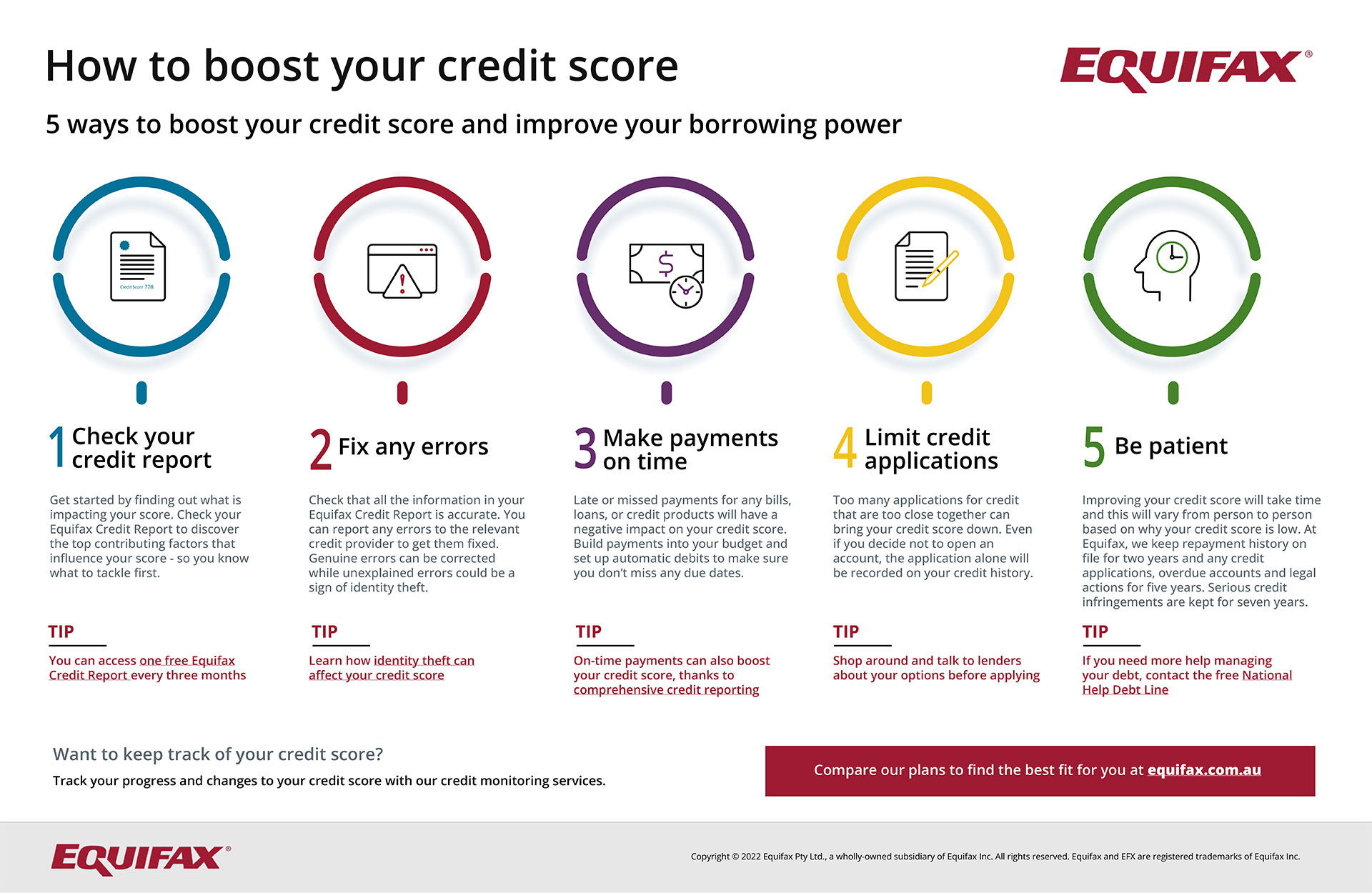
Before attempting to check your credit rating, it is essential to distinguish between a credit score (the rating) and a credit report. A credit report is a detailed statement of your credit history, including loan repayment records, credit limits, and public records like bankruptcies. A credit rating or credit score is a three-digit numerical representation of that data, designed to predict the likelihood that you will repay a debt.
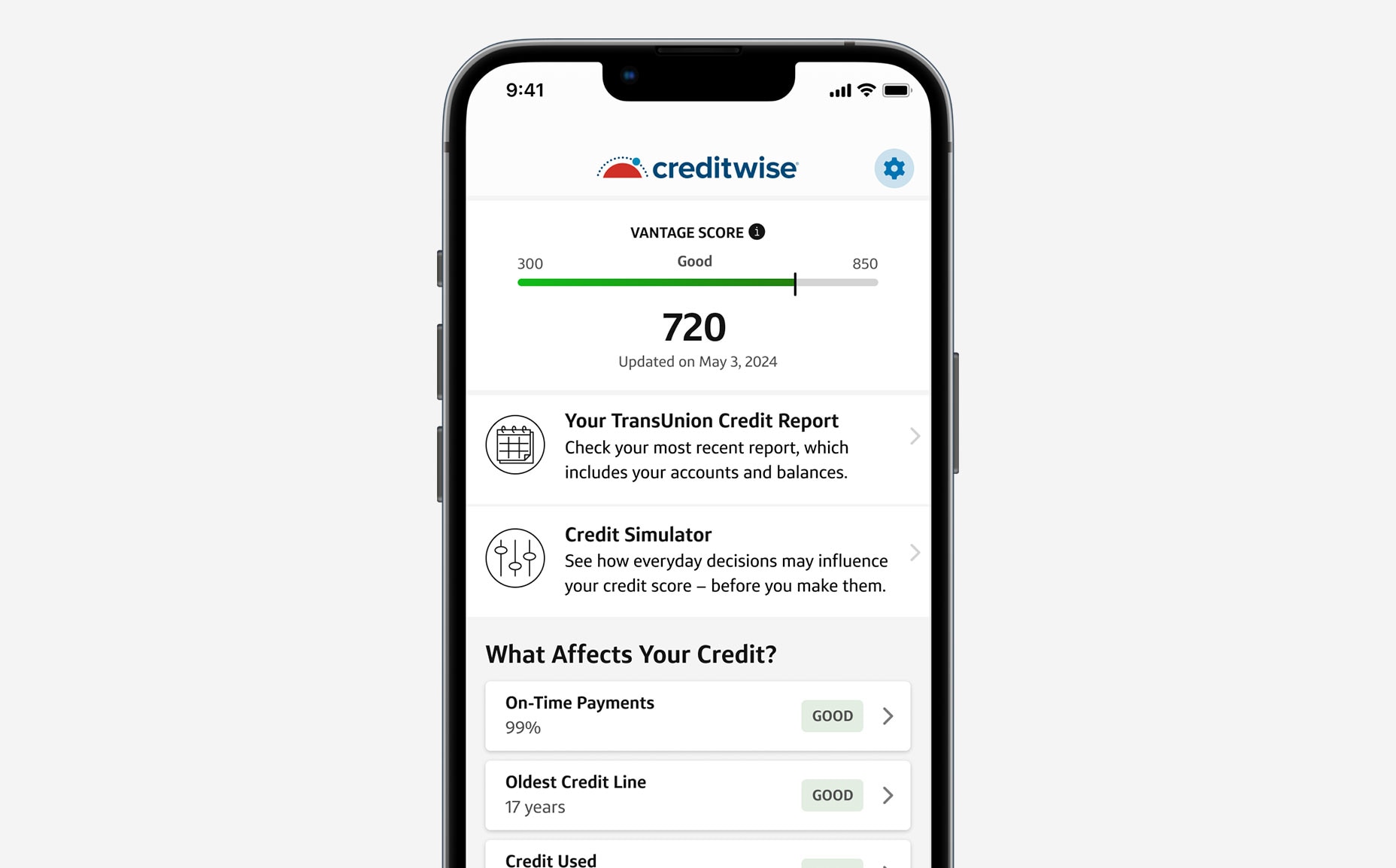
In 2026, the two primary scoring models used by lenders are FICO (Fair Isaac Corporation) and VantageScore. While FICO remains the standard for most mortgage and high-value lending decisions, VantageScore 4.0 has gained significant ground in the personal loan and credit card sectors due to its ability to score consumers with thinner credit files. When you check your rating "quickly," you are often looking at a VantageScore provided by a third-party app or a FICO 8 score provided by your bank.
The Fastest Methods for Instant Credit Access
The landscape of financial technology has made it possible to retrieve your rating in seconds. There are three primary "fast" lanes for consumers:
1. Online Banking and Credit Card Portals
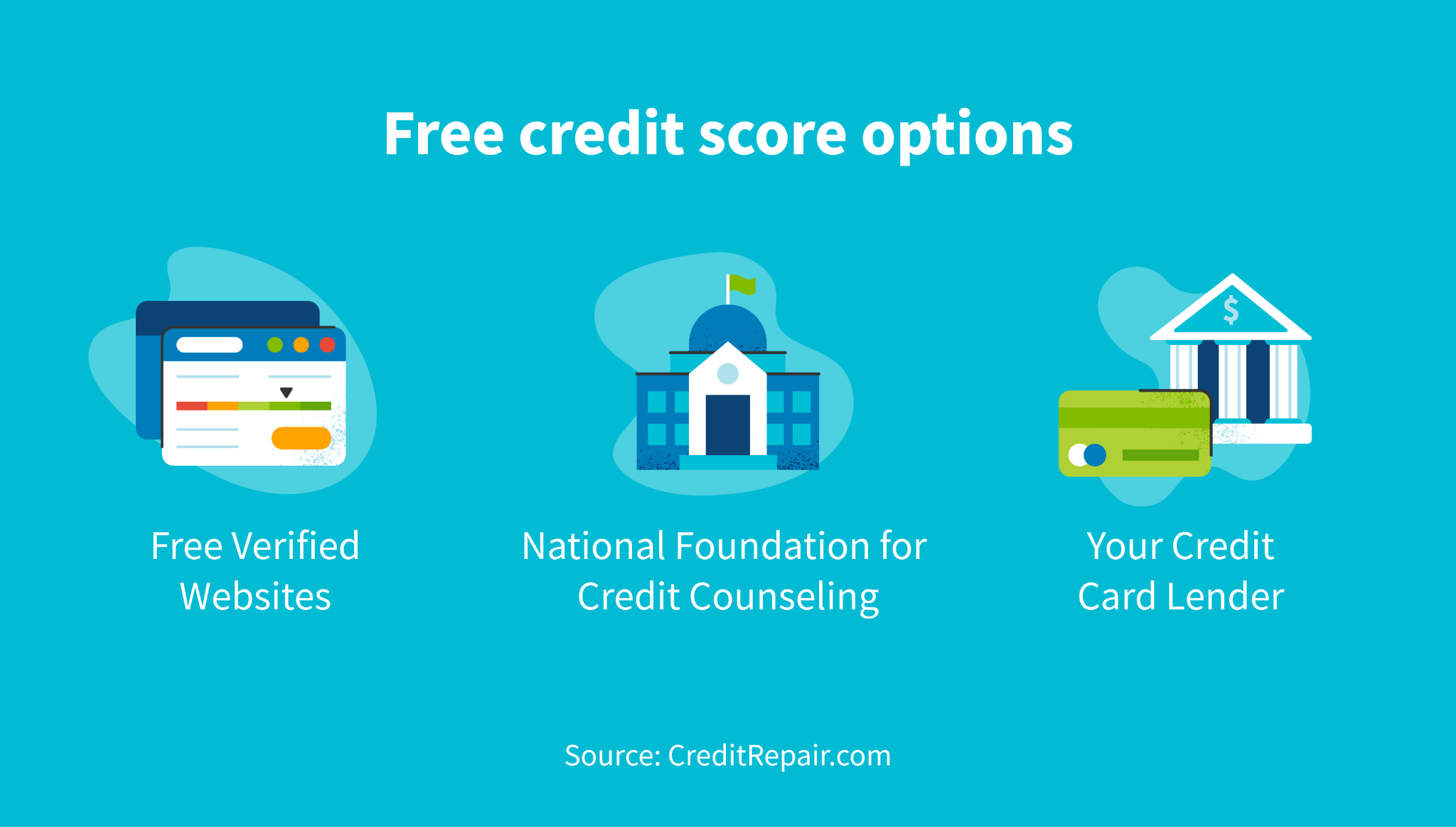
Most major financial institutions now integrate credit monitoring directly into their mobile apps and web dashboards. Because the bank has already verified your identity through the "Know Your Customer" (KYC) process, you do not need to answer security questions to see your score. This is generally the fastest method available. You simply log in, navigate to the "Financial Wellness" or "Credit Score" section, and view your current rating.
2. Credit Bureau Direct Access
The three major bureaus—Equifax, Experian, and TransUnion—each offer their own platforms for checking scores. Experian, for instance, provides an "Experian Credit Tracker" that offers a free FICO 8 score. These are highly accurate because the data comes directly from the source. However, be aware that while the score is free, these bureaus often use the quick-check process to market premium identity theft protection services.
3. Authorized Third-Party Applications
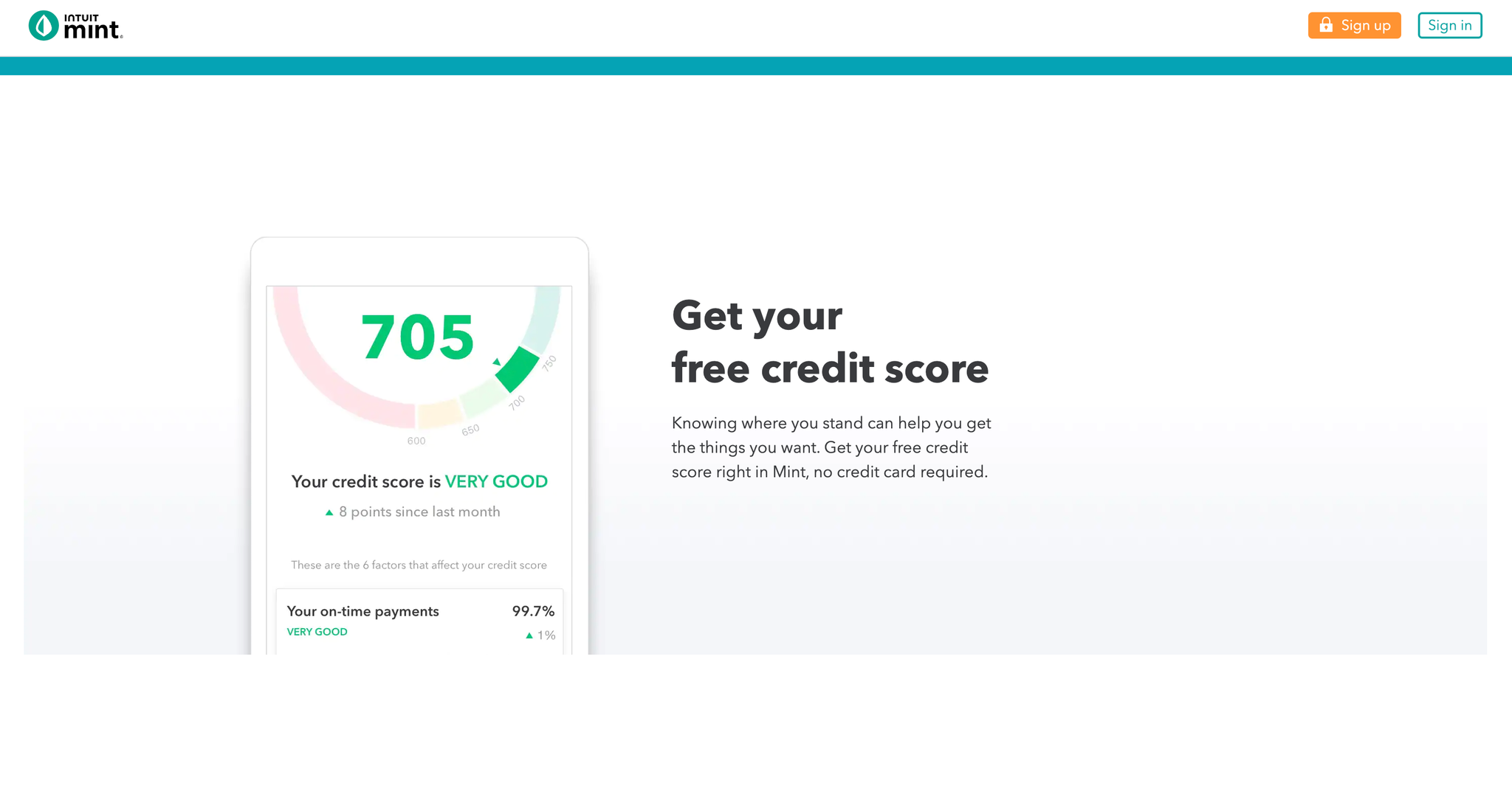
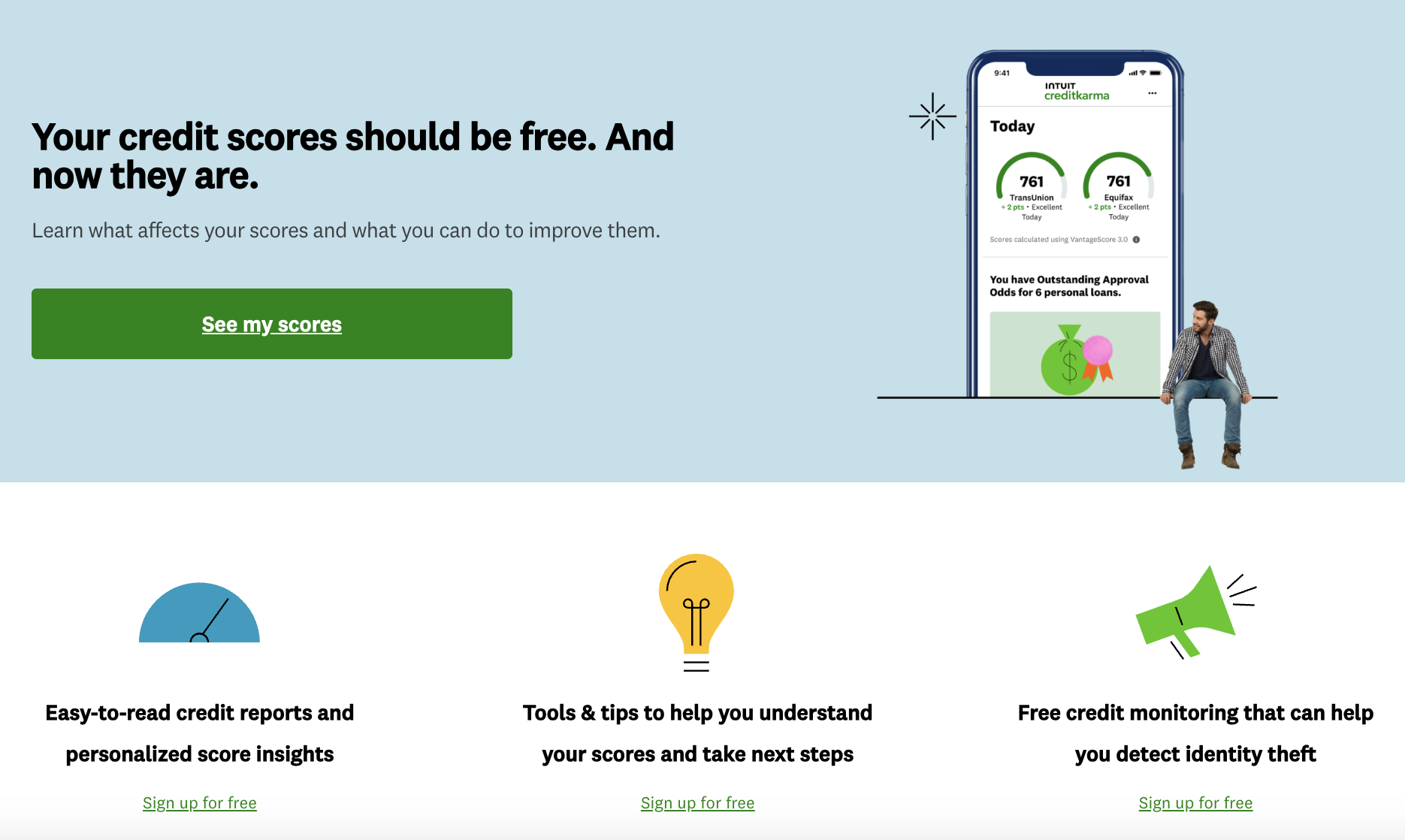
Services like Credit Karma, Mint, and various digital wallet providers offer "soft pull" credit monitoring. These apps typically refresh your score weekly or even daily. They use the VantageScore model, which may vary slightly from the FICO score a lender sees, but it is an excellent barometer for tracking rapid changes in your credit health.
Step-by-Step Guide to Accessing Your Official Free Credit Report
While third-party apps give you a quick score, the Consumer Financial Protection Bureau (CFPB) recommends reviewing your full report at least once a year to ensure accuracy. Under the Fair Credit Reporting Act (FCRA), you are entitled to free reports from the three major bureaus.
- Visit the Official Portal: Go to AnnualCreditReport.com. This is the only website authorized by the federal government for this purpose.
- Select Your Bureaus: You can choose to view reports from Equifax, Experian, and TransUnion simultaneously or stagger them throughout the year.
- Provide Identification: You will need to enter your full name, Social Security Number, date of birth, and current address.
- Complete Security Challenges: This is the most critical step for "quick" access. You will be asked questions based on your financial history, such as "Which of these banks did you have a mortgage with in 2022?" or "What was the monthly payment on your 2024 auto loan?"
- Review and Save: Once verified, your report is generated instantly as a PDF. It is highly recommended to save a copy for your records, as you may be timed out of the session after a few minutes.
Technical Requirements and Identity Verification
The speed of checking your credit rating is often limited by the Identity Verification (IDV) process. To prevent fraud, credit bureaus use Knowledge-Based Authentication (KBA). If you have recently moved, changed your legal name, or if your credit file is "thin" (meaning you have very little credit history), the automated system may fail.
If the online system cannot verify you, you will be required to mail in physical documentation, such as a copy of your Social Security card and a utility bill. This transforms a two-minute digital process into a two-week manual one. To ensure the process remains fast, ensure your current address is updated with all your active creditors before attempting an online check.
Comparing Credit Monitoring Platforms in 2026
The following table compares the most common methods for checking your rating quickly, focusing on the specific model used and the update frequency.
| Provider Type | Common Example | Scoring Model | Update Frequency | Cost |
|---|---|---|---|---|
| National Bureau | Experian | FICO Score 8 | Monthly (Free) | $0.00 |
| Federal Mandate | AnnualCreditReport.com | Full Report (No Score) | Weekly | $0.00 |
| Third-Party App | Credit Karma | VantageScore 3.0/4.0 | Daily/Weekly | $0.00 |
| Major Bank | Chase/Amex | VantageScore or FICO | Monthly | $0.00 |
| Premium Service | myFICO | All FICO Versions | Real-time | Variable |
Soft Inquiries vs. Hard Inquiries: Why Speed Doesn't Hurt
A common misconception is that checking your own credit rating will lower your score. In the technical language of credit reporting, checking your own rating is a soft inquiry (or "soft pull"). Soft inquiries are not visible to lenders and have zero impact on your credit score.
Conversely, a hard inquiry occurs when a lender reviews your credit report to make a lending decision (e.g., when you apply for a credit card or mortgage). These can lower your score by a few points. Because checking your own rating via the methods mentioned above is always a soft inquiry, you can check it as frequently as you like without any penalty.
Troubleshooting Common Access Issues
Even in 2026, technical glitches can occur. If you receive an "Unable to Verify Identity" message, consider the following:
- Security Freezes: If you have placed a "freeze" on your credit to prevent identity theft, you may need to temporarily lift it ("thaw" it) to allow certain third-party apps to access your data.
- Browser Extensions: Highly restrictive ad-blockers or VPNs can sometimes interfere with the secure connection required by Equifax or TransUnion.
- Incorrect Data: If the security questions include accounts you don't recognize, it could be a sign of identity theft or a "mixed file," where your data is erroneously merged with someone else's. In this case, the quick check becomes a signal that you need to file a formal dispute with the bureau.
The Strategic Value of Regular Monitoring
Speed is important, but accuracy is paramount. Checking your rating quickly serves as an early warning system. In 2026, with the rise of AI-driven synthetic identity fraud, a sudden drop in your rating—even if it is still in the "good" range—can indicate that a fraudulent account has been opened in your name.
By using a combination of bank-provided scores for daily monitoring and the FTC-supported annual credit reports for deep-dive audits, you can maintain a robust defense against financial errors and criminal activity.
FAQ
Does checking my credit score through a third-party app provide the same score a lender sees? Not necessarily. Most free apps provide a VantageScore, while 90% of top lenders use FICO scores. While the two numbers usually move in the same direction, they are calculated differently. For example, VantageScore might weigh your recent credit utilization more heavily than certain FICO versions.
How often should I check my credit rating? In the current financial environment, checking your rating at least once a month is a best practice. Many consumers choose to use apps that provide weekly updates or real-time alerts for significant changes, such as a new inquiry or a change in a credit limit.
Can I check my credit rating if I don't have a Social Security Number? It is difficult but possible. Some bureaus can match your identity using your name, address history, and an Individual Taxpayer Identification Number (ITIN). However, the "quick" online methods usually require a Social Security Number for automated verification.
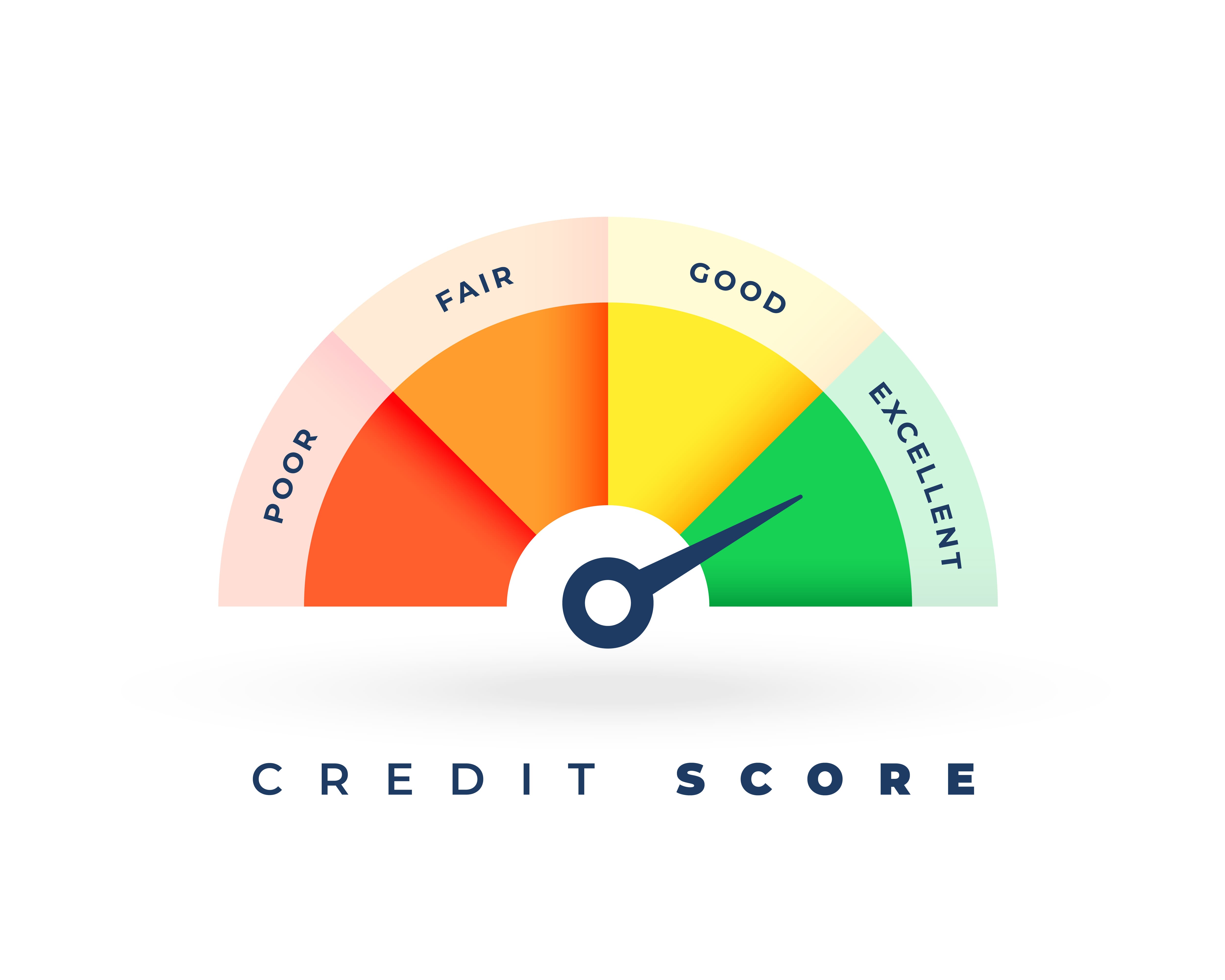
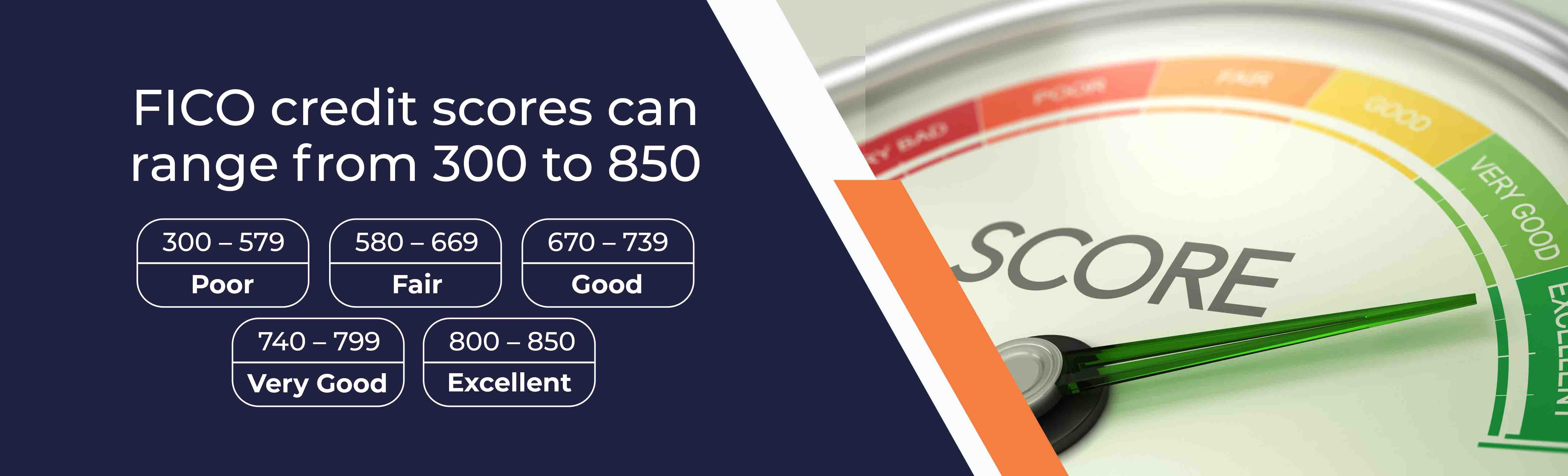
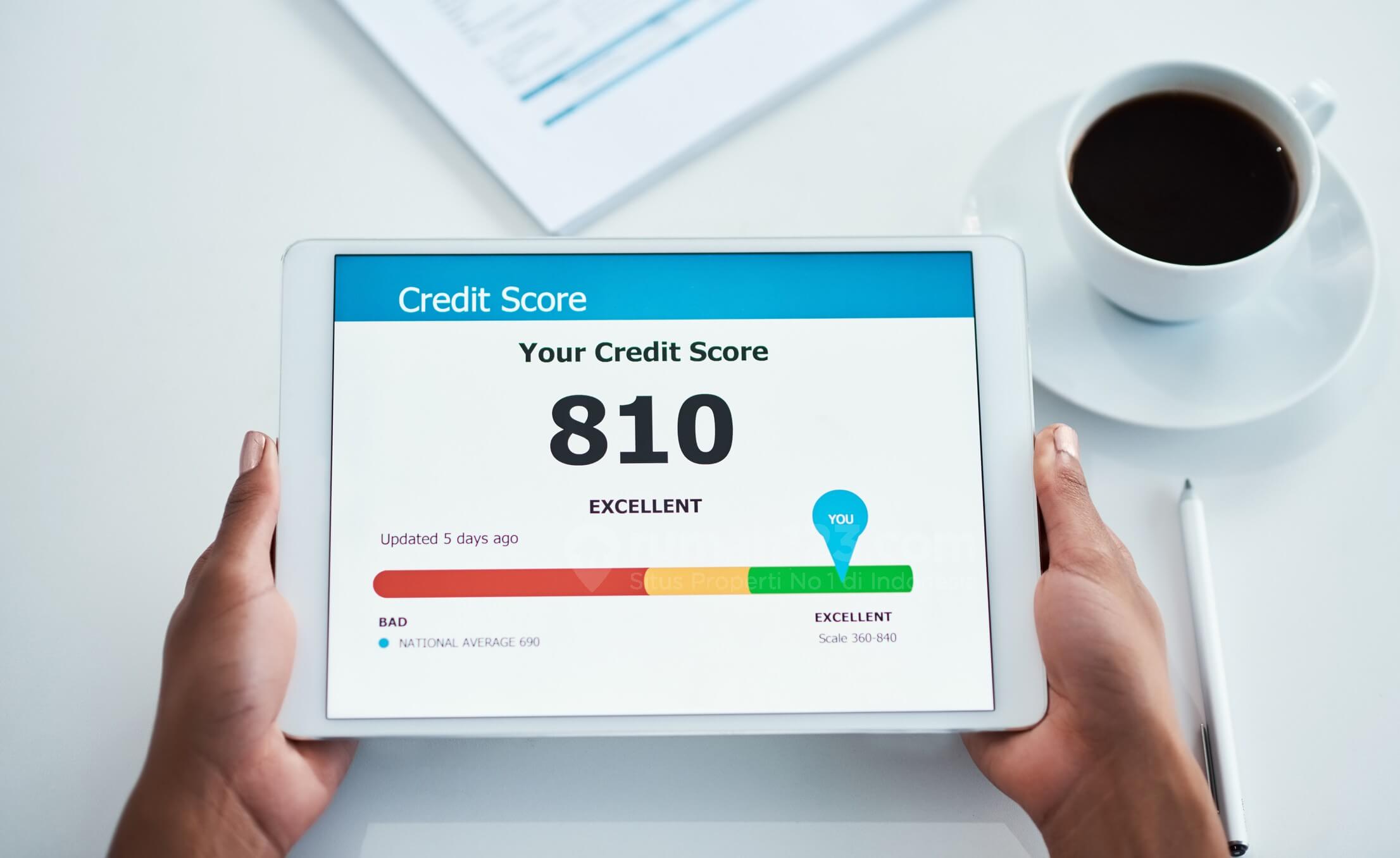
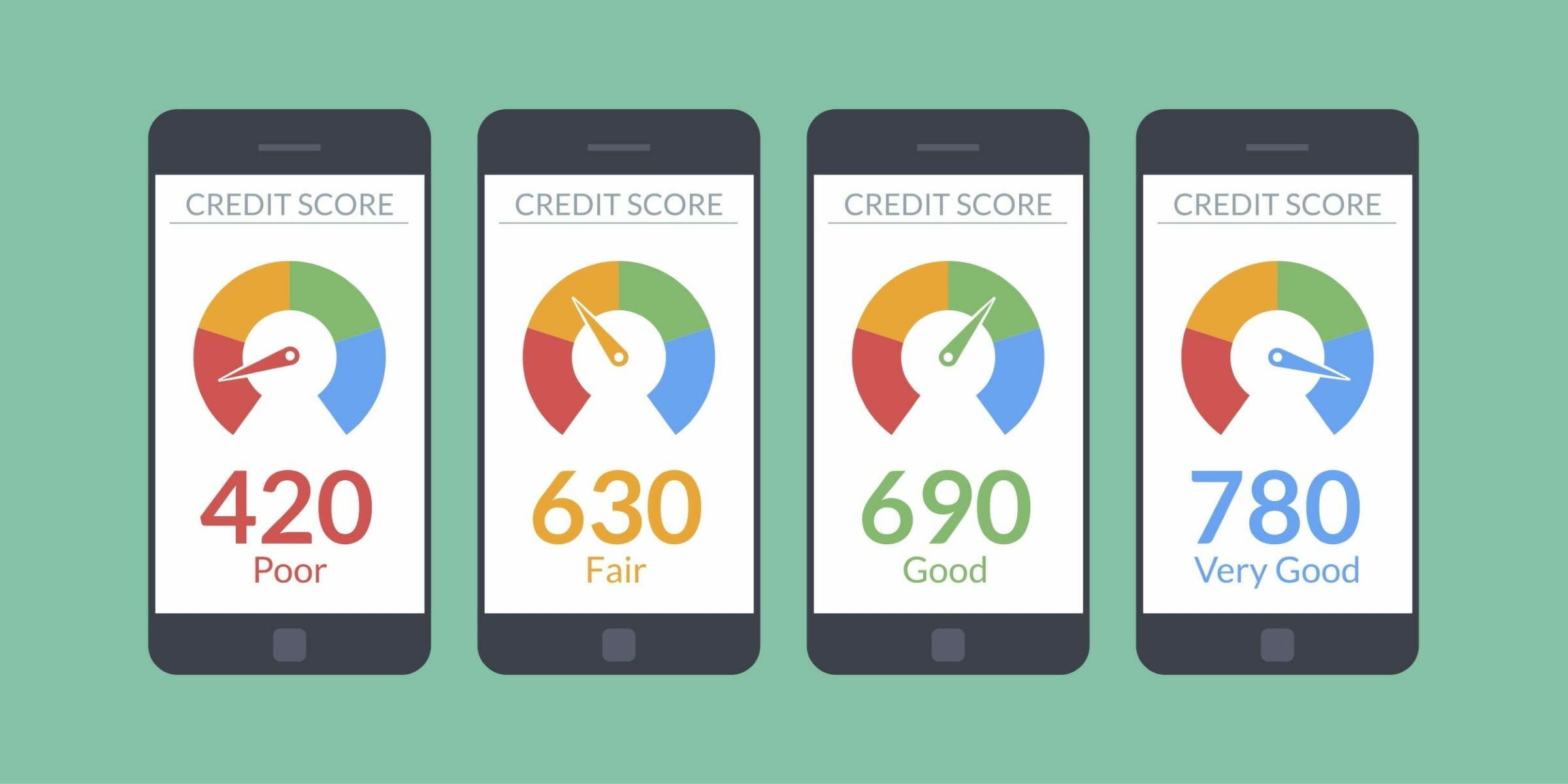
What is a "good" credit rating in 2026? While scales vary slightly, a FICO score of 670 to 739 is generally considered "Good," 740 to 799 is "Very Good," and 800+ is "Exceptional." Ratings below 580 are typically classified as "Poor" and may require specialized credit-builder products to improve.
Is there a fee to dispute errors found during a quick credit check? No. Under federal law, the credit bureaus cannot charge you for investigating and correcting inaccurate information on your credit report. If you find an error, you should file a dispute directly through the bureau's website.
Final Recommendation
To check your credit rating quickly and safely, start with your primary bank’s mobile app. This is the most secure method as it bypasses the need for additional identity verification. For a more comprehensive view, supplement this with a weekly check on AnnualCreditReport.com to ensure the underlying data in your report is accurate and free of unauthorized activity.
Image Gallery